

Vintage Black Artwork
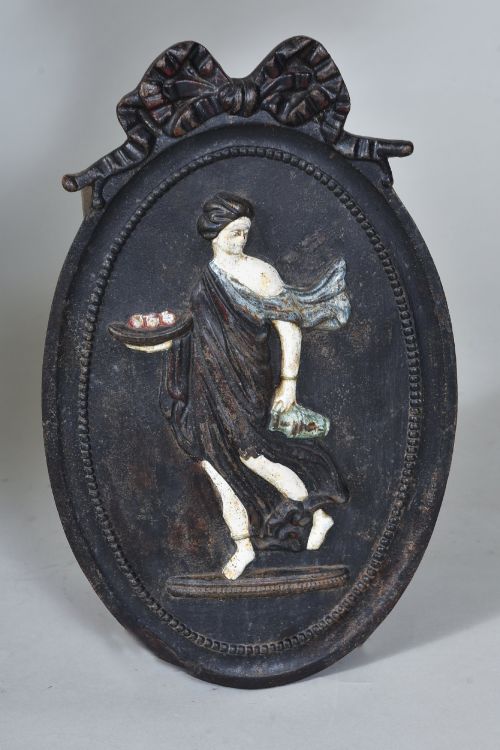
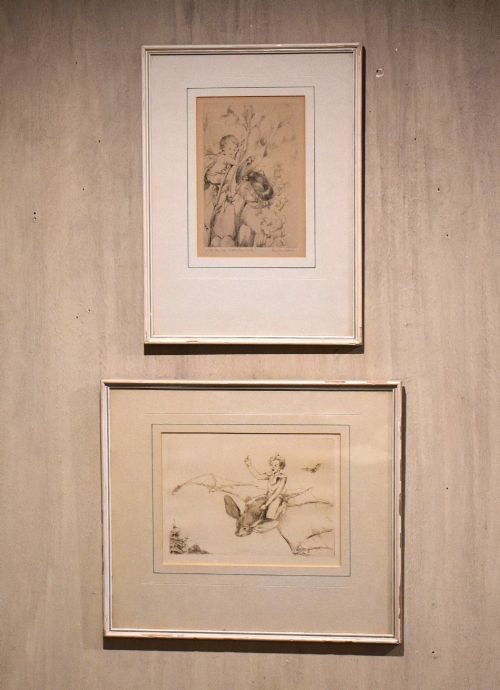
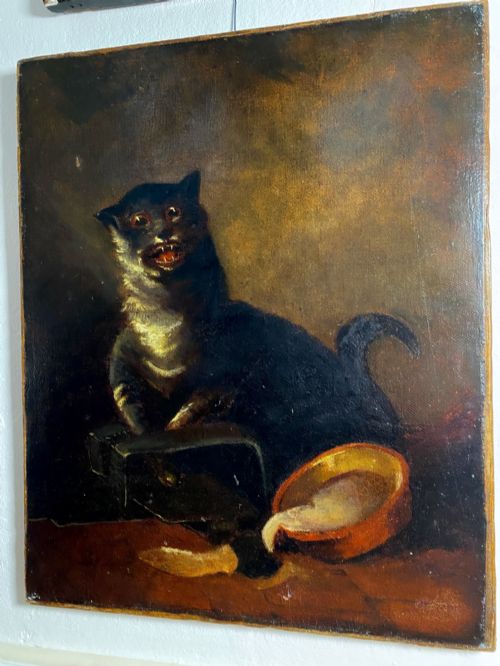
Vintage black artwork gathers centuries of prints, ink drawings and dark oils into a striking display of tonal depth.
Vintage Black Artwork
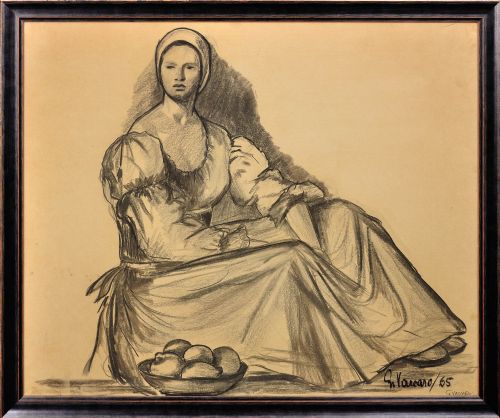
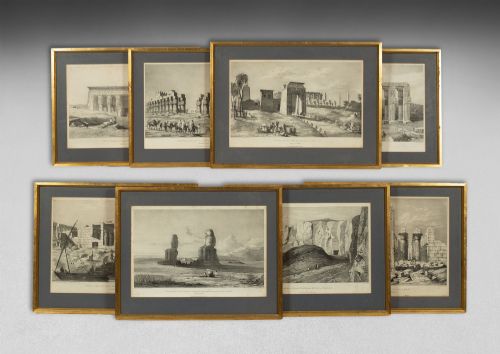
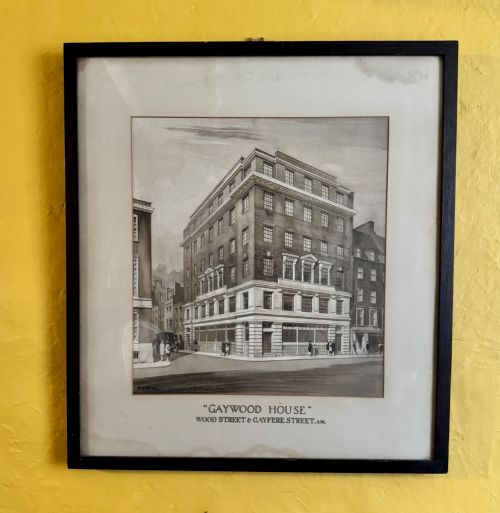
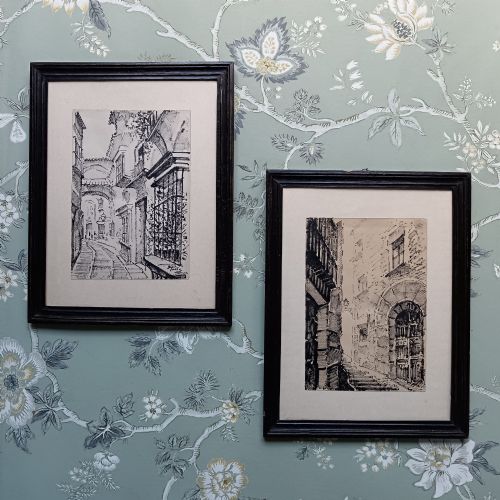
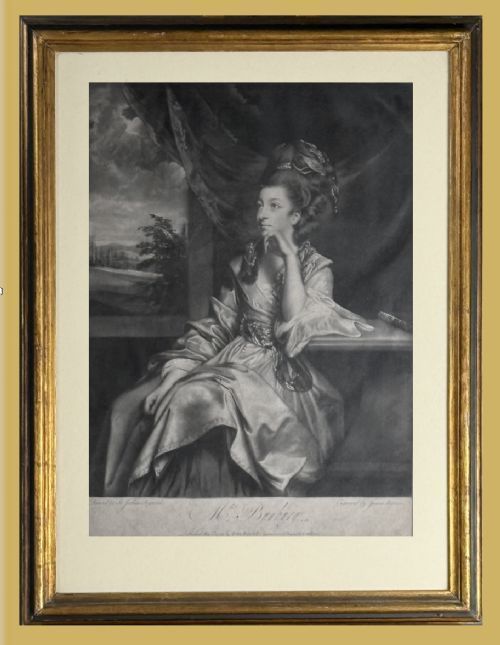
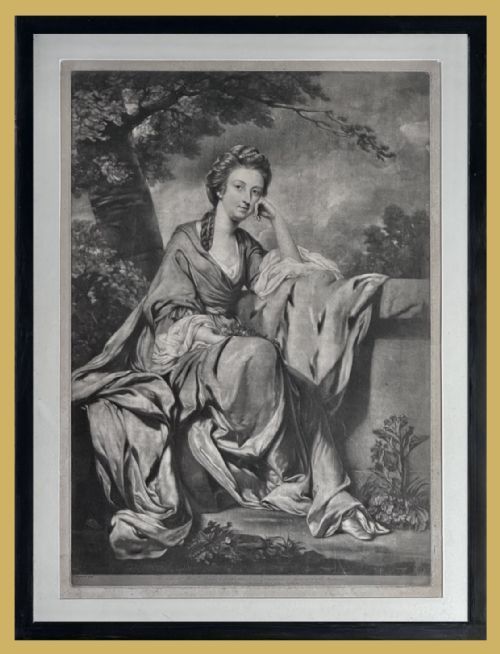
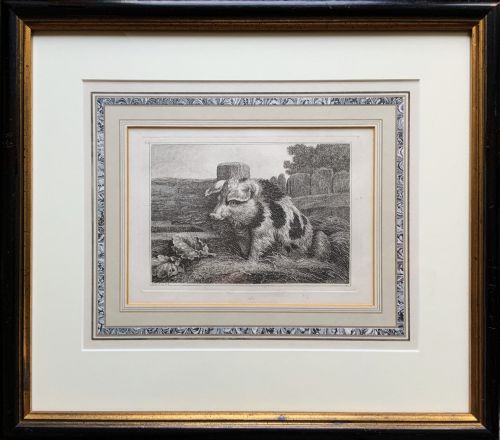
Vintage black artwork covers a diverse span of media, from eighteenth-century mezzotint portraits and etched animal studies to twentieth-century architectural ink drawings and mid-century prints.
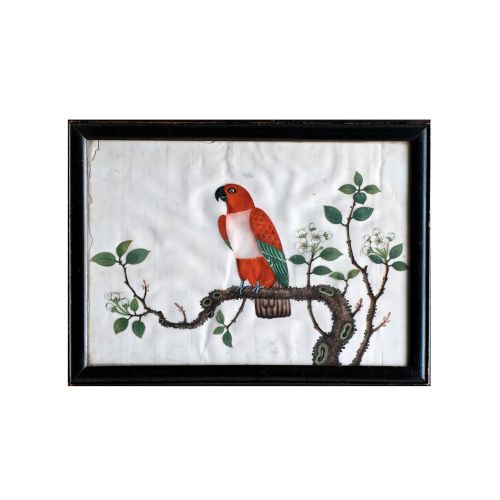
The objects here include framed prints, oil paintings on canvas and board, miniature paper portraits, silk paintings and pith paintings originating from various European and Asian traditions.
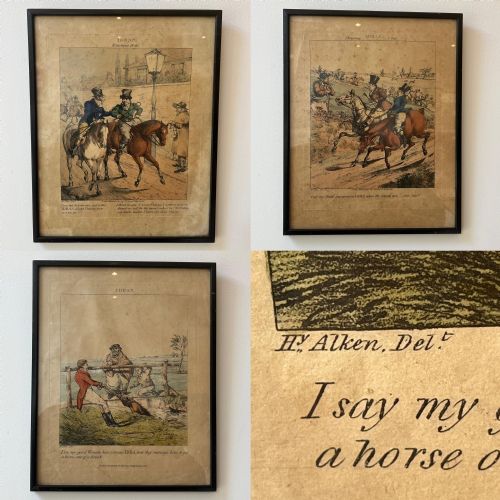
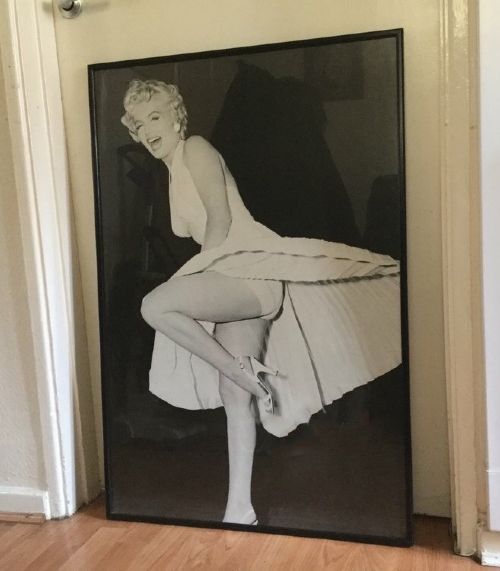
Visitors navigating this selection will encounter nineteenth-century works alongside pieces stretching back to the seventeenth century and forward into the mid-century modern era.
How they were made
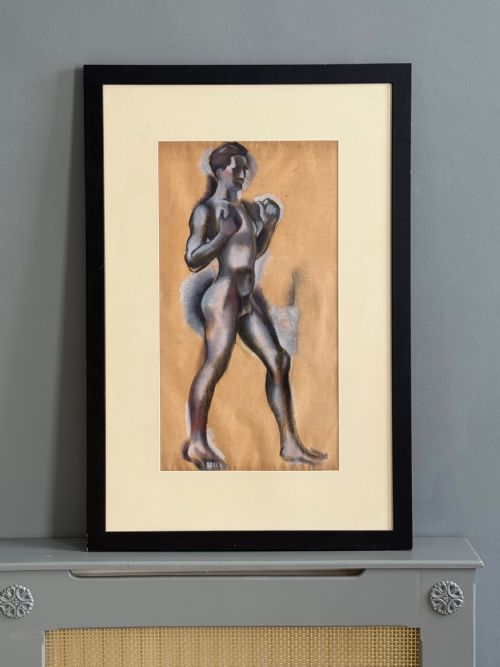
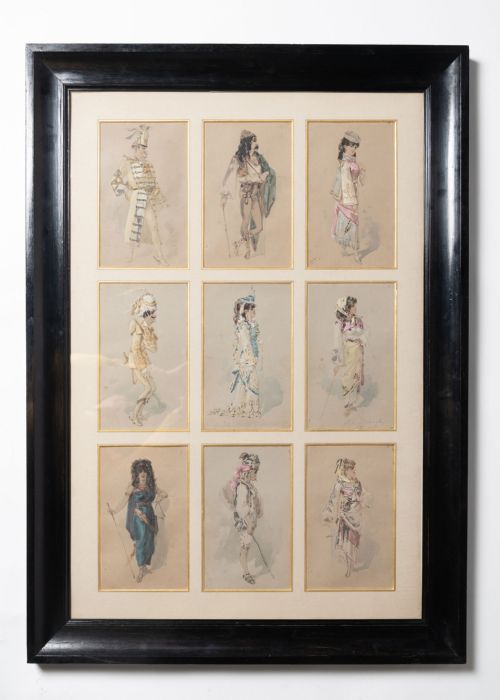
Makers utilised dark printing inks, rich watercolours, gouache and oil paints applied to paper, canvas, glass and wood panels.
Many historical prints rely on meticulous engraving and mezzotint techniques on paper, capturing fine tonal gradations through inked plates.
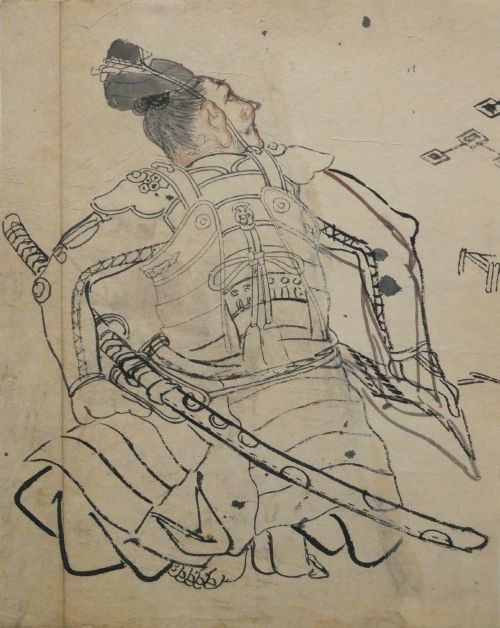
Asian pieces incorporate delicate silk paintings and pith paper applications, while European items demonstrate traditional draughtsmanship in pencil and ink.
Vintage Black Artwork Retail Price Guide 2026
Typical asking prices for vintage black artwork among the pieces listed under this phrase on Sellingantiques today, from the lower quarter to the upper quarter. They describe what is for sale here now, not the wider market.
The selection spans from seventeenth-century landscapes and eighteenth-century mezzotints through to mid-century modern ink drawings.
What varies in quality
The strength of the composition and the clarity of the printed line or brushstroke determine the visual impact of each piece.
Preservation of the original paper, canvas or wood ground, alongside the retention of early framing, dictates the historical integrity of the work.
Samuel Howitt·Jacob Kramer·Fred Lawson·William Lionel Wyllie·Bruce Bairnsfather
The Vintage Black Artwork Glossary
- Mezzotint
- A printmaking process of the intaglio family where the plate is roughened uniformly to produce rich dark tones and subtle gradations of light.
- Pith painting
- Artwork created on a fragile, spongy paper-like material sliced from the pith of the Tetrapanax papyrifer plant, commonly produced in nineteenth-century China.
- Etching
- A technique where lines are bitten into a metal plate with acid before ink is applied and transferred to paper under pressure.
- Gouache
- An opaque water-based medium that yields flat, saturated areas of colour with a matte finish.
Vintage Black Artwork: Frequently Asked Questions
How should I hang vintage dark art?
Darker compositions benefit from placement against neutral or lighter walls where the tonal contrasts can stand out clearly.
Consider lighting the piece gently with a picture light to bring out the hidden details in the darker pigments and inks.
What is a mezzotint portrait?
A mezzotint is an early printmaking method that allows for deep, velvety blacks and smooth tonal transitions without using traditional lines.
These prints were frequently employed to reproduce oil paintings of notable historical figures during the seventeenth and eighteenth centuries.
Are pith paintings fragile?
Pith paper is naturally delicate and susceptible to damage if exposed to excessive moisture, direct sunlight or rough handling.
Most surviving examples are kept securely behind glass within their original frames to protect the fibrous surface from atmospheric wear.
How do I identify a nineteenth-century etching?
Nineteenth-century etchings typically show a distinct plate mark indented into the paper where the metal plate pressed down during the printing process.
Examining the paper weight, watermark and ink texture under a magnifying glass helps distinguish original antique impressions from modern reproductions.