
Vintage Birmingham Silver
Vintage birmingham silver brings together functional smalls, decorative accessories and desk items hallmarked in the Midlands assay office across the Georgian, Victorian and twentieth-century periods.
Vintage Birmingham Silver
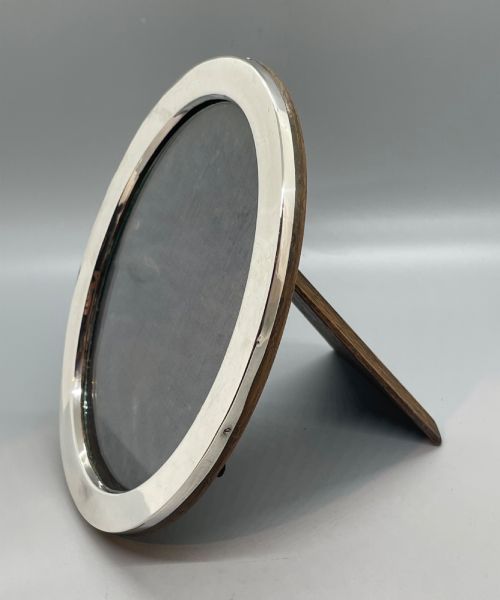
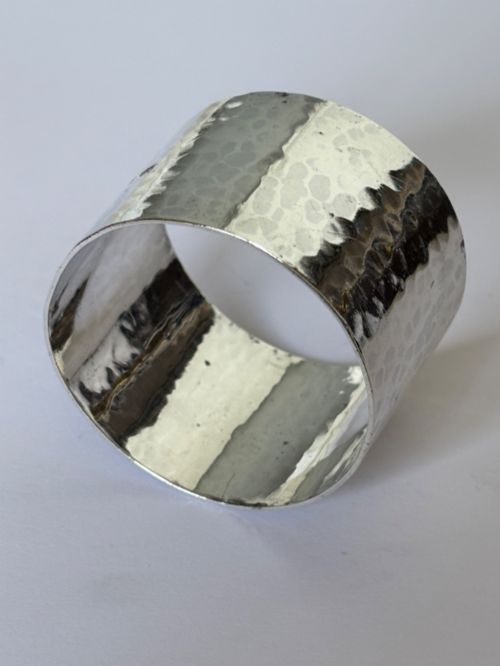
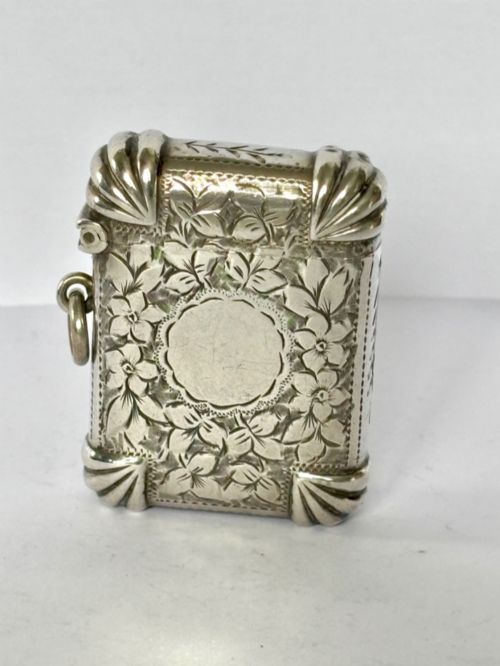
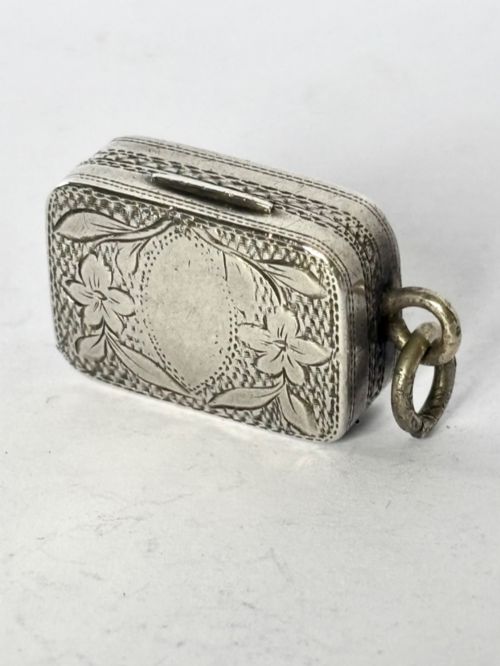
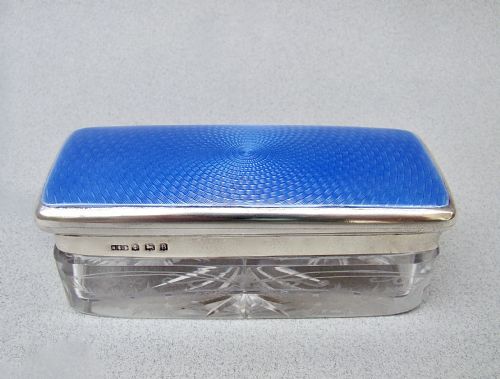
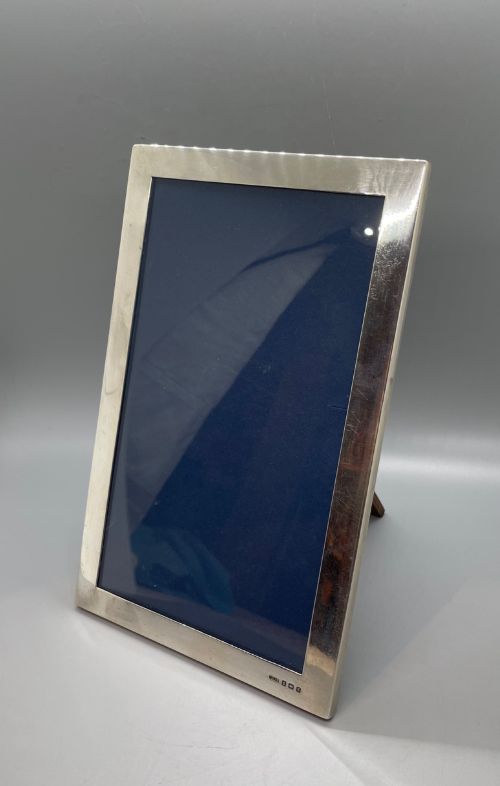
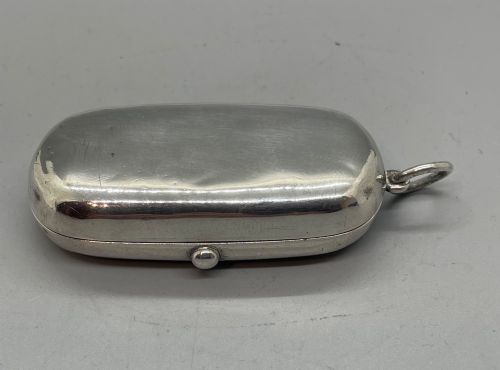
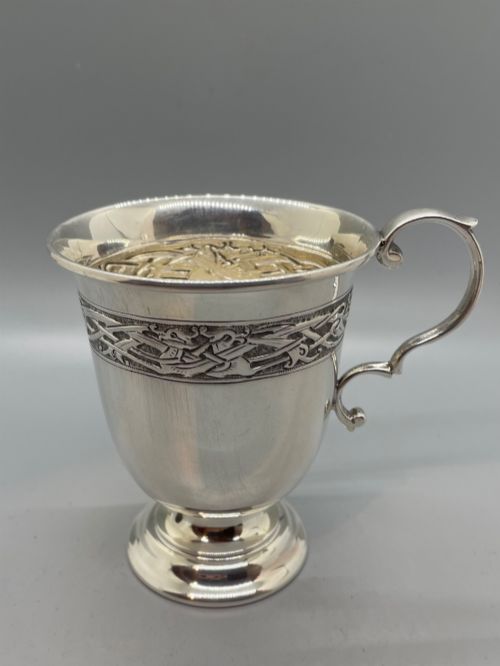
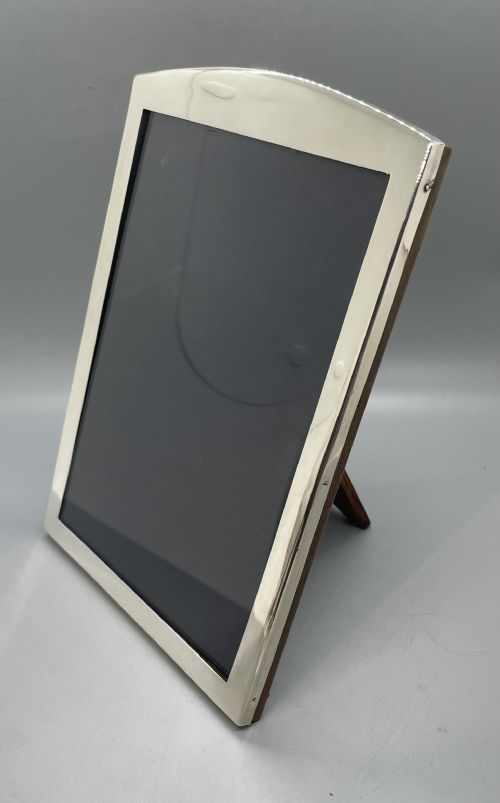
Vintage birmingham silver spans a wide domestic output, ranging from intricate Edwardian photo frames and trinket boxes to Art Deco guilloche enamel compacts and dressing table jars. Buyers encounter functional small objects like vesta cases, napkin rings, napkin clips and pen knives alongside display pieces such as miniature tea caddies and scent bottles.
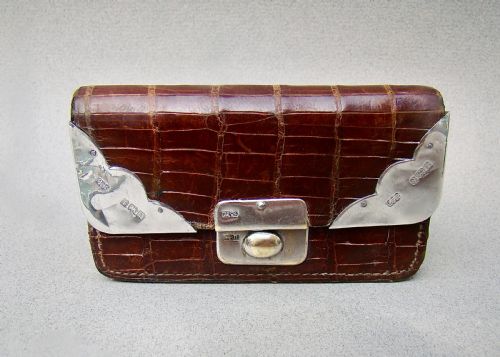
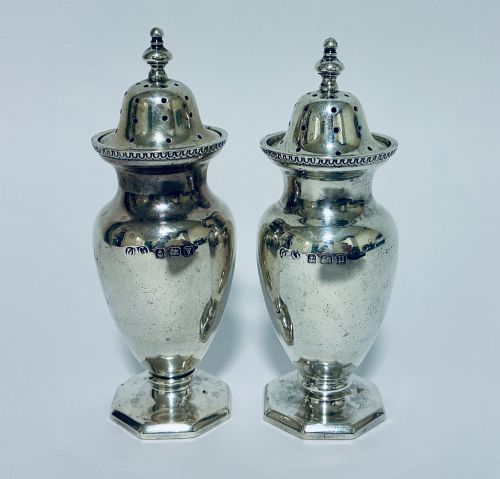
The selection reflects the industrial output of the Midlands assay office, drawing on Victorian, Edwardian, George V and Art Deco styles. Pieces frequently combine sterling silver mounts with auxiliary materials including glass, enamel, tortoiseshell and leather to create items for personal grooming and interior display.
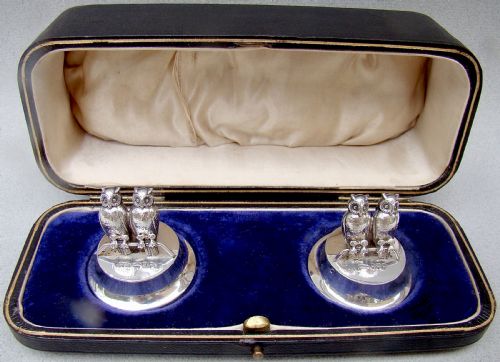
Makers in this category encompass specialist silversmiths and manufacturing jewellers who produced everything from utilitarian desk accessories to whimsical novelty items like animal pin cushions and book-shaped stamp cases.
How they were made
Silversmiths utilised sterling silver sheet and wire, often shaping bodies by hand or employing mechanical stamping for patterned elements such as hammered napkin rings and guilloche enamel compacts. Molten or rolled metal was worked alongside auxiliary substances, securing glass bodies, wood linings and leather exteriors within fitted silver mounts.
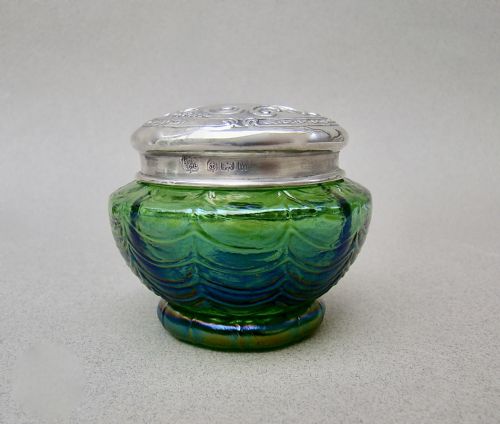
Surface decoration combined engine-turning with translucent coloured enamels, hand-engraving and applied cast details like cherubs or animal figures. Glass components, including Kralik glass and satin glass, were mouth-blown or moulded before receiving hallmarked silver lids and collars.
Current listings span the Victorian, Edwardian, George V and Art Deco periods, utilising sterling silver combined with glass, enamel and wood.
What varies in quality
The standard of vintage birmingham silver depends heavily on the crispness of the assay stamps and the intricacy of the secondary materials used in construction. Items featuring hand-applied enamel work, complex repoussé detailing or signed craftsmanship by notable workshops stand apart from standard mass-produced utilitarian containers.
Preservation of delicate elements such as guilloche enamel, tortoiseshell panels and original glass linings dictates the distinction between everyday survivals and premier collector examples. Mounts that retain their structural integrity without over-polishing preserve the original depth of the maker's punches and aesthetic design.
Charles Penny Brown·A. J. Pepper & Co·Albert Edward Jones·Levi & Salaman·EV Pledge & Son·Samuel Pemberton·Henry Clifford Davis·The Barker Brothers·A. Bromet & Co·Thomas Hayes·Henry Williamson·W.I.Broadway & Co·Harold Bushell & Co·The Boots Company·Vale & St John·Crisford & Norris·Robert Pringle·S Blanckensee & Son·Hukin and Heath·Henry Matthews·C.T. Burrows & Sons·J. Gloster Ltd·J W Tiptaft
The Vintage Birmingham Silver Glossary
- Hallmark
- A series of official marks stamped on precious metals indicating the standard of purity, the assay office, and the date letter. Birmingham hallmarks feature an anchor symbol.
- Guilloche enamel
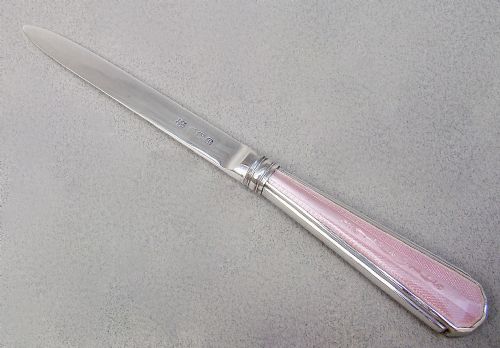
- A decorative technique where a precise geometric pattern is mechanically engraved beneath a translucent layer of coloured enamel. This method was widely utilised on Art Deco compacts and vanity jars.
- Vesta case
- A small pocket container designed to hold matches, typically fitted with a striking strip on the base. They were heavily produced in silver by Birmingham makers during the Victorian and Edwardian eras.
- Repousse
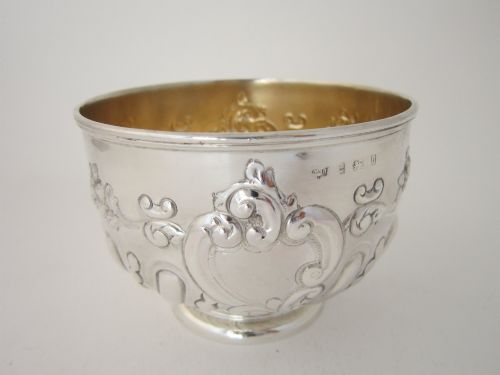
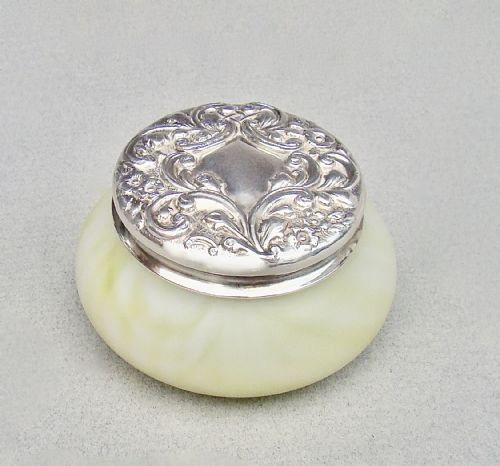
- A metalworking technique where the artisan shapes the metal from the reverse side by hammering to form a raised design in relief on the front. It is frequently seen on frames and dressing table accessories.
- Assay office
- An official body that tests the purity of precious metal items and stamps them with the appropriate legal marks. The Birmingham assay office has operated since the late eighteenth century.
Vintage Birmingham Silver: Frequently Asked Questions
How do I read Birmingham silver hallmarks?
Birmingham hallmarks include the anchor symbol indicating the assay office, alongside a standard purity mark like the lion passant for sterling silver. A sequential letter punch provides the exact year of manufacture.
Matching these stamps against official dating charts allows collectors to trace the piece back to specific decades across the Georgian, Victorian and twentieth-century periods.
What were vesta cases used for?
Vesta cases served as portable pocket containers for safety matches before the widespread availability of lighters. Gentlemen and ladies carried them daily to light cigars, cigarettes or household lamps.
Their compact forms allowed artisans to experiment with novelty shapes, including books, animals and engraved geometric motifs.
How do I care for enamel silver pieces?
Enamel surfaces require gentle cleaning using a soft cloth and mild soapy water, avoiding harsh silver dips that can erode vitreous coatings. Keeping pieces away from direct sunlight prevents the fading of coloured enamel work.
Storing items in dry environments protects the underlying silver mounts and fragile glass or tortoiseshell inserts from moisture damage.
How can I tell Edwardian pieces apart from Art Deco ones?
Edwardian silver relies on flowing floral motifs, ribbon bows and ornate scrollwork inspired by earlier Georgian and Rococo revivals. Pieces from this era often feature rich textures like crocodile skin, leather and bevelled glass.
Art Deco items embrace streamlined geometric patterns, sharp lines and vibrant guilloche enamels in shades of blue, green and cream, reflecting industrial modernisation.