



Engine Turned Silver Rings
Engine turned silver rings are tactile tableware accessories that bring geometric precision and period charm to any dining table.
Engine Turned Silver Rings
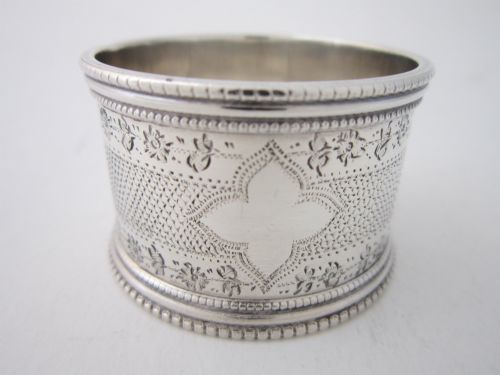
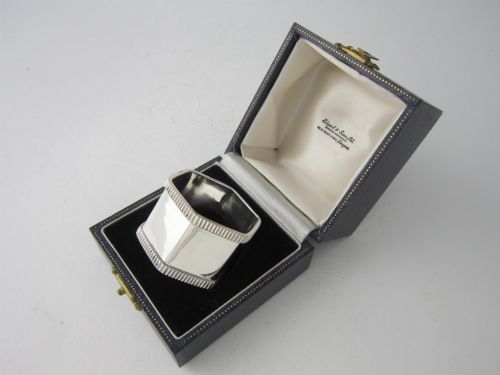
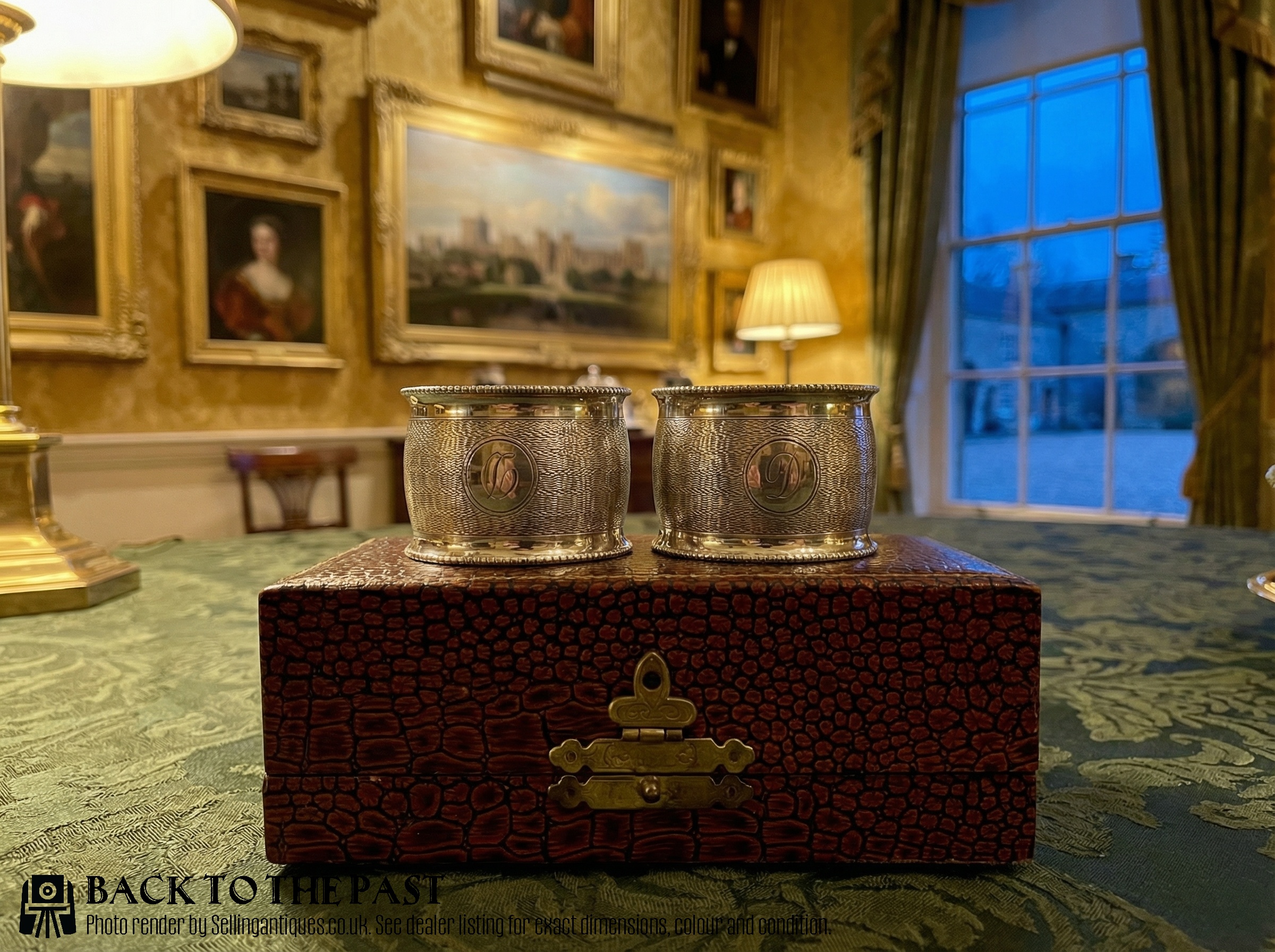
When you search for engine turned silver rings, you encounter solid sterling silver napkin rings decorated with precise geometric patterns. These functional table accessories emerge most frequently from the George V and Art Deco periods, spanning the early decades of the twentieth century.
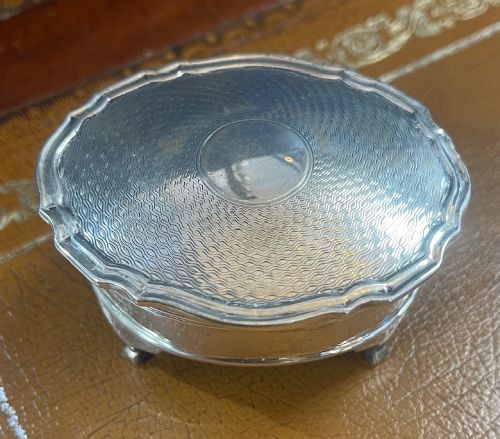
Napkin rings appear as single pieces, matched pairs, or larger sets numbering up to six. Alongside circular napkin bands, the selection includes related dressing table boxes lined in velvet, silk, or leatherette, some incorporating colourful guilloche enamel and silver gilt details.
The objects originate primarily from English assay offices, most notably Birmingham and Chester, with occasional pieces from international makers. You meet various cylindrical and barrel forms designed to hold table linen neatly in place during formal and family meals.
Materials and methods of manufacture
Silversmiths constructed these items from solid sterling silver, shaping sheet metal into hollow cylindrical bands or small rectangular boxes. They employed mechanical lathes to engrave intricate repetitive patterns into the metal surface, cutting precise lines into the silver.
Many examples incorporate a blank cartouche left smooth for personalised engraving, contrasting sharply with the textured engine turned background. Interior compartments of related boxes utilise soft linings of velvet, silk, fabric, and leatherette to cushion contents safely.
Engine Turned Silver Rings Retail Price Guide 2026
Typical asking prices for engine turned silver rings among the pieces listed under this phrase on Sellingantiques today, from the lower quarter to the upper quarter. They describe what is for sale here now, not the wider market.
Distinguishing quality in silver rings
The depth and crispness of the engine turned pattern dictate the visual success of the piece, as worn or shallow engraving diminishes the geometric impact. Heavier gauge silver provides a more substantial feel in the hand compared to thinner, lighter alternatives.
Completeness of sets and matching hallmarks across multi-piece groupings elevate the standing of the items. Well-preserved interior linings in velvet or silk and clear, legible hallmarks add considerable integrity to boxes and napkin rings alike.
Mappin & Webb·Henry Williamson Ltd·David Andersen·Deakin & Francis
The Engine Turned Silver Rings Glossary
- Engine turning
- A mechanical engraving technique that produces intricate, geometric patterns on metal surfaces using a specialised lathe. This method creates the signature textured bands seen on period tableware.
- Cartouche
- A framed space on the surface of the silver left entirely smooth and unpatterned. This area is specifically designated for personal monograms or initials to be engraved.
- Guilloche enamel
- A decorative technique where translucent enamel is layered over precisely engraved metalwork. It allows the underlying geometric pattern to show through with glossy, colourful depth.
- Silver gilt
- Sterling silver that has been coated with a thin layer of gold on the surface. This treatment provides a rich two-tone appearance inside boxes or across specific ring details.
- Sterling silver
- A silver alloy containing substantial pure silver combined with other metals to ensure durability. English pieces typically bear standard hallmarks confirming this composition.
Engine Turned Silver Rings: Frequently Asked Questions
What are engine turned silver rings used for?
These silver bands serve as table accessories designed to hold cloth napkins neatly at individual places during meals. They keep dining tables organised while adding a decorative metallic accent to place settings.
Beyond dining use, similar engine turned techniques appear on small dressing table boxes and trinket containers meant for holding jewellery. Both categories function as decorative household items intended for daily utility and display.
How do I identify the period of a silver ring?
Assay office hallmarks stamped directly into the sterling silver provide definitive dates and origins for English pieces. Birmingham and Chester marks, alongside specific date letters, allow you to trace the exact year of manufacture.
Stylistic indicators also help distinguish eras, such as the symmetrical geometric motifs typical of Art Deco design versus simpler Edwardian forms. Comparing the weight and overall proportions against known period examples clarifies the manufacturing decade.
How should I clean engine turned silver?
Maintenance requires gentle polishing with a soft cloth and a specialised silver cleaner designed to lift tarnish without abrasive scrubbing. Care must be taken around engraved grooves to prevent polish buildup within the fine lines.
Boxes featuring velvet, silk, or leatherette linings require keeping moisture away from the interior fabrics during cleaning. Storing pieces in dry environments helps preserve the crispness of the engine turned exterior over time.
Are napkin rings usually found in sets?
Surviving examples appear both individually and as matched groups ranging from pairs up to sets of six. Matched sets of four or six pieces are particularly characteristic of fitted dining collections from the early twentieth century.
Individual rings often emerge as single survivors from larger original dining sets or as independent gift purchases. Pairs remain common, reflecting standard packaging practices for wedding or anniversary presents of the era.