





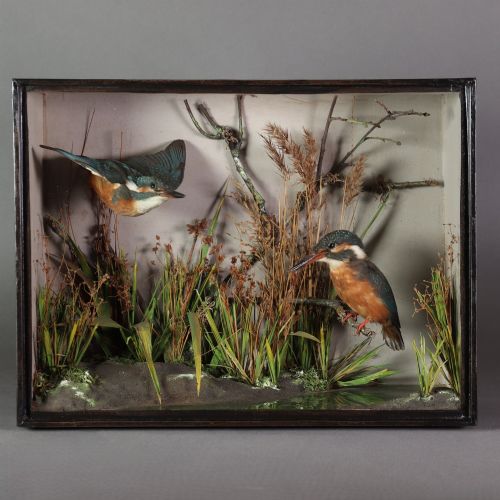


Vintage Bird Case
These vintage bird case examples preserve domestic and exotic species behind glass within wooden frames, offering a glimpse into natural history display traditions.
Vintage Bird Case
A vintage bird case encompasses taxidermy displays housed within glass frames, boxes, and domes, alongside silver desk accessories depicting avian forms. These objects emerge primarily from the Victorian and Edwardian periods, stretching into the early twentieth century.
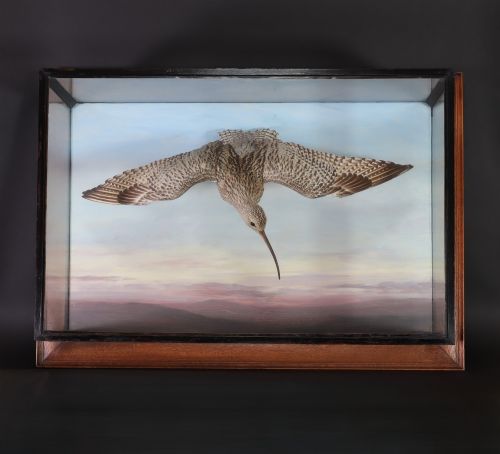
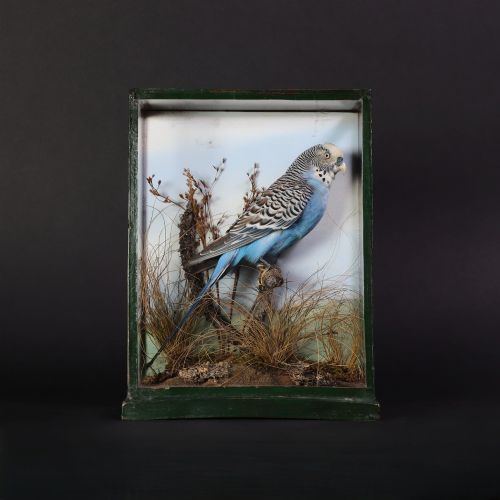
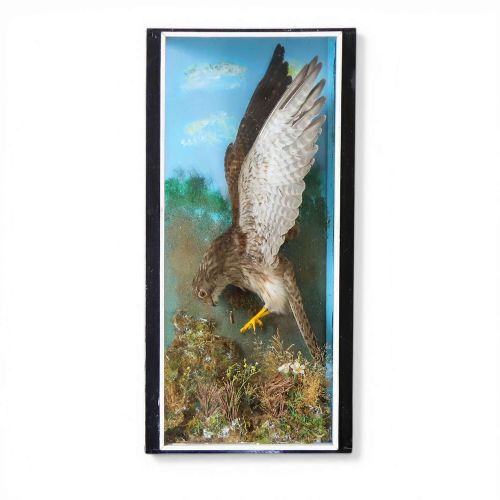
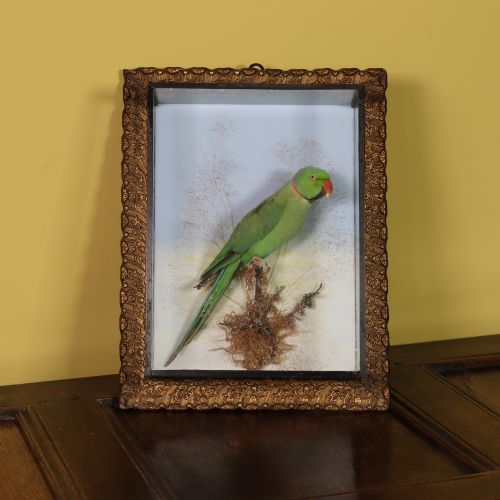
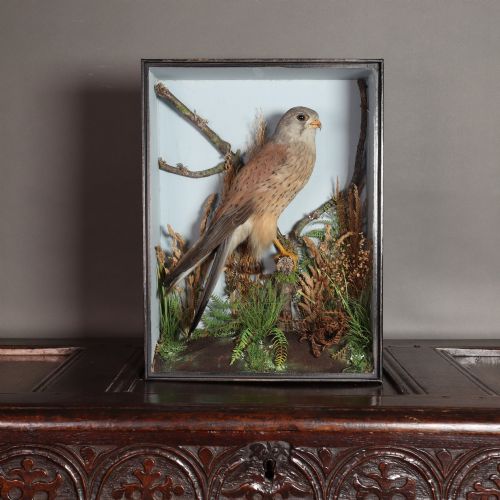
The most frequent form on this page is the cased taxidermy display, showing single specimens like kestrels, curlews, and parakeets, or groups arranged against natural backdrops.
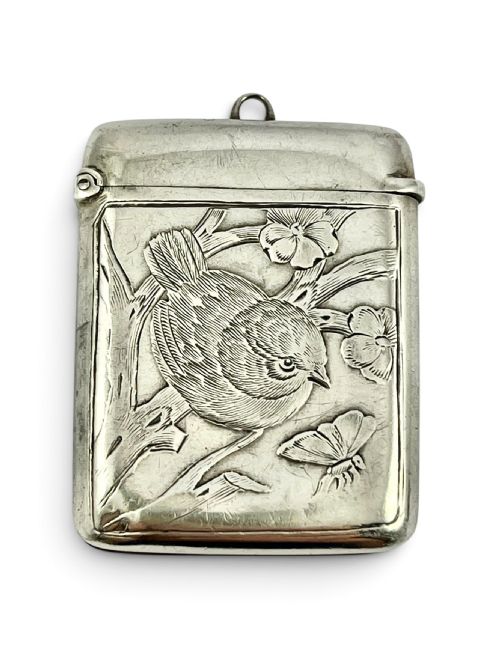
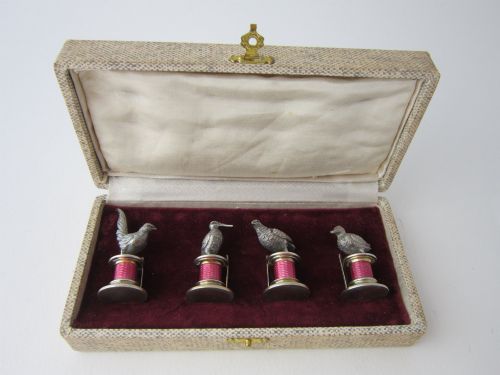
Alongside wall frames and painted wooden boxes, the selection includes silver vesta boxes, menu holders, and snuff boxes shaped around bird themes from the same eras.
Materials and construction methods
Makers utilised wood, glass, and paper to construct protective enclosures, setting prepared specimens amid moss and feathers to replicate natural habitats. Taxidermists mounted birds inside painted cases or glass domes to shield the delicate plumage from dust and moisture.
Vintage Bird Case Retail Price Guide 2026
Typical asking prices for vintage bird case among the pieces listed under this phrase on Sellingantiques today, from the lower quarter to the upper quarter. They describe what is for sale here now, not the wider market.
Listings feature Victorian, Edwardian, and early twentieth-century items utilising glass, wood, feathers, preserved specimens, moss, paper, and sterling silver.
Distinctions in quality
Quality rests upon the skill of the taxidermist in rendering natural posture and anatomical proportion, as seen in the work of established makers. The preservation condition of the feathers and the complexity of the internal diorama background separate standard examples from finer pieces.
For silver accessories, the crispness of the cast detail and the intact preservation of applied enamel define the upper tiers of craftsmanship.
Kirk of Glasgow·Raine of Carlisle·Cullingford of Durham·J Griffiths of Burford·T. E. Gunn·William Bazeley & Sons·James Gardner·W.F. Homer London
The Vintage Bird Case Glossary
- Taxidermy
- The art of preparing, stuffing, and mounting the skins of animals for display. This technique forms the core of natural history cases found in this collection.
- Vesta Case
- A small pocket box designed to hold matches. Makers shaped these in silver during the Edwardian era with bird motifs.
- Diorama
- A three-dimensional scene featuring specimens set within a painted backdrop and natural foliage. These create an illusion of the bird in its natural habitat.
- Menu Holder
- A weighted desk or table accessory designed to display dining menus. Silver examples often depict game birds or birds in flight.
Vintage Bird Case: Frequently Asked Questions
What is a vintage bird case?
A vintage bird case is an enclosed glass display containing preserved avian specimens mounted within a wooden frame, diorama, or glass dome.
These pieces originate from the nineteenth and early twentieth centuries, reflecting historical approaches to natural history decoration.
How do I date a bird taxidermy case?
Dating relies on the construction materials of the frame, the style of the painted background, and any maker labels attached to the woodwork.
Pieces frequently display stylistic traits specific to the Victorian or Edwardian eras, alongside hallmarked silver dates on associated accessories.
Where were these bird cases made?
The pieces originate from various workshops across England, Scotland, and specific regional taxidermists working in cities and towns.
Some specimens also incorporate exotic birds sourced from New Guinea, South America, and Australia during the nineteenth century.
How should I display a taxidermy case?
These glass and wood enclosures require placement away from direct sunlight and damp environments to protect the feathers and paper components.
Stable indoor conditions help preserve the organic materials used in both the taxidermy specimens and their internal foliage.