





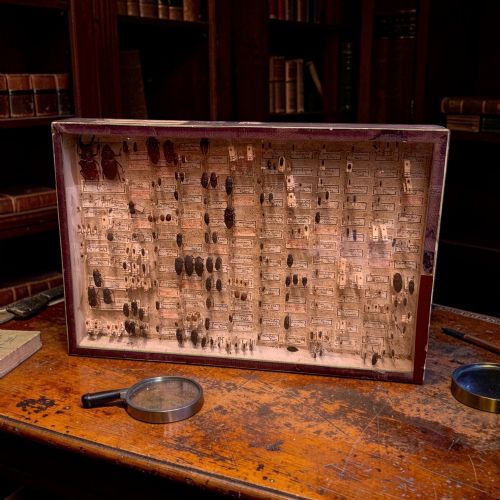



Natural History Case
A natural history case brings the outdoors inside, preserving birds, fish and mammals behind glass for study and display.
Natural History Case
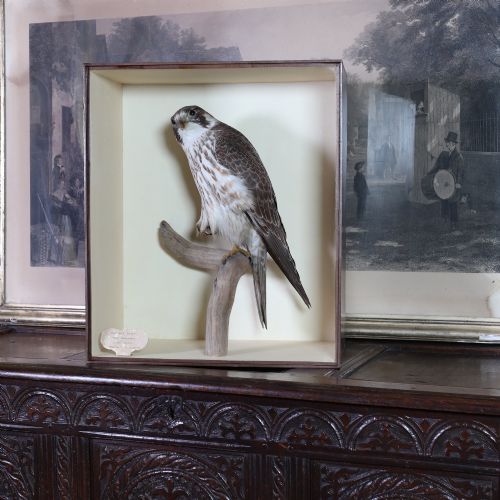
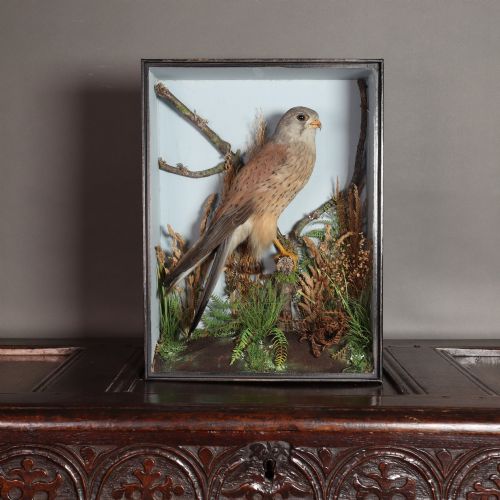
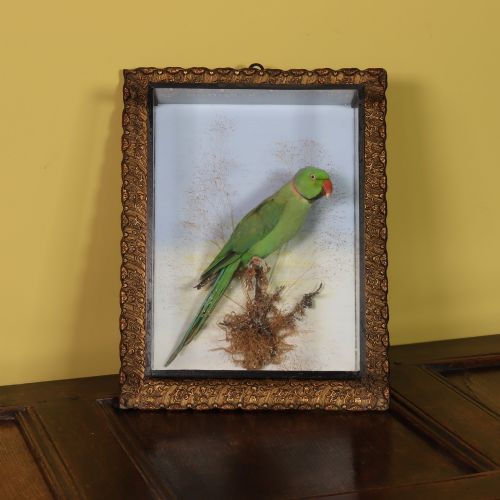
When you search for a natural history case, you encounter enclosed displays that preserve animals, birds, fish and insects within glazed enclosures. These pieces range from compact wall frames and flat-sided domes to large standing cabinets designed to protect delicate specimens from dust and handling.
The versions most common on this page hail from the Victorian and Edwardian periods, stretching from the late nineteenth century into the early twentieth century. These embrace diverse British wildlife alongside exotic specimens gathered from distant continents during the height of natural science collecting.
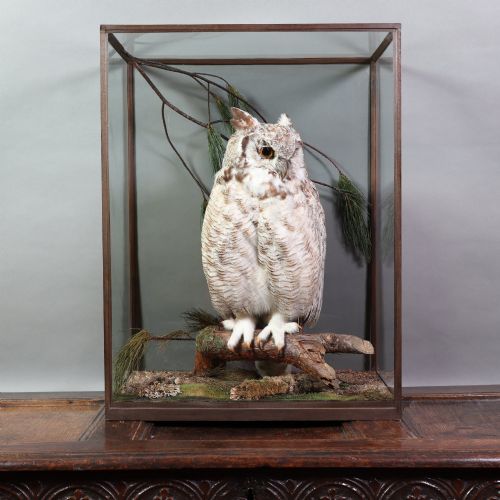
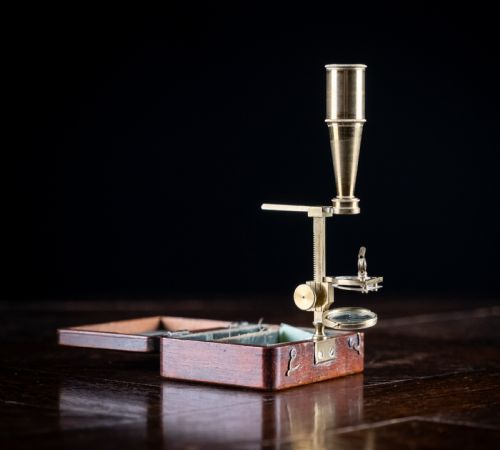
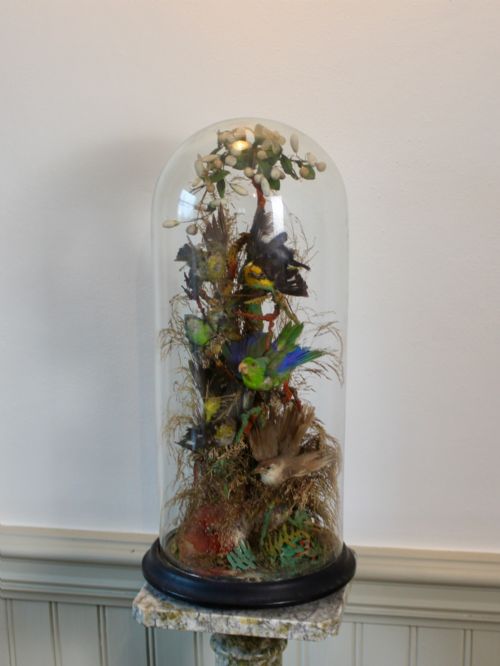
Forms vary widely according to their original contents, encompassing everything from single owls and kingfishers to elaborate multi-bird dioramas set against painted snow scenes or naturalistic woodland backgrounds. Scientific instruments and entomology drawers also appear alongside traditional taxidermy displays.
How They Were Made
Taxidermists utilised seasoned wood such as oak, mahogany and ebonised timber to construct the outer frames and cabinets, which were then fitted with large glass panels to provide an unobstructed view of the contents. Inside these enclosures, preserved specimens were arranged over moss, paper and painted backdrops that simulated natural habitats.
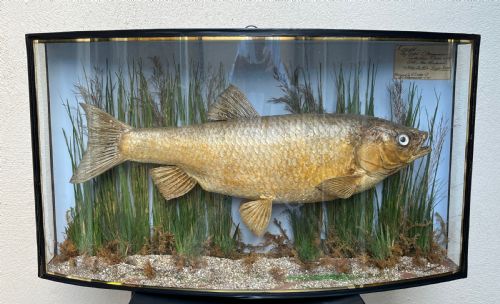
Specialist techniques involved shaping wire frameworks and stuffing skins to recreate lifelike postures, whilst fish mounts required mounting and painting specimens within curved glass bow-front cases. Entomology boxes utilised paper-lined interiors to pin and organise delicate insect collections systematically.
Natural History Case Retail Price Guide 2026
Typical asking prices for natural history case among the pieces listed under this phrase on Sellingantiques today, from the lower quarter to the upper quarter. They describe what is for sale here now, not the wider market.
Listings feature items spanning the Victorian, Edwardian and early twentieth-century periods, constructed from glass, wood, feathers and preserved specimens.
What Varies in Quality
The distinction between ordinary and exceptional pieces lies in the naturalism of the taxidermy and the artistic composition of the interior setting. Skilled practitioners achieved anatomical accuracy and convincing postures that make specimens appear active rather than rigid.
Cabinet construction also dictates standing, with superior examples featuring heavy plate glass, well-joined timber and intricate painted backgrounds that add depth to the diorama. Signed work by established practitioners generally indicates a higher standard of preservation and framing.
Little & Co·J Griffiths of Burford·Rowland Ward Ltd·T. E. Gunn·William Bazeley & Sons·Hutchings of Aberystwyth·James Jones·J. Cooper & Sons·James Gardner·W.F. Homer·J Dobson
The Natural History Case Glossary
- Taxidermy
- The art of preserving, stuffing and mounting animal skins for permanent display. It requires anatomical knowledge to shape the creature realistically.
- Ebonised wood
- Timber treated with a dark finish to resemble ebony wood. This dark staining provides a stark, formal contrast against bright feathers and fur.
- Entomology case
- A shallow box utilised for housing and displaying insect collections. These compartments often feature glass lids for examination without disturbance.
- Dome
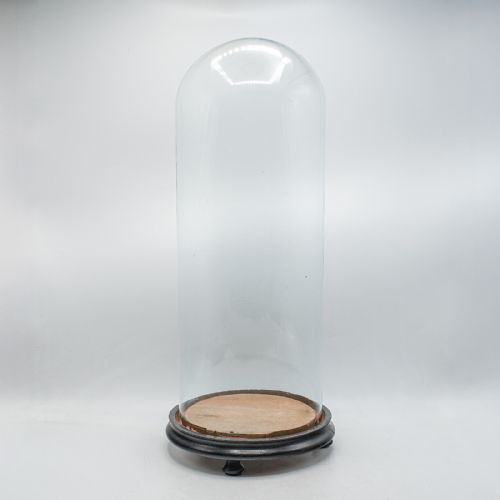
- A curved glass cover resting on a wooden or mirrored base to protect specimens. These enclosures offer a three-dimensional view from every angle.
Natural History Case: Frequently Asked Questions
What animals are found in these cases?
These displays house a wide variety of British and exotic wildlife, including birds of prey, waterfowl, fish such as pike and roach, and small mammals.
Compositions range from solitary specimens like owls and kestrels to complex multi-species dioramas featuring mixed birds or fish.
How were these displays used originally?
Victorian and Edwardian households utilised these glazed enclosures primarily for home decor and scientific study, reflecting a widespread fascination with natural history.
Collectors arranged cabinets in studies and drawing rooms to display exotic specimens brought back from global explorations.
Where should I place a natural history case?
These pieces suit studies, libraries and living rooms where they can be viewed closely as conversation items. Display them away from direct sunlight to protect delicate feathers and painted backgrounds from fading.
Stable indoor temperatures help preserve the antique wood and glass frames.
How do I identify the age of a piece?
Dating relies on examining the construction methods of the wooden frame, the type of glass used in the panels, and any maker signatures or inscriptions.
Victorian and Edwardian examples often display handwritten labels or maker stamps on the reverse or base of the case.