




Vintage Bird Artwork
Vintage bird artwork brings the observation of nature into interior spaces through varied historic media.
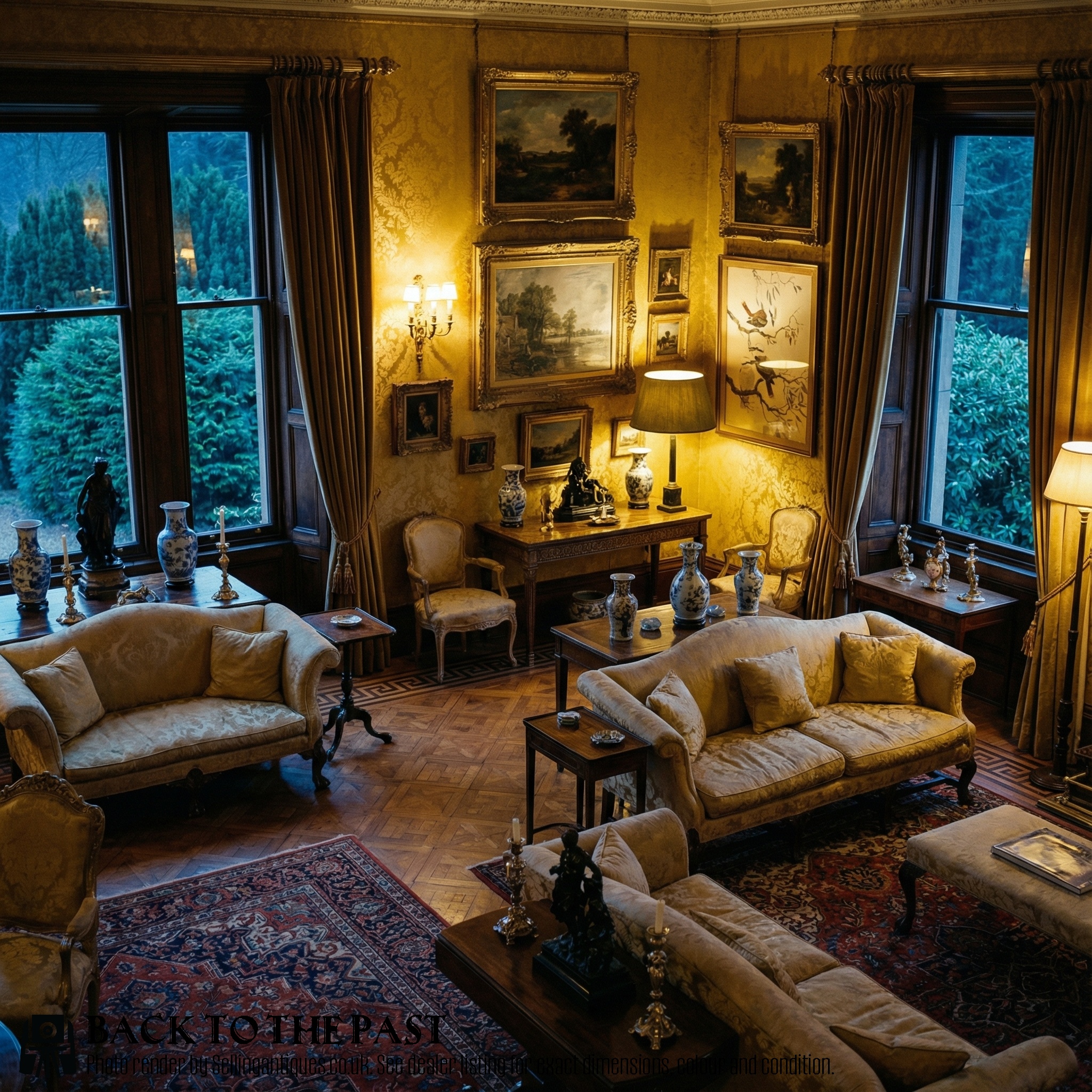
Vintage Bird Artwork
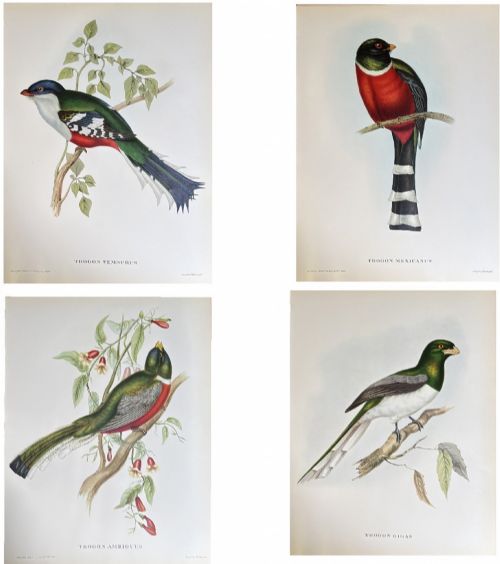
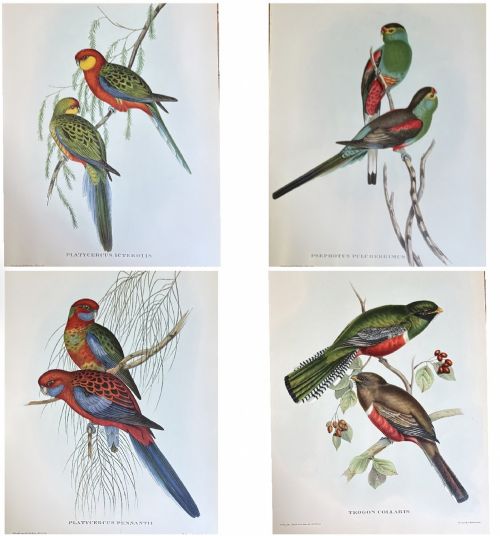
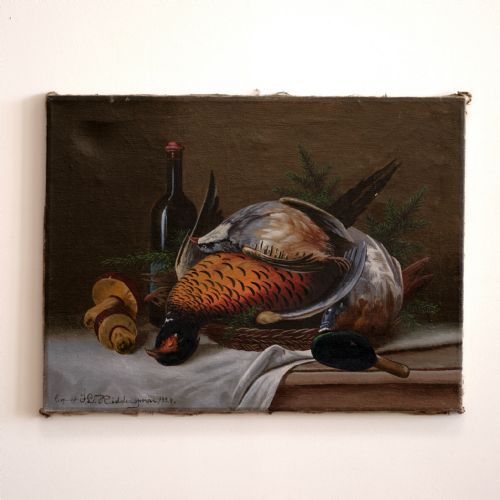
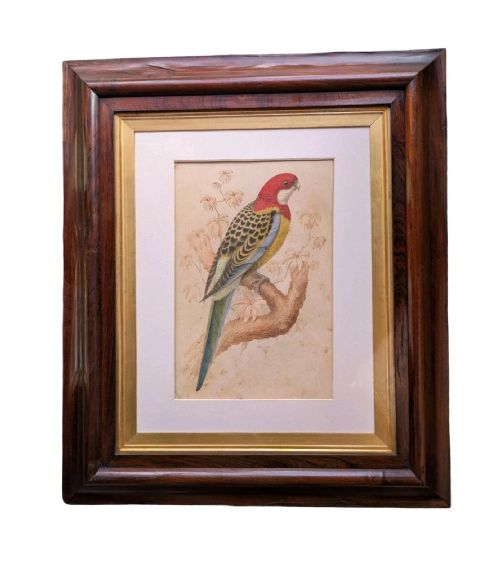
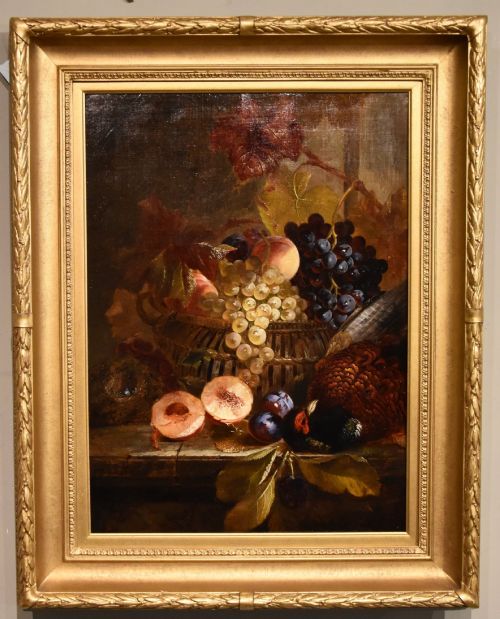
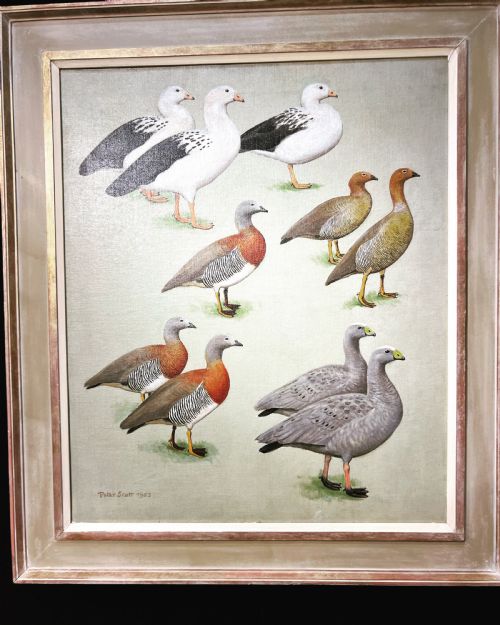
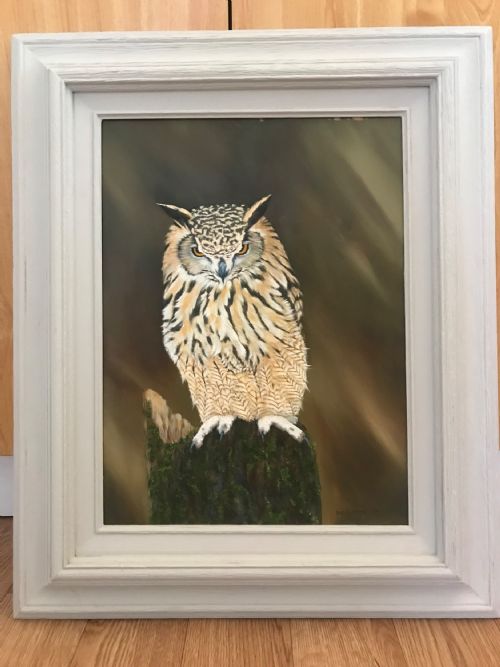
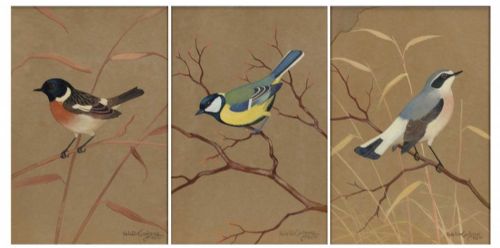
Vintage bird artwork encompasses depictions of avian subjects spanning the nineteenth century through the mid-twentieth century. These pieces appear as framed watercolours, oil paintings on canvas or panel, detailed lithographs, and delicate textile embroideries.
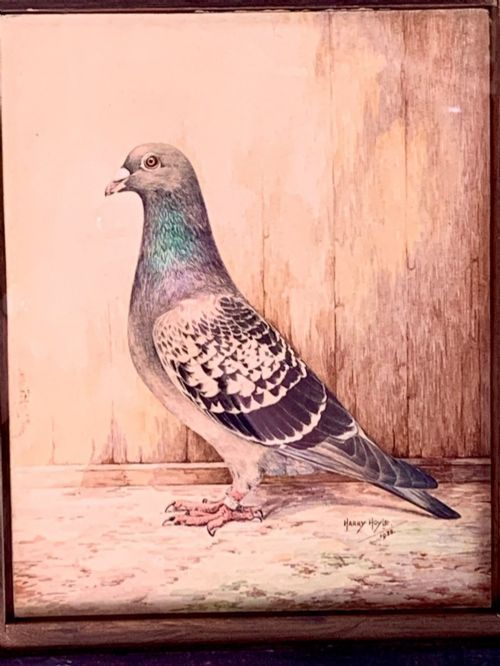
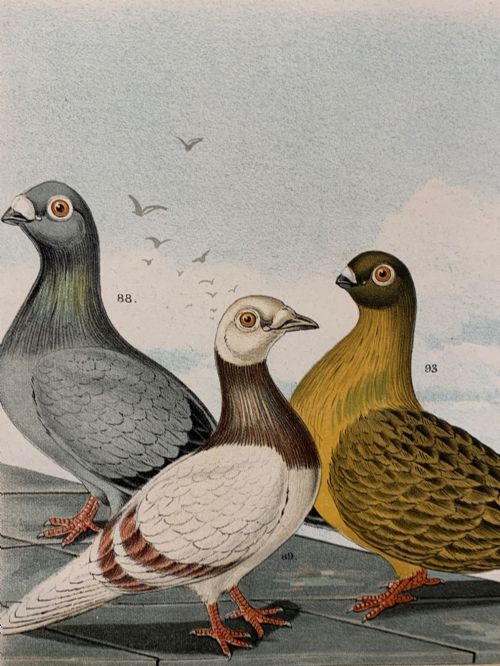
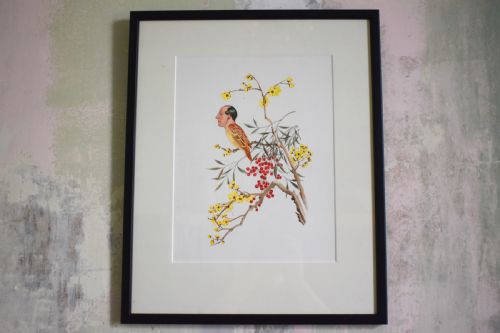
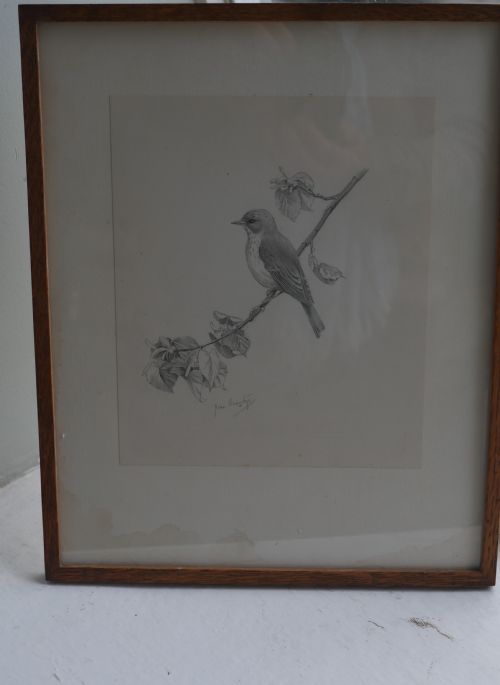
The selections on this page range from scientific natural history illustrations and sporting pigeon portraits to expressive mid-century studies and decorative Asian lacquered panels. Buyers encounter both intimate pencil drawings and large-scale oil paintings depicting native garden birds, tropical parrots, and game fowl.
How they were made
Artists and illustrators of these periods utilised traditional grounds such as paper, stretched canvas, wooden panels, and fine silk. Watercolour washes, dense oil paints, and precise ink or pencil lines built up the feather textures and naturalistic colouration of the subjects.
Many works incorporate handmade frames, including maple wood mouldings, while Asian pieces employ intricate lacquering alongside mother-of-pearl and abalone inlay or gold leaf detailing to render foliage and birds.
Vintage Bird Artwork Retail Price Guide 2026
Typical asking prices for vintage bird artwork among the pieces listed under this phrase on Sellingantiques today, from the lower quarter to the upper quarter. They describe what is for sale here now, not the wider market.
The listings on this page span the nineteenth century, the Edwardian era, and mid-century decades, utilising oil paint, watercolour, canvas, paper, and wood.
What varies in quality
The standard of vintage bird artwork depends upon the direct observation of the subject and the confidence of the hand behind the medium. Skilled painters capture anatomical accuracy and plumage vitality, whereas lesser works rely on stiff repetition and formulaic backgrounds.
Materials also dictate the tier of a piece, separating standard commercial prints from original watercolours, signed artist panels, and textiles with meticulous needlework.
Holley Bros·J Brown·R. Hurst·William Henry Ward·Sir Peter Markham Scott·Ralston Gudgeon·E H Windred·M Simpson·Alken·Henri Joseph Pauwels·Charles F. Tunnicliffe·Leon Kossoff·Boucher·R Lauritsch VI·Auguste Moreau
The Vintage Bird Artwork Glossary
- Lithography
- A planographic printing process utilising stone or metal plates to produce multiple impressions. This technique allowed nineteenth-century natural history plates to achieve wide distribution.
- Watercolour
- A paint consisting of pigment suspended in a water-soluble binder applied to paper. It creates transparent washes well-suited to capturing delicate plumage.
- Chinoiserie
- A European artistic style reflecting Chinese motifs and decorative techniques. It often appears on lacquered panels depicting birds amongst branches.
- Natural history illustration
- Scientific depiction intended to record animal species accurately. These studies combine aesthetic composition with precise anatomical detail.
Vintage Bird Artwork: Frequently Asked Questions
How do I date vintage bird artwork?
Dating relies on examining the framing materials, the paper or canvas support, and any artist signatures or inscriptions on the reverse. Stylistic shifts from Victorian naturalism to mid-century expressionism also help place the piece within its correct era.
Secondary clues include printed publishing details on lithographs or tax stamps on the backing boards. Comparing known signatures of recorded artists further narrows the production window.
Are these works original paintings or prints?
This selection includes both unique hand-painted works and historic printed editions. Listings clearly differentiate between original watercolours or oil paintings and antique lithographs or engravings.
Closer inspection under magnification reveals the brushstrokes of a painting versus the dot matrix or ink transfer lines of a printed plate.
How should I frame and display these pieces?
Display vintage works away from direct sunlight to prevent the fading of watercolours, pigments, and dyed textiles. Acid-free mounting protects paper works from yellowing over time.
Original frames should be preserved where structurally sound, as they add historical context to the artwork.
What subjects are most common in these artworks?
Avian subjects range widely from British garden birds and game fowl such as pheasants to racing pigeons and exotic tropical parrots. Scientific ornithological studies appear alongside artistic interpretations.
Artists frequently placed these birds within natural habitats like marshes, branches, or pastoral landscapes.