

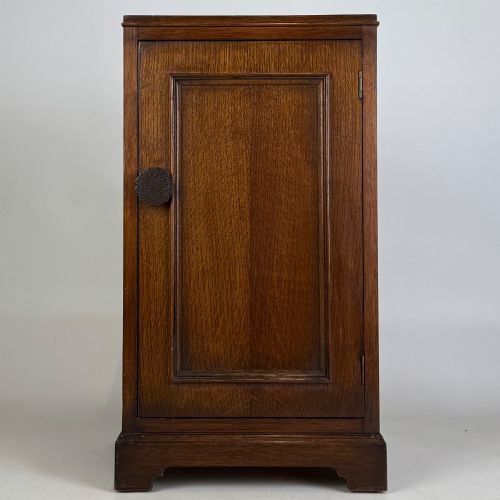
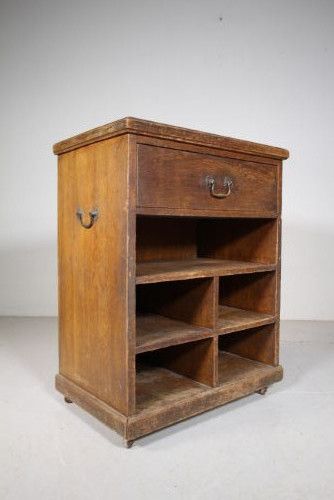
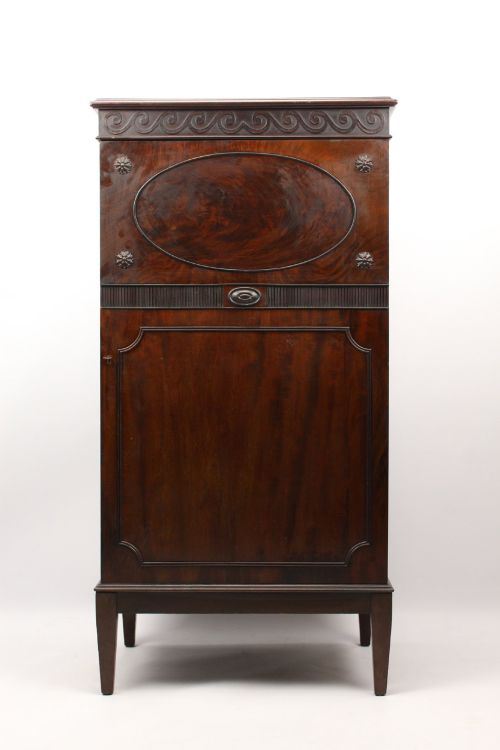
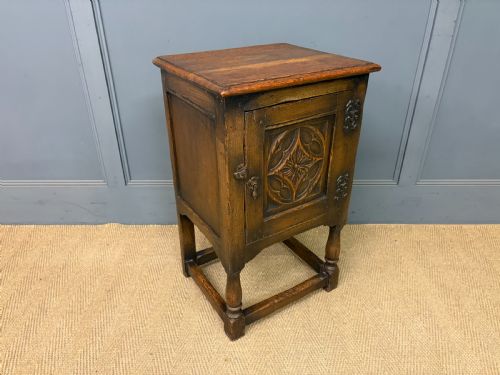
Vintage Bedside Pedestal Cupboard
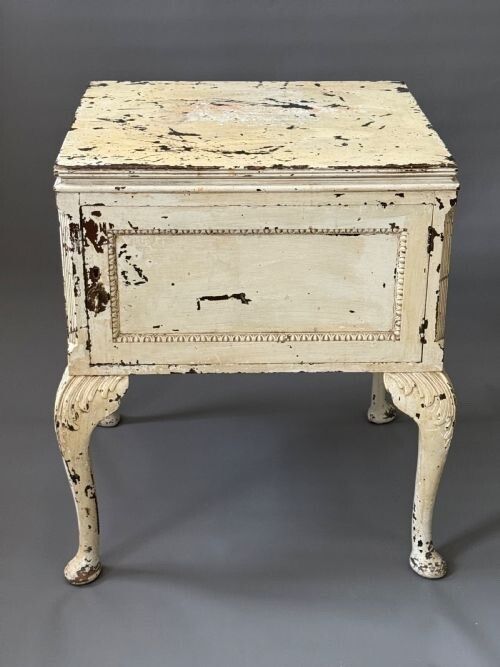
A vintage bedside pedestal cupboard sits quietly by the mattress, holding nocturnal essentials within compact timber frames built across past centuries.
Vintage Bedside Pedestal Cupboard
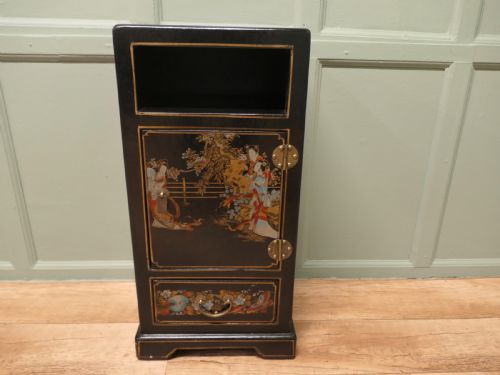
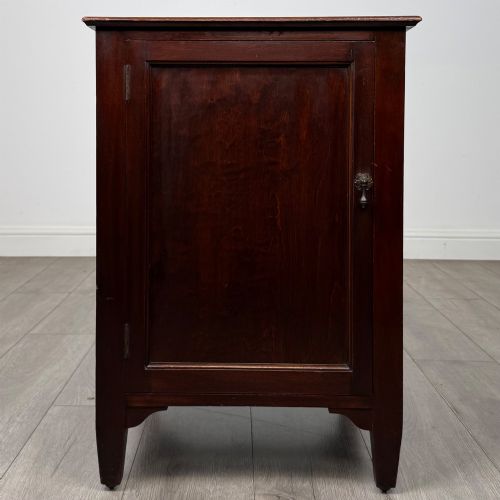
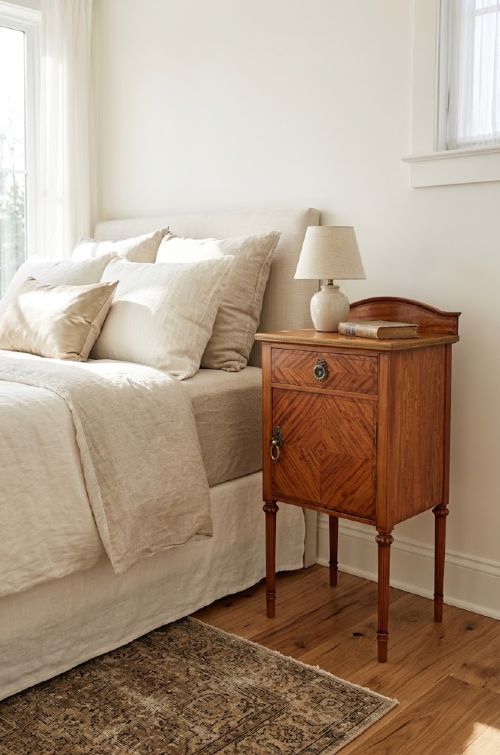
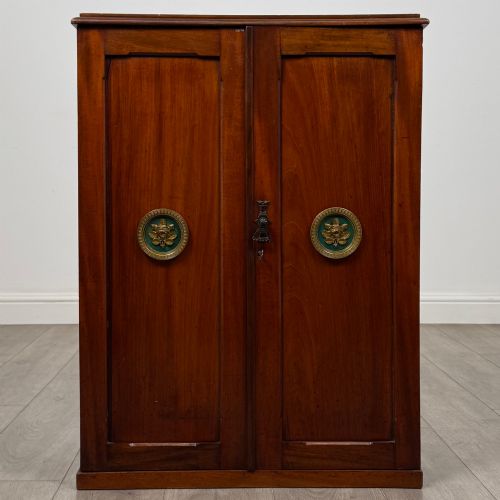
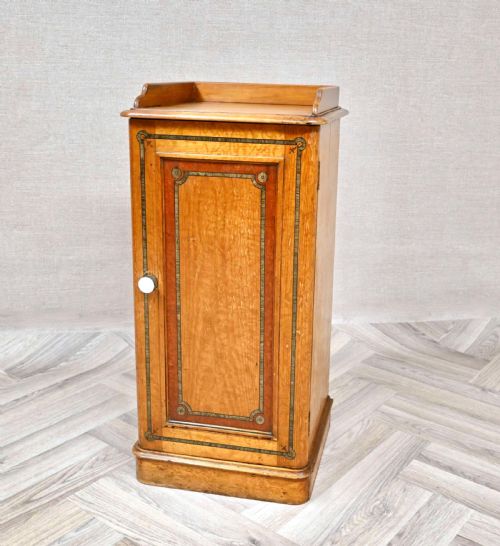
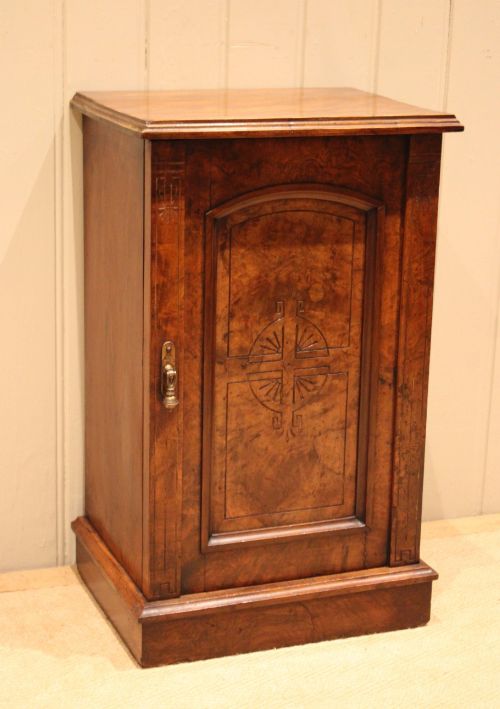
A vintage bedside pedestal cupboard is a compact piece of furniture designed to stand beside a bed, offering enclosed storage alongside a surface for a lamp or glass of water. When searching this phrase, you encounter forms ranging from simple nightstands to taller cabinets built across the nineteenth and twentieth centuries. The most common examples appearing here date from the Edwardian period and the 1930s, often presenting in mahogany, oak, or walnut.
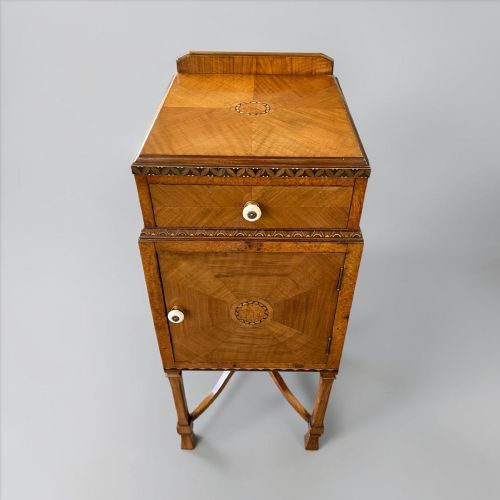
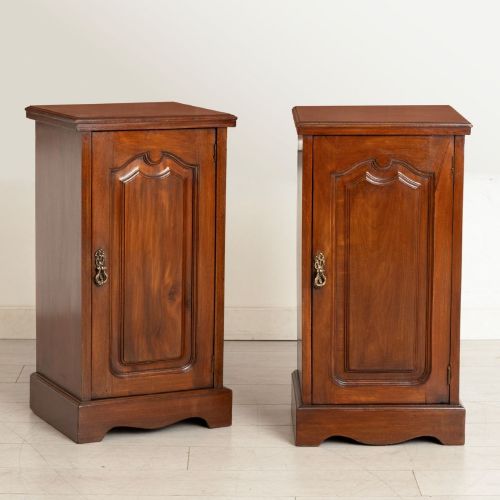
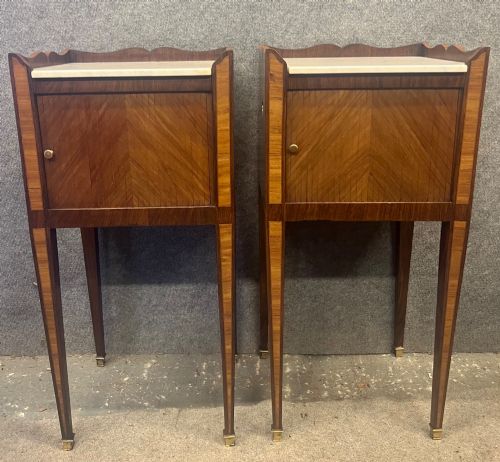
The selection includes single cabinets alongside matched pairs, which suit a symmetrical bedroom arrangement. Styles span straightforward utilitarian designs, Victorian interpretations, and geometric Art Deco shapes. Many incorporate a small internal shelf behind a single panelled or veneered door, while others combine a drawer with a lower cupboard.
Origins vary across English workshops, French makers, and Dutch ateliers, reflecting regional tastes in timber selection and decorative inlay. Pieces from the Georgian era through to mid-century modern interpretations populate the selection, providing options for both traditional and twentieth-century interiors.
Materials and construction
Cabinet makers relied heavily on solid hardwoods like mahogany, oak, and walnut to build the foundational carcasses of these pieces, ensuring durability for daily use. Drawer linings often utilise secondary softwoods, whilst delicate veneers such as burr walnut, satinwood, and fruitwood appear on outer panels to provide decorative grain patterns.
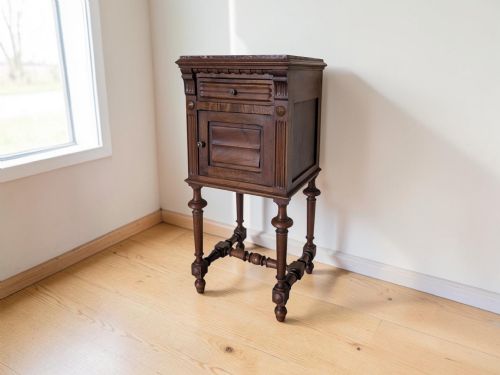
Construction techniques combine traditional dovetail joints in the drawer construction with mortise and tenon frames for the main body. Brass handles, knobs, and hinges provide functional hardware, whilst select French and Victorian examples feature inset marble tops designed to resist moisture and wear.
Some nineteenth-century versions secretly began life storing chamber pots before evolving into refined bedside companions for books and lamps.
Assessing craftsmanship and finish
The distinction between standard examples and finer pieces lies in the selection of timbers and the precision of the joinery. Cabinets featuring highly figured burr walnut or meticulously matched satinwood veneers reflect greater workshop effort than plain stained oak variants.
Hardware choice and interior finishing also indicate quality. Original brass fittings, smooth-running drawers, and well-fitted doors that close true demonstrate superior initial manufacture and careful subsequent preservation.
Denby & Spinks·Walter Carter Harrods·Morant & Co. London
The Vintage Bedside Pedestal Cupboard Glossary
- Pedestal cupboard
- A freestanding, upright cabinet featuring a single door enclosing a vertical storage space. These units provide a tall profile that occupies minimal floor space.
- Veneer
- A thin layer of decorative wood applied to a sturdier underlying timber base. This technique allows cabinet makers to display dramatic grain patterns without using solid scarce woods.
- Pot cupboard
- A traditional name for a bedside cabinet originally built to house a chamber pot. They frequently combine an enclosed lower section with a small upper drawer.
- Inlay
- A decorative technique where contrasting woods or metals are inserted into recessed portions of the wood surface. Edwardian and Georgian pieces often display fine line inlay.
- Dovetail joint
- An interlocking wood joint formed by interlocking wedge-shaped fingers. This method secures drawer corners against the pull of daily use.
Vintage Bedside Pedestal Cupboard: Frequently Asked Questions
Are these cabinets sold as single pieces or pairs?
The selection includes both individual cabinets and matched pairs, which are particularly sought after for placing on either side of a double bed.
Single pieces often originate from earlier nineteenth-century periods when matching bedroom furniture sets were less common.
How do I date an Edwardian bedside cabinet?
Edwardian pieces generally date from between 1901 and 1910, often displaying lighter satinwood or inlaid mahogany timbers influenced by Sheraton Revival styles.
Construction markers like machine-sawn timber elements combined with traditional hand-finishing help confirm this early twentieth-century window.
Can I use an Art Deco bedside table with modern decor?
Art Deco bedside tables from the 1930s introduce clean geometric lines and rich walnut veneers that complement contemporary minimalist interiors.
Their restrained ornamentation allows them to function as sculptural accent pieces alongside modern beds.