
Vintage Bedside Light
A vintage bedside light provides focused illumination and character to a bedroom, bringing period materials and decorative forms close to the pillow.
Vintage Bedside Light
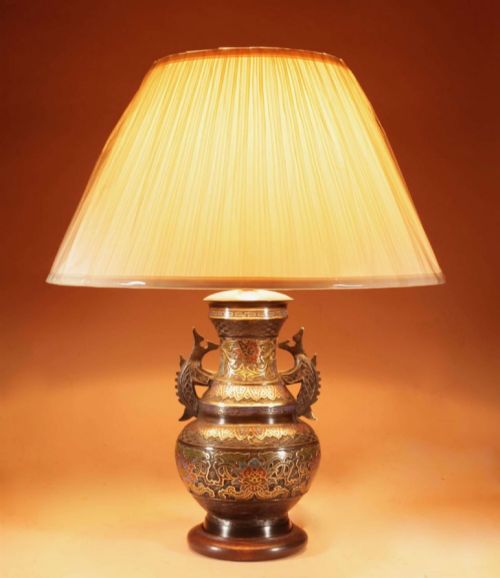
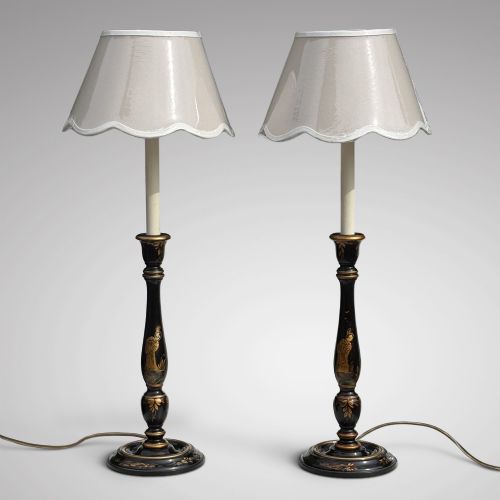
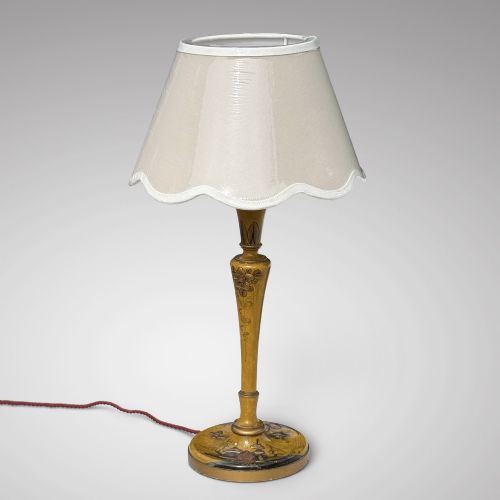
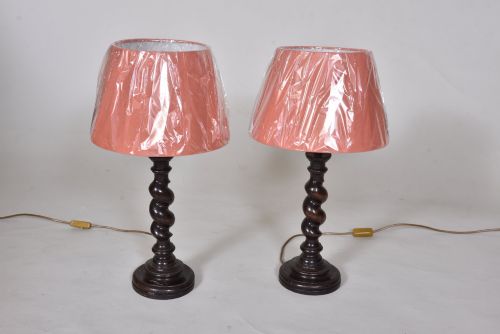
When searching for a vintage bedside light, collectors encounter table lamps, lamp bases, and occasional bedside tables adapted for illumination, spanning the Victorian, Edwardian, and Art Deco periods. Brass and bronze column designs, ceramic bodies, and carved wooden forms dominate the available selections.
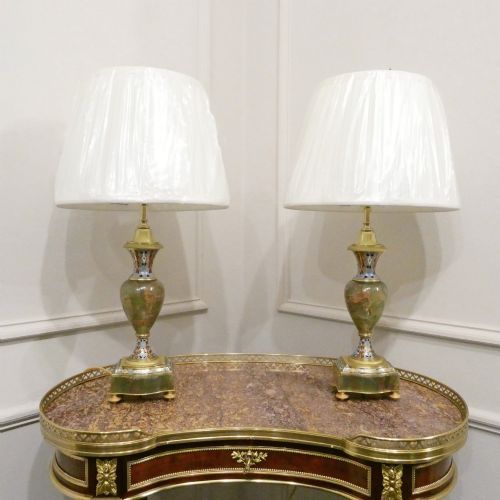
The most common configurations include pairs of matched metal candlesticks converted to electricity, alongside decorative porcelain, glass, and lacquered wood pieces from the early twentieth century. These objects bridge utilitarian lighting and decorative arts, reflecting the interior tastes of past decades.
Materials and construction methods
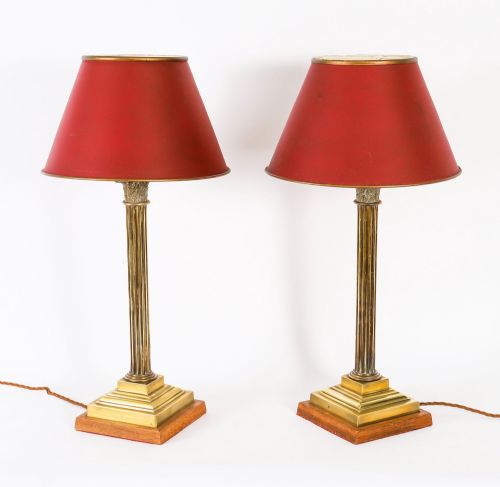
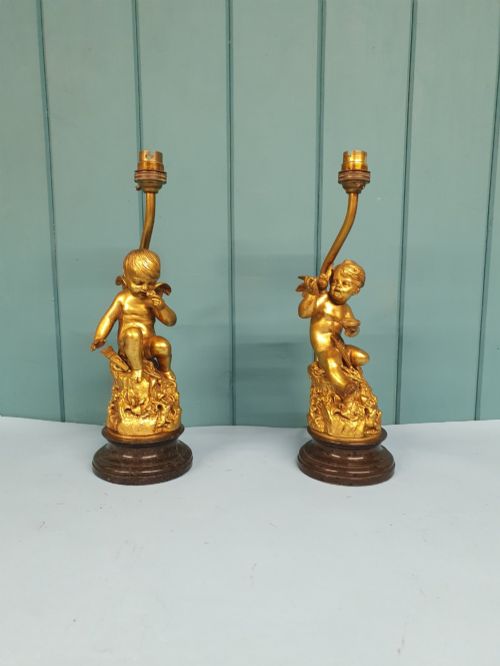
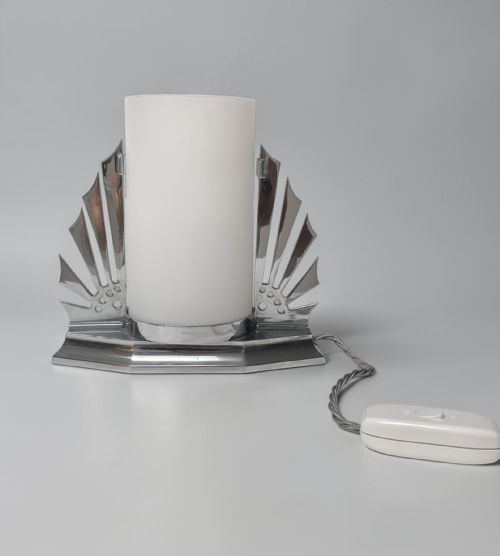
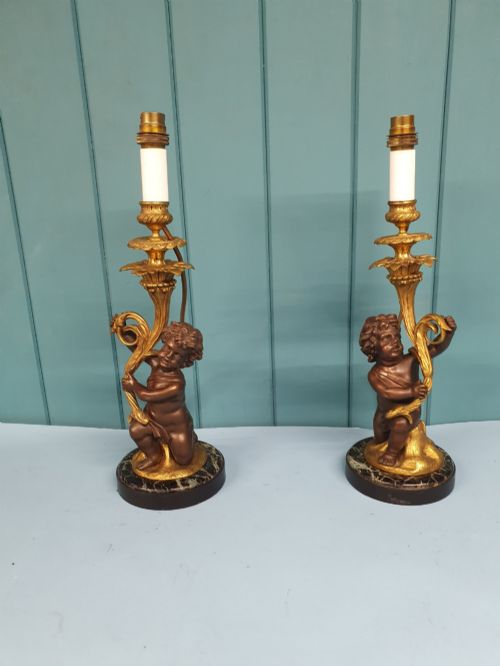
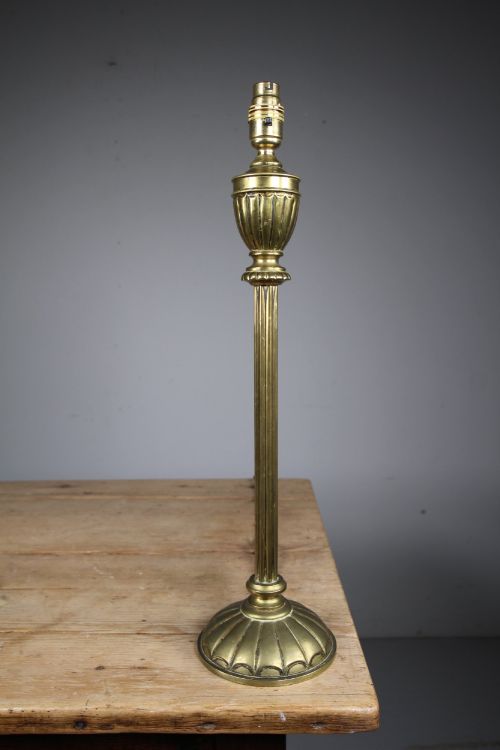
Metal components rely on cast brass, silver plating, and gilt bronze, often shaped into classical columns, figural cherubs, or geometric Art Deco profiles. Turning and casting techniques define the structural integrity of these metal bases.
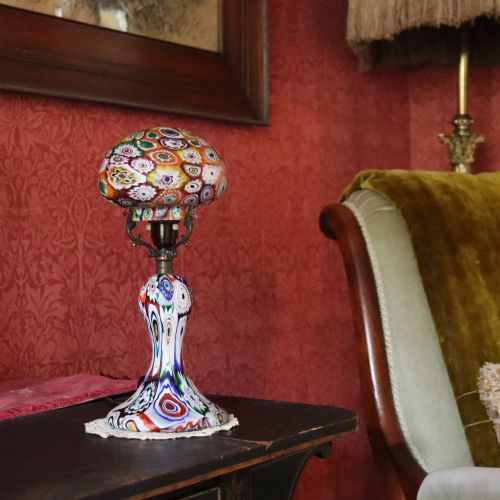
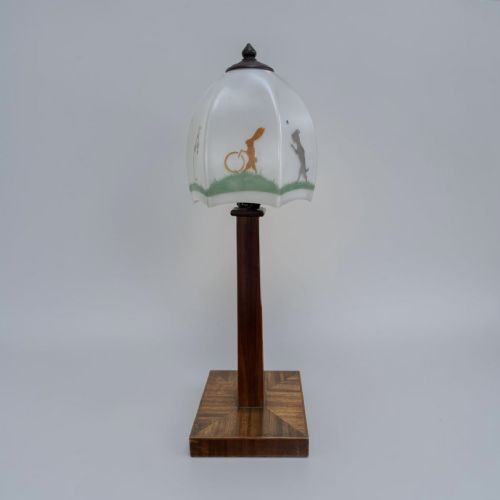
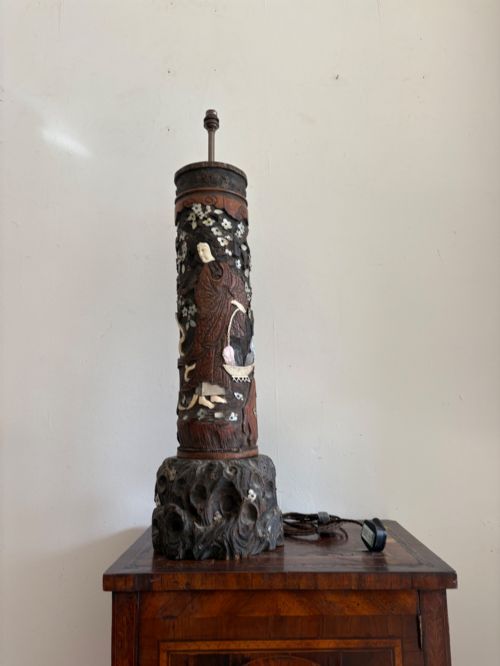
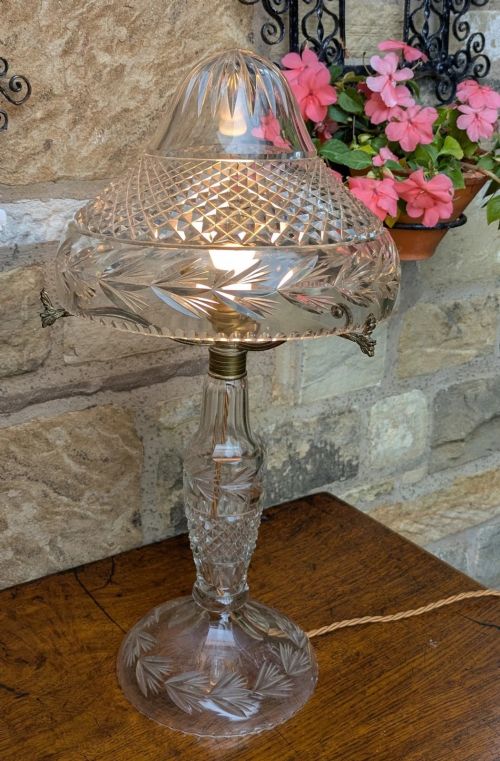
Organic and ceramic elements utilise carved oak and ash, hand-painted porcelain, cut crystal, and layered glass such as Murano millefiori or amber shades paired with fabric. Artisans applied lacquers, gilding, and intricate hand-painting to finish the surfaces.
Vintage Bedside Light Retail Price Guide 2026
Typical asking prices for vintage bedside light among the pieces listed under this phrase on Sellingantiques today, from the lower quarter to the upper quarter. They describe what is for sale here now, not the wider market.
Current listings feature pieces spanning the 19th century, Victorian, Edwardian, and Art Deco periods, utilising brass, marble, oak, and glass.
Assessing quality and craftsmanship
Quality rests in the crispness of the casting detail on brass and bronze elements, where sharp relief and clean chasing distinguish superior metalwork from softer, later reproductions. Hand-painted surfaces and delicate ceramic glazes demonstrate the artisan's individual skill.
The integrity of the original materials, whether dense hardwoods, heavy cut crystal, or genuine period glass, dictates the durability and visual weight of the piece. Proportion and balance in column and figural lamps separate standard utilitarian lighting from high decorative design.
Fratelli Toso·E Rousseau
The Vintage Bedside Light Glossary
- Corinthian column
- A classical architectural order featuring ornate capitals decorated with acanthus leaves, frequently adapted into tall nineteenth-century brass lamp bases.
- Champleve
- An enamelling technique where recessed areas are gouged out of a metal surface and filled with vitreous enamel before firing.
- Pate sur pate
- A ceramic decorating method where raised designs are built up in white slip on a contrasting coloured porcelain body.
- Millefiori
- A glasswork technique producing distinctive patterned mosaic canes, often associated with Murano glass production.
Vintage Bedside Light: Frequently Asked Questions
Are these lamps safe to use today?
Many older lamps have been rewired by dealers to meet modern safety standards, while others retain their original historical wiring.
Buyers should consult a qualified electrician to inspect vintage fixtures before regular daily use.
How do I choose the right shade?
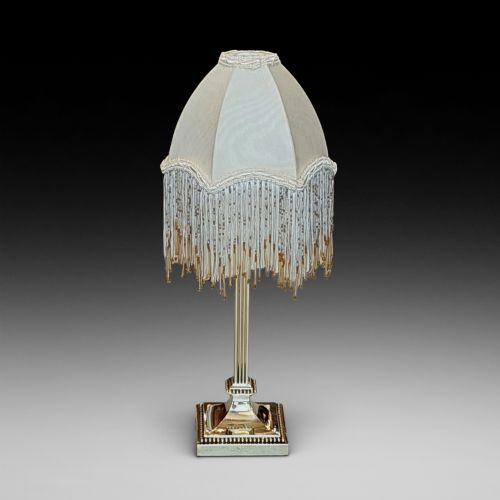
Selecting a shade depends on the proportions of the base and the material of the lamp, with silk and fabric shades offering a soft diffused glow.
Matching the shade style to the period of the base helps maintain historical harmony in the room.
Can I find matched pairs easily?
The inventory frequently includes matched pairs of brass columns, ceramic vases, and metal figural lamps originally designed for balanced placement.
Pairs offer symmetry on bedside tables, though single statement lamps provide a strong focal point.
What periods are represented most often?
The selection spans from the nineteenth century through the Edwardian era and into the Art Deco period of the 1920s and 1930s.
Victorian and Edwardian pieces lean towards classical revival styles, while 1930s examples embrace geometric modernism.