



Vintage Bedroom Vanity Desk
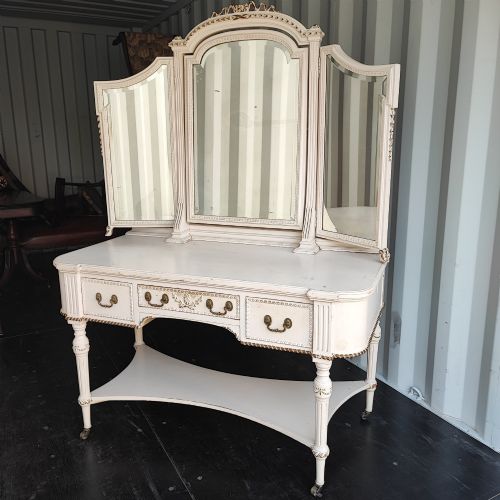
These vintage bedroom vanity desk pieces offer character and practical surface space, making them a charming addition to period rooms.
Vintage Bedroom Vanity Desk
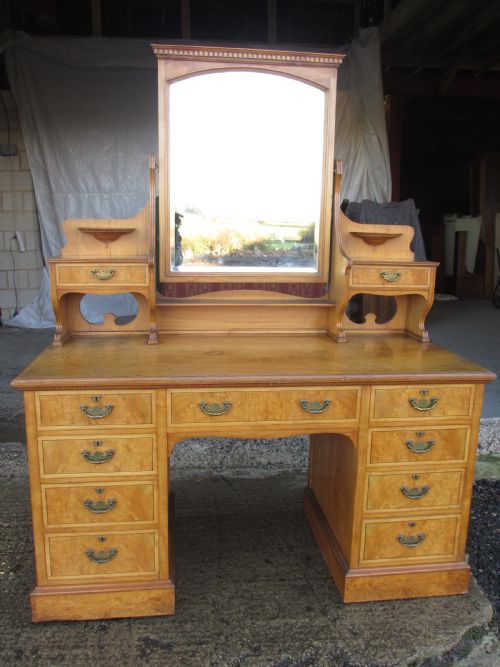
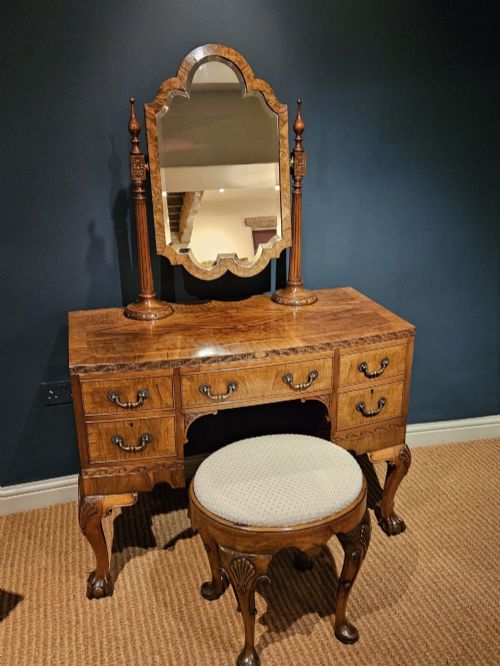
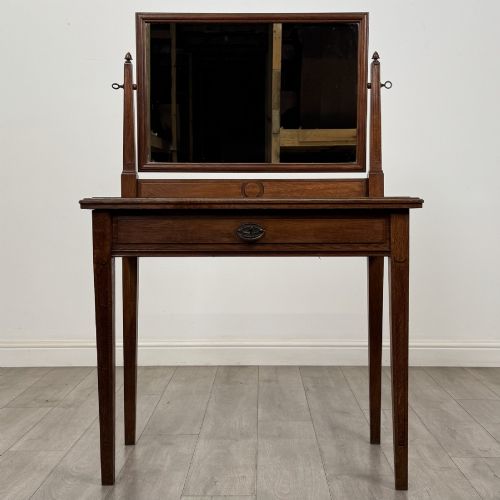
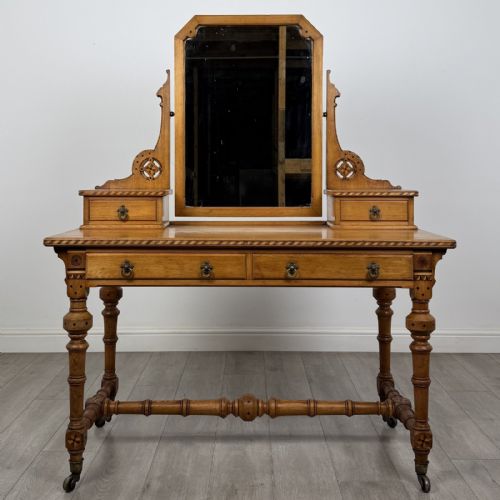
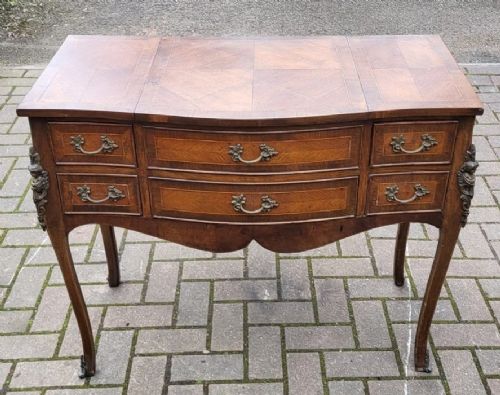
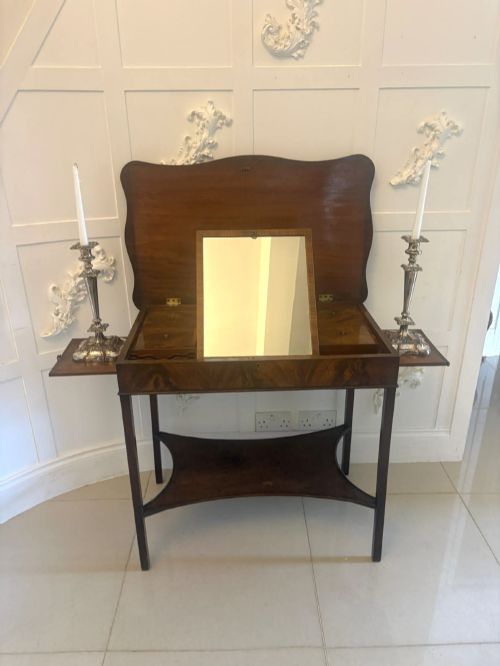
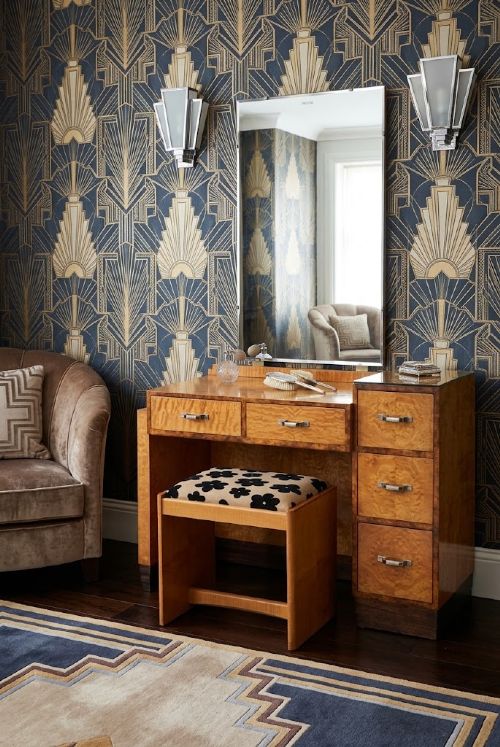
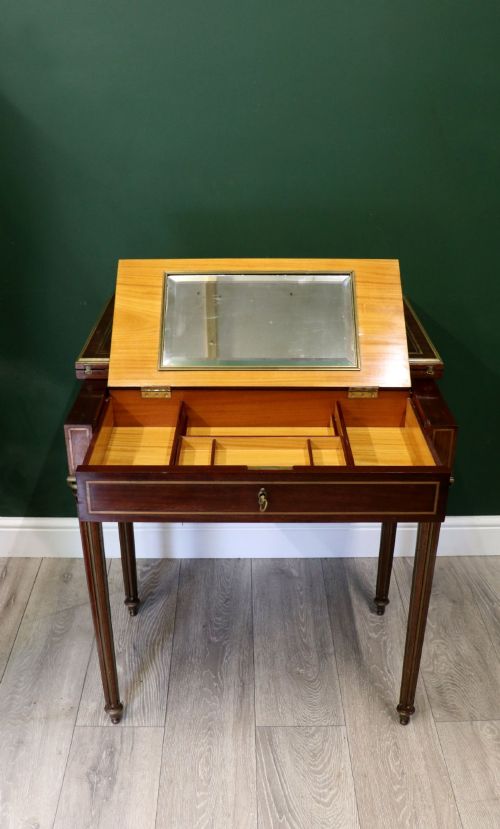
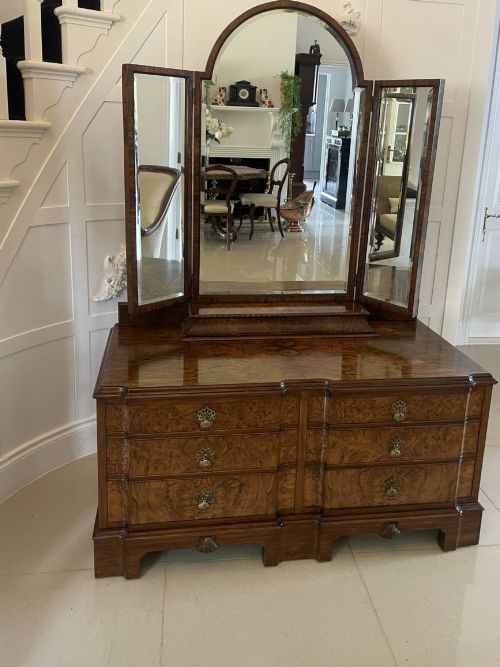
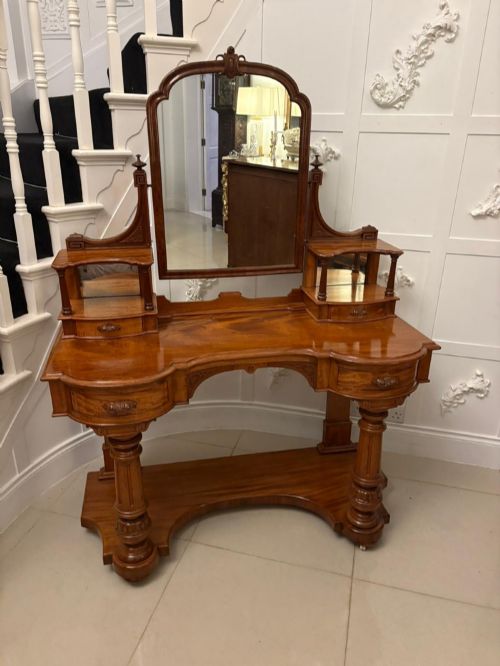
A vintage bedroom vanity desk is primarily represented on this page by dressing tables, dressing chests, and washstands originating from periods such as the Victorian era, the Edwardian period, and the 1930s. Buyers searching this phrase typically encounter mahogany, burr walnut, and oak forms that often incorporate mirrors, drawers, and matching seating.
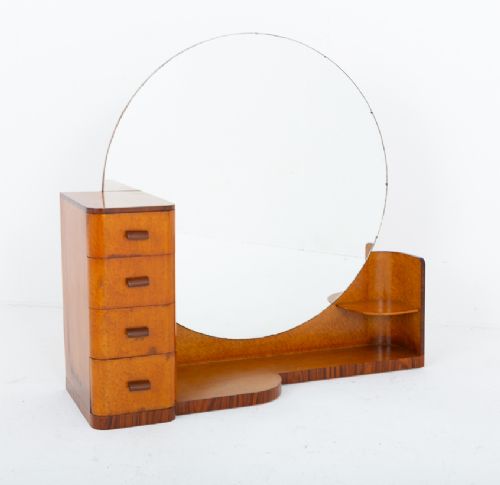
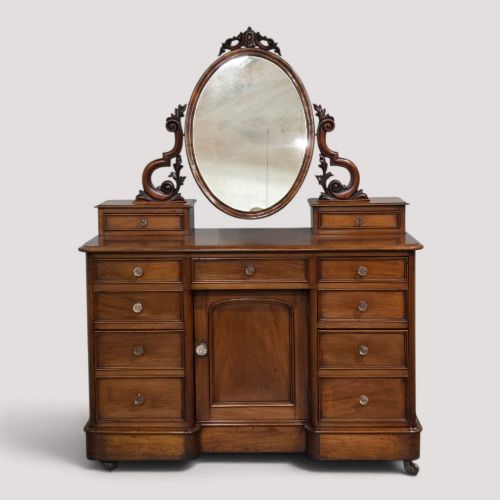
The selection ranges from elaborate 19th Century carved mahogany pedestal designs to clean-lined Art Deco maple and satinwood pieces. Many examples integrate practical compartments, while associated chairs and stools provide complementary seating options across various historical styles.
Materials and construction
Cabinet makers utilised solid and veneered timbers including mahogany, oak, walnut, and satinwood, frequently highlighting the natural grain through polished finishes. Decorative touches involved marquetry inlay, brass hardware, and glass mirrors.
Construction techniques combine traditional joinery for drawer construction with carved details or geometric Art Deco veneering. Stools and chairs associated with these pieces utilise timber frames combined with various fabrics.
Vintage Bedroom Vanity Desk Retail Price Guide 2026
Typical asking prices for vintage bedroom vanity desk among the pieces listed under this phrase on Sellingantiques today, from the lower quarter to the upper quarter. They describe what is for sale here now, not the wider market.
Distinctions in quality
Quality varies through the choice of timber veneers, such as figured or burr walnut and maple, and the crispness of carved details or marquetry inlay. Finer examples display meticulous attention to drawer linings and original hardware.
The structural integrity of the timber frame and the clarity of integrated or adjustable mirrors further separate standard production pieces from higher quality cabinet work produced by notable makers.
Heals·Bath Cabinet Makers·Shapland and Petter·Harry and Lou Epstein·Edwards & Roberts
The Vintage Bedroom Vanity Desk Glossary
- Pedestal dressing table
- A vanity desk featuring twin banks of drawers supporting the main surface and mirror. This layout offers generous storage alongside the central writing or grooming area.
- Burr walnut
- A prized timber veneer sourced from the root growths of walnut trees. It displays swirling, organic patterns that make each furniture surface unique.
- Marquetry inlay
- Decorative patterns formed by fitting contrasting pieces of wood veneer into a primary background. This technique demands high skill from the cabinet maker.
- Washstand
- A traditional precursor to the modern vanity, designed to hold a basin and pitcher. These pieces often feature marble tops or tiled backs.
- Slipper chair
- A low-seated bedroom chair traditionally used while putting on shoes or sitting at a dressing table. They typically feature compact upholstered frames.
Vintage Bedroom Vanity Desk: Frequently Asked Questions
What periods do these pieces date from?
The selection spans the nineteenth century through to the 1930s. This covers Victorian, Edwardian, and Art Deco eras.
Each period brings distinct timber choices and decorative styles, ranging from heavy carved mahogany to streamlined maple.
Do vanity desks usually come with mirrors?
Many dressing tables and chests include attached or adjustable mirrors, such as triple mirror arrangements or shield mirrors. Some pieces were designed purely as desks without mirrors.
Original mirrors often retain their historic glass plates, which contribute to the authenticity of the piece.
Are matching chairs available?
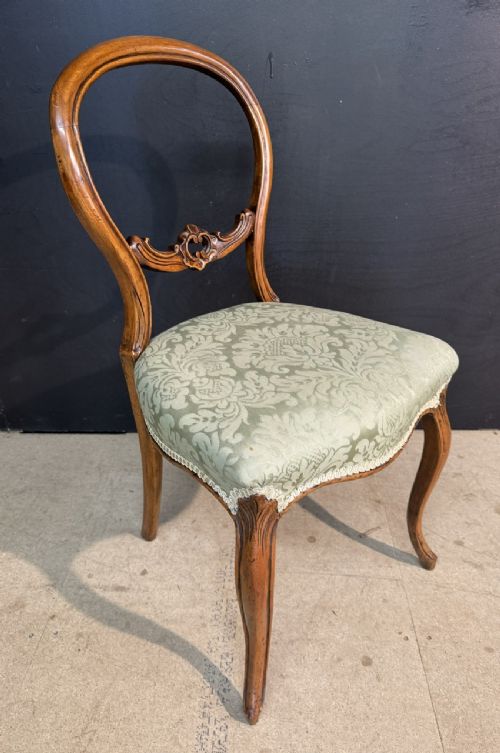
Several listings include companion seating such as vanity chairs, slipper chairs, and stools. These often match the primary timber and style of the dressing table.
Finding a complete matched set offers a cohesive look for a bedroom interior.
How do I identify Art Deco vanity desks?
Art Deco pieces from the 1930s typically feature geometric silhouettes, symmetrical burr walnut or maple veneers, and minimal carving. Makers like Heals and the Epstein brothers championed these modern lines.
They often prioritise smooth polished surfaces and streamlined proportions over traditional ornamentation.