
Vintage Bedroom Dressing Table
A vintage bedroom dressing table gathers glass, brass and timber to organise the morning routine with character.
Vintage Bedroom Dressing Table
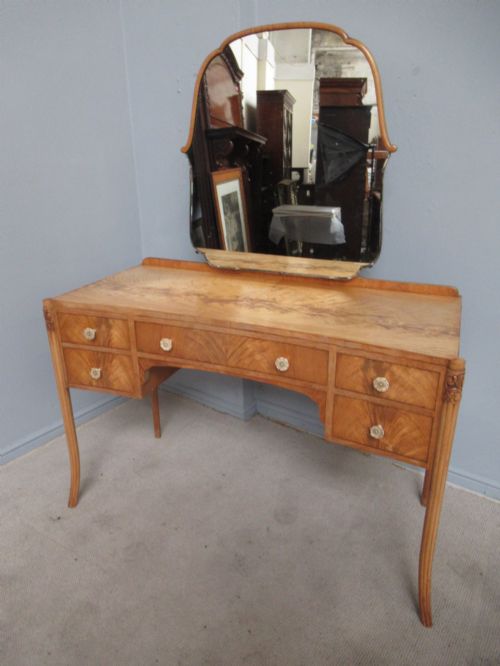
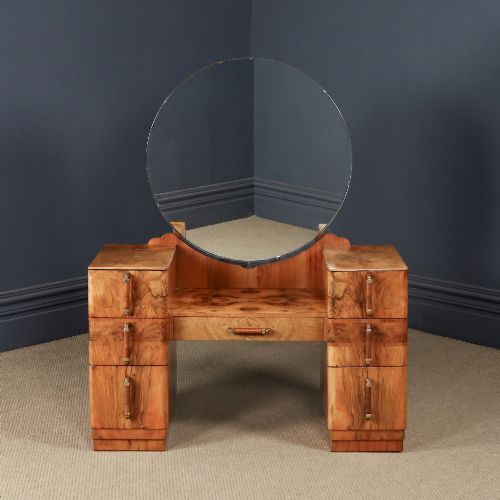
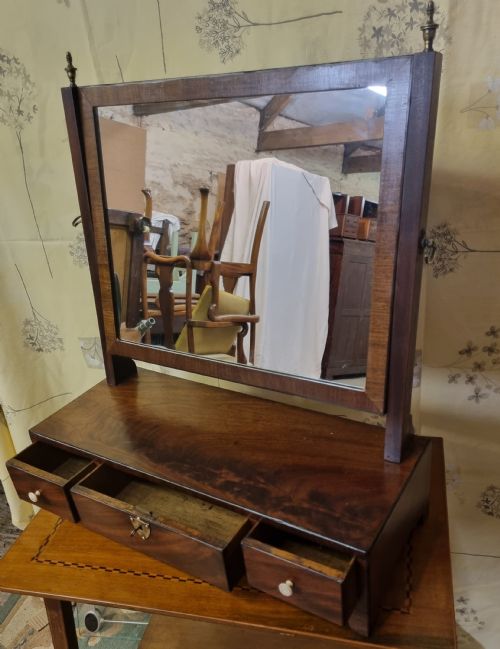
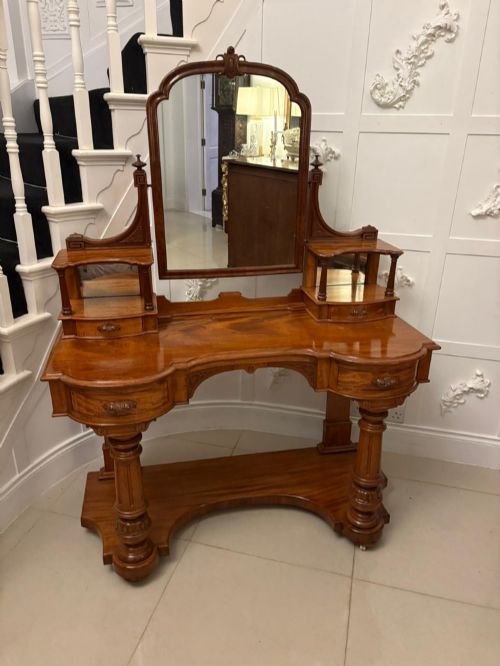
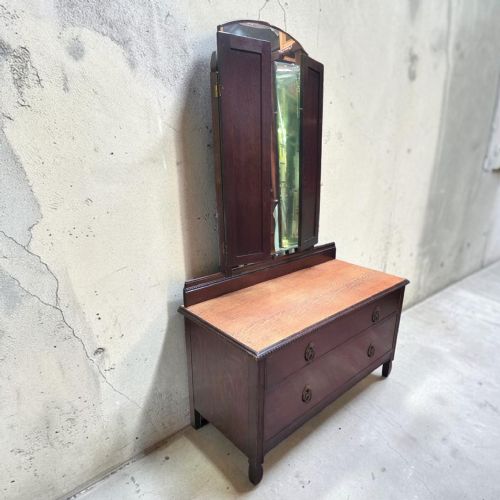
A vintage bedroom dressing table is a dedicated piece of furniture designed for grooming, housing mirrors, drawers and accompanying seating such as stools or chairs. The pieces found here span multiple periods, ranging from Georgian and Victorian designs through to Edwardian craftsmanship and Art Deco creations from the 1920s and 1930s.
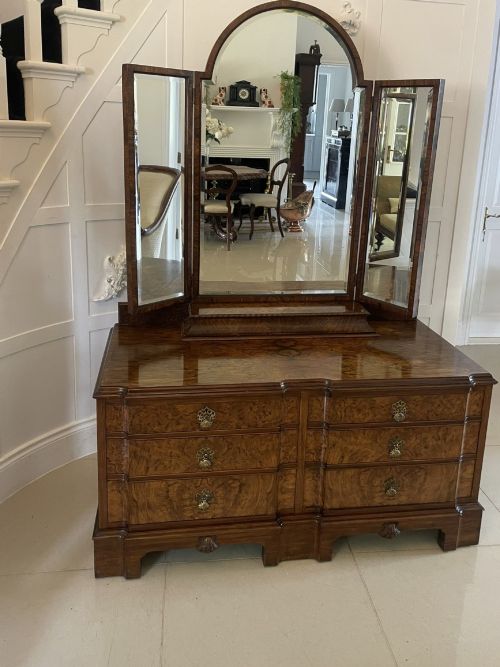
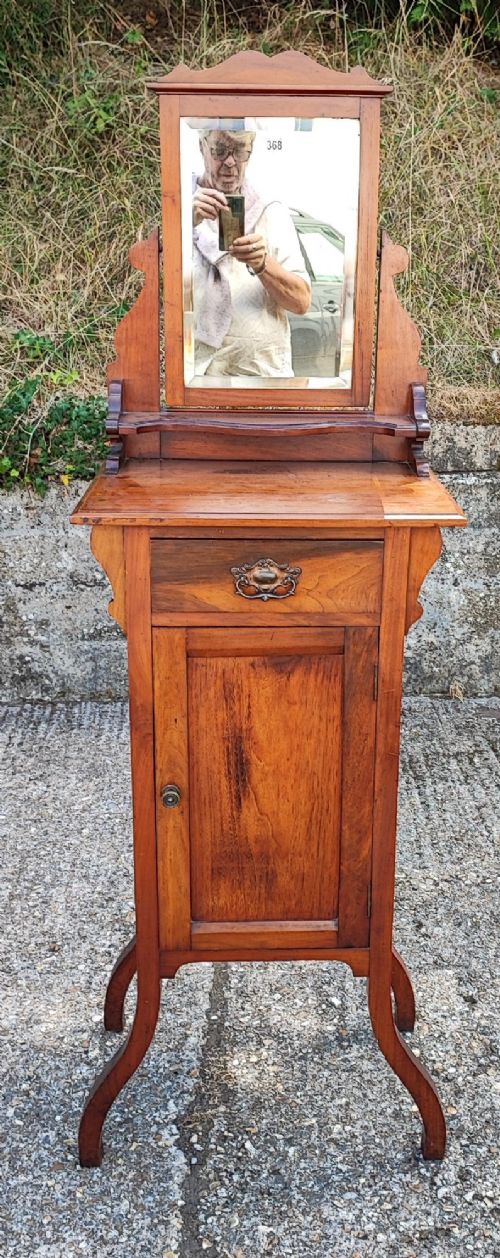
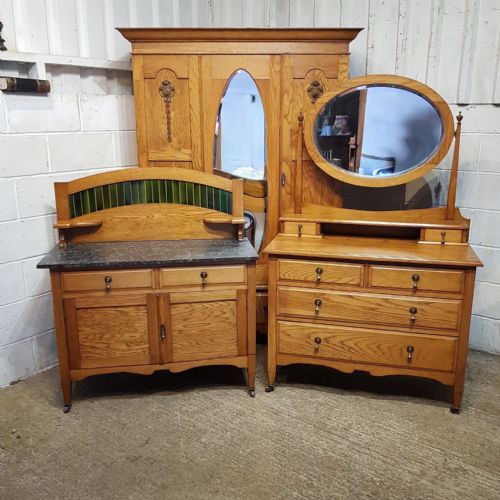
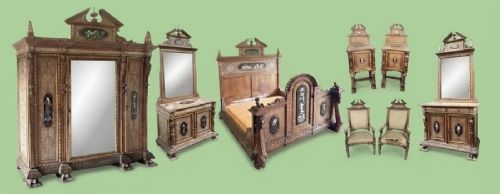
Buyers will encounter various forms, including pedestal vanity tables, dressing chests with triple or shield mirrors, standing dressing tables, and washstands. Many items appear as part of larger bedroom furniture suites alongside wardrobes, while others stand alone as individual focal points.
The materials reflect the prevailing tastes of their respective decades, utilising solid timbers and decorative veneers to create practical surfaces for daily use. Each example carries the functional design choices of its era, combining storage compartments with integrated glass mirrors.
How they were made
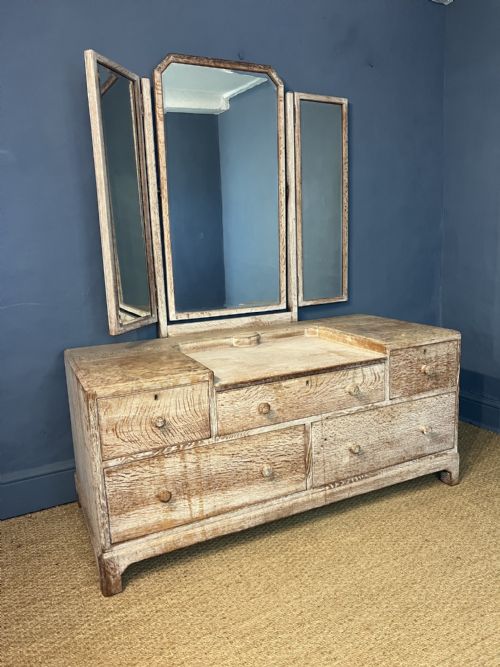
Cabinet makers utilised a selection of native and exotic timbers, most notably mahogany, oak, walnut and burr walnut, alongside maple and sycamore. These woods were chosen for their durability and grain patterns, often enhanced through polished finishes or liming techniques.
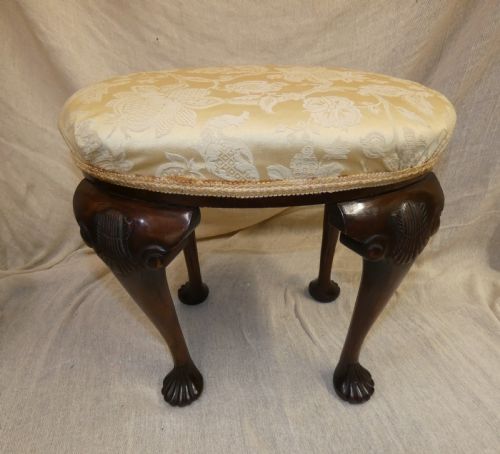
Constructive details involve traditional joinery methods paired with functional hardware such as brass handles and hinges. Mirrors, including triple and adjustable shield configurations, are framed in matching timber or ebonised wood, while accompanying stools incorporate fabric upholstery and carved legs.
Materials recorded across the inventory include mahogany, oak, walnut, burr walnut, maple, sycamore, brass, and mirror glass.
What varies in quality
Quality separates standard production items from pieces produced by notable makers or specialised workshops, visible in the selection of figured veneers and the precision of the joinery. The intricacy of carved details, such as scroll-carved backs on chairs or serpentine fronts on tables, marks out superior execution.
The preservation of original elements, including glass mirror plates, brass fittings and maker labels, influences the character of the piece. Finer examples maintain their original painted surfaces, polished finishes and matching components within larger bedroom suites.
Heal And Sons·Waring And Gillows·Frank Taylor And Co·Lamb Of Manchester·Maples Of London
The Vintage Bedroom Dressing Table Glossary
- Pedestal dressing table
- A vanity table featuring banks of drawers on either side of a central kneehole space. This form became popular during the Art Deco period.
- Triplate dressing table
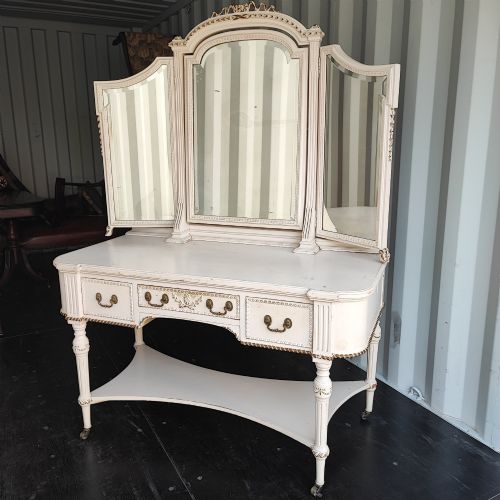
- A mirror arrangement consisting of three panels hinged together to allow adjustable angles of reflection. It is frequently seen on Edwardian and 1930s pieces.
- Washstand
- A precursor or companion to the dressing table designed to hold a basin and jug for washing before running water was common in bedrooms. These often incorporate marble tops or tiled splashbacks.
- Compactum wardrobe
- A large fitted wardrobe combining hanging space, shelves and internal drawers, often found paired with a dressing table in bedroom suites.
- Limed oak
- A wood finishing technique that leaves a white or pale pigment in the grain pores of oak. This treatment was utilised by makers such as Heal's during the 1930s.
Vintage Bedroom Dressing Table: Frequently Asked Questions
What is a vintage bedroom dressing table?
A vintage bedroom dressing table is a functional furniture piece designed for personal grooming, typically featuring integrated drawers for storage and a mounted mirror.
These pieces reflect the design styles of periods such as the Victorian era, Edwardian period and Art Deco movement, utilising timbers like mahogany, oak and burr walnut.
How do I date a dressing table?
Dating relies on identifying stylistic markers, construction methods, and materials characteristic of specific eras. Victorian examples often feature heavy carved mahogany, while 1930s pieces showcase streamlined Art Deco veneers.
Makers' labels, stamps from retailers like Harrods, and specific hardware styles also provide clear indications of a piece's age and origin.
Are mirrors original to the table?
Many dressing tables retain their original mirror glass and supporting wooden frames, which show consistent wear and ageing alongside the base furniture.
Adjustable shield mirrors and triple mirror configurations are typical of Edwardian and Art Deco designs, though replacement plates do occur in older pieces.
Do dressing tables come with stools?
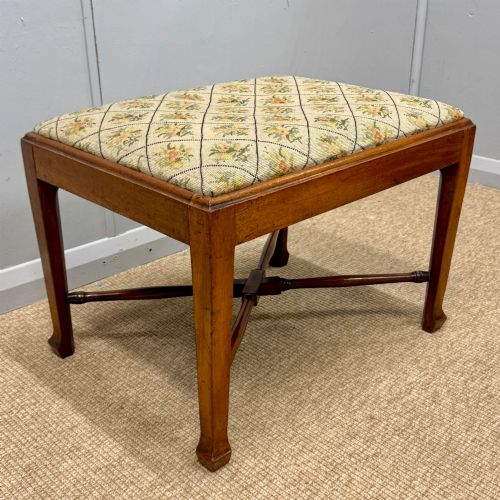
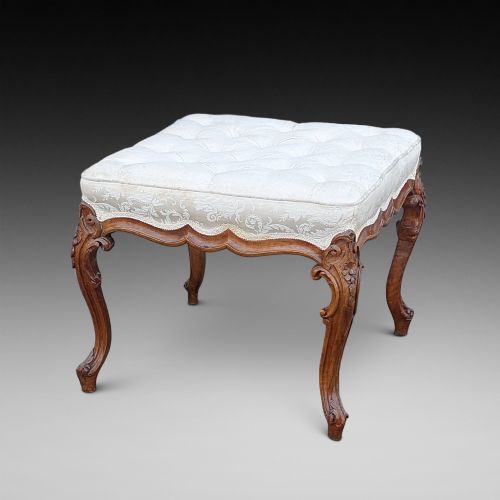
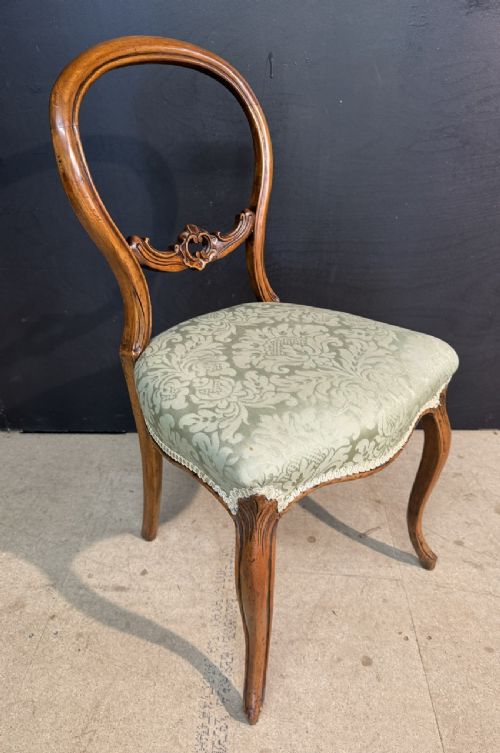
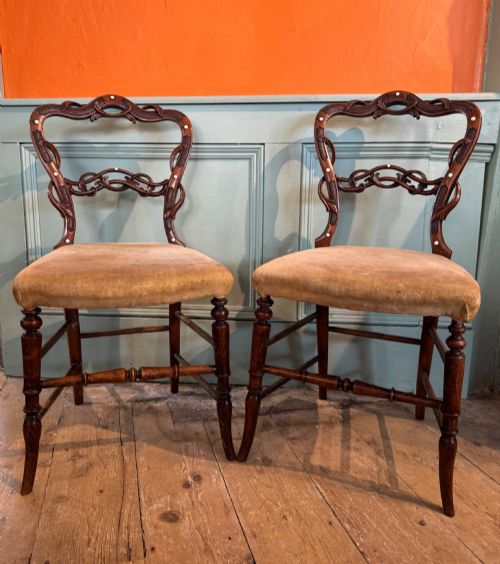
Some listings include matching dressing stools or vanity chairs featuring cabriole legs, twisted rope supports, or upholstered fabric tops.
These seating elements were often manufactured alongside the dressing table as part of a coordinated bedroom suite or added as a complementary piece.