

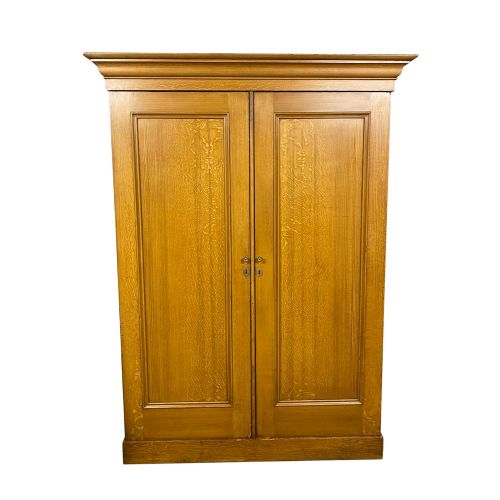
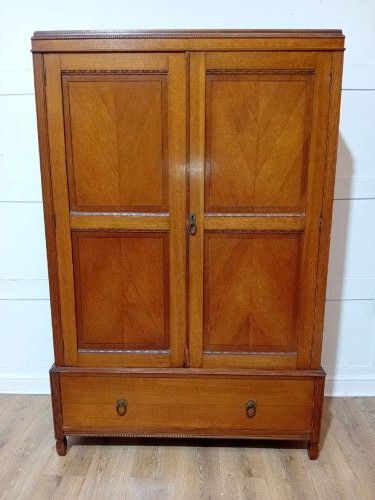

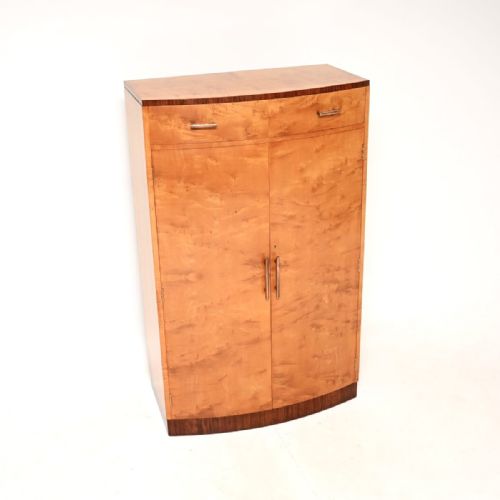
Vintage Bedroom Compactum
A vintage bedroom compactum combines wardrobe hanging space and drawer storage in a single piece, offering fitted bedroom organisation.
Vintage Bedroom Compactum
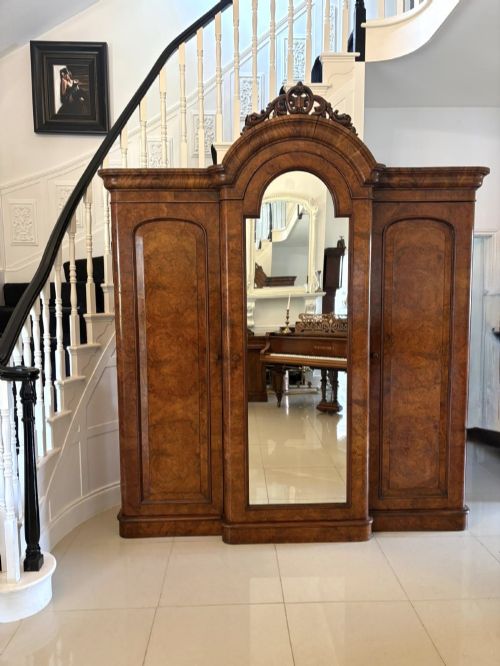
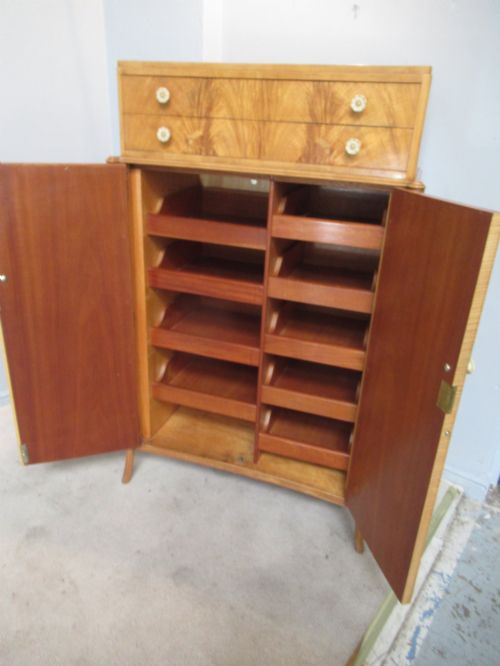
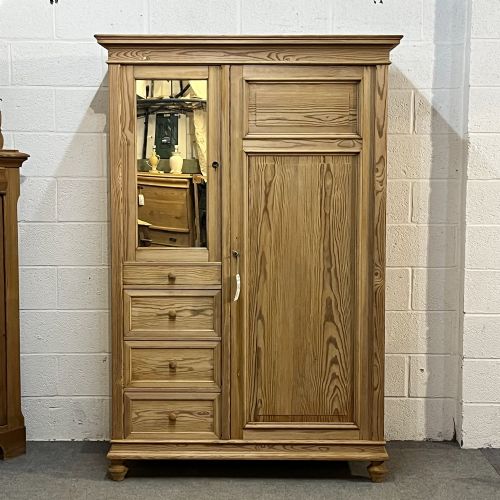
A vintage bedroom compactum brings together multiple storage compartments, combining hanging space with drawers and shelving within one carcass. These pieces originate from various periods including Victorian, Edwardian, and the 1930s.
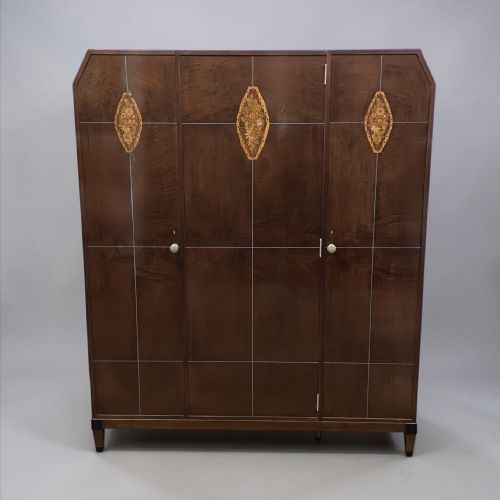
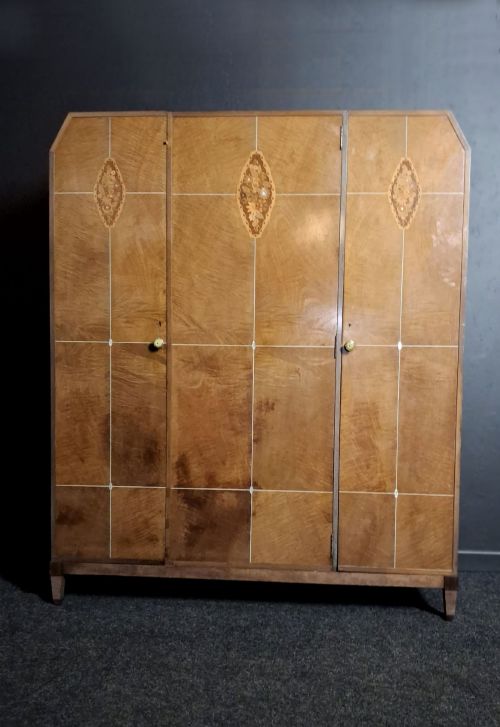
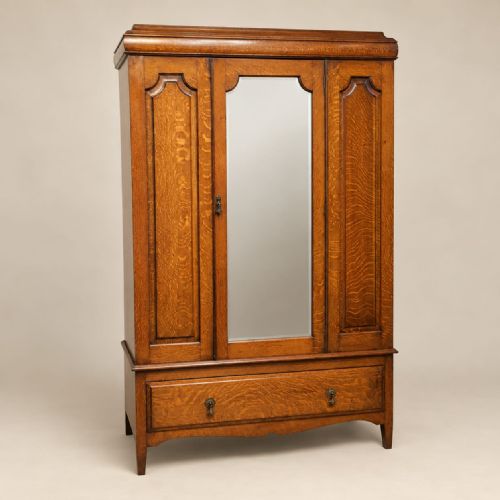
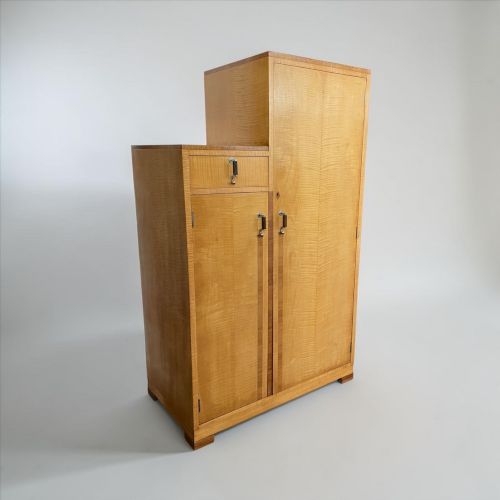
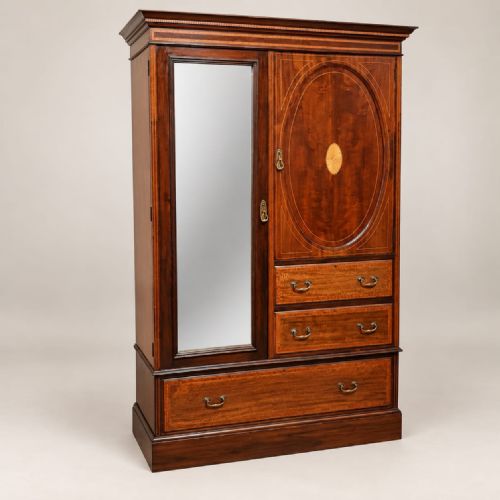
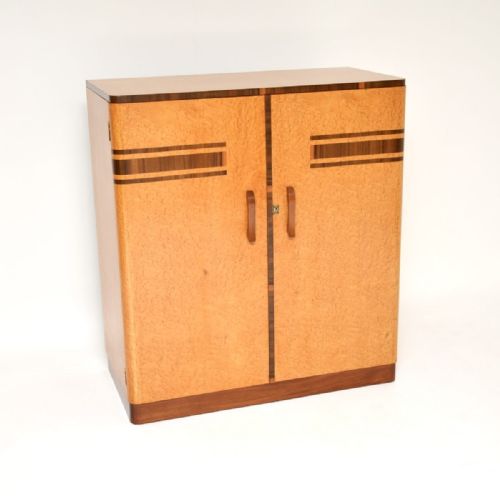
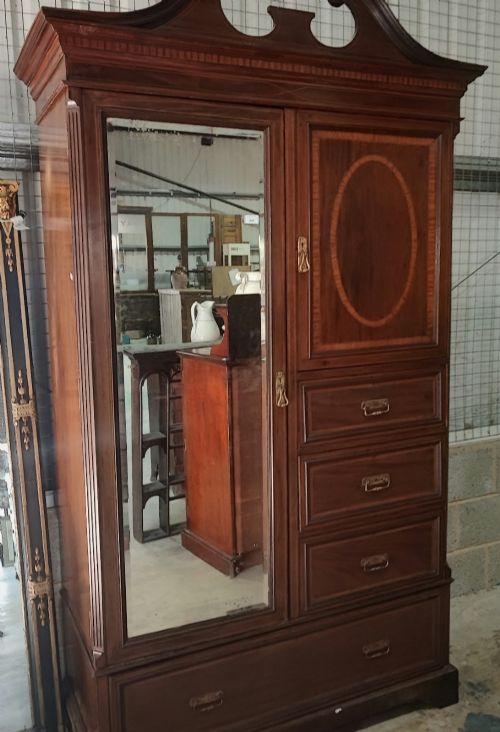
The Edwardian examples frequently utilise mahogany, walnut, or oak, often featuring inlaid details or mirrored doors. Later 1930s interpretations display Art Deco influences through satin birch and walnut veneers.
Buyers encounter single, double, and triple door formats alongside tallboys and combination wardrobes. The Edwardian mahogany inlaid compactum wardrobe remains a common configuration on this page.
Materials and construction
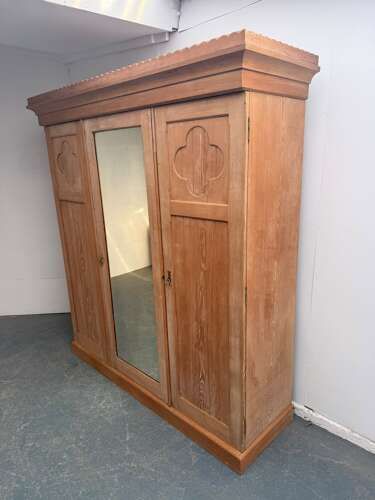
Cabinet makers utilised solid timbers such as mahogany, oak, ash, and pine for the primary framework and internal structure. Decorative surfaces incorporate veneers of walnut, burr walnut, and birds eye maple.
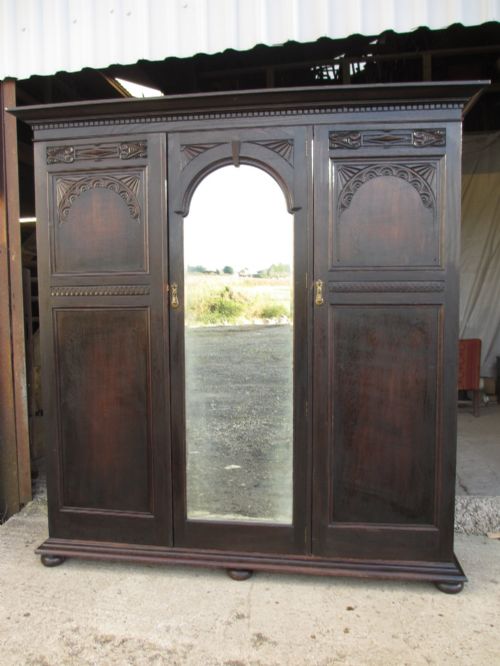
Surface ornamentation relies on brass fittings, glass mirror panels, and inlaid satinwood stringing. Certain vernacular examples employ painted finishes, including original scumble faux oak paintwork.
Vintage Bedroom Compactum Retail Price Guide 2026
Typical asking prices for vintage bedroom compactum among the pieces listed under this phrase on Sellingantiques today, from the lower quarter to the upper quarter. They describe what is for sale here now, not the wider market.
Listings feature compactums spanning the Victorian, Edwardian, and 1930s periods, constructed in mahogany, walnut, oak, and pine.
Quality factors
The standard of timber selection and veneer matching defines the visual hierarchy among these wardrobes. Superior examples display carefully aligned grain patterns across multiple doors and drawer fronts.
Joinery execution in the internal fittings, drawer construction, and structural carcase joints indicates the workshop origin. Maker attribution through stamps or labels distinguishes works from establishments such as Heal's, Edwards and Roberts, or Harris Lebus.
Edwards and Roberts·Harris Lebus·Lamb of Manchester·Heal's
The Vintage Bedroom Compactum Glossary
- Compactum
- A multi-functional wardrobe combining hanging space, drawers, and shelving in one unit. This form emerged to maximise bedroom storage efficiency.
- Scumble
- A decorative painting technique used to simulate natural wood grain on a plain timber base. It appears on country and vernacular furniture.
- Stringing
- Thin lines of contrasting wood inlay used to outline panels and drawers on cabinet furniture. Edwardian pieces often employ satinwood for this detail.
- Tallboy
- A vertical storage unit combining a chest of drawers with an upper cupboard section. They share lineage with the compactum family.
Vintage Bedroom Compactum: Frequently Asked Questions
What is a compactum wardrobe?
A compactum wardrobe is a combination storage piece that integrates hanging space, shelves, and internal drawers within a single carcass. It provides a complete bedroom storage solution in a footprint similar to a standard wardrobe.
These pieces typically date from the Victorian, Edwardian, and Art Deco eras, offering varied internal configurations to suit garments and linen.
How do I date an Edwardian compactum?
Edwardian pieces often feature characteristic mahogany or walnut timbers, sometimes with satinwood inlay or mirrored doors. Construction methods and stylistic cues link them to the decades around nineteen hundred.
Makers' marks, brass hardware styles, and internal timber choices help narrow down the production period further.
Will a vintage compactum fit in my bedroom?
These pieces require careful measurement of both floor space and ceiling height due to their substantial proportions. Many Edwardian and Victorian versions are large, heavy items that demand adequate clearance for opening doors and drawers.
Checking internal depth is also essential for modern coat hangers and garment storage.
How do I care for polished wood furniture?
Maintaining polished wood surfaces involves dusting with a soft, dry cloth and avoiding direct sunlight or excessive moisture. Natural waxes help nourish older timbers like mahogany and walnut over time.
Harsh chemical cleaners should be avoided to preserve the original finish and patina.