
Vintage Bedroom Commode
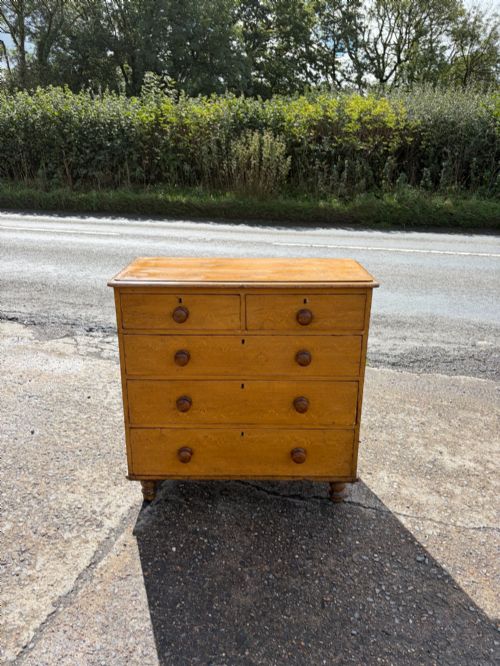
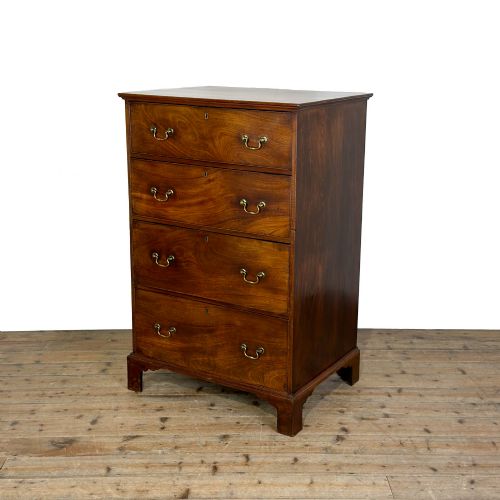
A vintage bedroom commode offers practical bedside or chamber storage, bringing period character and substantial timberwork to sleeping quarters.
Vintage Bedroom Commode
A vintage bedroom commode typically takes the form of a sturdy chest of drawers or a compact bedside cabinet used for private storage. These pieces bridge utilitarian needs and decorative ambitions within domestic spaces.
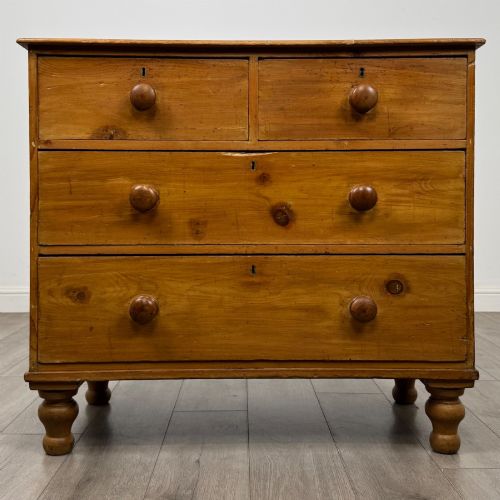
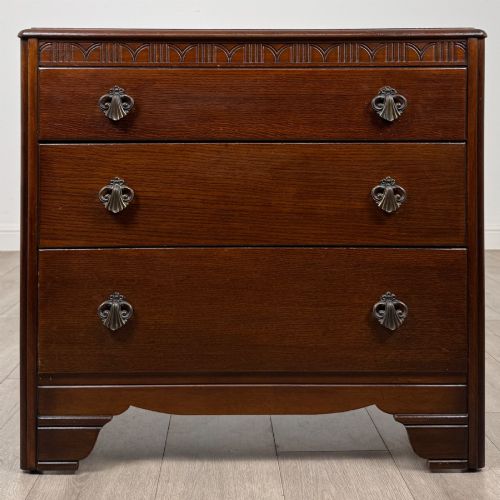
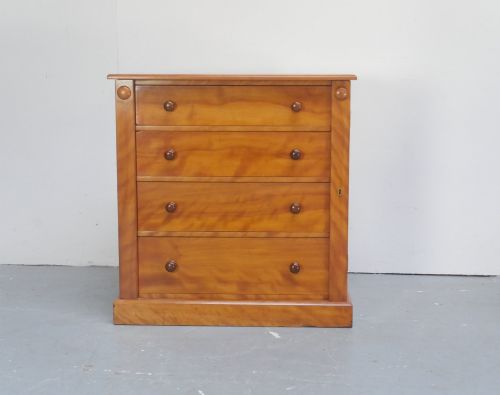
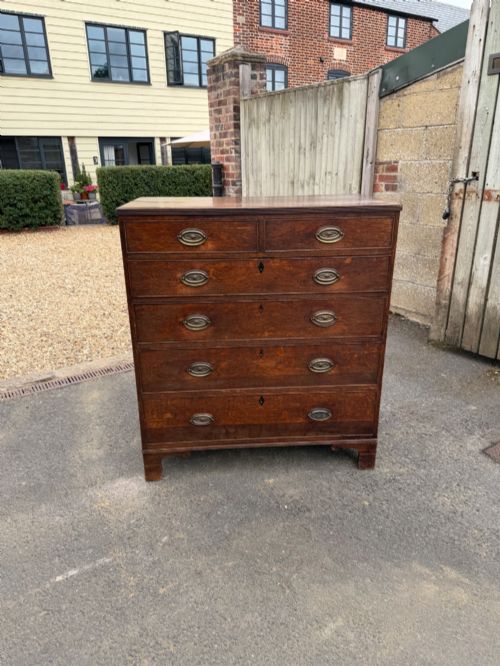
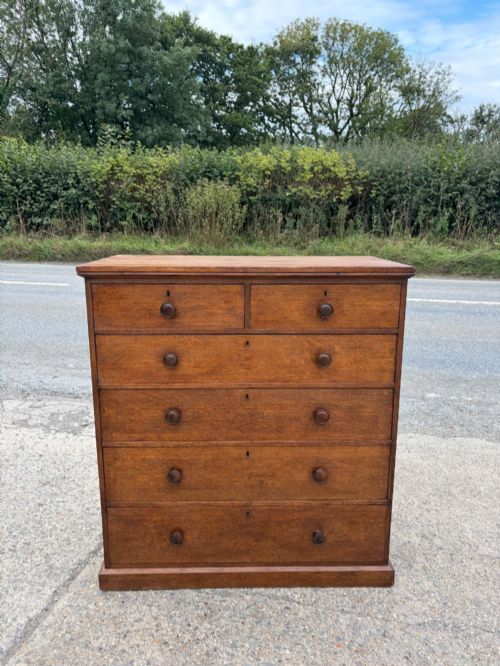
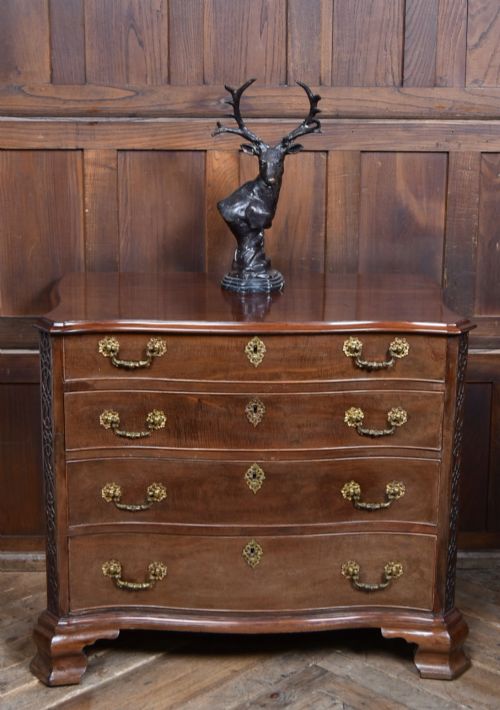
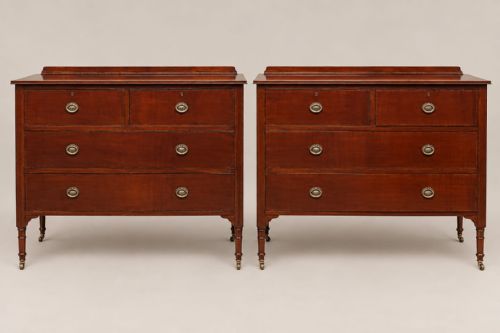
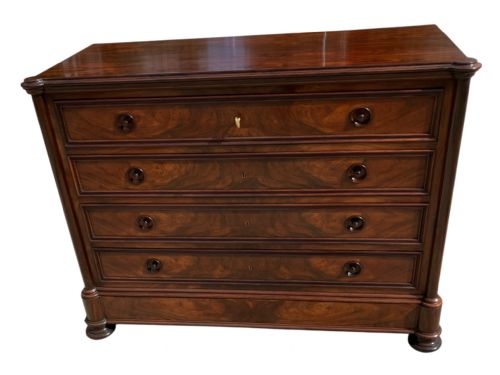
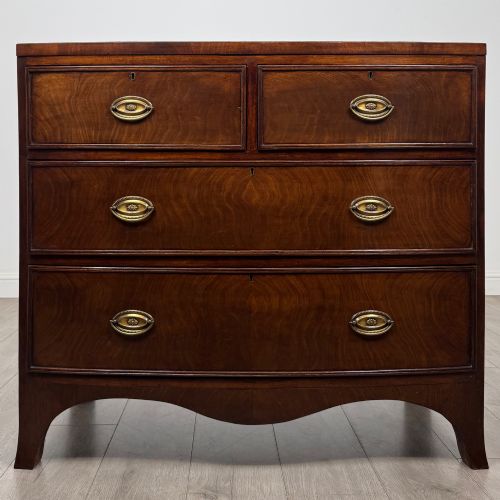
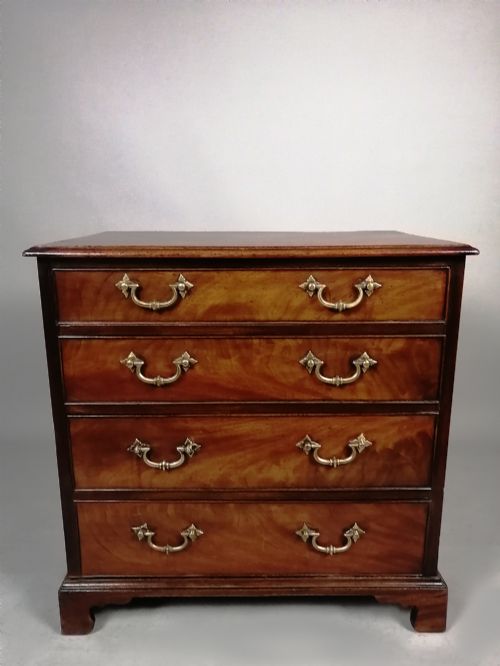
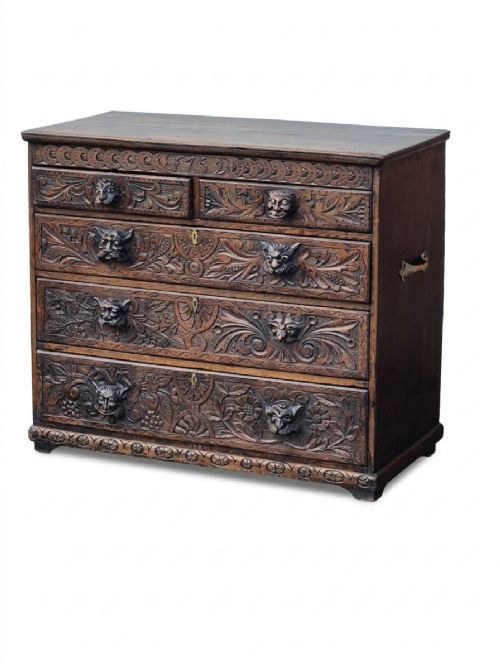
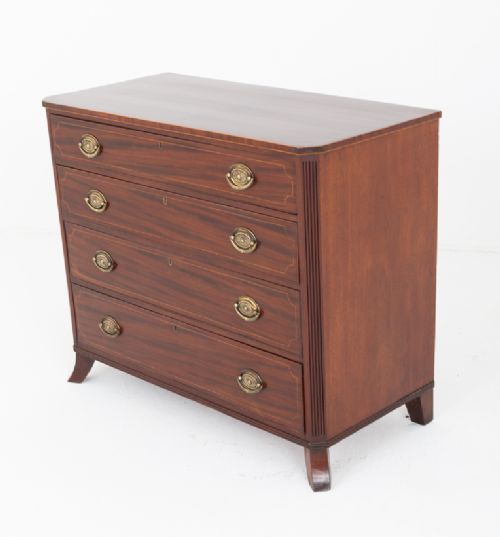
The selections available span multiple eras, most frequently appearing in Victorian, Edwardian, and Regency iterations alongside Georgian and early twentieth-century interpretations. Chests of drawers dominate the formats, offering varied drawer configurations from simple two-over-three arrangements up to six-drawer heights.
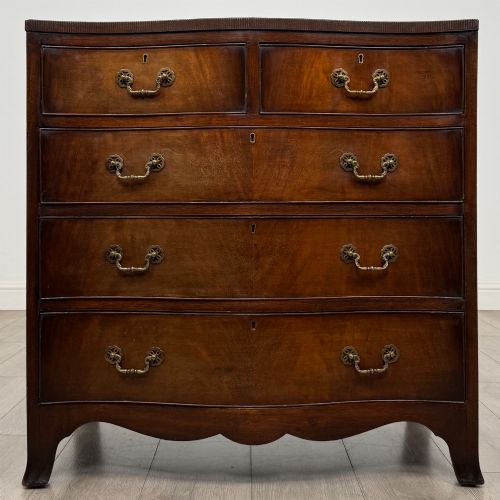
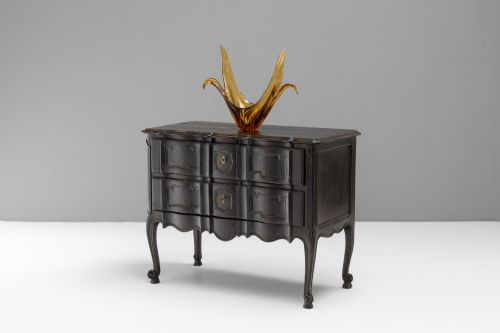
Origins stretch from English workshops to French provincial makers, incorporating distinct regional cabinetry traditions. Buyers encounter everything from solid pine utility pieces to serpentine-fronted statement furniture.
How they were made
Cabinetmakers relied heavily on substantial hardwoods such as mahogany, oak, and walnut, often applying flame mahogany or burr walnut veneers to primary display surfaces. Pine and other softer woods provided structural framing and drawer linings.
Decorative detailing involved satinwood banding, crossbanding, and carved brass hardware fixed to drawer fronts. French examples introduced mirrored glass panels and painted finishes alongside serpentine shaping.
Construction methods prioritised durable joinery to withstand daily domestic use, utilising solid timber frames and hand-cut dovetailing for drawer construction.
Current listings feature pieces spanning the Georgian, Victorian, Edwardian, and 1930s periods, constructed in mahogany, oak, pine, walnut, and burr walnut.
What varies in quality
The selection of timber grain defines much of the visual distinction, separating plain utility boards from richly figured flame mahogany and burr walnut veneers. Figured timbers require careful matching across drawer fronts to create a coherent aesthetic.
Hardware choice and application indicate grade, with substantial brass handles and escutcheons secured properly to the timber rather than superficial replacements.
Sir Clough Williams-Ellis
The Vintage Bedroom Commode Glossary
- Serpentine
- A front profile that curves outward in the centre and inward at the sides. This undulating shape requires skilled carpentry to execute cleanly.
- Bow front
- A convex, outwardly curved front elevation popular on chests from the Georgian and Regency periods. It softens the boxy silhouette of standard bedroom storage.
- Brushing slide
- A pull-out shelf integrated above the top drawers of a chest, historically used for folding garments or grooming. It slides flush into the cabinet frame when not in use.
- Crossbanding
- A decorative border technique where thin strips of veneer are laid perpendicular to the grain of the main panel. This frames the primary timber surface with a contrasting edge.
- Flame mahogany
- A highly figured veneer cut from the branch junctions of the mahogany tree. The grain pattern resembles flickering flames, prized for its dramatic visual movement.
Vintage Bedroom Commode: Frequently Asked Questions
How do I date a commode?
Dating relies on identifying characteristic timber choices, hardware styles, and structural joinery methods. Regency pieces often feature clean bow fronts, while Victorian items lean towards heavy mahogany or painted pine.
Secondary woods inside drawers and the profile of feet or aprons provide further chronological clues for attribution.
Where were these pieces used?
These pieces functioned primarily within domestic sleeping quarters as bedside storage or principal clothes chests. Their enclosed drawers kept garments and personal belongings tidy.
Compact variants served beside beds for chamber lighting and night-time essentials, while larger chests commanded full walls.
How do I care for wood surfaces?
Maintaining vintage timber involves keeping pieces away from direct heat sources and dramatic humidity fluctuations. Regular dusting with a dry cloth prevents particle buildup.
Occasional application of appropriate wax feeds the grain and protects historical polishes without sealing the wood permanently.