




Victorian Scottish Dresser
A victorian scottish dresser brings robust regional proportion and striking timber figure into a room.
Victorian Scottish Dresser
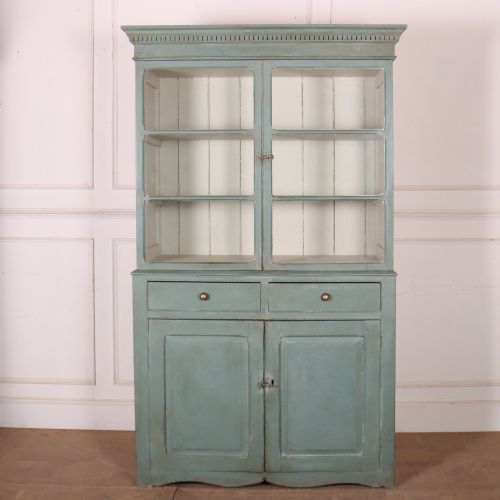
When you search for a victorian scottish dresser, you encounter substantial forms rooted in nineteenth-century domestic life, predominantly chest of drawers and kitchen cabinetry variations. The pieces span regional styles including Scottish country and Scottish Victorian, ranging from grand flame mahogany examples to modest pine kitchen items.
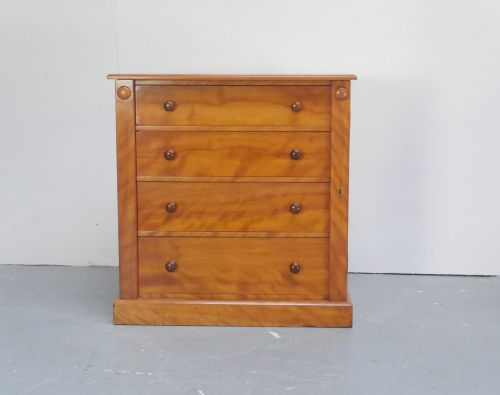
You are most likely to meet chests of drawers and kitchen dressers originating from the nineteenth century, often exhibiting the distinctive deep drawers and sturdy carcases characteristic of Scottish cabinet-making. Alongside large bedroom and dining pieces, the selection includes smaller apprentices' chests and dressing tables.
These items served practical domestic storage roles in period homes, from kitchen utensil display to gentleman's attire organisation. Their enduring appeal lies in the straightforward utility combined with rich regional timber choices.
How they were made
Cabinet-makers relied on solid pine and birch for structural carcases, applying richly figured flame mahogany veneers to primary visual surfaces. Brass hardware and glass components appear where functional handles or glazed doors complete the construction.
Surface treatments range from clear polished wood finishes to original paint and scumbled effects on kitchen pine furniture. Traditional joinery secures the heavy drawer configurations and tall chest structures without modern adhesives.
Victorian Scottish Dresser Retail Price Guide 2026
Typical asking prices for victorian scottish dresser among the pieces listed under this phrase on Sellingantiques today, from the lower quarter to the upper quarter. They describe what is for sale here now, not the wider market.
Listings feature items spanning the eighteenth century through the late Victorian period, using mahogany, pine, birch, walnut, and brass.
What varies in quality
The visual impact of the timber grain marks the distinction between standard items and superior examples, particularly in the selection of flame mahogany veneers across the drawer fronts. Rich, symmetrical figuring elevates the overall presence of a chest.
The preservation of original surface finishes, whether polished wood or early paint, distinguishes unaltered pieces from those with later interventions. Structural integrity in the heavy drawer assemblies and carcase proportions also defines the grade of a piece.
The Victorian Scottish Dresser Glossary
- Flame mahogany veneer
- A thin slice of mahogany timber cut from the fork of the tree to create a distinctive flickering flame pattern. It is applied to primary surfaces for decorative effect.
- Scumbled finish
- A decorative painting technique involving a translucent top layer dragged or combed over a base coat to imitate grain. It frequently appears on regional pine kitchen furniture.
- Apprentice chest
- A small-scale model or miniature chest of drawers constructed by a woodworker to demonstrate proficiency. These items function as tabletop storage.
- Bow front
- A convex curved cabinet or drawer front popular in nineteenth-century case furniture. This shape softens the corners of heavy mahogany chests.
Victorian Scottish Dresser: Frequently Asked Questions
What is a scottish dresser?
A scottish dresser encompasses regional nineteenth-century case furniture, including kitchen storage units and substantial chests of drawers.
These pieces reflect local cabinet-making traditions using native and imported timbers like pine, birch, and mahogany.
How were these dressers used?
They served practical storage functions in period households, holding kitchen tableware, linens, or clothing.
Kitchen variants provided surface space and shelving for food preparation and display, while bedroom chests accommodated garments.
How do I care for mahogany furniture?
Keep wooden pieces away from direct heat sources and strong sunlight to protect the polished timber and veneer.
Regular dusting with a soft, dry cloth maintains the surface without the need for heavy chemical polishes.
How can I tell the period?
Dating relies on construction methods, timber choices, and regional design traits recorded across the nineteenth century.
Examining drawer linings, backboards, and handles helps establish whether a piece belongs to the Victorian era or earlier.