

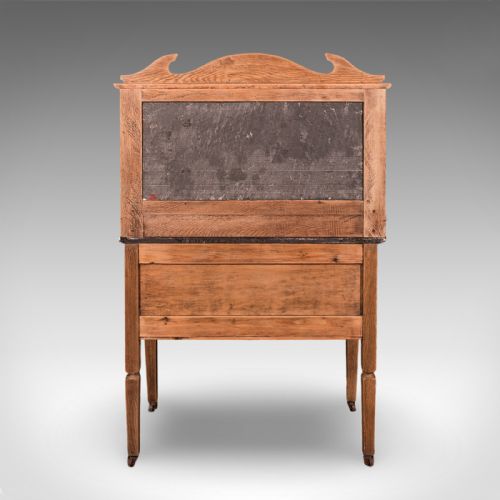


Vintage Basin Stand
A vintage basin stand offers sturdy timber framing and marble tops to anchor a period bathroom or bedroom space with practical utility.
Vintage Basin Stand
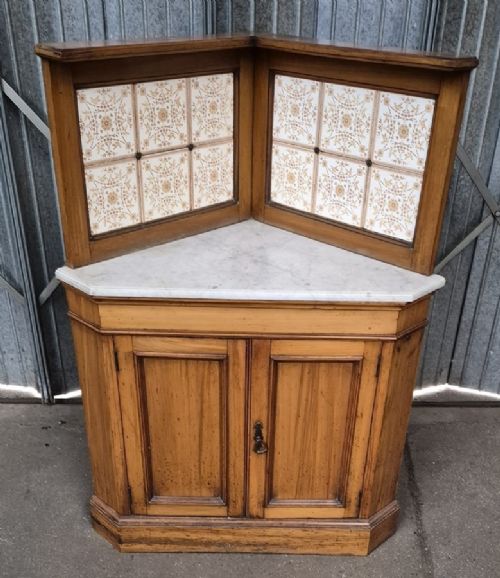
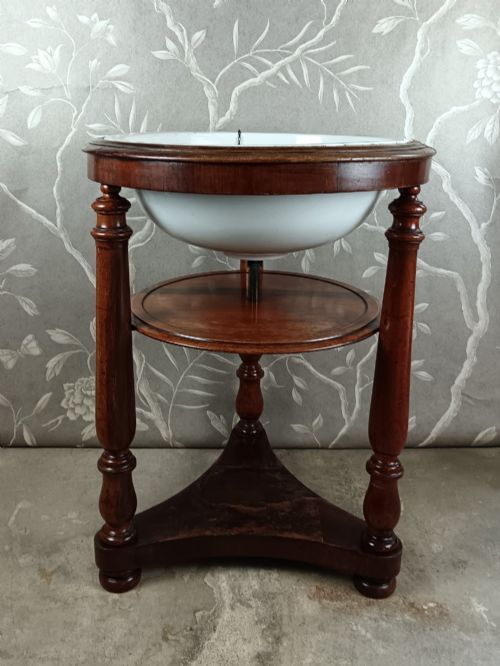
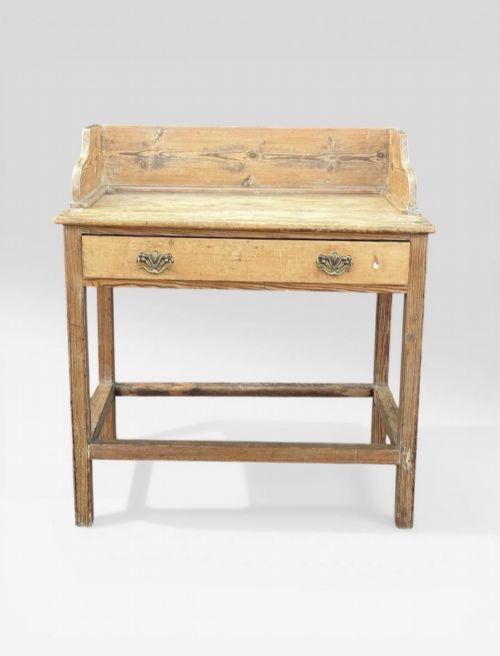
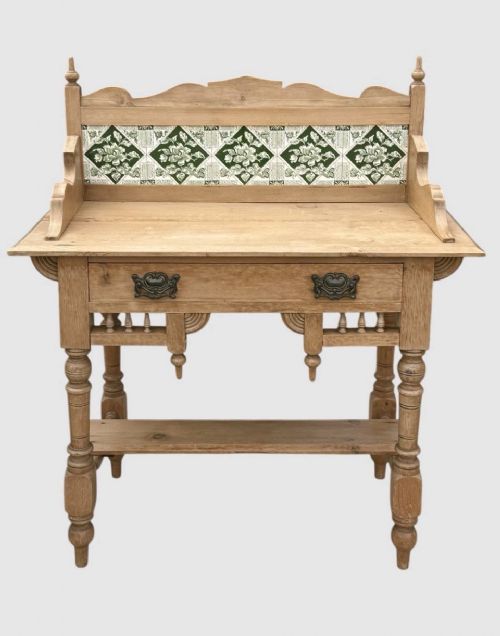
A vintage basin stand provides a dedicated surface for washing and grooming, taking various forms from corner units to round campaign tables. These pieces emerge predominantly from the Victorian, Edwardian, and Georgian eras, reflecting the domestic habits of past centuries.
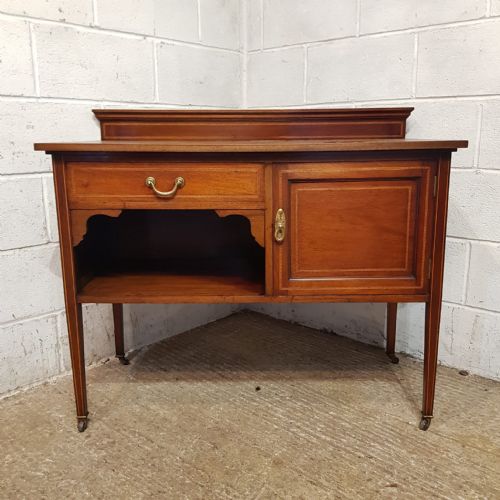
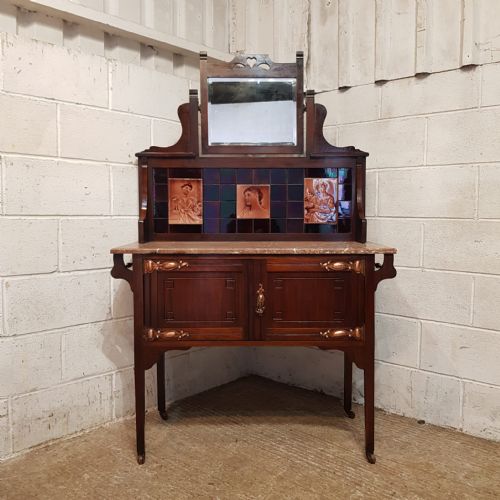
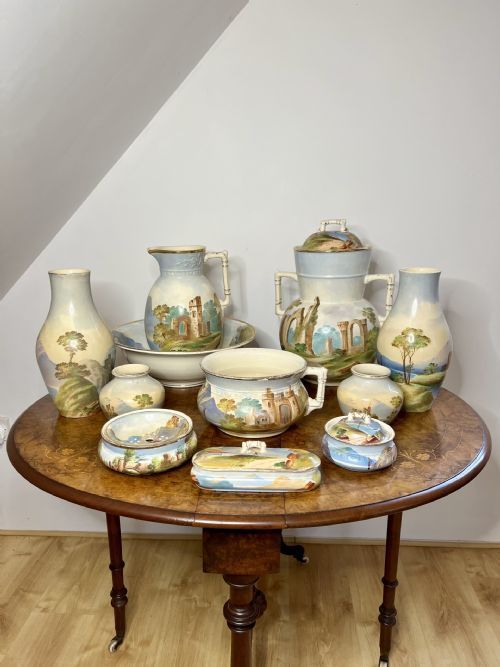
Buyers will most frequently encounter mahogany and pine examples on this page, often fitted with marble tops or ceramic bowls. The selection spans straightforward campaign designs, rustic country furniture, and refined Arts and Crafts or Art Nouveau framing.
How they were made
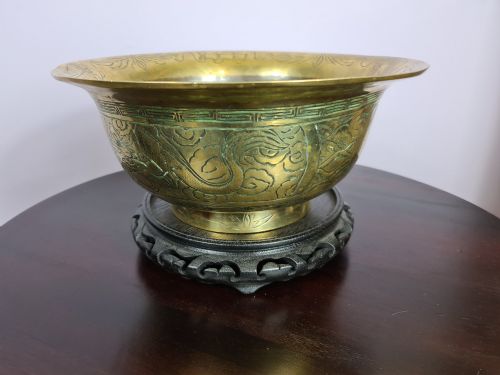
Cabinet makers utilised dense hardwoods such as mahogany and walnut alongside more utilitarian pine, constructing frames with sturdy joinery to support heavy stone. Marble slabs were selected for water resistance, while brass, copper, and cast iron formed bowls, pots, and supporting frames.
Surface treatments range from simple painted finishes to satinwood inlay and polished timber grains. Metal components involved casting and forging techniques, creating durable stands designed for daily domestic use.
Several stands double as wig holders, proving that past gentlemen spent serious time perfecting their artificial hair.
What varies in quality
The refinement of timber selection and decorative detail marks the distinction between standard utility furniture and high-status pieces. Finely figured mahogany, intricate satinwood inlay, and thick marble slabs indicate superior workshops compared to basic pine constructions.
Integrity of the original structure and survival of matching components like ceramic basins or copper pots dictate the standing of an individual piece. Proportion and stylistic flourishes, such as Arts and Crafts metalwork or Georgian turning, separate everyday examples from more accomplished designs.
Walker And Sons·Gillows
The Vintage Basin Stand Glossary
- Campaign washstand
- A folding or modular piece designed for easy transport by travellers and military officers. These items often feature clever compartment layouts and round frames.
- Corner washstand
- A triangular unit shaped to fit neatly into room angles. This form maximises space in smaller bedrooms and washrooms.
- Satinwood
- A durable, lustrous timber from tropical trees used for fine contrasting veneer and inlay work. It brings a pale golden glow to Edwardian and Victorian surfaces.
- Jardiniere
- An ornamental stand or pot designed to hold plants and flowers. These items share similar metal and timber framing techniques with basin stands.
- Wig stand
- A tall, slender support designed for holding gentleman's powdered wigs when not in use. They typically feature small drawers and ring tops.
Vintage Basin Stand: Frequently Asked Questions
What is a vintage basin stand used for?
These stands held wash bowls, jugs, and grooming equipment in bedrooms before plumbed bathrooms became standard. Today they serve as bathroom vanities or decorative hallway tables.
Owners often repurpose them to hold modern basins or display plants and decorative items in living spaces.
How do I date a basin stand?
Dating relies on timber choices, construction methods, and prevailing design styles recorded in the piece. Georgian examples often feature slender mahogany legs, while Victorian and Edwardian items frequently incorporate heavy marble tops and tile backs.
Hardware, dovetailing techniques, and painted finishes offer further clues to the decade of manufacture.
Are marble tops original to these stands?
Many Victorian and Edwardian washstands were manufactured specifically with marble slabs to protect the wood from water splashes. Heavy stone tops were paired with mahogany, walnut, and pine frames.
Inspecting the underside and frame fit helps determine whether the marble slab belongs to the original construction.
Can I use a vintage basin stand with modern plumbing?
Many buyers adapt these stands to hold modern drop-in basins and contemporary tapware. Timber framing often requires careful modification by a plumber to accommodate waste pipes.
Solid wood and stone surfaces tolerate bathroom moisture well when properly sealed and maintained.