


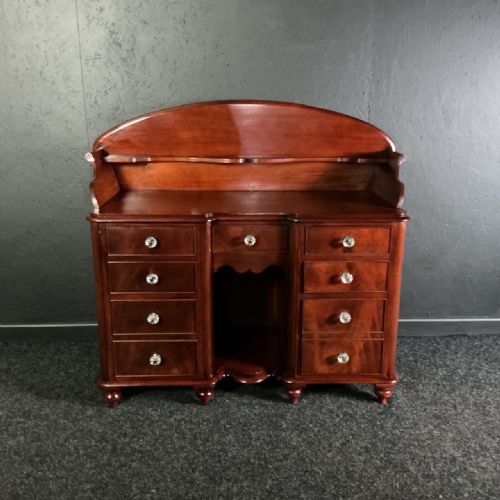

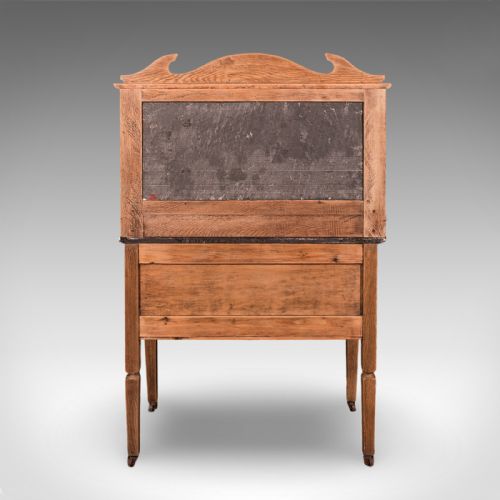
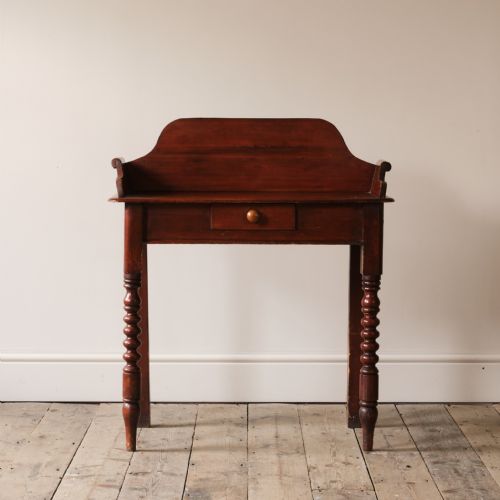


Antique Washstand Splashback
These antique washstand splashback pieces protect your walls from water and complete a period bedroom setting with marble, tile, and polished timber.
Antique Washstand Splashback
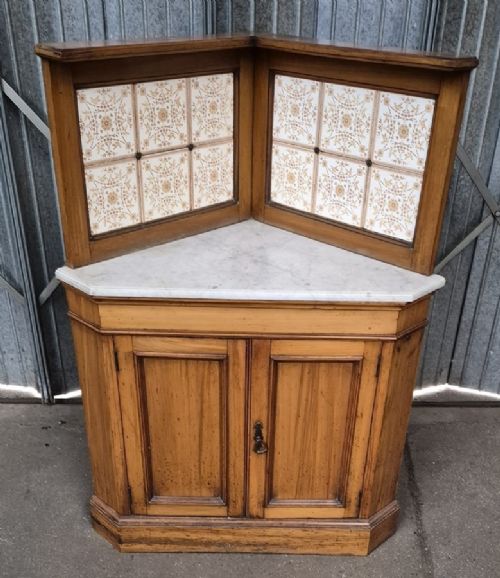
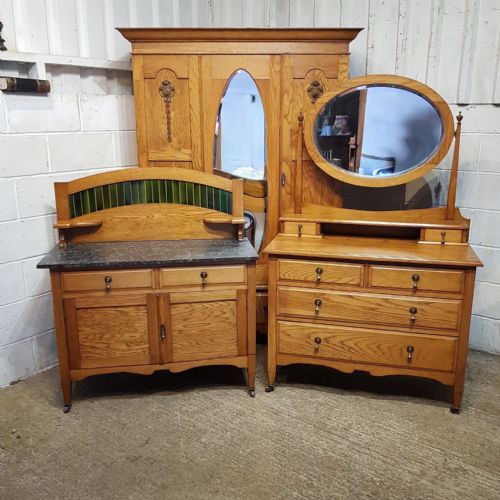
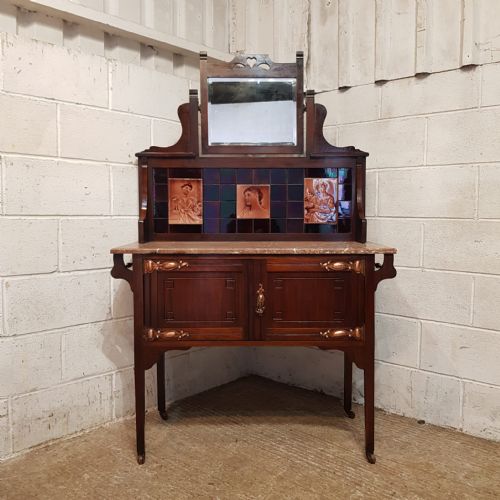
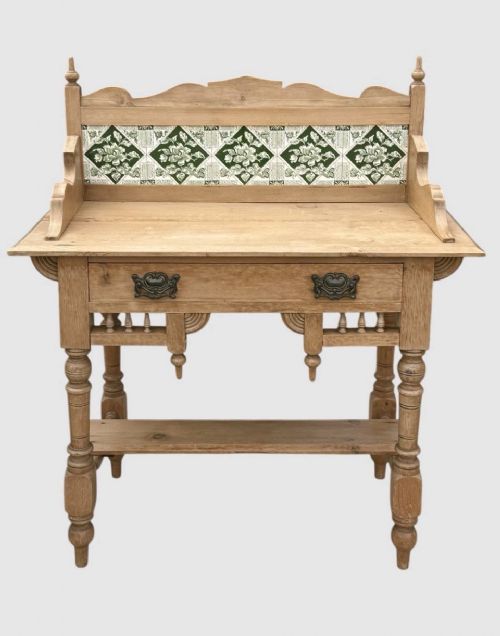
When you search for an antique washstand splashback, you are looking at the vertical marble, tiled, or timber panels that once protected bedroom walls from daily ablutions. Most examples you meet on this page hail from the Victorian and Edwardian eras, sitting above marble-topped washstands and dressing furniture.
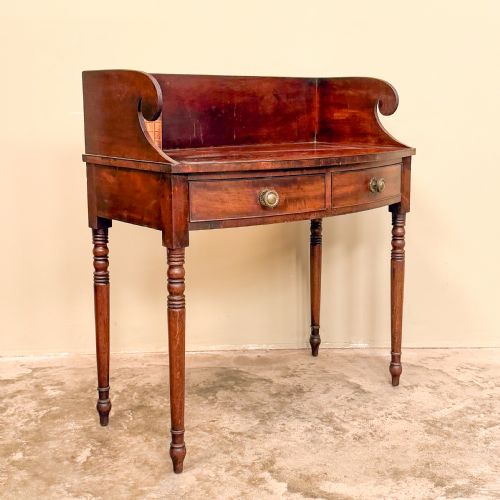
The materials reflect the domestic hygiene needs of nineteenth and early twentieth century bedrooms, combining water-resistant stone or glazed ceramic with supportive hardwood and softwood framing. Walnut, mahogany, pine, and satinwood provide the structural backing for these functional panels.
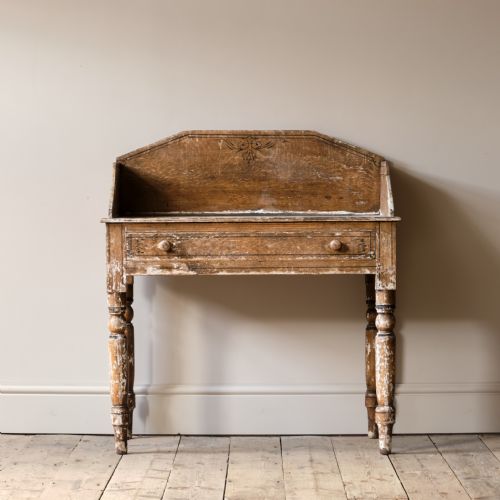
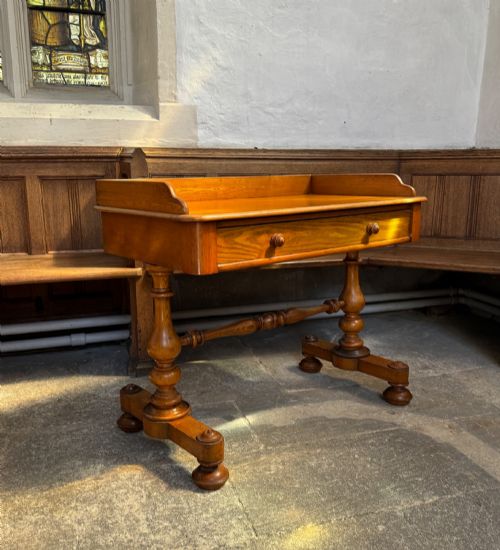
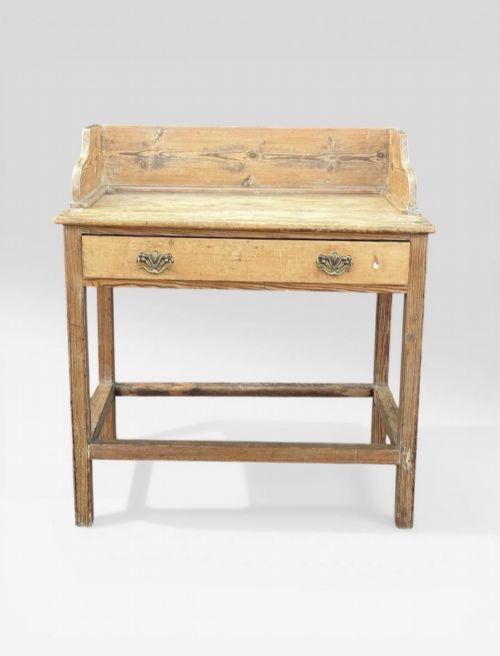
Forms range from simple timber upstands integrated into rustic pine washstands to elaborate marble and tiled gallery backs found on high-end walnut and mahogany bedroom suites. These architectural additions transformed a simple basin stand into a refined piece of chamber furniture.
What varies in quality
The grade of the marble or the complexity of the tile gallery largely determines the stature of the piece, moving from simple pine boards to heavily figured rouge marble and integrated tile work. Richer timbers like mahogany and walnut elevate the overall manufacture beyond utilitarian pine washstands.
The finesse of the framing, including inlaid stringing and the structural integration of the backboard to the washstand base, separates standard chamber furniture from exceptional bedroom suites.
Washstands often double as writing tables in alternative pairings, proving that morning ablutions and correspondence once shared the exact same piece of furniture.
Walker & Sons·Gillows
The Antique Washstand Splashback Glossary
- Splashback
- The vertical panel rising behind a washstand basin to protect the wall from water splashes.
- Gallery back
- An elevated superstructure fitted with shelves, tiles, or mirrors attached to the rear of a washstand.
- Rouge marble
- A distinctively rich reddish limestone variety frequently utilised for high-end Victorian furniture tops.
- Satinwood
- A luminous hardwood with a golden sheen often utilised for fine inlay and cabinetwork.
Antique Washstand Splashback: Frequently Asked Questions
How do I clean an antique marble splashback?
Wipe the marble surface gently with a damp cloth and mild neutral soap, avoiding acidic cleaners that can etch the polished stone.
Dry the slab thoroughly with a soft cloth to maintain the natural lustre without harming the antique finish.
Can I mount a splashback to the wall?
Most antique washstand splashbacks are designed to anchor directly into the washstand frame rather than hang independently on a wall.
Check the rear construction of your piece to ensure the original fixing points remain stable before attempting any installation.
What periods do these splashbacks come from?
The pieces available span the Victorian, Edwardian, and Regency periods, reflecting changing domestic tastes from the nineteenth into the early twentieth century.
Pine examples often lean towards rustic nineteenth-century utility, while walnut and mahogany pieces typically align with late Victorian and Edwardian refinement.
Were splashbacks always made of marble?
While marble and ceramic tiles are the most common materials for managing water exposure, many period washstands utilise matching timber splashbacks.
Pined, mahogany, and walnut upstands match the primary wood of the washstand body for a unified aesthetic.