


Antique Wooden Vanity Unit
An antique wooden vanity unit brings period character to a modern room, offering practical storage alongside traditional timber craftsmanship.
Antique Wooden Vanity Unit
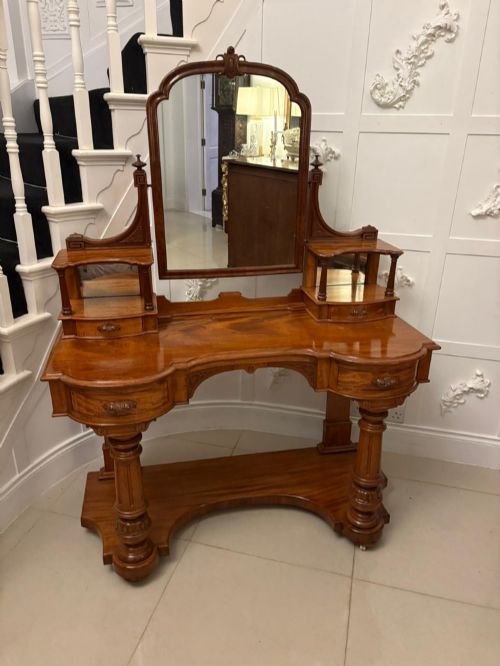
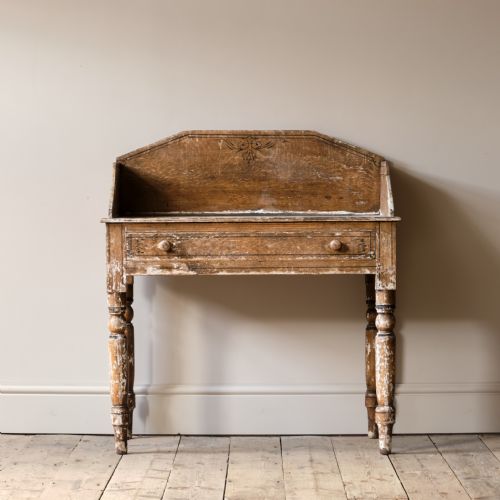
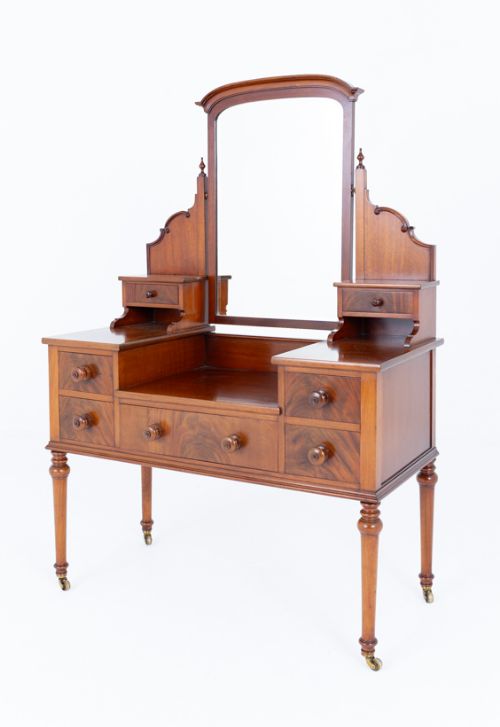
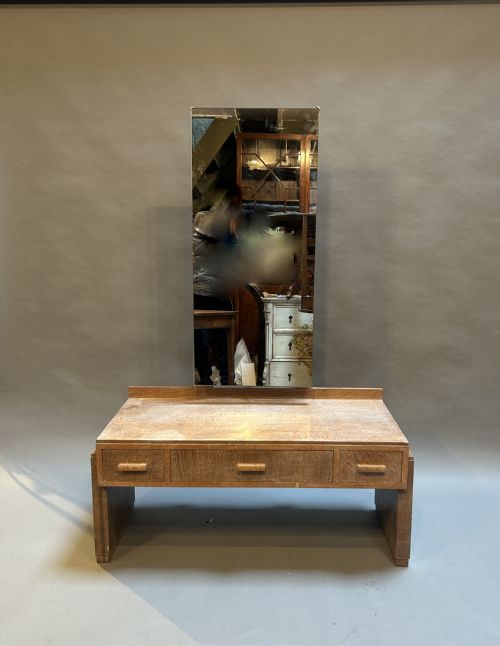
When buyers search for an antique wooden vanity unit, they encounter a diverse group of domestic furniture adapted from earlier washing, grooming, and dressing forms. The listings span multiple eras, including Georgian, Regency, Victorian, Edwardian, and Art Deco periods.
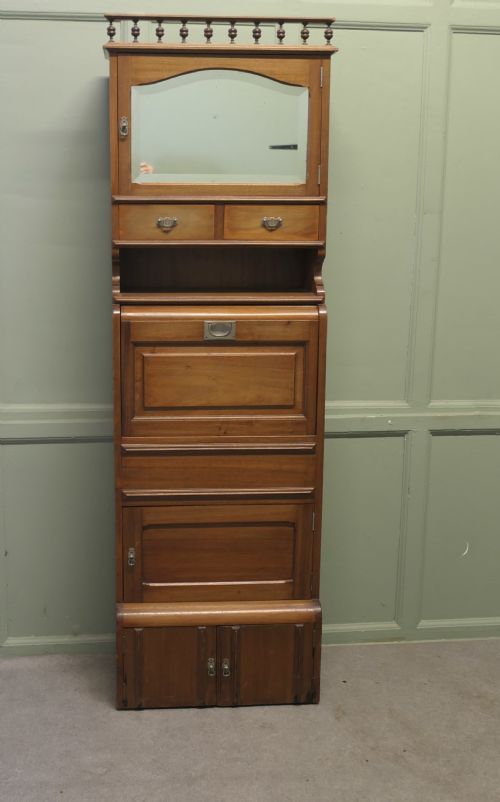
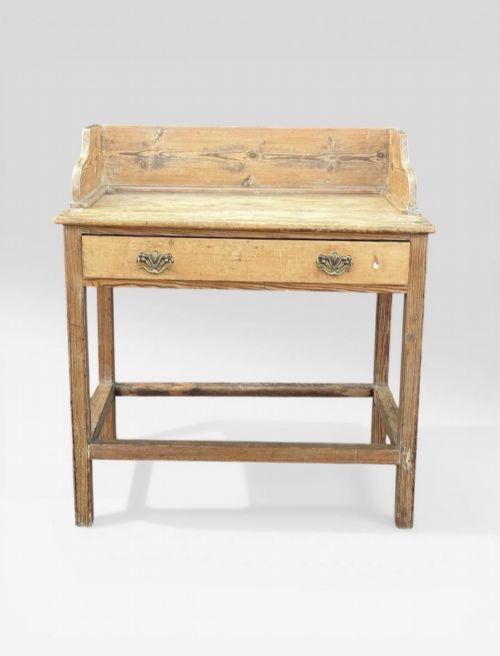
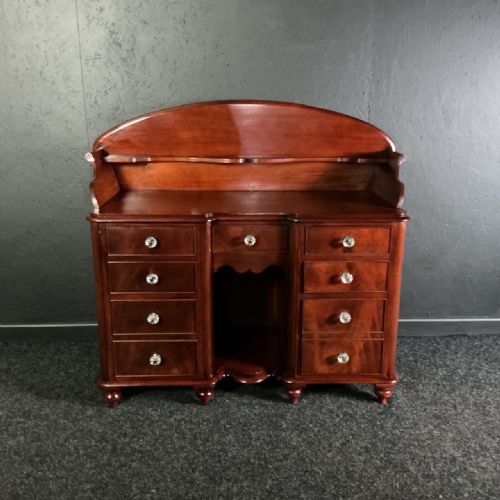
The primary forms on this page include dressing tables, washstands, shaving stands, and dressing chests. These pieces originate from various design traditions, ranging from rustic pine washstands to refined satinwood and mahogany dressing tables.
Makers and workshops of different scales produced these pieces, incorporating specific functional elements like marble tops, sinks for marine use, and adjustable mirrors. Buyers frequently select these items to serve as functional basins, dressing surfaces, or decorative side tables in contemporary interiors.
Factors determining quality
Quality in these pieces rests upon the selection of timber, the precision of cabinet joinery, and the integrity of decorative elements like marquetry inlay. Superior examples often bear maker stamps or labels, reflecting workshop provenance.
The integration of secondary materials, such as heavy marble tops or original brass hardware, further distinguishes finer examples. The sophistication of the overall design, whether a straightforward rustic pine washstand or a detailed Arts and Crafts dressing chest, dictates the level of craftsmanship present.
Design movements represented across these items include Arts and Crafts, Art Deco, Regency, and French Maritime styles.
Heals·James Shoolbred·Gillows·J. Shoolbred
The Antique Wooden Vanity Unit Glossary
- Washstand
- A piece of furniture designed to hold a basin and jug for washing, often fitted with a marble top to protect the wood. Many surviving examples have been adapted to accommodate modern plumbing.
- Dressing Chest
- A combination of a chest of drawers and a dressing table, usually featuring an attached or adjustable mirror. These pieces became common in Victorian and Edwardian bedchambers.
- Campaign Washstand
- A portable washstand designed for travel, typically featuring a folding wooden frame and brass mounts. These pieces originated during the Georgian and Regency periods for military or maritime use.
- Marquetry
- The art of applying pieces of veneer to a structure to form decorative patterns and pictures. This technique appears on various drawers and table tops across different periods.
- Shaving Stand
- A specialised table or cabinet equipped with an adjustable mirror and small surfaces for grooming equipment. Gentlemen utilised these pieces in private chambers.
Antique Wooden Vanity Unit: Frequently Asked Questions
Can I install modern plumbing into an antique washstand?
Many buyers successfully integrate modern plumbing into these washstands by working with a specialist plumber to fit contemporary basins and waste pipes.
Because the internal construction varies, modification depends largely on the specific depth and interior space of the cabinet or table.
How do I distinguish between a Victorian and an Edwardian dressing table?
Victorian dressing tables frequently employ darker timbers like heavy mahogany and feature deep, rich tones with carved detailing.
Edwardian pieces often display lighter woods such as satinwood, pine, or inlaid details that reflect a shift towards brighter domestic interiors.
What is the difference between a dressing table and a dressing chest?
A dressing table is typically a lighter table structure with drawers surrounding a kneehole space beneath a mirror.
A dressing chest combines a full chest of drawers with a mirror mounted on top, providing significantly more enclosed storage capacity.
How should I care for a marble top on an antique washstand?
Marble surfaces require regular cleaning with a damp cloth and mild, non-acidic soap to prevent staining from water and cosmetics.
Avoid placing acidic substances like vinegar or citrus directly on the stone, as these can etch the polished surface over time.