
Vintage Bar Furniture
Vintage bar furniture gathers cocktail cabinets, tea trolleys and pub tables for serving drinks at home with period character.
Vintage Bar Furniture
Vintage bar furniture covers pieces designed for serving and storing alcohol, ranging from substantial cocktail cabinets to portable tea trolleys and heavy pub tables. Buyers seeking this phrase encounter formats spanning the Victorian period through to Art Deco designs of the 1930s.
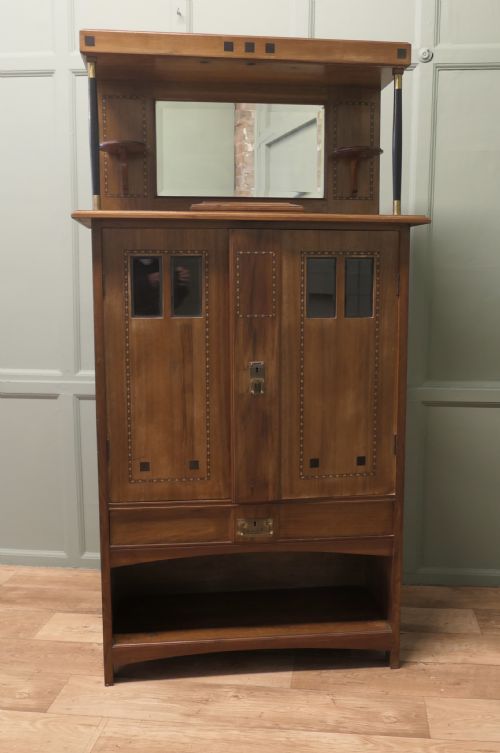
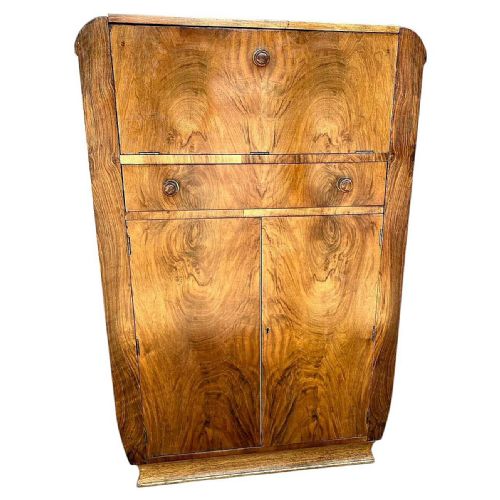
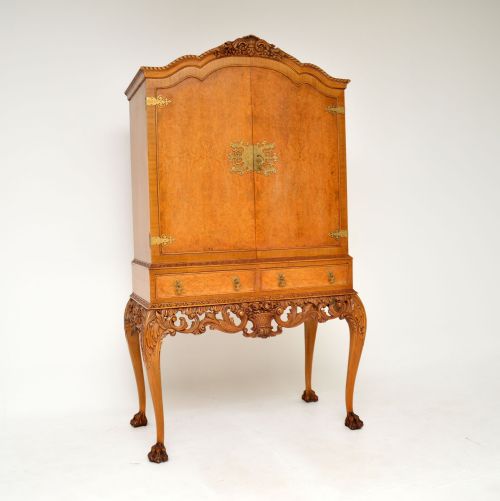
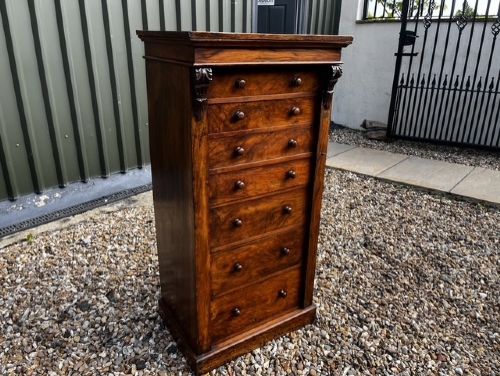
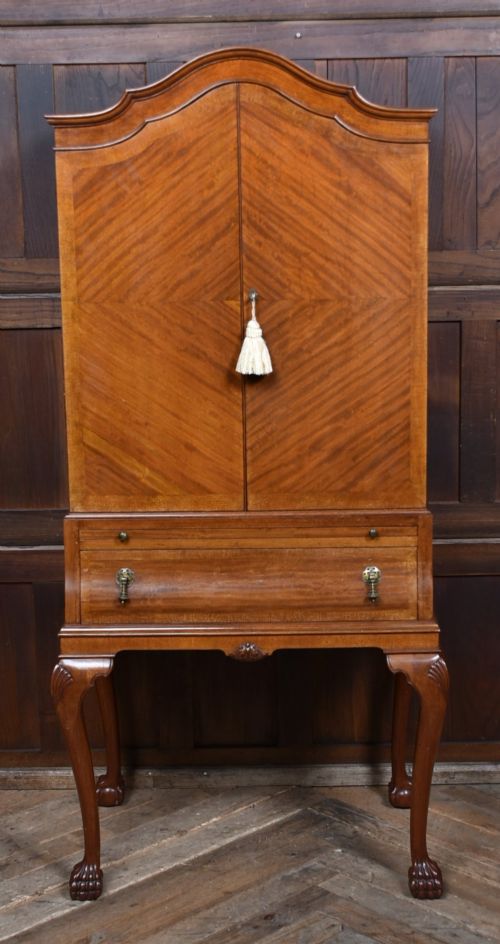
Cocktail cabinets form a prominent part of the selection, often appearing in burr walnut or mahogany with fitted interiors for glassware and bottles. Alongside these sit pub tables, wine coolers and tiered trolleys suited for hosting.
Origins stretch from English workshops to French studios, encompassing styles from Queen Anne Revival to streamlined 1930s creations. The selection reflects changing social habits around entertaining across the nineteenth and twentieth centuries.
Materials and construction methods
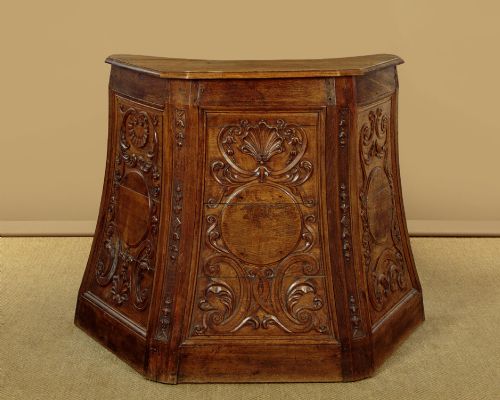
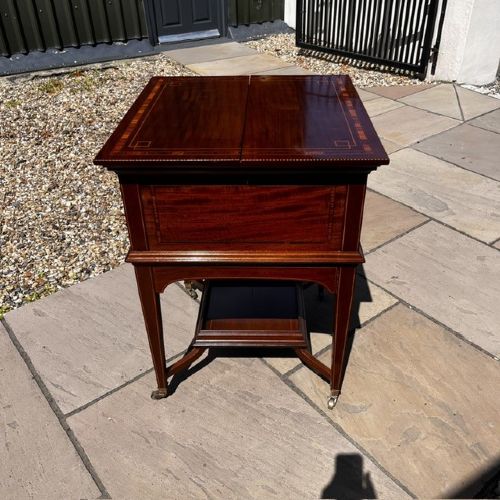
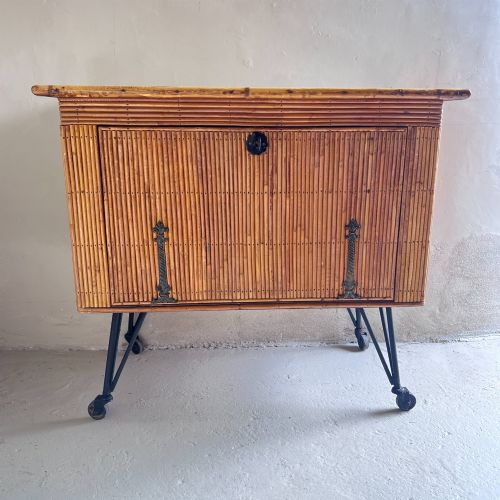
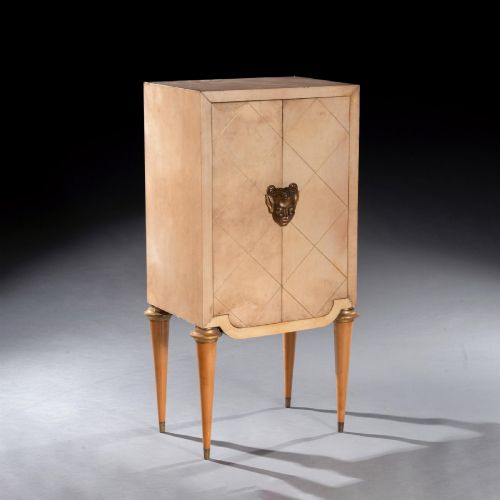
Makers utilised timber solids and veneers such as walnut, burr walnut, mahogany, oak and sycamore, often combining them with brass handles and cast-iron supports. Cabinets frequently feature marquetry, parchment inlay or satinwood details.
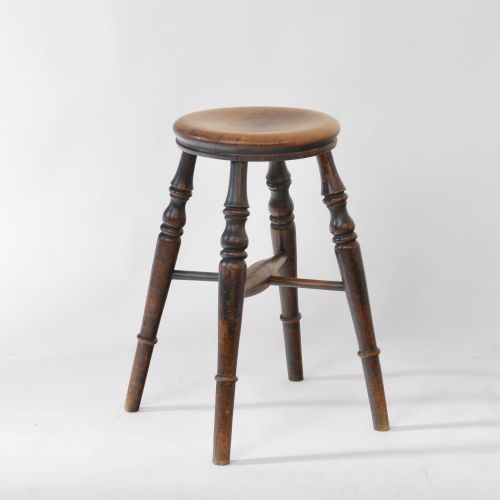
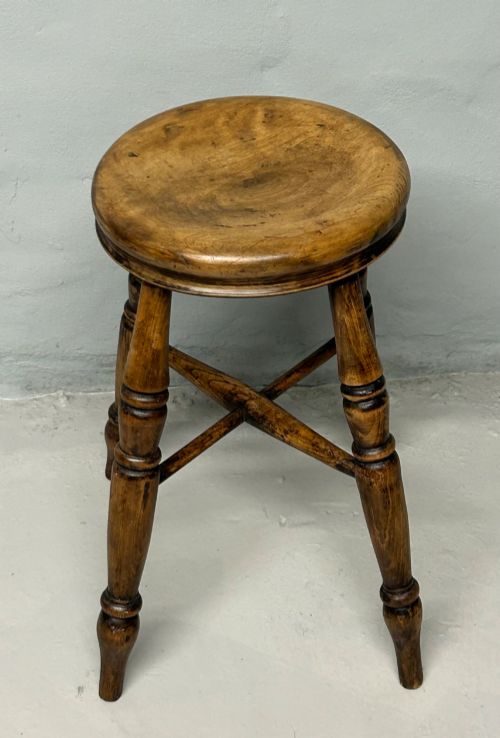
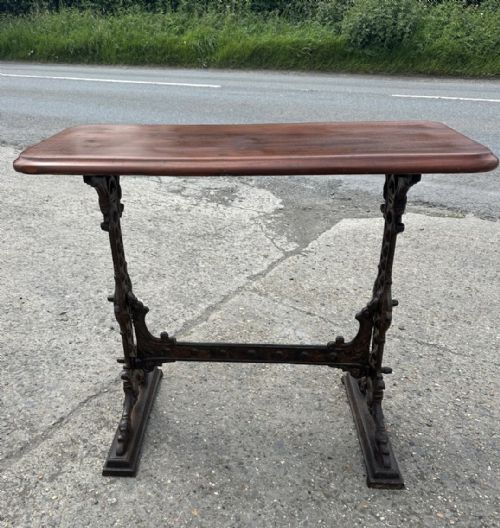
Structural integrity relies on traditional joinery, turned wood supports and metal hardware, particularly on items subject to regular hospitality use like tavern stools and tea trolleys. Cast-iron bases appear on robust pub tables and industrial French pieces.
Listings feature items spanning from the 1900 Edwardian era through to Art Deco walnut cabinets of the 1930s.
Distinctions in quality
Quality rests on the selection of timber veneers, the precision of marquetry or inlay work, and the sophistication of internal mechanisms in pop-up or surprise cabinets. Maker attribution to notable workshops adds distinction.
Robustness of secondary materials, such as original brass fittings and cast-iron legs, separates standard utilitarian pieces from finer decorative examples designed for formal reception rooms.
Epstein·Harry and Lou Epstein·Hille·Maurice Jallot
The Vintage Bar Furniture Glossary
- Cocktail cabinet
- A specialised piece of furniture designed specifically for the storage and preparation of mixed drinks. These typically feature drop-down serving surfaces, mirrored interiors and dedicated bottle racks.
- Cellarette
- A lockable container or cabinet used historically for storing bottles of wine and spirits safely near the dining table. They frequently appear as freestanding wooden chests or coopered vessels.
- Tea trolley
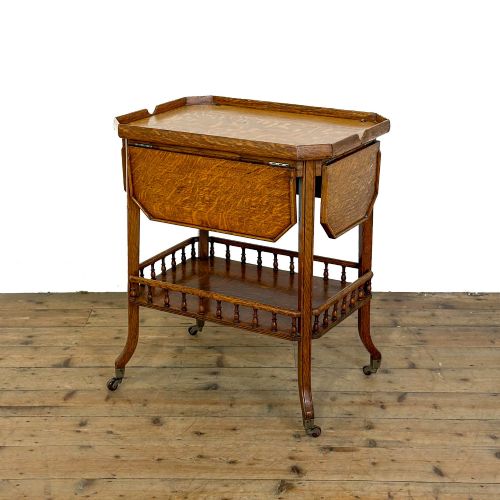
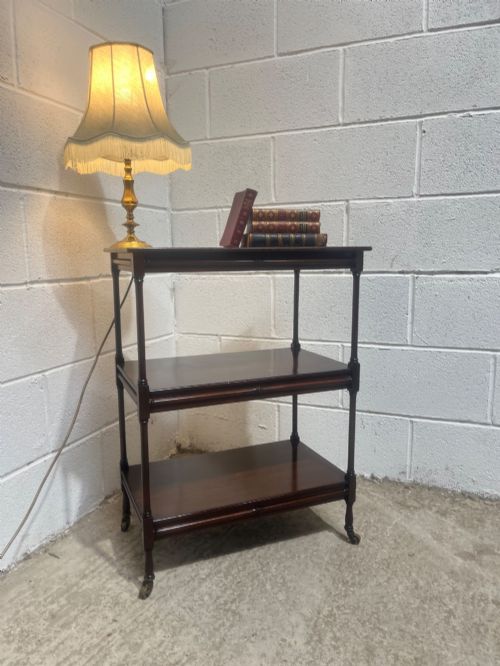
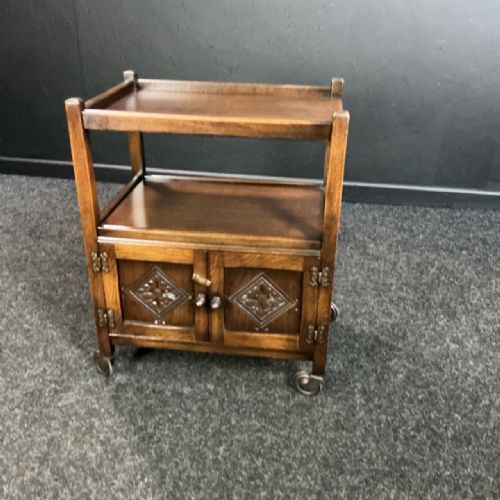
- A moveable small table on wheels or castors intended for transporting tea service or drinks. Multi-tier versions allow for separate levels for glasses and bottles.
- Marquetry
- Decorative woodwork where small pieces of veneer are arranged to form pictorial patterns or geometric designs. It appears prominently on the surface of Art Deco walnut cabinets.
Vintage Bar Furniture: Frequently Asked Questions
How do I choose the right cocktail cabinet for my space?
Consider the footprint of the room and whether you prefer a compact drop-front design or a larger double-door sideboard format. Measure the available wall space and check internal clearances for tall bottles and glassware.
Think about how the exterior wood tone matches existing interior furnishings. Walnut and mahogany finishes offer distinct visual weights within a room.
What is the difference between a cellarette and a wine cooler?
A cellarette generally refers to a lockable wooden chest or box designed to hold individual bottles securely in a dining or living area. They often feature fitted interior dividers.
Wine coolers historically served a similar function but can include coopered vessel forms or lead-lined compartments meant for chilling bottles with ice during meals.
How were tea trolleys used originally?
Tea trolleys functioned as mobile service stations for afternoon tea, allowing hosts to wheel refreshments from the kitchen to the drawing room. Their multi-tier design kept cups, saucers and pots organised.
Over time, their utility expanded to include holding cocktail equipment and glassware for evening gatherings.
How do I identify an Art Deco piece?
Art Deco pieces from the 1930s typically display symmetrical geometric forms, streamlined silhouettes and decorative veneers like burr walnut. Details such as parchment inlay and contrasting satinwood highlight this aesthetic.
Hardware often incorporates polished brass or chromium plating to enhance the modern, architectural look.