


Vintage Bakhtiari Rug
A vintage bakhtiari rug brings western persian tribal structure and garden motifs directly onto the floor.
Vintage Bakhtiari Rug
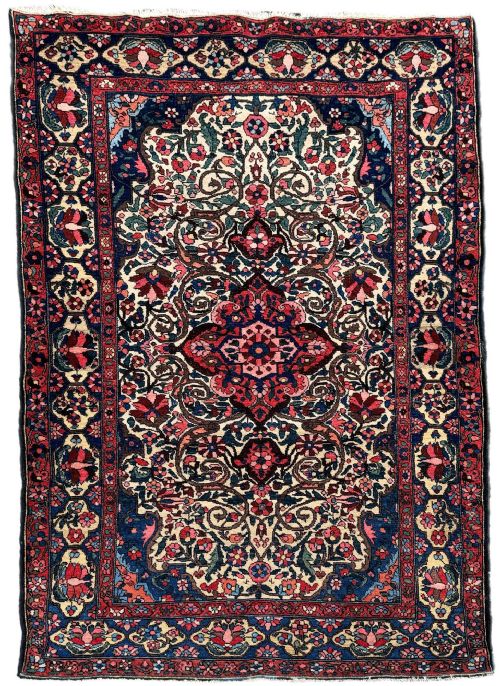
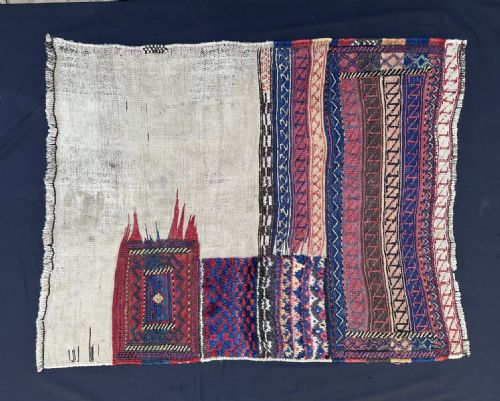
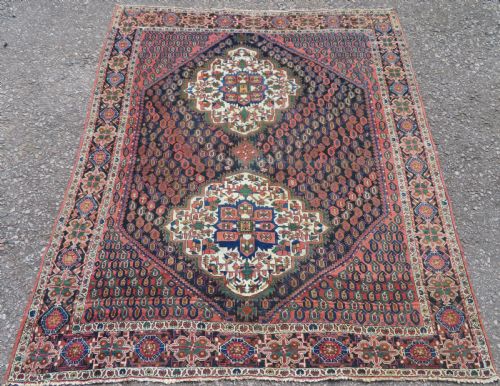
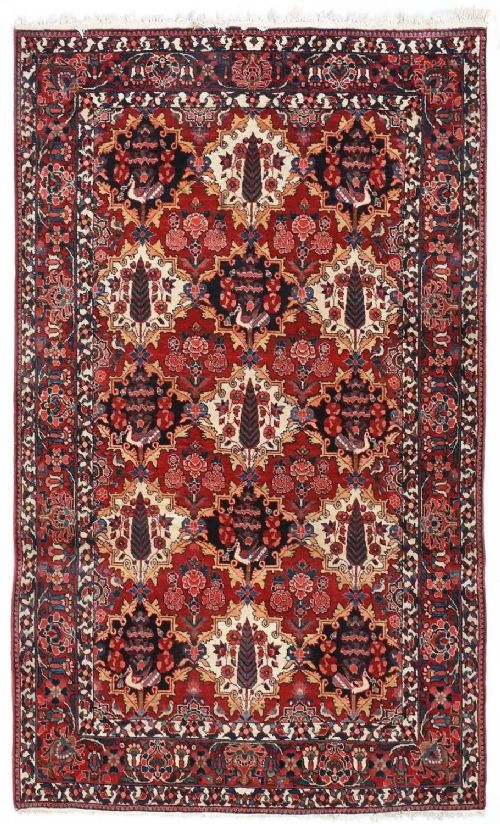
When someone searches for a vintage bakhtiari rug, they encounter resilient floor coverings woven by nomadic and village groups in the Chahar Mahal valley of western Persia. These pieces span production dates from the nineteenth century through the 1930s, taking the form of area rugs, larger carpets, runners, and specialised textiles such as wheat sacks and flat weaves.
The most common examples on this page are tribal village rugs and carpets displaying traditional Persian design elements. Pieces originate from local tribal groups including the Bakhtiari, Lor, and Kurdish communities inhabiting the western regions of Persia.
Materials and construction methods
Weavers constructed these textiles primarily using wool, hand-spun wool, and cotton foundations, occasionally incorporating goat hair for durability along the edges. Natural dyes provided the rich palette seen across the tribal and village carpets from the Chahar Mahal region.
Production techniques range from standard knotted pile carpets to flat weave jajjim textiles and specialised grain sacks known as tacheh. Artisans employed sturdy knotting structures suited to the practical demands of nomadic and village life in western Persia.
Vintage Bakhtiari Rug Retail Price Guide 2026
Typical asking prices for vintage bakhtiari rug among the pieces listed under this phrase on Sellingantiques today, from the lower quarter to the upper quarter. They describe what is for sale here now, not the wider market.
The listings span production periods from the nineteenth century up to the 1930s, utilising wool, hand-spun wool, cotton, and natural dyes.
Qualities that distinguish individual pieces
The standard of a piece rests upon the fineness of the weave and the clarity of the design structure, whether arranged in a garden compartment layout or around a central floral medallion. Handling of natural dyes and the crispness of tribal motifs also separate standard village items from superior examples.
Condition and structural integrity dictate the standing of each textile. Original side cordings, complete borders, and minimal pile loss demonstrate careful preservation across generations of use.
The Vintage Bakhtiari Rug Glossary
- Tacheh
- A traditional woven wheat sack or grain bag produced by nomadic tribes for storage. These textile pieces often double as small floor spreads or wall hangings.
- Chahar Mahal
- The high mountain valley region in western Persia where local tribes traditionally produced these knotted carpets and flat weaves. This geographical area forms the historic centre of Bakhtiari weaving.
- Kelleh
- A long, narrow format carpet traditionally suited to corridor spaces or specific room layouts. Such formats provide extended rectangular proportions.
- Jajim
- A flat weave textile produced without pile, often utilised as a floor spread, cover, or wall hanging by tribal groups. These pieces rely on warp-faced or weft-faced weaves.
- Sofreh
- A woven spread used for culinary or domestic purposes during meals and food preparation within nomadic households.
Vintage Bakhtiari Rug: Frequently Asked Questions
Where were these rugs made?
These textiles originate from the Chahar Mahal valley region in western Persia. Local nomadic and village tribes produced them in domestic settings.
The weavers belonged to various groups including the Bakhtiari, Luri, and Kurdish communities living across the mountain districts.
How do I care for a tribal carpet?
Vacuum these wool floor coverings gently without using rotating brush attachments that might catch the pile. Keep them away from prolonged direct sunlight to protect the natural dyes.
Professional cleaning suited to antique textiles helps maintain the wool and cotton foundations over decades of use.
How are different periods identified?
Dating relies upon structural analysis, wool quality, and the specific characteristics of the natural dyes used in the foundation and pile. Earlier nineteenth-century examples often display distinct abrash colour variations.
Twentieth-century pieces from the 1920s and 1930s frequently show standardised village motifs and firmer cotton or wool foundations.