




Vintage Bakhtiari Carpet
These vintage bakhtiari carpet pieces bring genuine tribal character and rich wool texture directly to any interior.
Vintage Bakhtiari Carpet
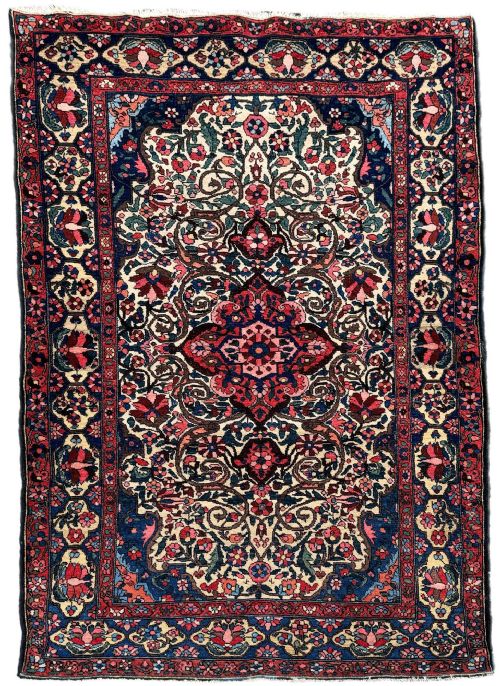
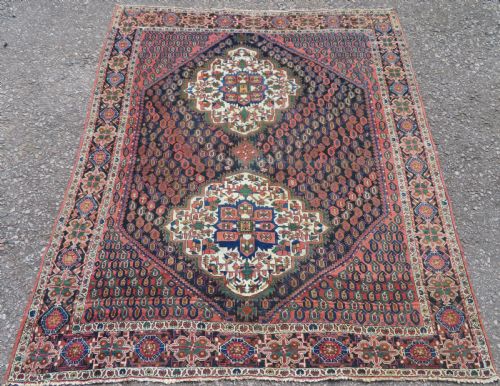
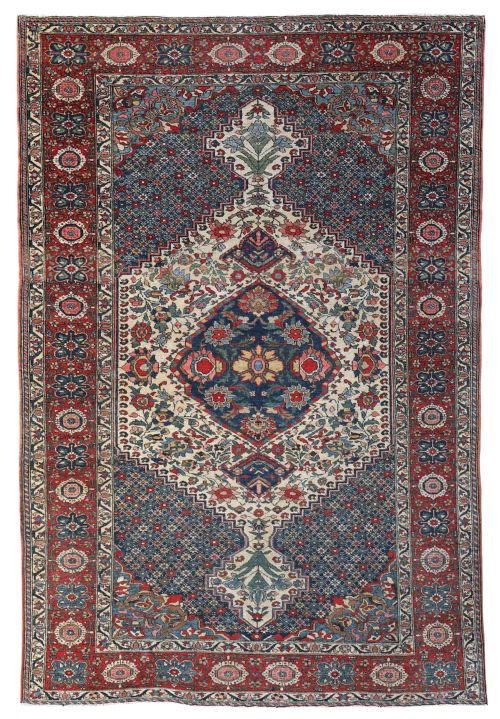
A vintage bakhtiari carpet represents traditional Persian weaving originating from the Chahar Mahal valley region in western Persia. Buyers searching for a vintage bakhtiari carpet encounter hand-knotted room-sized carpets, smaller village rugs, corridor runners, and narrow kelleh formats.
The most common examples on this page date from the late nineteenth century through the early decades of the twentieth century. These pieces display distinct regional styles including Persian tribal designs and floral medallion patterns.
Village weavers and Kurdish tribes of west Persia produced these floor coverings using durable wool pile woven onto sturdy cotton foundations. Each piece reflects the specific heritage of the Bakhtiari tribes through traditional geometric and garden motifs.
How they were made
Weavers constructed these carpets using natural wool for the surface pile, providing both resilience and a dense tactile quality. Foundations utilise strong cotton threads to support the heavy hand-knotted structure.
The making process relied on traditional upright looms set up within western Persian villages and tribal camps. Vegetable and natural dyes gave the wool deep colour hues that soften gracefully over decades of use.
Listings span from the late nineteenth century through the 1930s, utilising wool and cotton across diverse regional formats.
What varies in quality
Quality in these woven works depends upon the tightness of the knotting and the precision of the tribal design execution. Finer examples display intricate floral medallion layouts or complex garden compartments with clear, well-balanced proportions.
The condition of the wool pile and the integrity of the original selvedges and ends separate top-tier examples from heavily worn pieces. Greater visual clarity in the traditional west Persian motifs indicates superior artisan skill during the weaving process.
The Vintage Bakhtiari Carpet Glossary
- Bakhtiari
- A regional style and tribal designation from the Chahar Mahal valley in western Persia. These weavers are known for robust construction and distinctive garden or medallion designs.
- Kelleh
- A long, narrow carpet format traditionally used in Persian rooms. This rectangular shape functions well in hallways and long spaces.
- Pile
- The upright woolen surface of the carpet formed by individual knots tied to the foundation. This layer absorbs foot traffic and displays the colour patterns.
- Foundation
- The underlying structure of warp and weft threads that holds the knots in place. Cotton serves as the primary material for this supportive grid.
- Medallion
- A central ornamental design motif placed in the middle of the carpet field. This focal point anchors the surrounding tribal patterns.
Vintage Bakhtiari Carpet: Frequently Asked Questions
Where were these carpets made?
These carpets originate from the Chahar Mahal valley and surrounding districts in western Persia. Tribal groups and village weavers produced them using local materials and traditional methods.
The specific communities include Kurdish tribes working within the same regional sphere. Each piece carries the distinct cultural signatures of these west Persian makers.
How do I clean a wool carpet?
Gentle vacuuming without a rotating brush helps maintain the wool pile and prevents fibre damage. Professional textile cleaners experienced in antique Persian weaves should handle deeper maintenance.
Water exposure and harsh chemical detergents must be avoided to protect the natural dyes. Regular rotation ensures even wear across rooms with high foot traffic.
What is a garden design?
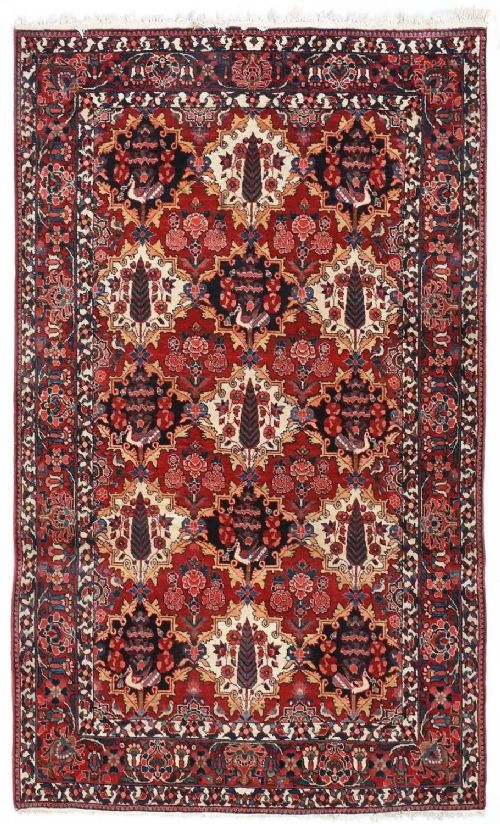
The garden design divides the carpet field into a grid of compartments representing formal Persian gardens. Each compartment typically contains floral motifs, shrubs, or stylized trees.
This layout stands as one of the most recognizable patterns associated with west Persian weaving. It showcases meticulous planning by the original village weavers.
How do I date these pieces?
Dating relies on stylistic indicators, structural characteristics, and the handling of natural dyes. Pieces spanning the late nineteenth through the early twentieth century show specific shifts in palette and wool preparation.
Examining the tightness of the weave and edge finishes provides further clues to the period of manufacture. Comparing these elements with documented examples helps establish a reliable timeline.