
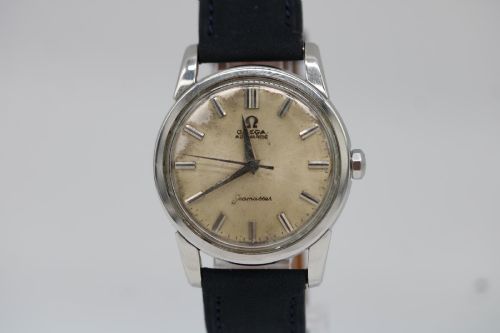
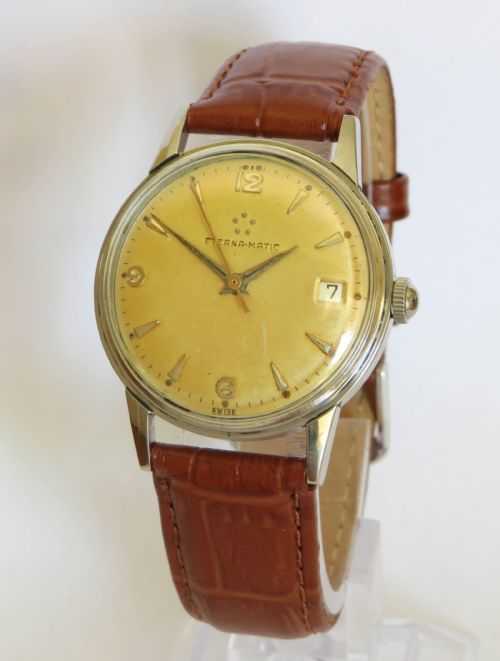
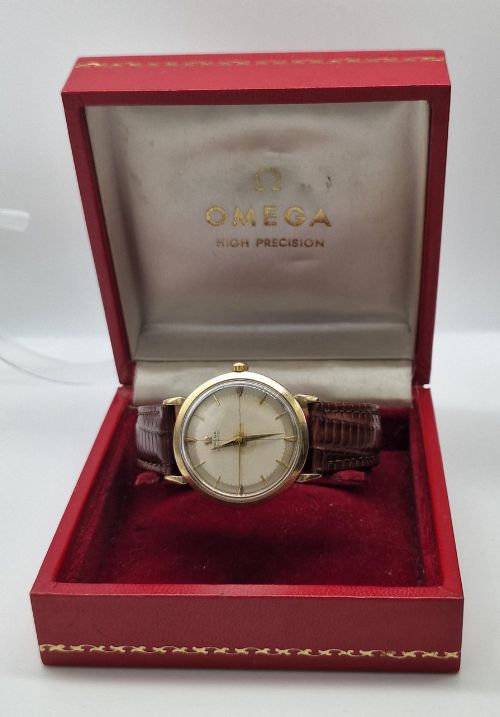
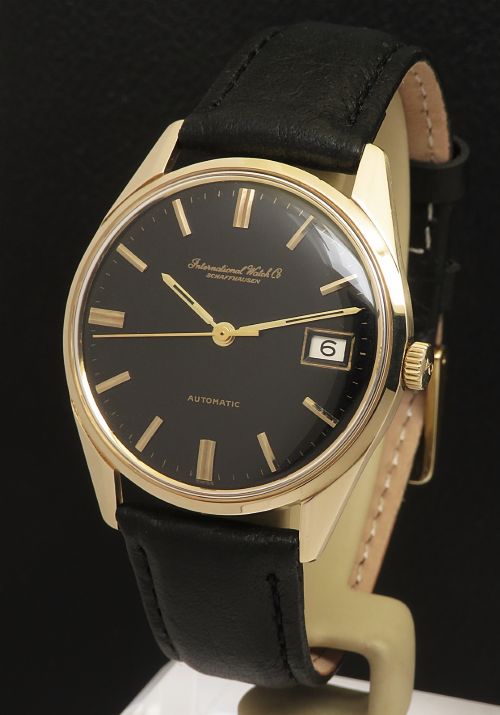
Vintage Automatic Timepiece
A vintage automatic timepiece brings mid-century horology directly to the wrist with self-winding mechanical movements housed in steel or solid gold.
Vintage Automatic Timepiece
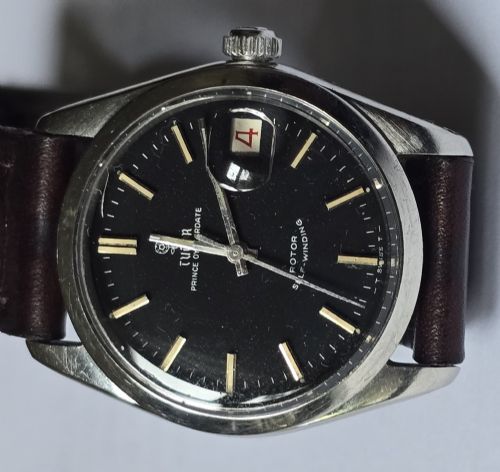
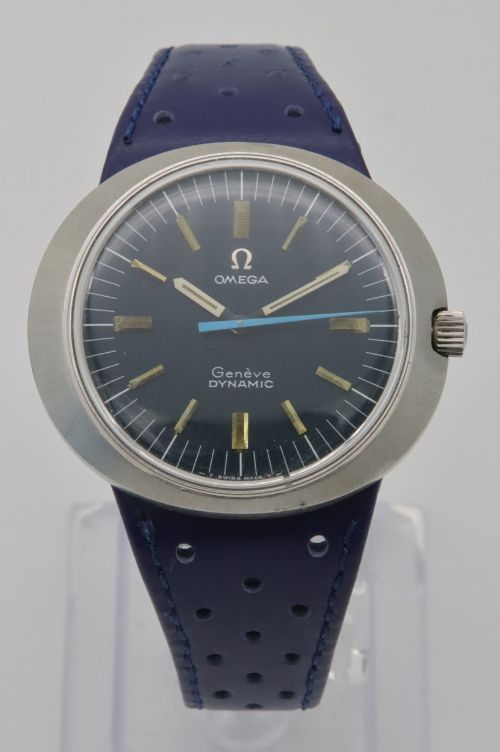
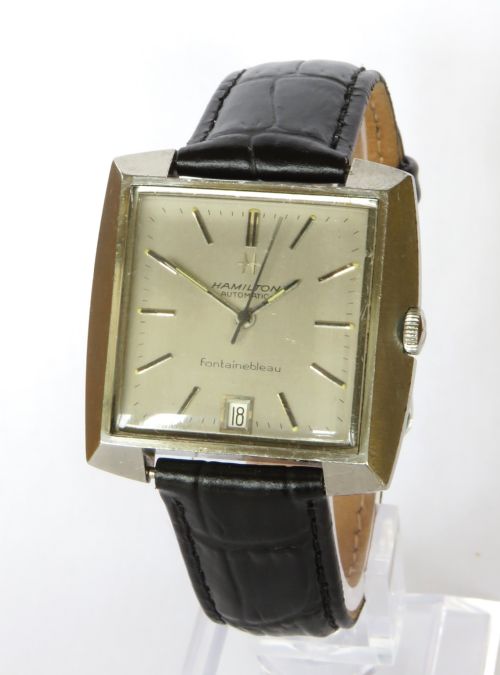
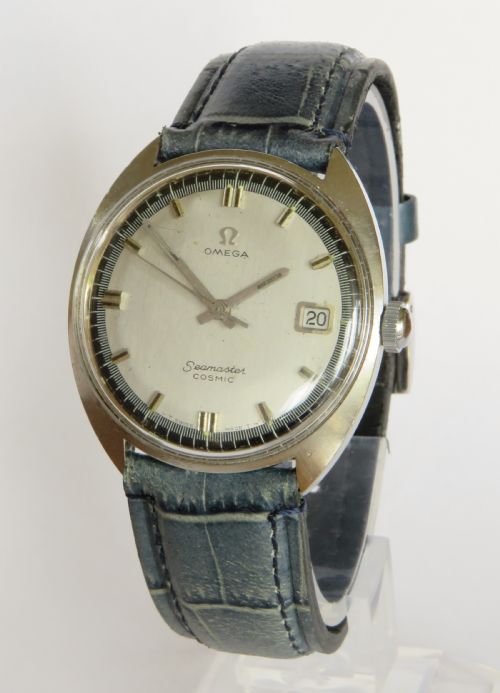
A vintage automatic timepiece represents mechanical wristwatch engineering primarily from the nineteen-forties, fifties, and sixties, focusing heavily on wristwatches and wrist watches.
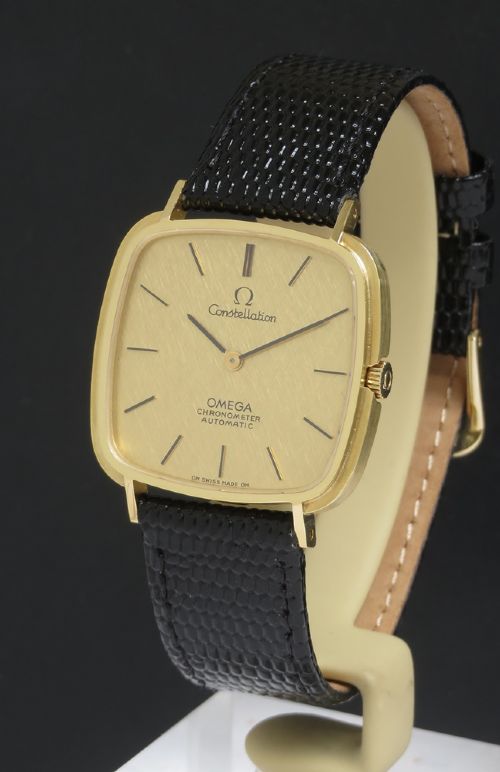
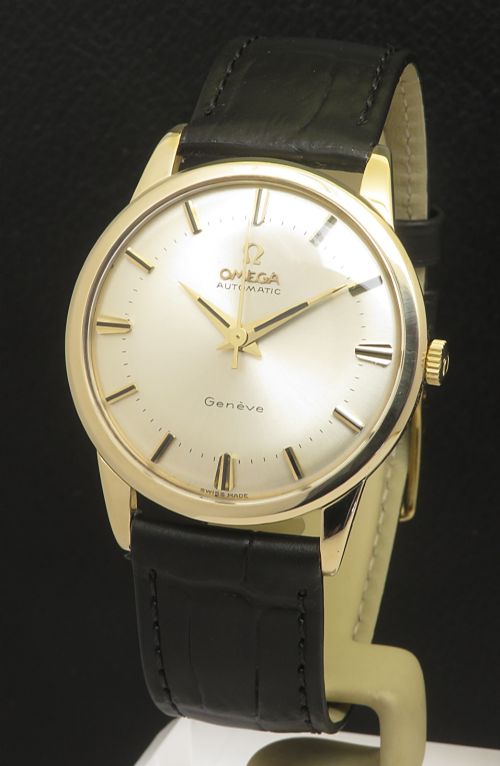
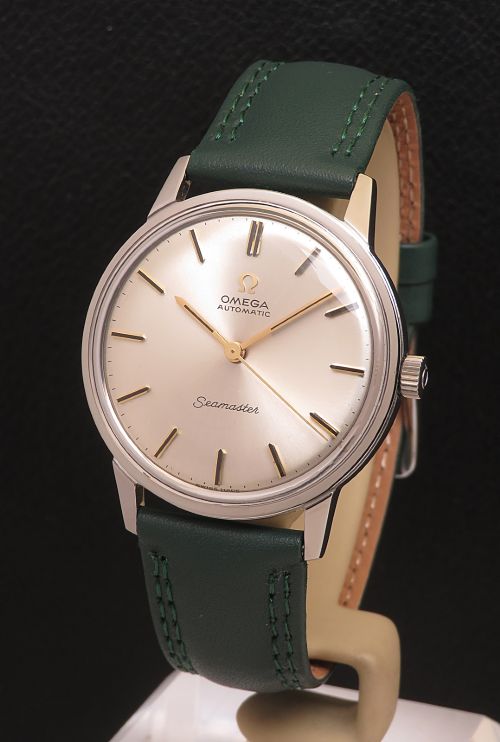
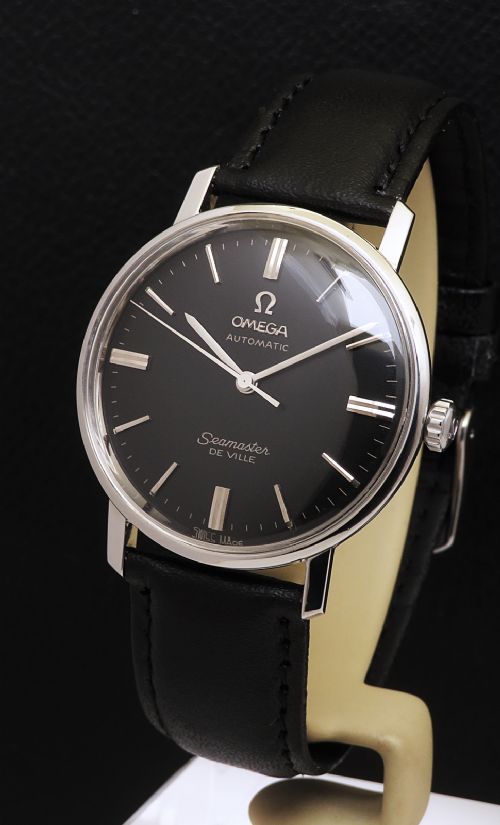
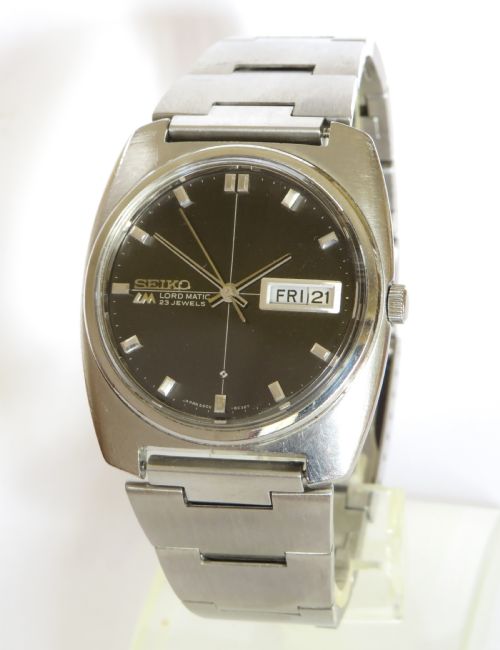
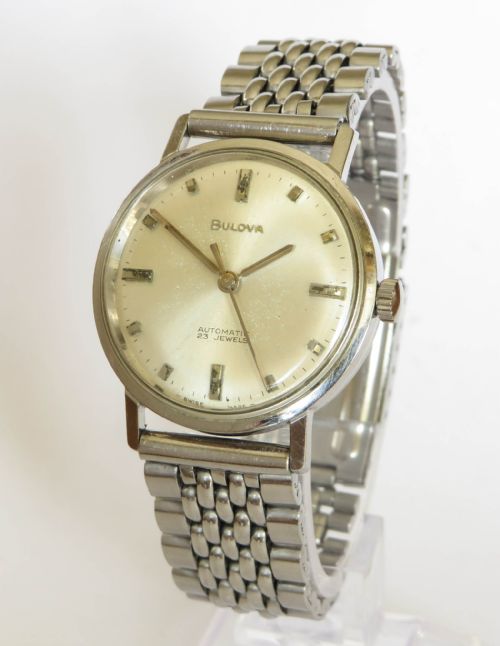
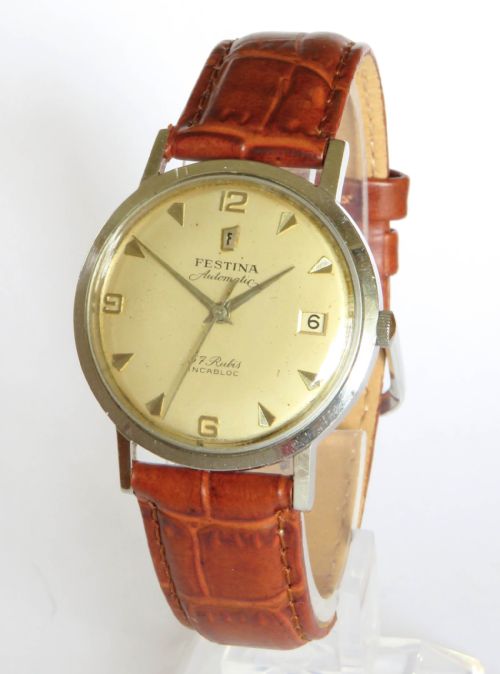
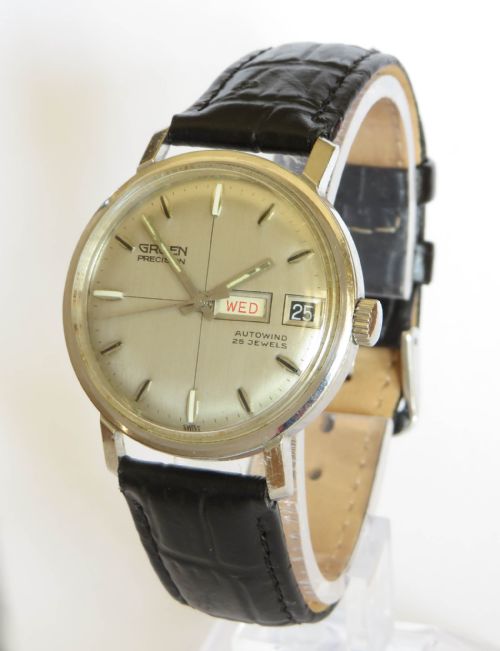
The version most commonly encountered on this page is a mid-century gents automatic watch featuring steel, gold plate, or solid nine-carat and eighteen-carat gold cases paired with leather straps.
These selections span everyday utility pieces from houses like Omega, Tudor, and Longines to dress variations embodying mid-century modern design principles.
How they were made
Cases combine metals such as stainless steel and solid gold with clear glass and acrylic crystals to protect the dial.
Movements utilise self-winding mechanical calibres, sometimes incorporating early bumper rotor systems to tension the mainspring from natural wrist movement.
Listings span the nineteen-forties, fifties, and sixties, utilising stainless steel, gold plate, nine-carat gold, and eighteen-carat gold materials.
What varies in quality
Lesser examples employ gold plating over base metals, replacement components, or dials showing heavy patination and wear.
Omega·Tudor·Hamilton·Seiko·Bulova·Festina·Gruen·Eterna Matic·IWC·DeRe·Bucherer·Avia·Primula·Wittnauer·Longines·Prisma·Rolex·Consul
The Vintage Automatic Timepiece Glossary
- Automatic
- A self-winding mechanical movement that uses a weighted rotor to wind the mainspring during wear. This removes the need for daily manual winding.
- Chronometer
- A precision watch that has passed rigorous accuracy tests conducted by an official observatory. These movements are adjusted for temperature and various positions.
- Calibre
- The specific internal mechanical movement manufactured by a watchmaker. Collectors reference this number to identify the exact technical generation of a piece.
- Bumper movement
- An early type of automatic winding mechanism where the rotor swings back and forth against buffer springs rather than rotating fully. It produces a distinct physical tap on the wrist.
Vintage Automatic Timepiece: Frequently Asked Questions
How do I wind an automatic watch?
Most automatic watches wind themselves through the movement of your wrist as you wear them throughout the day.
If the watch has stopped completely, you can give the crown a few manual turns to jumpstart the movement before putting it on.
Are these watches waterproof?
Vintage timepieces should generally be kept away from water regardless of original manufacturer claims.
Perishing rubber gaskets and age mean historical water resistance seals can no longer be trusted.
How accurate are vintage automatic watches?
A well-serviced vintage automatic movement typically keeps time to within a minute per day.
Chronometer-grade examples often achieve even tighter daily tolerances due to their higher specification adjustment.
What is a bumper automatic?
A bumper automatic uses an oscillating weight that swings through a limited arc rather than spinning in a full circle.
You can feel a gentle thud against your wrist as the internal spring-loaded weight hits its limit.