
Mid Century Timepiece
Mid century timepiece examples include wristwatches, desk clocks and wall clocks spanning the 1940s to the 1960s.
Mid Century Timepiece
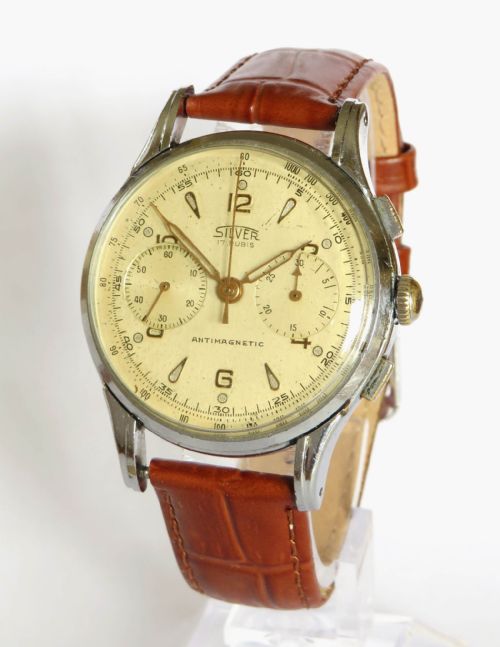
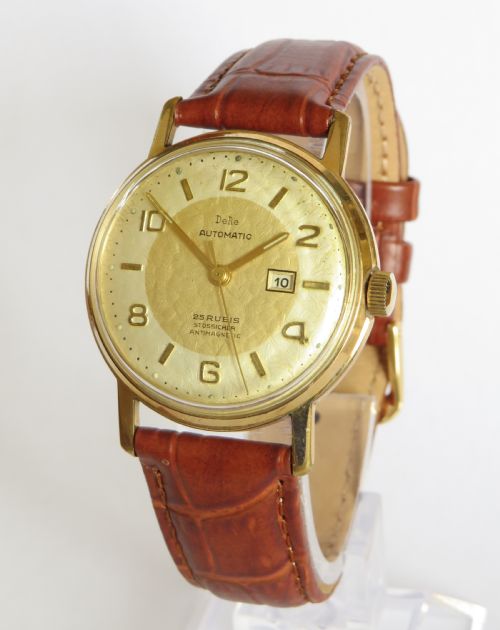
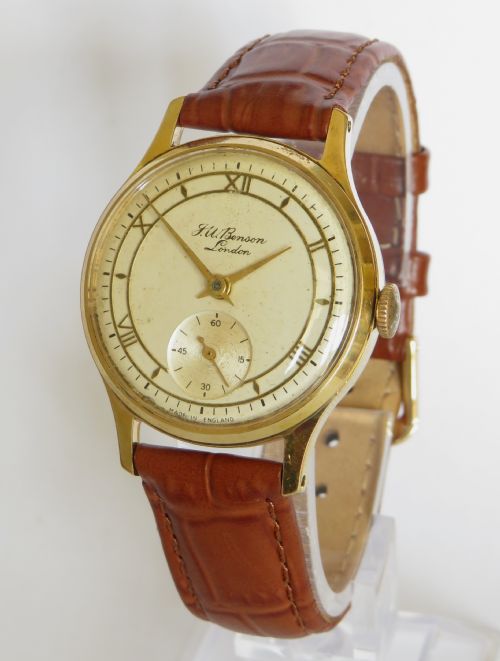
A mid century timepiece encompasses a wide variety of objects designed to measure hours and minutes during the middle decades of the twentieth century. When searching for a mid century timepiece, buyers frequently encounter personal wristwatches alongside functional mantel clocks, desk clocks and wall clocks. The selections span styles such as Mid-Century Modern, Industrial, Art Deco and Neoclassical Revival, originating from workshops in Britain, Switzerland and beyond.
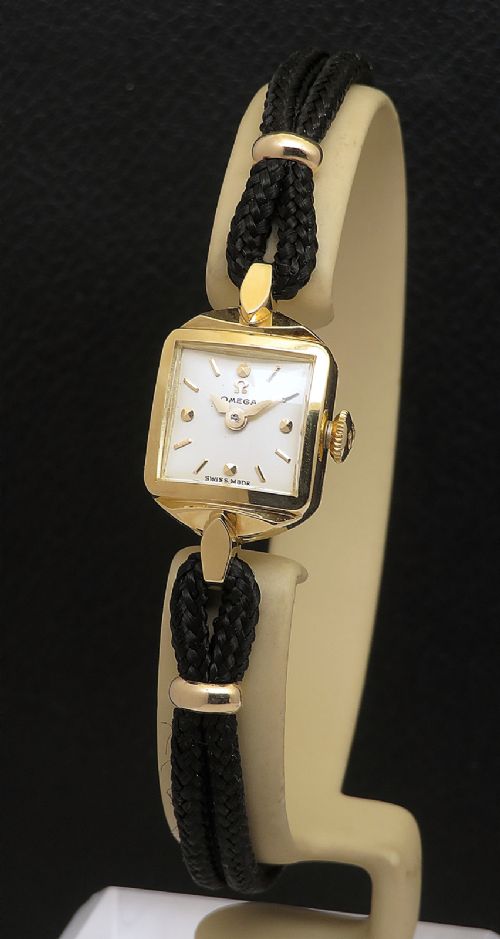
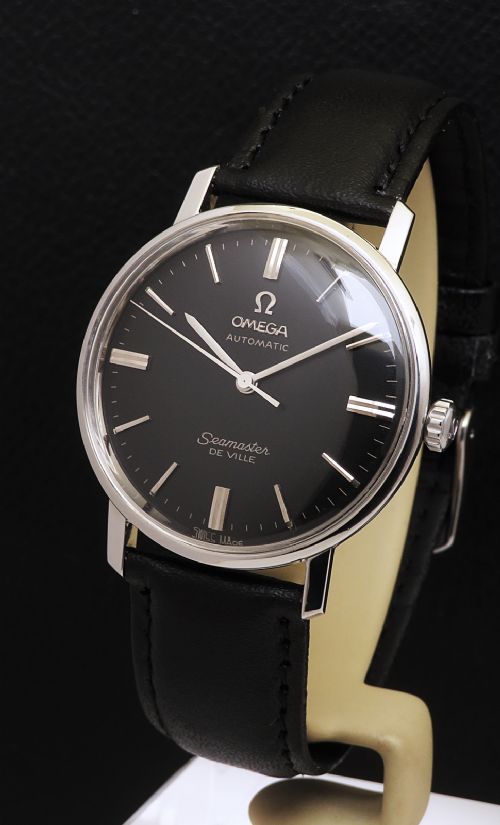
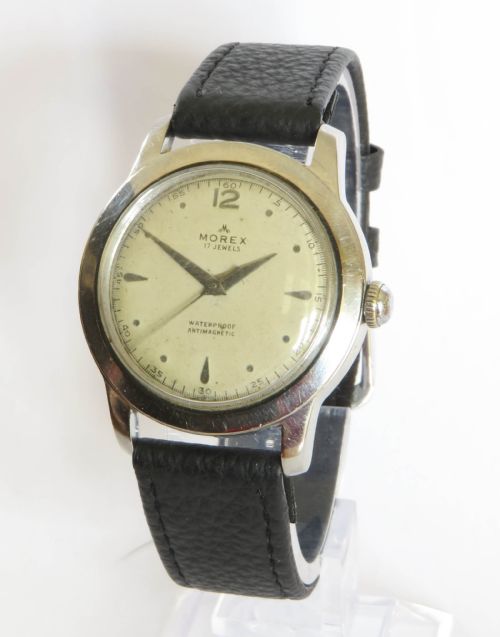
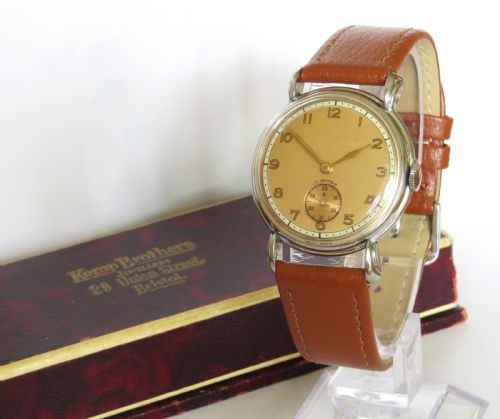
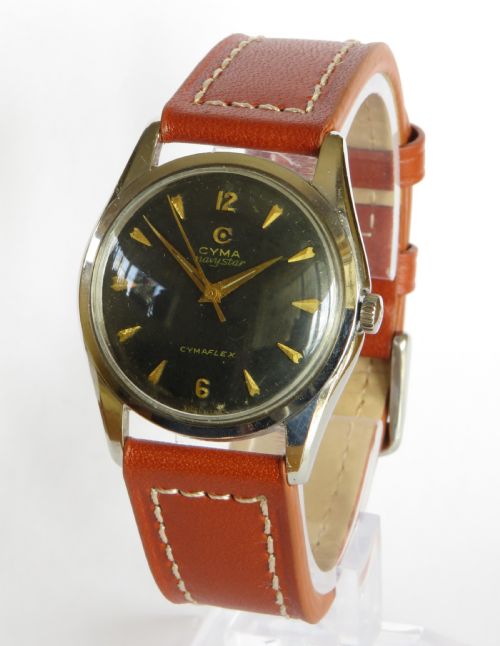
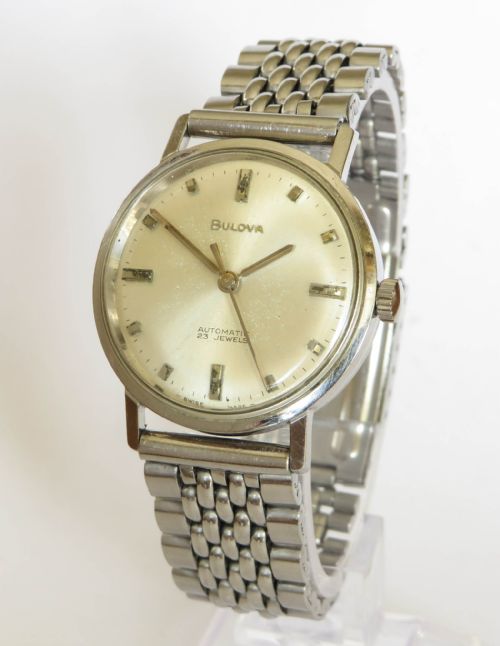
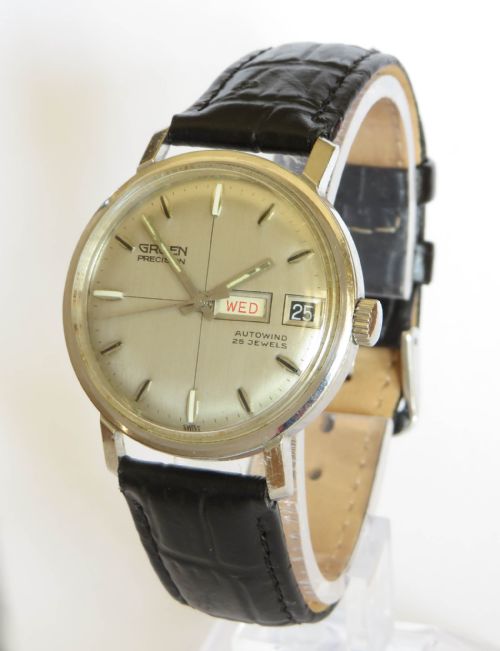
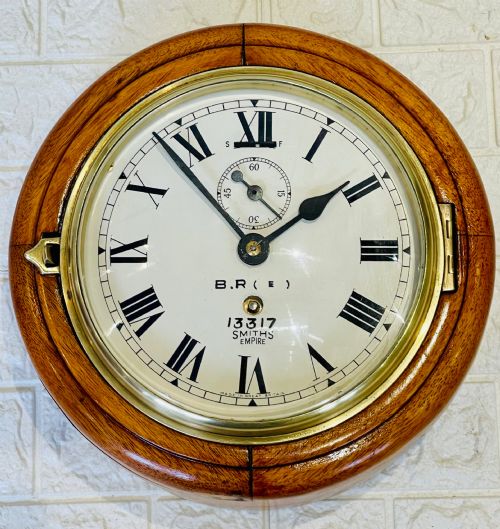
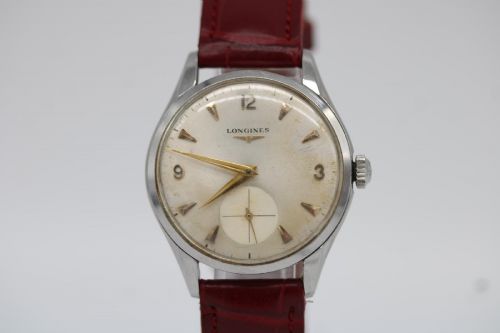
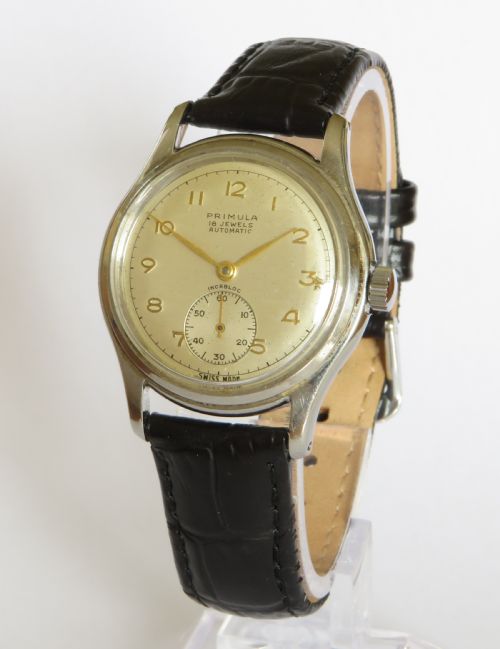
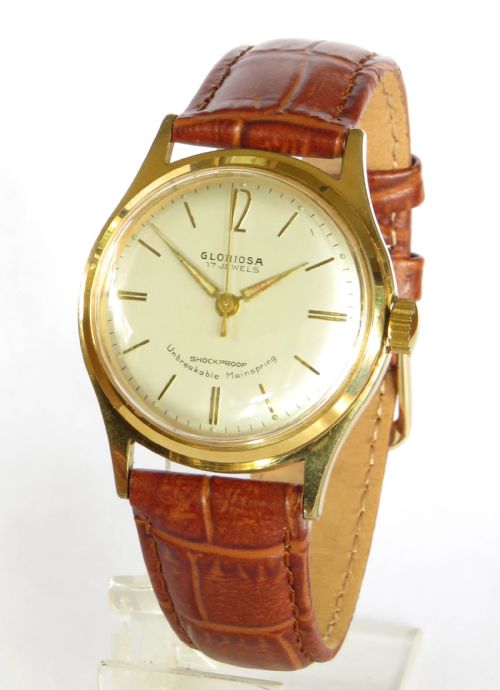
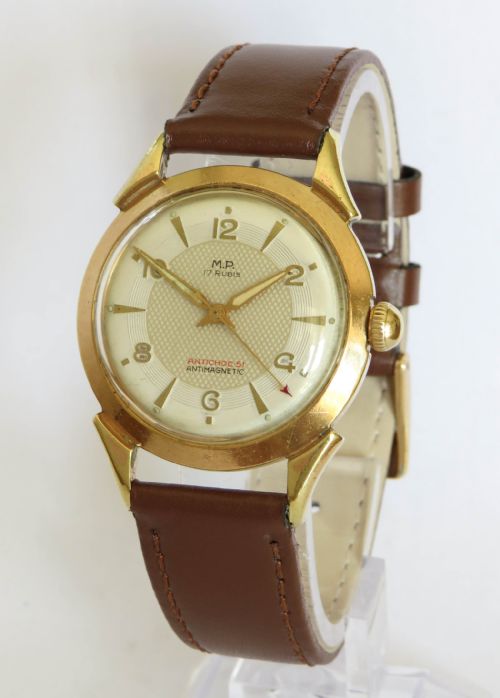
The objects appearing on this page range from robust gents automatic wristwatches to delicate ladies cocktail watches set in gold and diamonds. Larger wall and table clocks also feature, including pieces with military provenance or railway associations from the 1940s. Each mid century timepiece reflects the mechanical ingenuity and aesthetic priorities of its specific decade, from the robust chronographs of the 1950s to the clean geometry of the 1960s.
How they were made
Makers utilised durable metals like stainless steel and brass for robust watch cases and clock movements, while precious metals such as gold plate, solid 18ct yellow gold and 18ct white gold formed luxury housings. Selected pieces incorporated gemstones like diamonds for decorative cocktail models, alongside practical elements of leather for straps and glass or acrylic for crystal dials. Swiss movements provided precision internal engineering for many wristwatches.
Construction methods combined traditional hand-assembly of delicate jewelled movements with emerging industrial techniques for mass-produced housings. Desk clocks and carriage clocks often featured gilt metal casings enclosing multi-jewel mechanisms designed for eight-day operation. Meanwhile, wall clocks utilised heavy-duty metal frames suited to institutional or railway environments.
A railway wall clock originally kept time for waterways staff before finding a new home on a living room wall.
What varies in quality
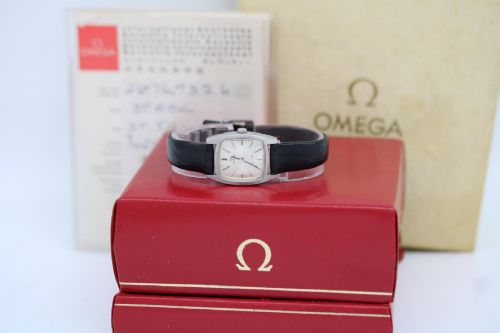
Quality differences in a mid century timepiece typically stem from the grade of materials employed for the case and the complexity of the internal movement. Solid gold housings and multi-jewel Swiss movements represent a higher standard of production compared to basic gold-plated or standard mechanical alternatives. The inclusion of original boxes, papers, or specialised complications such as chronograph functions or triple calendars further distinguishes finer examples.
The level of preservation also determines the standing of an item within its category. Examples described as fully restored, new old stock, or retaining all original components demonstrate greater integrity than heavily altered pieces. Furthermore, prestigious makers and signed dials elevate the overall execution of the object.
Omega·Bulova·Longines·Smiths·Cyma·Eterna
The Mid Century Timepiece Glossary
- Automatic watch
- A timepiece containing a mechanical movement that winds itself using the natural motion of the wearer's wrist. This self-winding mechanism relies on an internal weighted rotor.
- Carriage clock
- A small, spring-driven portable clock with a carrying handle, originally designed for travel. They often feature glass panels that reveal the internal mechanical movement.
- Jewel
- A synthetic ruby or sapphire bearing used as a low-friction bearing for pivots in mechanical watch movements. Higher jewel counts generally indicate a more refined calibre.
Mid Century Timepiece: Frequently Asked Questions
How do I wind a manual watch?
A manual watch requires turning the crown clockwise by hand until resistance is felt to tension the mainspring.
Overwinding can damage the internal mechanism, so winding should stop the moment resistance increases.
What is a jewelled movement?
A jewelled movement uses synthetic gemstones to reduce friction on rotating pivots within the watch.
This technology improves accuracy and extends the working lifespan of the internal mechanical components.
Are these clocks suitable for daily use?
Many desk and wall clocks function reliably for daily timekeeping after proper setting and routine maintenance.
Care should be taken to place them away from direct sunlight and excessive moisture.
How do I identify the production era?
Production eras are identified through stylistic cues, case design, typography on the dial and movement serial numbers.
Comparing these details with historical manufacturer records helps narrow down the exact decade of manufacture.