




Vintage Asian Tray
These vintage asian tray pieces span diverse decorative forms and periods, offering distinct visual appeal for collectors and interiors.
Vintage Asian Tray
When searching for a vintage asian tray, buyers encounter an eclectic mix of functional vessels and decorative displays originating from distinct Asian traditions. The items represented here stretch from the late seventeenth century through the early decades of the twentieth century, capturing varied artistic movements.
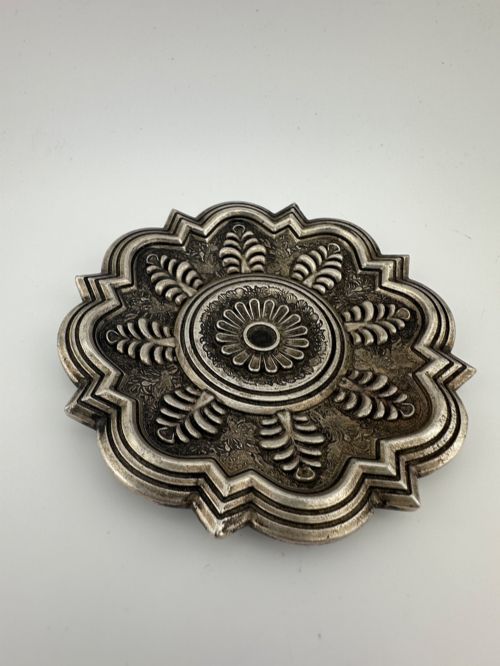
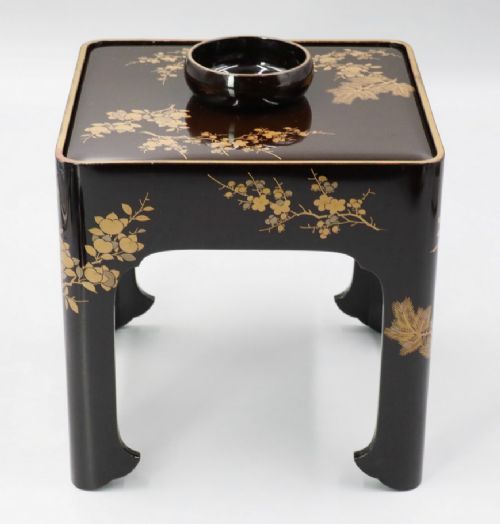
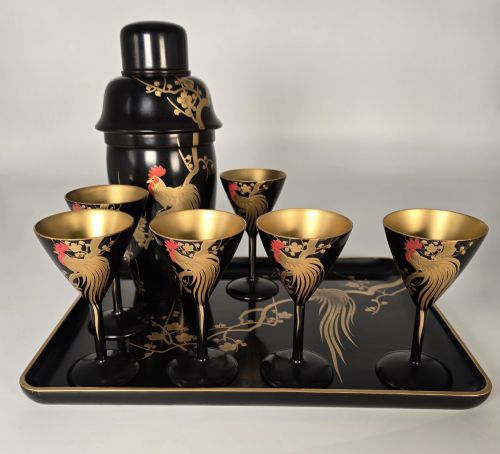
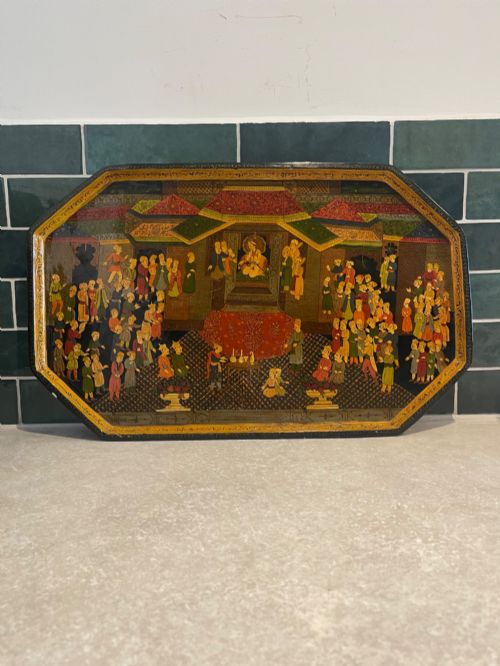
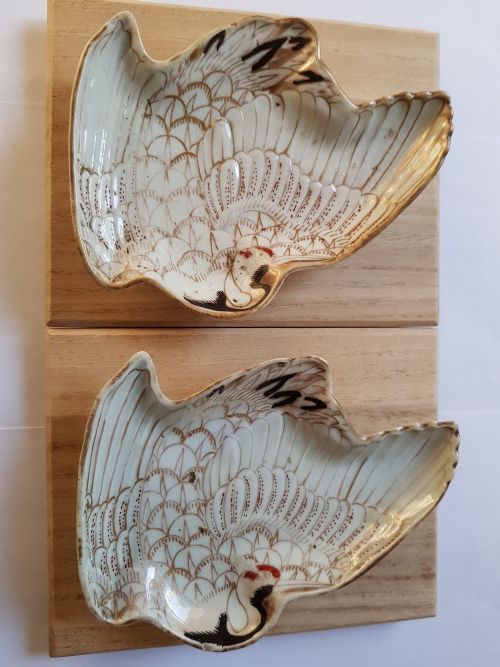
The selection includes Japanese Meiji and Taisho period lacquerware, Chinese export pieces, and Kashmiri papier-mache work. Forms range from decorative dishes and sake cups to larger plaques, trays, and barware.
How They Were Made
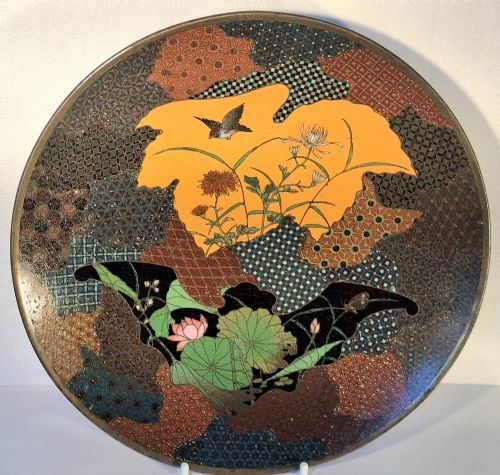
Materials span traditional lacquer, wood, gold leaf, porcelain, brass, white metal, nickel silver, and papier-mache. Artisans employed skilled surface treatments including hand painting, moulding in shallow relief, and cloisonne enamelling.
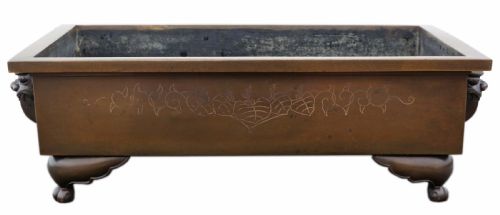
Metal items utilise cast bronze and brass alongside silver and white metal components. Lacquerware pieces demonstrate layered resin techniques often enriched with gold leaf or detailed pigment work.
Vintage Asian Tray Retail Price Guide 2026
Typical asking prices for vintage asian tray among the pieces listed under this phrase on Sellingantiques today, from the lower quarter to the upper quarter. They describe what is for sale here now, not the wider market.
Some koi fish manage to leap across trays without spilling a drop of sake.
What Varies in Quality
Execution of detail separates standard utility items from masterworks across these traditions. Finer examples display precise hand painting, intricate relief moulding, and meticulous application of gold leaf or enamel.
The integrity of surface materials, particularly in fragile lacquer and papier-mache pieces, dictates the preservation standard. Superior construction involves stable wood or metal foundations that support complex decorative layers without structural failure.
The Vintage Asian Tray Glossary
- Meiji Period
- The era in Japanese history spanning from 1868 to 1912, known for opening trade with the West and producing highly detailed decorative arts. Pieces from this time often showcase advanced metalwork and lacquer techniques.
- Imari Porcelain
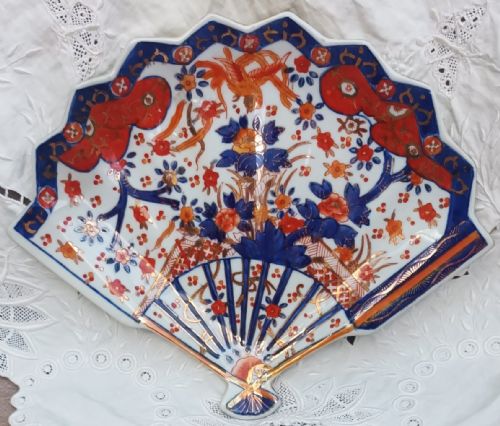
- A style of Japanese export porcelain characterised by a palette of underglaze blue, iron red, gold, and outlines in black. These wares were widely produced for both domestic and international markets.
- Cloisonne
- A decorative metalwork technique where compartments are created on a metal vessel by soldering flat metal wire to the surface. These cells are then filled with coloured enamel paste and fired.
- Papier-mache
- A composite material consisting of paper pieces or pulp bound with an adhesive, which can be moulded and painted when dry. Kashmiri artisans utilise this technique for decorative trays and boxes.
- Suiban
- A shallow Japanese basin traditionally used for displaying Ikebana floral arrangements or viewing stones. These vessels are typically manufactured from bronze, ceramic, or copper.
Vintage Asian Tray: Frequently Asked Questions
How were lacquer trays used?
Lacquerware vessels served both functional roles in dining and ceremonial settings, such as sake service, and purely decorative display functions. Their durable resin surfaces protected the wooden base from moisture.
Over time, many of these pieces transitioned into collector items showcased on walls or stands.
How do I care for papier-mache?
Papier-mache items require protection from excessive moisture, direct sunlight, and extreme temperature fluctuations. Gentle dusting with a dry cloth preserves the painted and lacquered surface.
Displaying these fragile pieces away from high-traffic areas prevents accidental impact damage.
How are different periods identified?
Periods are determined through stylistic motifs, manufacturing techniques, and specific material compositions characteristic of eras like the Meiji or Qianlong periods. Markings, when present, provide additional chronological context.
Comparing construction methods helps differentiate late nineteenth-century items from later twentieth-century productions.