







Vintage Asian Pottery
These vintage asian pottery pieces bring together centuries of tradition, offering intricate hand-painted detail and distinctive ceramic forms for your interior.
Vintage Asian Pottery
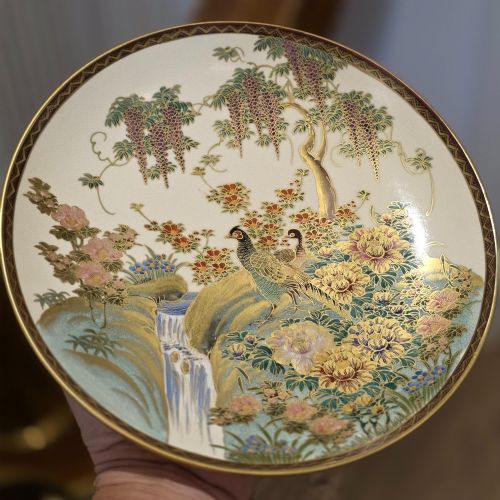
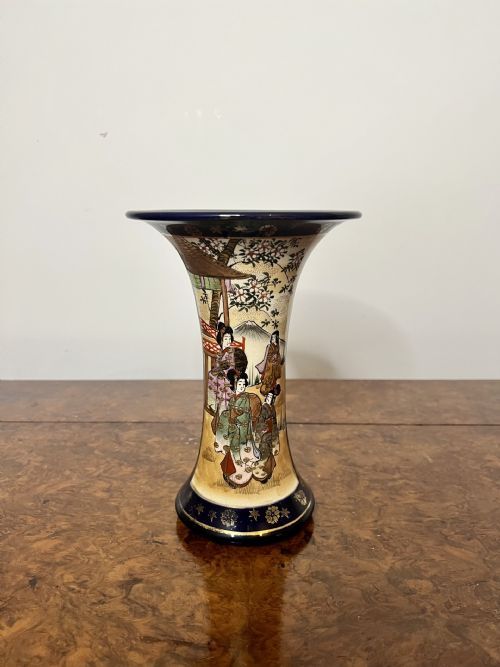
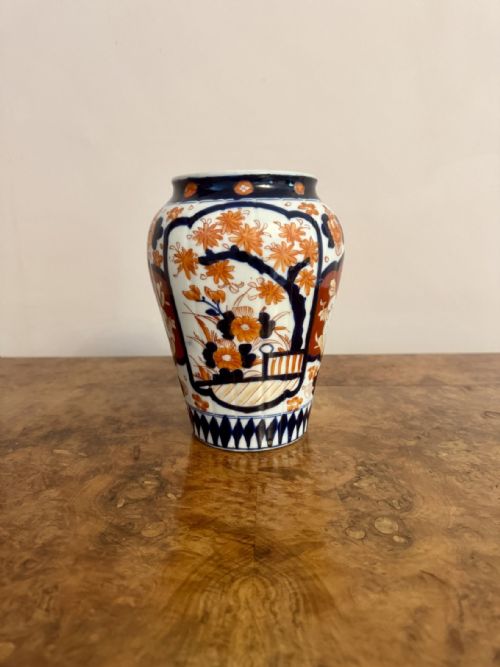
Vintage asian pottery encompasses a diverse selection of decorative items, including vases, bowls, plates, and figures originating from Japan and China. When exploring this selection, buyers frequently encounter Japanese Satsuma earthenware alongside Imari and Kutani porcelain.
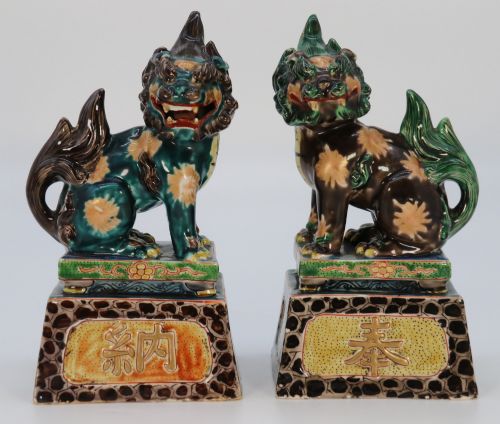
The objects span multiple eras, notably the Meiji and Taisho periods, as well as the wider nineteenth and early twentieth centuries. Forms range from miniature vessels and tea jars to large floor-standing vases and Buddhist lion sculptures.
How they were made
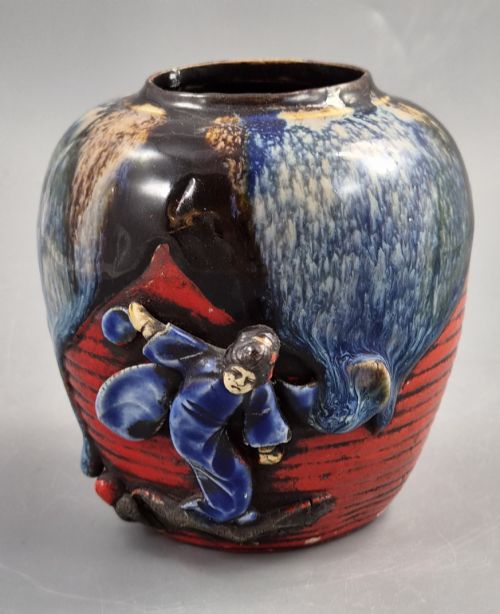
Makers shaped these items from earthenware, stoneware, and porcelain, applying detailed glazes, enamel, and gold leaf decoration by hand. Many vessels feature textured surfaces created through applied figures or relief work alongside precise brushwork.
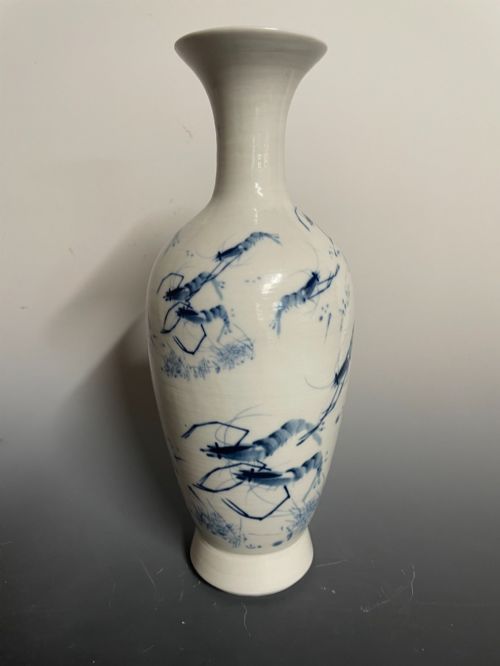
Techniques varied from traditional Chinese blue and white painting to intricate Japanese Satsuma polychrome enamel work finished with gilt accents. Kiln firing methods produced various finishes, including blue flambé glazes and crackled ceramic surfaces.
Vintage Asian Pottery Retail Price Guide 2026
Typical asking prices for vintage asian pottery among the pieces listed under this phrase on Sellingantiques today, from the lower quarter to the upper quarter. They describe what is for sale here now, not the wider market.
A musical band of seven glazed pottery figurines brings harmonious terracotta cheer to the shelf.
What varies in quality
Quality rests upon the precision of the hand-painted brushwork, the richness of the enamel and gilt application, and the overall balance of the ceramic form. Pieces featuring detailed figural processions or complex landscape scenes demand greater skill from the artisan.
The clarity of kiln glazes and the refinement of applied relief elements also distinguish standard output from exceptional workshop productions. Signed pieces from recognised makers often display superior definition in both the pottery body and the surface decoration.
Koshida·Chosei·Hakusan·Taniguchi·Makuzu Kozan II
The Vintage Asian Pottery Glossary
- Satsuma
- A type of Japanese earthenware featuring a crackled ivory glaze decorated with polychrome enamels and gold leaf. It originated in Satsuma Province before production spread to Kyoto and Tokyo.
- Imari
- Japanese porcelain decorated in underglaze blue and contrasting overglaze red, green, and gold. This style developed during the Edo period for both domestic use and export.
- Kutani
- Japanese porcelain and pottery known for bold colour palettes, particularly iron-red and deep greens. Pieces often depict figurative scenes, birds, and natural landscapes.
- Okimono
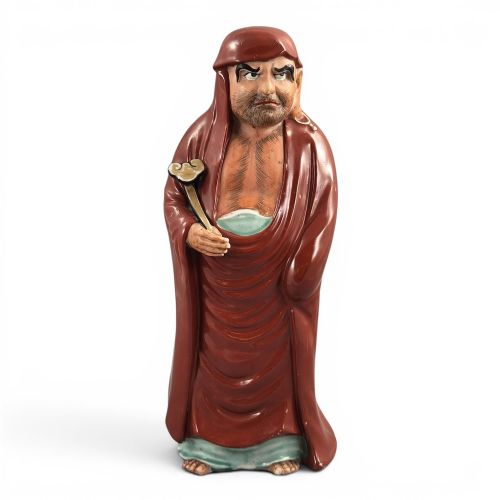
- A Japanese freestanding ornamental figure designed for display on a shelf or in a traditional alcove. These sculptures portray historical figures, deities, and animals in ceramic or porcelain.
- Flambé glaze
- A streaked or mottled ceramic glaze resulting from complex chemical reactions in the kiln during firing. This technique produces deep blue and purple tonal variations.
- Sancai
- A traditional Chinese three-colour lead-glazed pottery style associated with Tang Dynasty aesthetics. The glazes typically combine amber, green, and cream tones.
Vintage Asian Pottery: Frequently Asked Questions
How do I identify Satsuma pottery?
Satsuma pieces typically display a distinct cream-coloured earthenware body covered in a fine network of crackled glaze. They are further characterised by dense, colourful enamel decorations enriched with gold leaf.
Many examples feature traditional Japanese figures, landscapes, or floral motifs painted with exceptional miniature detail. Examining the base often reveals workshop signatures or artisan names painted in iron-red.
What is the difference between Imari and Kutani?
Imari porcelain relies on a strict palette of underglaze blue, iron-red, and gold, often arranged in symmetrical geometric and floral patterns. The style originated in Arita and was shipped through the port of Imari.
Kutani pottery utilises a broader and more vibrant range of enamel colours, particularly greens, purples, and yellows alongside reds. Kutani decoration frequently focuses on narrative figure scenes and detailed natural subjects rather than repeating patterns.
Can these vases be used for fresh flowers?
While many of these items were created as decorative display pieces or scholar's objects, certain earthenware and porcelain vessels can hold water. However, antique porous bodies and delicate overglaze enamels require careful handling to prevent moisture damage.
It is generally advisable to utilise a discreet internal glass liner if you intend to display fresh stems inside a delicate antique vase.
How do I date a piece of vintage Asian pottery?
Dating relies on examining the ceramic body, glaze characteristics, style of decoration, and any base marks or signatures. Pieces from the Meiji period often exhibit meticulous hand-painted detail and specific studio stamps.
Comparing the form and manufacturing technique against known historical periods helps narrow down the decade of production. Stylistic shifts between nineteenth-century export wares and early twentieth-century items provide further chronological clues.