






Vintage Asian Earthenware
These vintage asian earthenware pieces bring intricate hand-painted detail and rich historical craft into your home.
Vintage Asian Earthenware
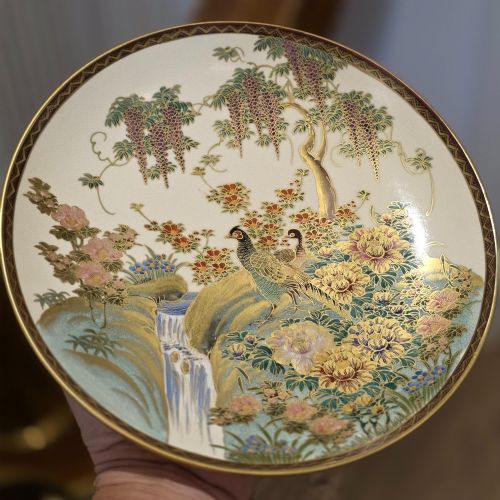
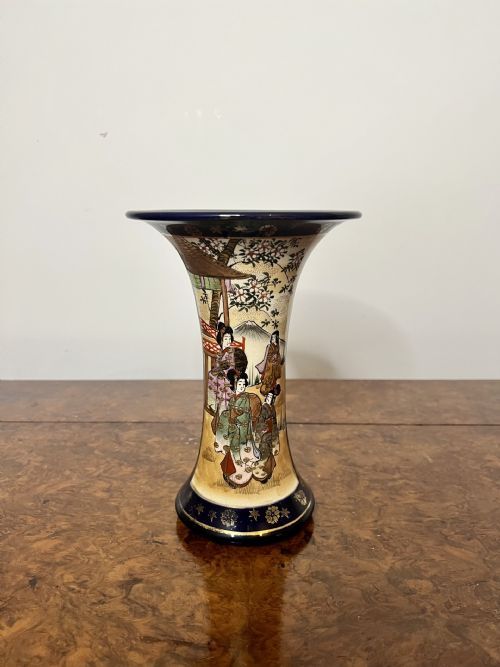
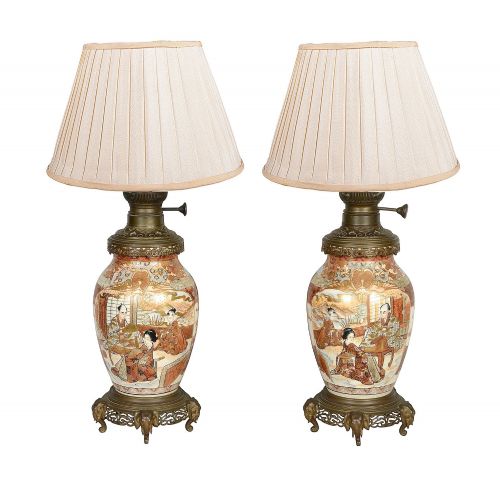
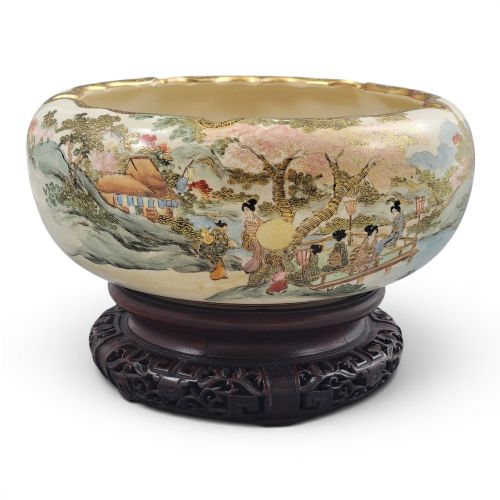
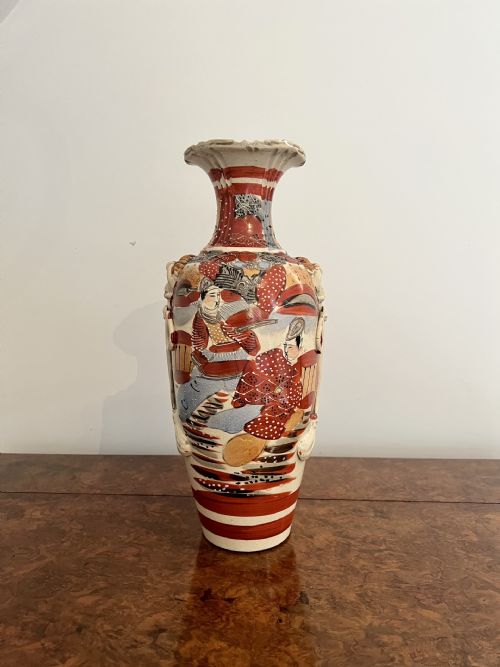
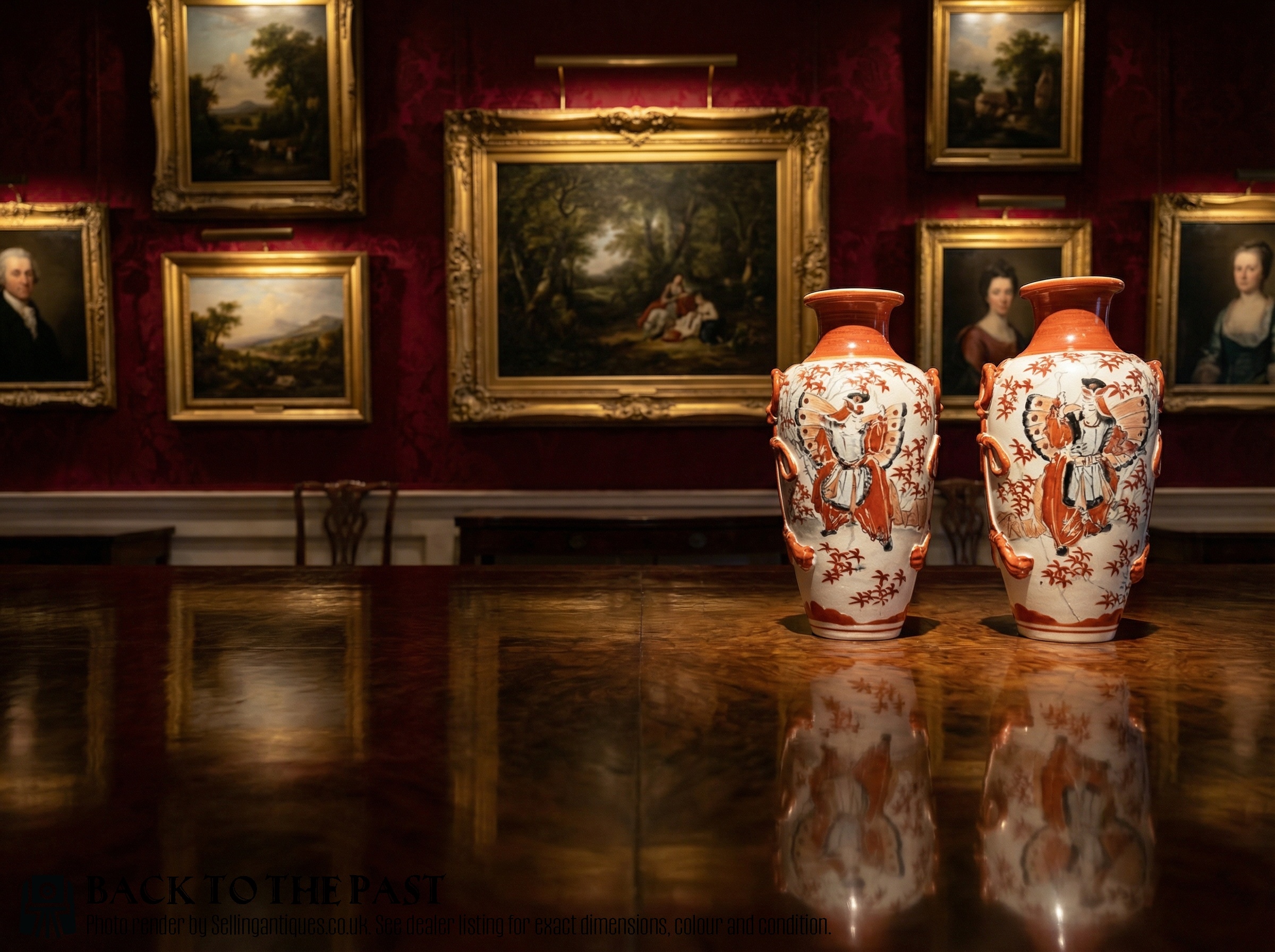
When you search for vintage asian earthenware, you find a collection dominated by Japanese Satsuma ceramics, including vases, bowls, dishes, and tea jars spanning the nineteenth century into the early twentieth century. These objects showcase traditional forms, ranging from miniature vessels to large decorative pieces and table lamps.
The selection also includes Tang Dynasty style sancai glazed pottery figurines, decorative plates, and ceramic roof ornaments alongside stoneware jardinieres. Pieces often date from the Meiji period, Edwardian era, and the Taisho or Showa periods, reflecting distinct historical shifts in export pottery.
Materials and construction
Potters shaped these items from earthenware and stoneware, applying glazes that created suitable surfaces for detailed pictorial work. Many pieces integrate enamel and gold leaf to accent painted figural processions, landscapes, and floral motifs such as wisteria gardens.
Some examples incorporate supplementary materials like wood, brass, and silk, particularly in conversions to table lamps or in fitted presentation elements. Artisans utilised careful firing techniques to prepare the ceramic body before adding intricate polychrome and gilt decorations.
Vintage Asian Earthenware Retail Price Guide 2026
Typical asking prices for vintage asian earthenware among the pieces listed under this phrase on Sellingantiques today, from the lower quarter to the upper quarter. They describe what is for sale here now, not the wider market.
A musical band of seven figures stands ready to play, frozen forever in sancai glazed pottery.
Assessing quality in the collection
Quality rests upon the precision of the hand-painted enamel work and the sparing, effective use of gold leaf across the ceramic surface. Superior examples demonstrate a high level of control in depicting complex figural scenes, landscapes, and architectural details.
The reputation of the maker and the clarity of signatures or studio marks elevate certain vessels above standard commercial wares. Furthermore, the overall crispness of the moulded form and the preservation of the delicate glaze establish the standing of each piece.
Koshida·Shizan·Chosei·Hakusan·Tokyo Taizan·Makuzu Kozan II
The Vintage Asian Earthenware Glossary
- Satsuma
- A type of Japanese earthenware originating from Satsuma Province, traditionally featuring a ivory-coloured, crackle-glazed surface decorated with enamel and gold leaf. It became especially popular for export during the Meiji period.
- Meiji Period
- A span of Japanese history lasting from eighteen sixty-eight to nineteen twelve, marked by extensive international trade and the production of highly detailed decorative arts for Western markets.
- Sancai
- A traditional Chinese three-colour glaze technique, frequently emulated in later pottery figures and vessels using amber, green, and cream tones.
- Jardiniere
- A large decorative ceramic pot or container designed to hold growing plants or flowers, often displayed on tables or pedestals.
- Enamel
- Opaque or translucent glass-like material applied to ceramic surfaces and fired to produce vibrant, durable colours in decorative designs.
Vintage Asian Earthenware: Frequently Asked Questions
What is Satsuma ware?
Satsuma ware is a distinct style of Japanese pottery characterised by a fine crackle glaze and ornate enamel and gilt decoration. These pieces were produced in large quantities for export during the late nineteenth and early twentieth centuries.
Craftsmen often illustrated them with narrative scenes, landscapes, and floral patterns. They include everything from tiny miniature vases to large floor jars.
How do I date these items?
Dating relies on stylistic markers, historical periods such as the Meiji era, and occasionally artist signatures or studio marks. The intricacy of the enamel work and the presence of specific decorative motifs help narrow down the decade of production.
Many pieces fall between the late nineteenth century and the nineteen thirties. Examining the base and the nature of the ceramic body also provides clues to its age.
Were these pieces meant for daily use?
Most of these decorative vessels and figurines were created primarily for display rather than practical utility. Export wares from this period were designed to appeal to Western tastes for exotic interior decoration.
Items like tea jars and dishes had functional origins but served largely as ornamental objects in European and American homes. Today, they remain suited for decorative placement around the home.
How should I care for vintage ceramics?
These pieces require gentle handling due to their delicate enamel and gold leaf surfaces. Dust them softly with a dry cloth and avoid using chemical cleaners or immersing them in water.
Keep them away from direct sunlight to preserve the vibrancy of the painted details. If a piece is wired as a table lamp, ensure the electrical components are checked by a professional.