



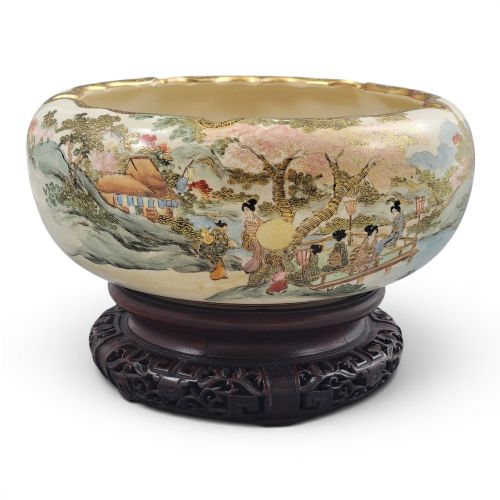


Vintage Asian Bowl
A vintage asian bowl brings centuries of overseas craftsmanship directly to your table, spanning delicate porcelain and heavy bronze.
Vintage Asian Bowl
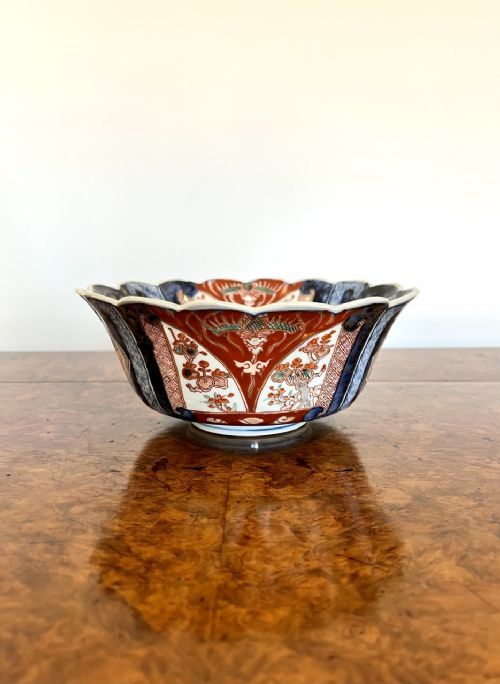
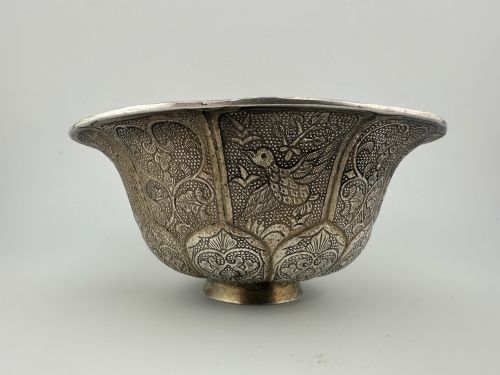
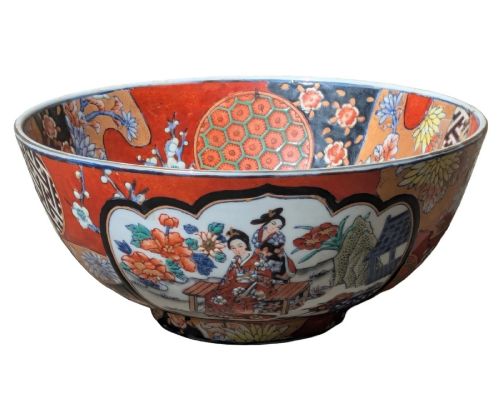
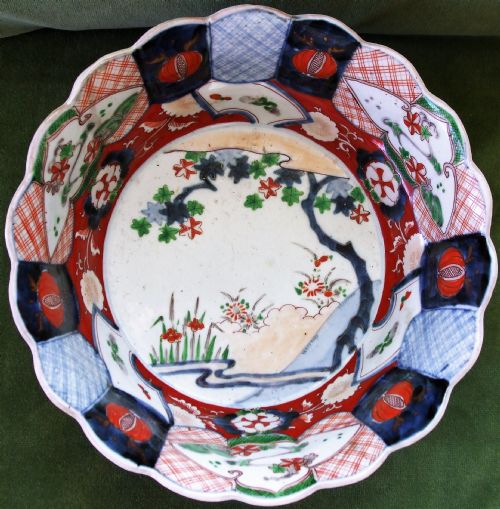
A vintage asian bowl encompasses a wide range of decorative vessels originating from China, Japan, and Thailand. The selection most commonly includes Japanese Imari porcelain bowls alongside Chinese bronze and silver vessels dating from the late nineteenth century.
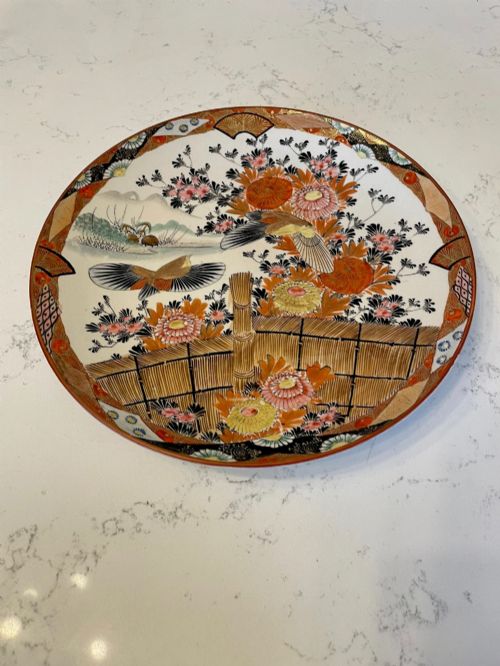
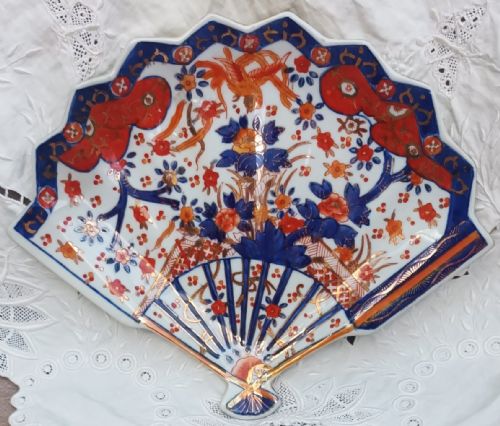
Forms stretch from small lacquer sake cups and scallop-edged dishes to large jardiniere pots and charger plates. Makers across different regions utilised distinct palettes, from the cobalt blues of porcelain to the intricate multi-coloured details of enamel work.
How they were made
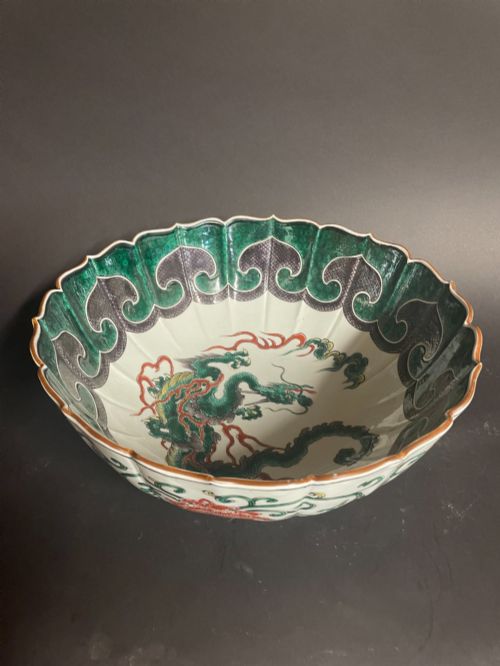
Ceramic pieces rely on traditional porcelain and pottery techniques, shaped and fired before receiving hand-painted designs in cobalt blue, famille rose, or Imari patterns. Artisans also worked extensively with metals, casting bronze and brass vessels or hammering solid silver.
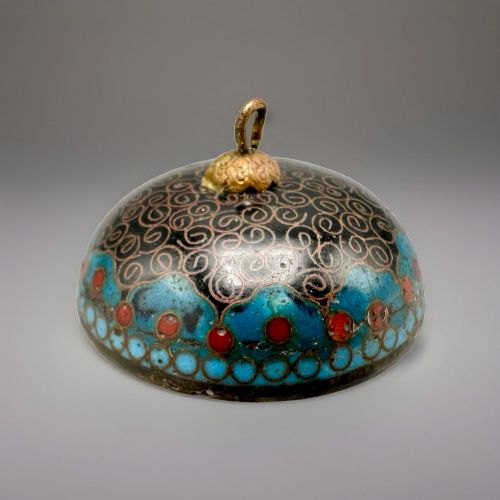
Cloisonne enamel involves soldering delicate metal wires onto a bronze or copper base to create cells filled with vitreous paste, which are then fired and polished. Lacquer pieces require building up multiple layers of natural tree sap on wood bases to form a hard, smooth surface.
Vintage Asian Bowl Retail Price Guide 2026
Typical asking prices for vintage asian bowl among the pieces listed under this phrase on Sellingantiques today, from the lower quarter to the upper quarter. They describe what is for sale here now, not the wider market.
Listings feature items spanning the eighteenth century through the 1930s, incorporating materials such as porcelain, bronze, silver, and wood.
What varies in quality
Quality rests upon the precision of the handwork, whether in the crispness of the enamel cells on a cloisonne bowl or the brush control on hand-painted porcelain. Heavier bronze and brass castings show greater depth in their relief decoration and structural stability.
Signatures by renowned masters or workshops elevate certain pieces, indicating a higher standard of production during periods such as the Meiji era. The preservation of original surface finishes, gilding, and gold leaf also distinguishes finer examples from standard decorative items.
Shizan
The Vintage Asian Bowl Glossary
- Imari
- A style of Japanese porcelain decorated in underglaze blue and overglaze red, gold, and green. It originated in the town of Arita and became widely exported to Europe.
- Cloisonne
- An enamelwork technique where metal wires form compartments on a base object to hold coloured paste. These pieces are fired and polished smooth.
- Jardiniere
- A large decorative pot or stand used for holding plants or flowers. Examples in the evidence appear in bronze and ceramic forms.
- Satsuma
- A type of Japanese earthenware featuring a pale, ivory-coloured crackle glaze. Pieces are typically decorated with elaborate polychrome and gilt designs.
- Famille Rose
- A palette of Chinese porcelain enamels dominated by opaque pink or rose colours. This style gained prominence during the Qing dynasty.
Vintage Asian Bowl: Frequently Asked Questions
What materials are these bowls made from?
The selection includes vessels formed from porcelain, pottery, bronze, brass, silver, and wood. Many metal items incorporate cloisonne enamel and gold leaf detailing.
Surfaces often feature hand-painted glazes or intricate metalwork reflecting specific regional traditions across China and Japan.
How can I tell the period?
Dating relies on stylistic markers, materials, and documented eras such as the Meiji period or Qing dynasty. Nineteenth and early twentieth-century pieces often display specific manufacturing traits and glaze characteristics.
Makers' marks and signatures stamped or painted on the base also help establish the chronological origin of ceramic and metal vessels.
How were these bowls originally used?
Many smaller dishes and bowls served functional dining purposes, including specific vessels like sake cups. Larger forms functioned as decorative presentation pieces, charger plates, or planters.
Jardinieres and heavy bronze bowls were designed to hold plants or display floral arrangements within domestic interiors.
How do I care for antique metal and porcelain?
Porcelain and cloisonne items require gentle cleaning with mild soap and soft cloths to protect delicate glazes and enamel surfaces. Avoid harsh abrasurs that might damage the finish.
Bronze and silver pieces benefit from dusting and occasional careful cleaning appropriate for metal antiques to maintain their natural patinas.