



Vintage Ash Table
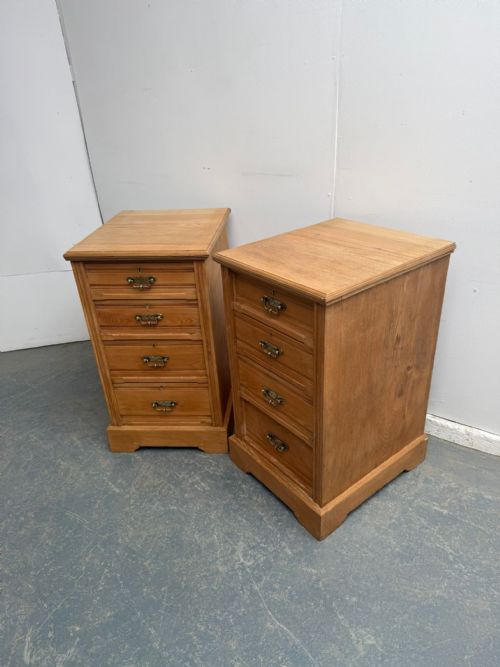
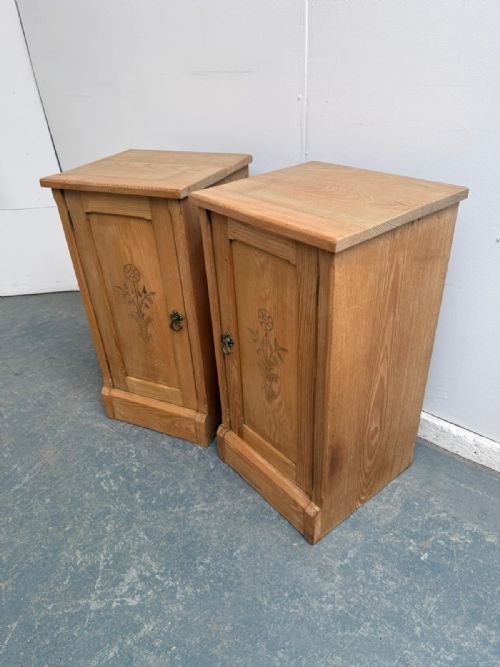
These vintage ash table examples bring honest timber character to a room, ranging from Edwardian bedside cabinets to robust farmhouse forms.
Vintage Ash Table
A vintage ash table brings tactile domestic history to a room, spanning forms like writing desks, gateleg side tables, and sturdy farmhouse dining pieces. The selection here reflects diverse periods, including the Victorian era, the Edwardian years, and late 17th-century craftsmanship.
Buyers most frequently encounter side tables and bedside cabinets finished in waxed ash, often associated with Arts and Crafts simplicity or rustic farmhouse utility. Hungarian ash and solid ash constructions also appear, showing the pale timber grain across different historic decades.
Materials and construction
Cabinet makers utilised solid ash and oak timbers, frequently pairing the pale wood with secondary elements like elm in treen stands and brass hardware. Waxed finishes protect the surface while accentuating the distinct natural grain of the timber.
Gateleg mechanisms and multi-drawer arrangements required precise joinery, seen in writing desks and small-proportion side tables built to endure generations of daily use.
Vintage Ash Table Retail Price Guide 2026
Typical asking prices for vintage ash table among the pieces listed under this phrase on Sellingantiques today, from the lower quarter to the upper quarter. They describe what is for sale here now, not the wider market.
The listings on this site record ash tables spanning the 17th century through the Victorian and Edwardian periods.
Assessing quality
Quality rests in the integrity of the timber selection and the retention of original surface treatments like traditional wax finishes. Pieces maintaining their untouched condition stand apart from those altered by modern restorations.
Proportion and domestic scale dictate the desirability of a piece, with smaller gateleg tables and matched pairs of bedside cabinets demonstrating finer domestic utility than standard utilitarian forms.
William Neale
The Vintage Ash Table Glossary
- Ash
- A hard, tough European timber prized for its pale colour and pronounced open grain. It bends well and forms the structural basis for many traditional rustic and Arts and Crafts furnishings.
- Gateleg table
- A drop-leaf table with hinged legs that swing out to support the extended leaves. This clever space-saving design became popular in the 17th century.
- Arts and Crafts
- A design movement valuing handcraft, vernacular traditions, and simple functional forms over industrial ornamentation. Ash was a favourite material for makers working in this honest aesthetic.
- Treen
- Small handmade wooden domestic objects and treen wares, ranging from candle stands to small stools. These items highlight vernacular turning and carpentry skills.
- Hungarian ash
- A distinct figured variety of ash wood showing dramatic swirling patterns in the grain. Cabinet makers utilised this timber for decorative veneer and solid surfaces on finer tables.
Vintage Ash Table: Frequently Asked Questions
How do I date an ash table?
Dating relies on observing construction methods, hardware, and stylistic markers associated with periods like the 17th century, Victorian era, or Arts and Crafts movement. Joinery techniques and timber preparation provide clear clues to the decade of manufacture.
Comparing known pieces from the same era helps establish a reliable timeline.
Where were these tables used?
These tables served various domestic functions throughout the home, from farmhouse kitchens and bedrooms to studies and parlours. Smaller side tables and bedside cabinets provided convenient surfaces for daily necessities.
Larger gateleg and farmhouse tables accommodated dining and writing tasks in family spaces.
How do I care for waxed ash?
Maintaining waxed ash requires simple dusting with a soft, dry cloth to protect the historic surface. Occasional application of traditional beeswax nourishes the timber and preserves the natural grain.
Keep these tables away from direct heat sources and moisture to prevent the wood from drying out.