
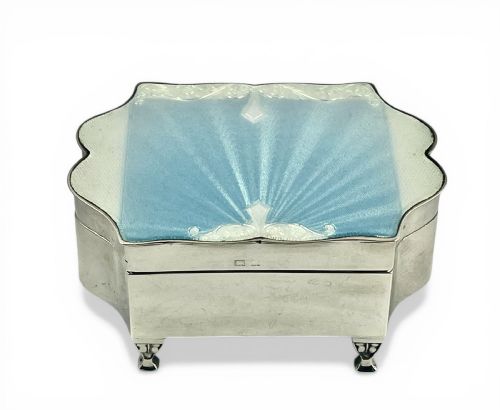


Vintage Art Deco Trinket Box
A vintage art deco trinket box holds dressing table pins and powder with geometric order and tactile weight.
Vintage Art Deco Trinket Box
A vintage art deco trinket box sits on dressing tables and desks to hold small valuables, powder, or cigarettes. These pieces take forms such as vanity jars, powder bowls, and rectangular presentation boxes.
The versions most common on this page date predominantly from the 1920s and 1930s, alongside occasional Edwardian and Victorian predecessors. They emerge from British silversmiths, continental potteries, and French glass houses.
Makers shaped these items for practical storage while applying the clean lines and symmetrical motifs characteristic of the period. Buyers select them for both utility and distinct table presence.
How They Were Made
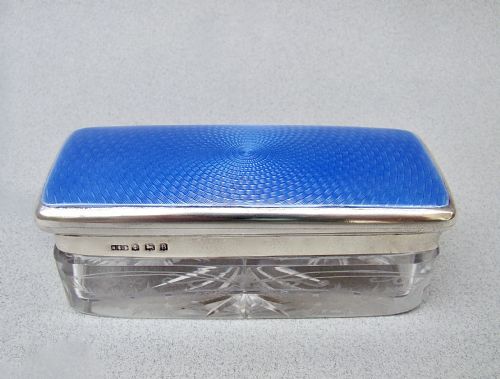
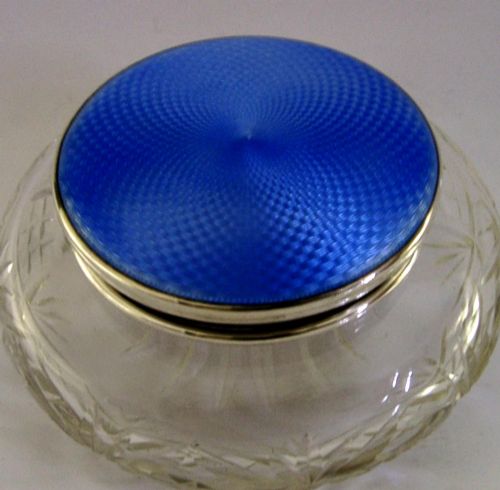
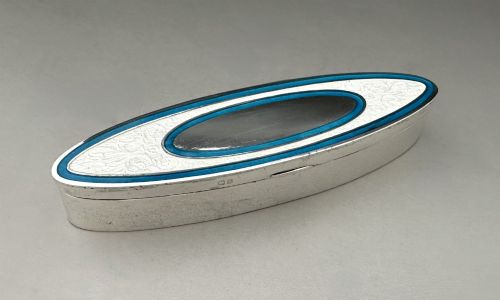
Silversmiths hammered and pressed sterling silver, often pairing the metal with guilloche enamel in translucent blue, pink, or white tones. Makers inscribed geometric patterns into the base metal before layering the coloured vitreous coatings.
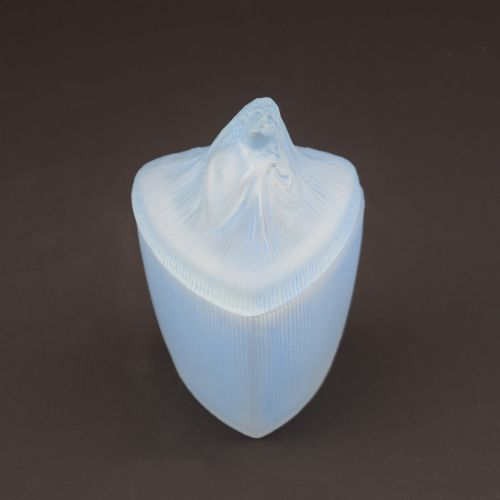
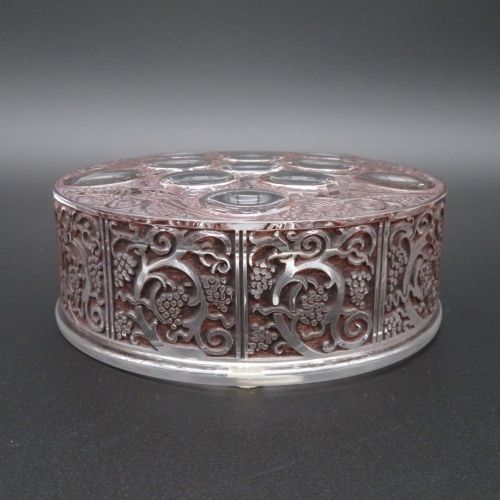
Glass houses utilised mould-pressed crystal and frosted glass, seen in pieces from makers like René Lalique and Hoffman. Potters cast ceramic and porcelain bodies, frequently combining them with fabric or half-doll figures for powder boxes.
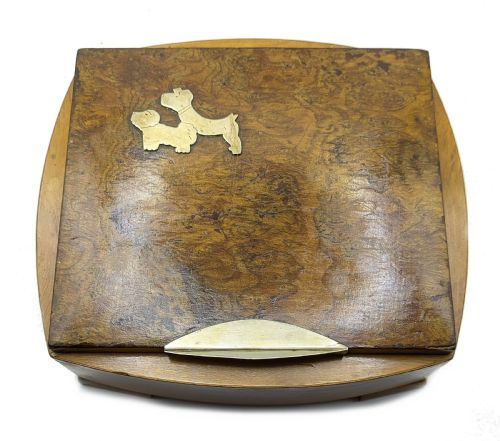
Cabinet makers utilised exotic woods, leather, shagreen with bone and brass trim, and white onyx with malachite. Each material demanded specific joinery, mounting, or casting techniques suited to the intended function of the box.
Listings feature materials spanning sterling silver, porcelain, enamel, wood, ceramic, glass, leather, shagreen, and white onyx.
What Varies in Quality
The standard of a piece rests upon the crispness of its casting and the precision of its engine-turned or enamel work. Hand-applied guilloche enamel displays depth and regularity without chipping or clouding.
Material selection separates standard production from exceptional examples, as seen in heavy-gauge sterling silver, flawless crystal, and genuine shagreen over rigid carcases. Maker attribution further distinguishes workshop output from anonymous mass manufacture.
The integrity of hinges, fitted trays, and interior linings indicates the original grade of construction. Pieces retaining functional internal elements maintain higher fidelity to their intended purpose.
Henry Clifford Davis·Mappin And Webb·Rene Lalique·Sigvard Bernadotte·Georg Jensen·Van Cleef And Arpels·W M F
The Vintage Art Deco Trinket Box Glossary
- Guilloche
- A decorative engraving technique where a mechanical lathe cuts precise, repeating geometric patterns into metal. This patterned surface often receives translucent enamel coatings.
- Shagreen
- Untanned leather prepared from shark or ray skin, identifiable by its distinct granular texture. It finds use as a decorative covering on luxury boxes.
- Half Doll
- A ceramic or porcelain figure moulded from the waist up, historically mounted to the lids of powder and trinket boxes. These figures often depict fluss or jester characters.
- Onyx
- A banded variety of chalcedony quartz used in architectural and decorative objects. It provides a heavy, smooth stone body for desk boxes.
- Mould-Pressed
- A manufacturing method where molten glass is pressed into a metal mould to form high-relief decoration. This technique defines many twentieth-century crystal vanity items.
Vintage Art Deco Trinket Box: Frequently Asked Questions
How do I date an art deco box?
Dating relies upon hallmarks on silver components, registry numbers, and stylistic markers specific to the interwar decades. British silver pieces carry assay office marks and date letters that pinpoint the exact year of manufacture.
Material choices like shagreen, white onyx, and moulded crystal also align with particular periods between the first and second world wars. Comparing the construction methods with documented maker portfolios narrows the timeline further.
What were powder boxes used for?
Powder boxes held loose cosmetic face powder on dressing tables before the widespread adoption of modern compacts. Women used them alongside puff applicators during daily grooming routines.
Many incorporate ceramic half-doll figures or crystal bowls designed to sit centrally among vanity jars. Their decorative nature meant they remained on display rather than stored away.
What is the difference between a trinket box and a cigarette box?
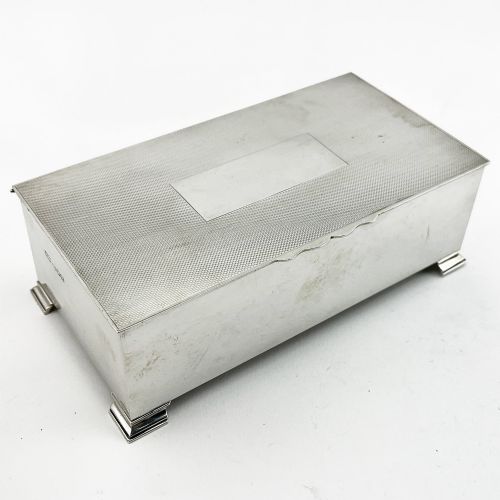
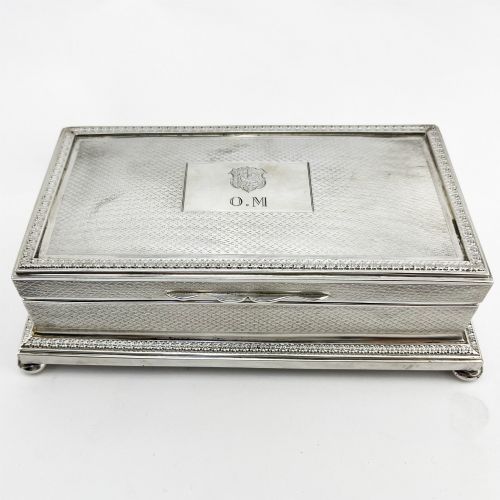
Trinket boxes generally feature shallow depths intended for rings, pins, and small personal keepsakes. Their interiors often remain unlined or feature simple velvet pads.
Cigarette and table boxes feature deeper wooden or metallic chambers sized to hold standard tobacco formats. Many include internal dividers or cedar linings to preserve the contents.