

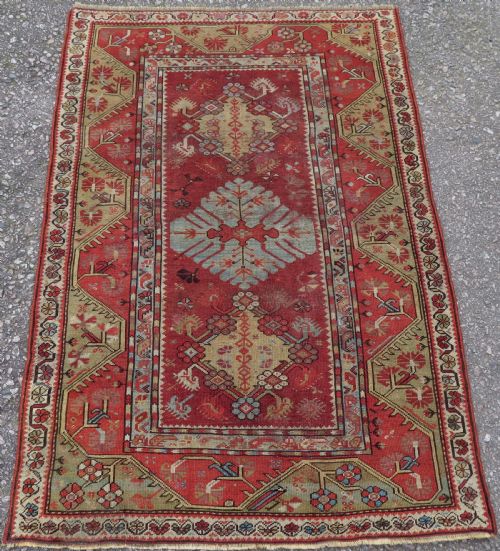
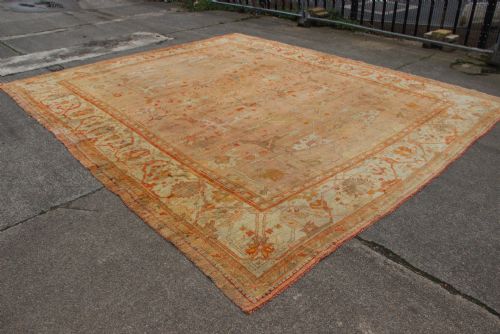
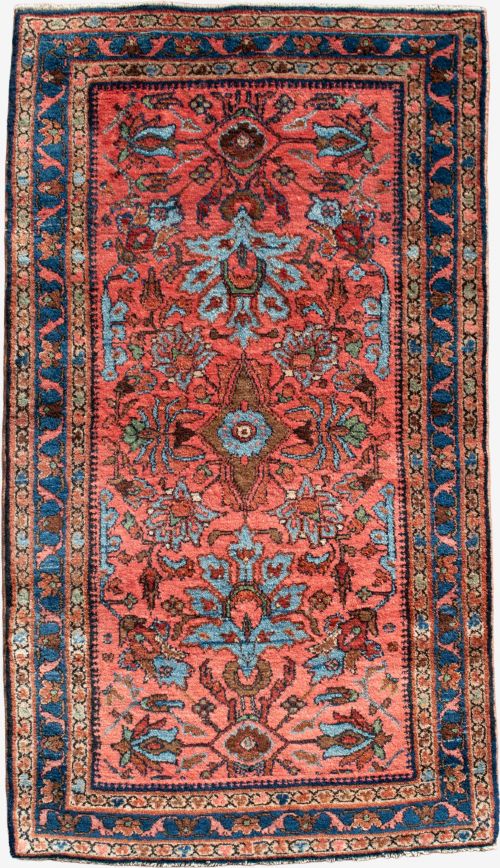
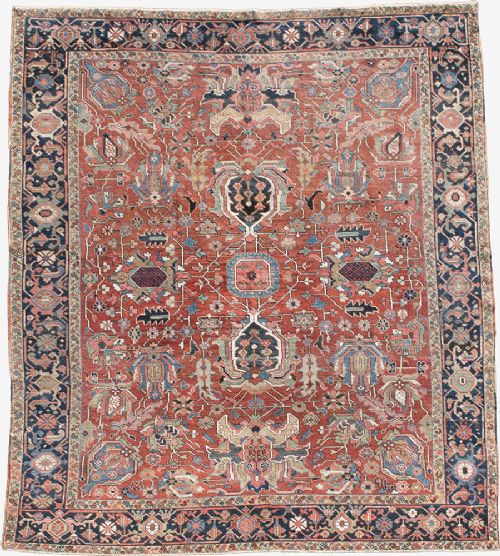
Vintage Area Rug
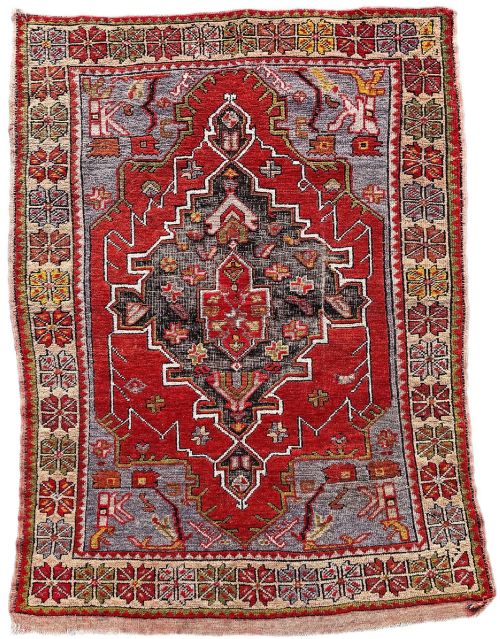
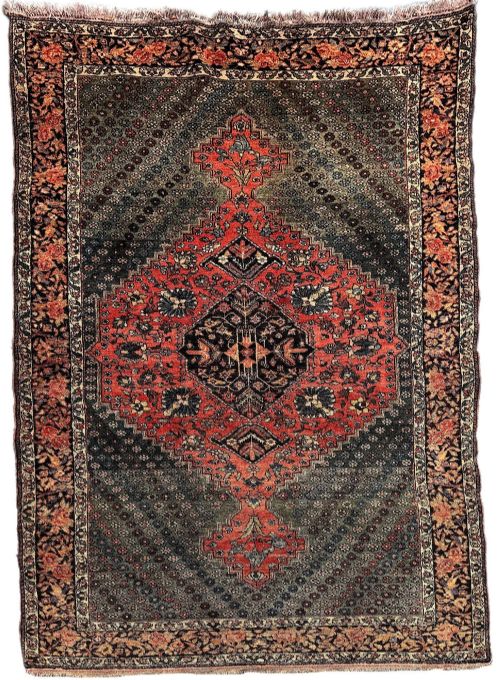
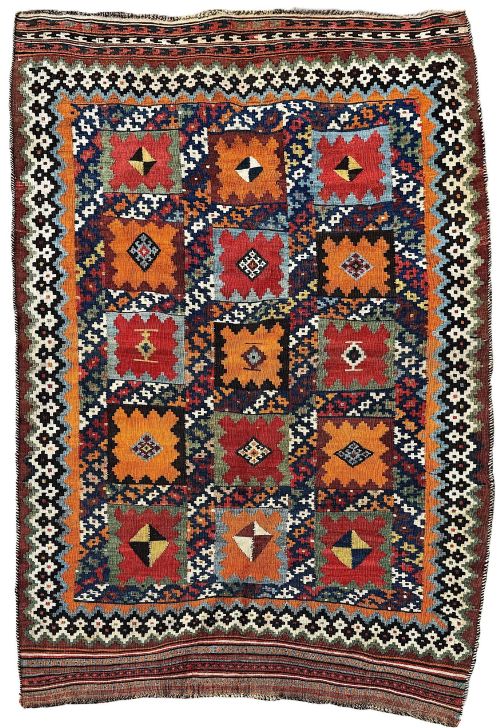
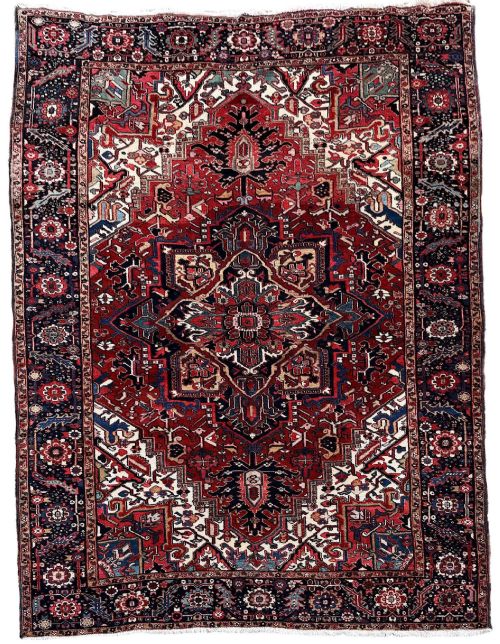
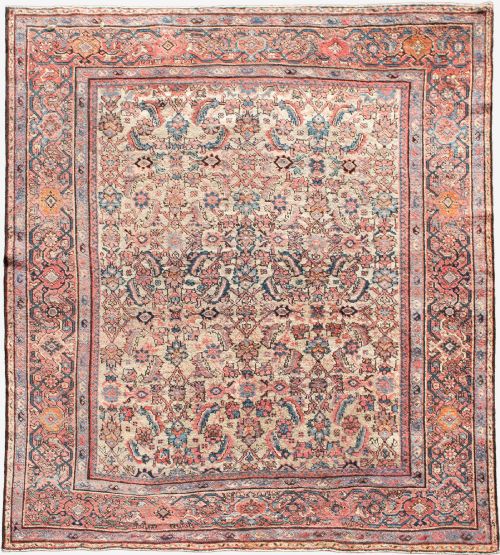
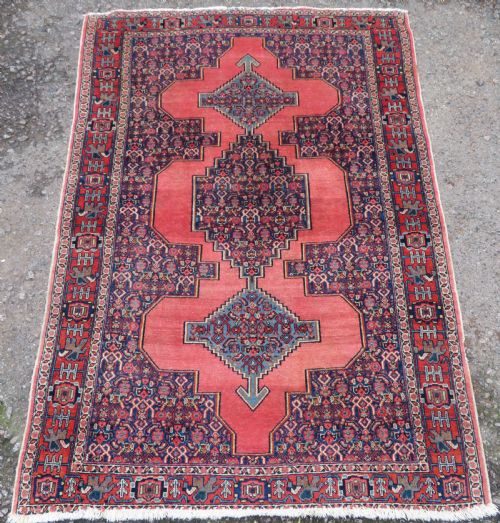
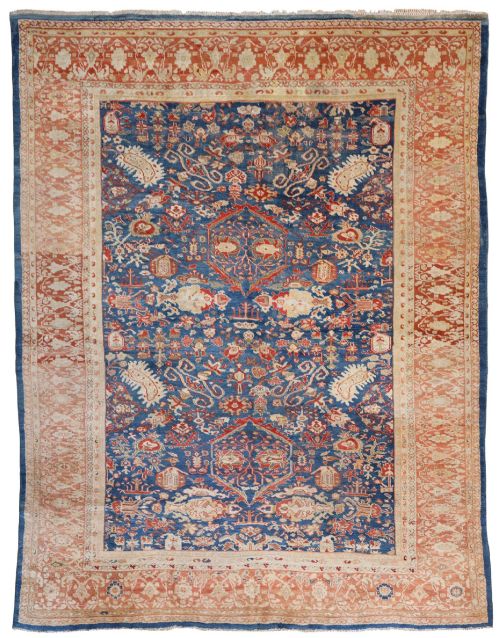
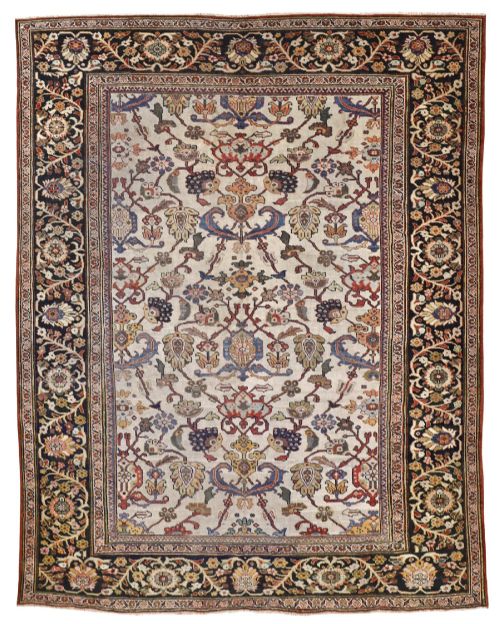
These vintage area rug pieces bring together traditional Persian, Caucasian and tribal weaving traditions across wool, cotton and silk.
Vintage Area Rug
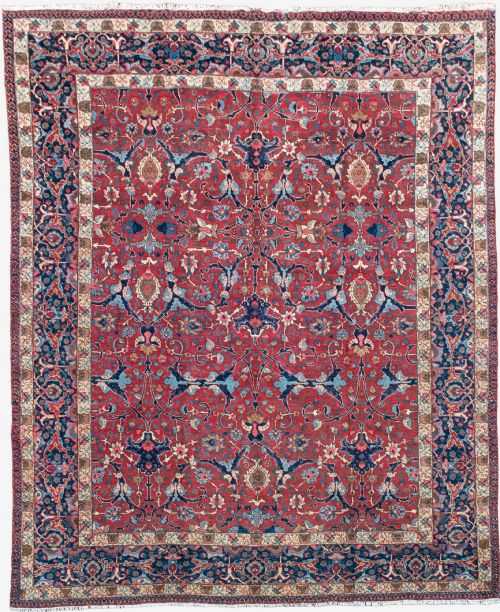
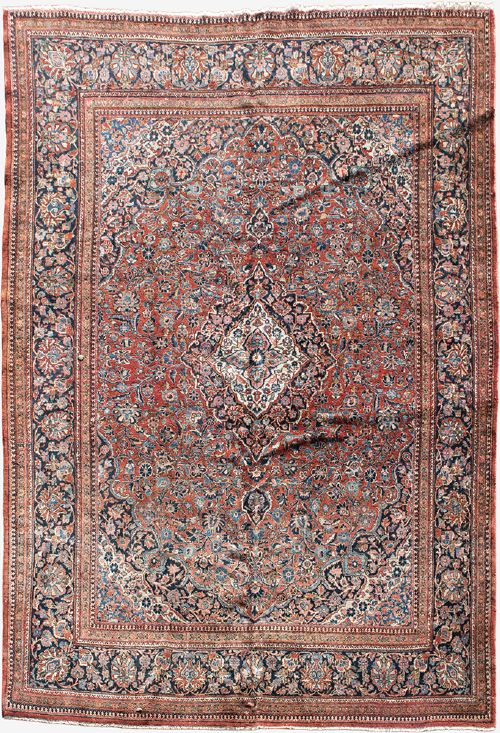
A vintage area rug covers styles from Persian traditional carpets to Caucasian and Turkmen tribal pieces, spanning the late nineteenth century through the early twentieth century. Buyers seeking a vintage area rug encounter room-sized carpets as well as hearth-sized pieces, runner rugs and prayer rugs.
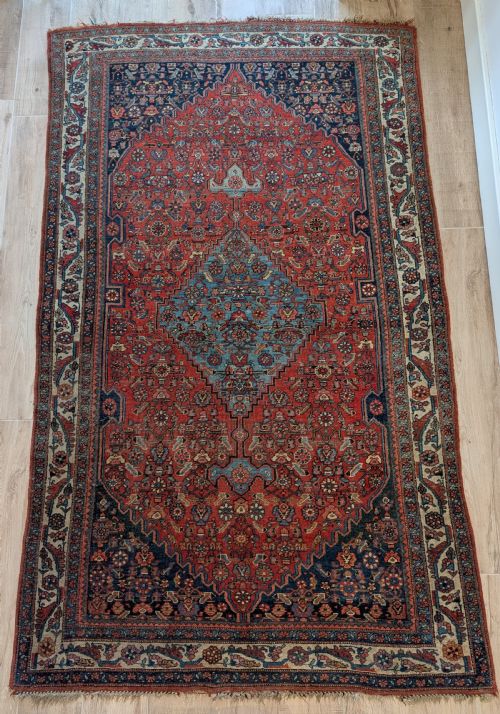
The selection ranges from large Tabriz, Heriz and Oushak carpets down to smaller village formats like Kazak, Afshar and Bidjar rugs. Pieces originate from weaving centres across Persia, Turkey, the Caucasus, Turkmenistan, Tibet and Afghanistan.
How They Were Made
Weavers constructed these carpets predominantly from wool, hand-spun wool, cotton and occasional silk highlights, employing natural dyes to achieve deep colour palettes. Many pieces demonstrate hand-woven foundations, incorporating camel wool in specific regional structures.
Tribal and village workshops utilised durable knotting and flat-weaving techniques, producing kilims and pile carpets designed for heavy daily use.
Vintage Area Rug Retail Price Guide 2026
Typical asking prices for vintage area rug among the pieces listed under this phrase on Sellingantiques today, from the lower quarter to the upper quarter. They describe what is for sale here now, not the wider market.
Certain antique prayer rugs include small woven hand motifs pointing toward Mecca for daily devotion.
What Varies in Quality
Quality rests in the precision of the knotting, the complexity of the traditional design and the stability of the natural dyes used across the pile. Stronger wool selection and tighter construction distinguish finer hearth rugs and room carpets from simpler village work.
The integrity of the foundation threads and the preservation of original borders dictate the structural standard of older Persian and Caucasian pieces.
The Vintage Area Rug Glossary
- Pile
- The upright yarn loops that form the soft surface of a carpet. It is sheared evenly after knotting.
- Kilim
- A flat-woven carpet lacking a pile. These pieces rely on interlocking weft threads to create geometric patterns.
- Warp
- The vertical threads stretched tightly on the loom before knotting begins. The fringe typically forms from these ends.
- Weft
- The horizontal threads passed across the warp strands to lock the knots in place. It binds the structure row by row.
Vintage Area Rug: Frequently Asked Questions
How do I clean a wool rug?
Professional washing remains essential for older wool and silk pieces to prevent dye bleeding and fibre distortion. Regular gentle vacuuming without a beater bar removes surface grit safely.
Harsh chemical detergents ruin natural dyes and dry out hand-spun wool. Specialist textile cleaners protect the structural integrity of the foundation.
Are these rugs suitable for high traffic?
Sturdily knotted wool carpets from Persian and Caucasian village traditions handle regular foot movement well. Dense pile structures absorb pressure and resist wear over decades of use.
Fine silk highlights or delicate prayer rugs benefit from placement in quieter rooms or display as wall hangings. Thinner kilims perform best in low-traffic areas.
How do I identify a tribal rug?
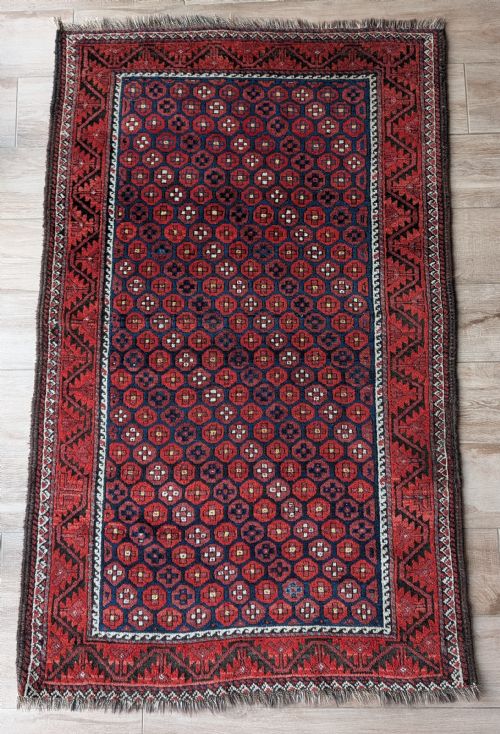
Tribal carpets display bold geometric motifs, repeating medallions and asymmetrical field patterns rooted in nomadic heritage. Weavers worked from memory rather than precise architectural cartoons.
Palettes often feature rich terracotta, indigo and ivory tones derived from local plants and minerals. Irregularities in line and border show the hand of independent makers.
What underlay should I use?
A breathable rubber or felt pad prevents slipping and protects the foundation from friction against hard flooring. Proper support stops the rug from stretching under heavy furniture legs.
Avoid synthetic backings that trap moisture against cotton warp and weft threads. Air circulation beneath the carpet preserves the natural fibres.