


Vintage Area Carpet
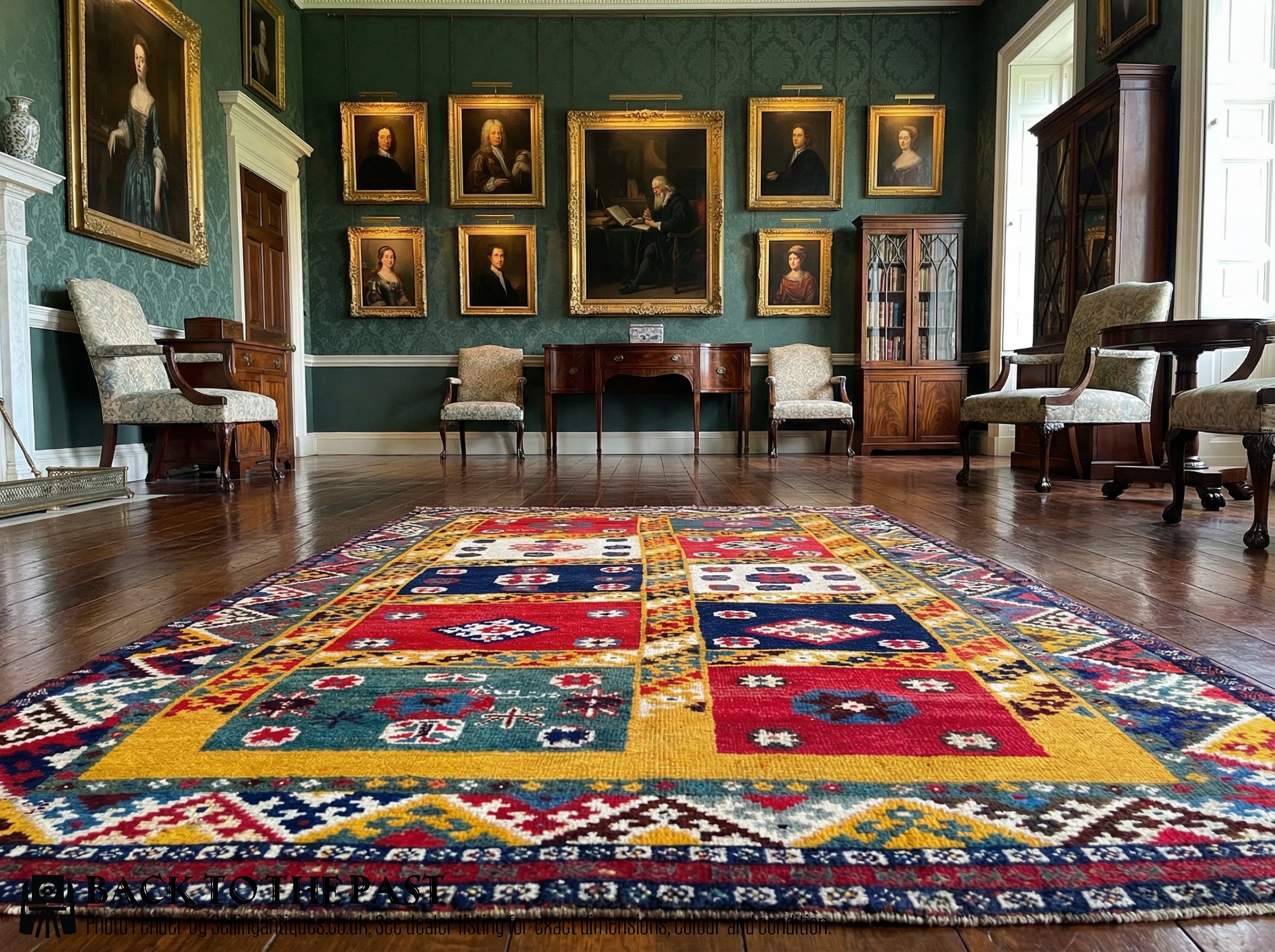
A vintage area carpet anchors a room with genuine textile history, bringing varied Persian, Caucasian and tribal weaving traditions directly onto your floor.
Vintage Area Carpet
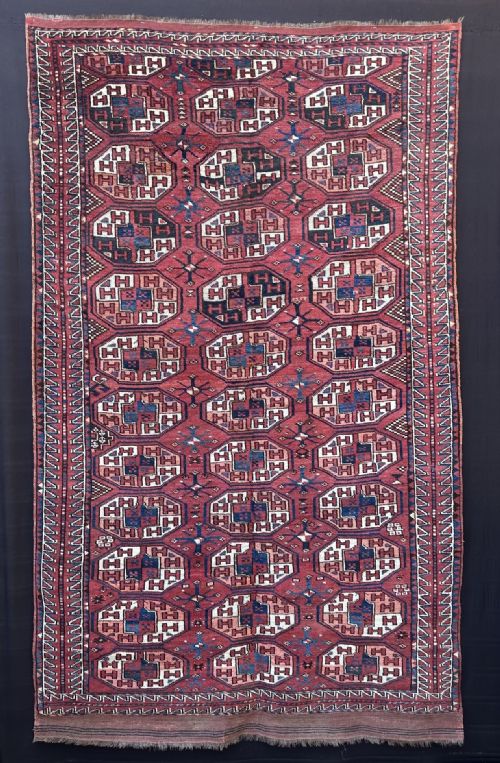
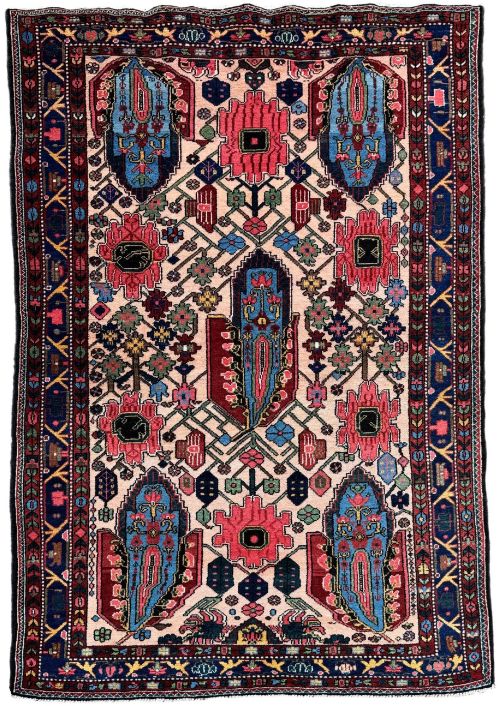
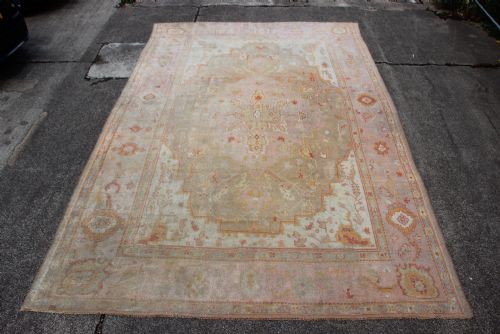
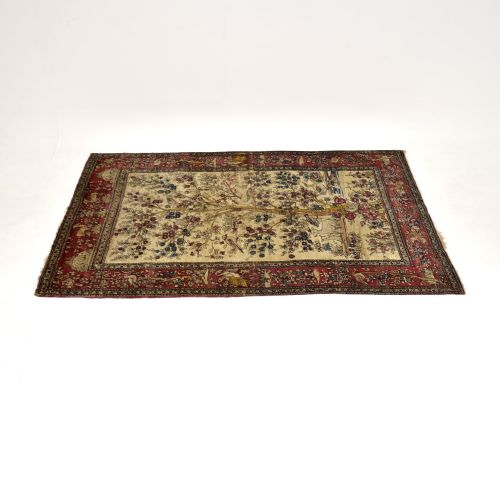
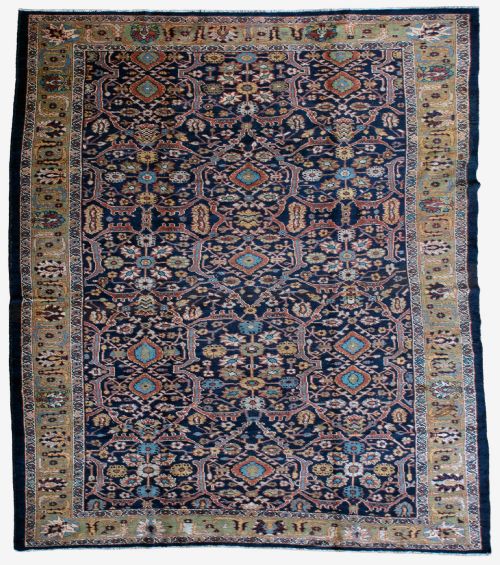
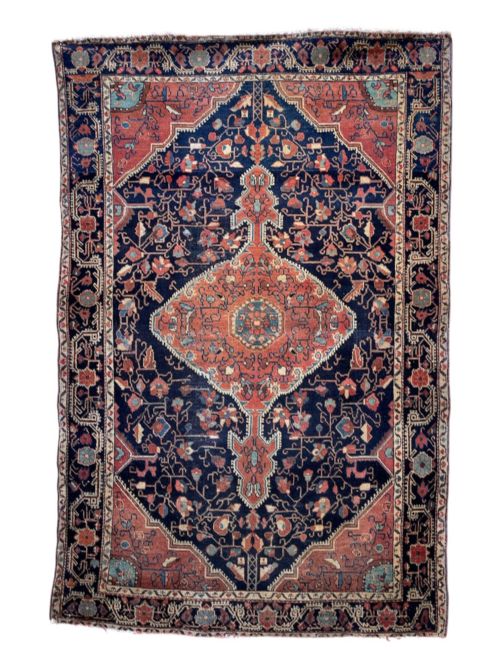
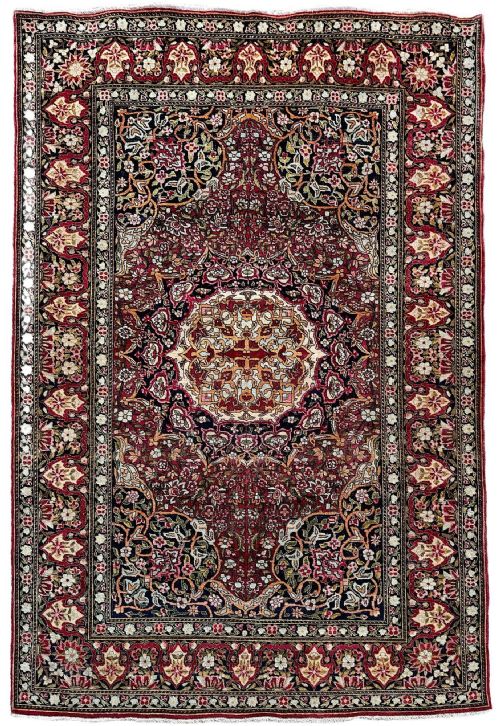
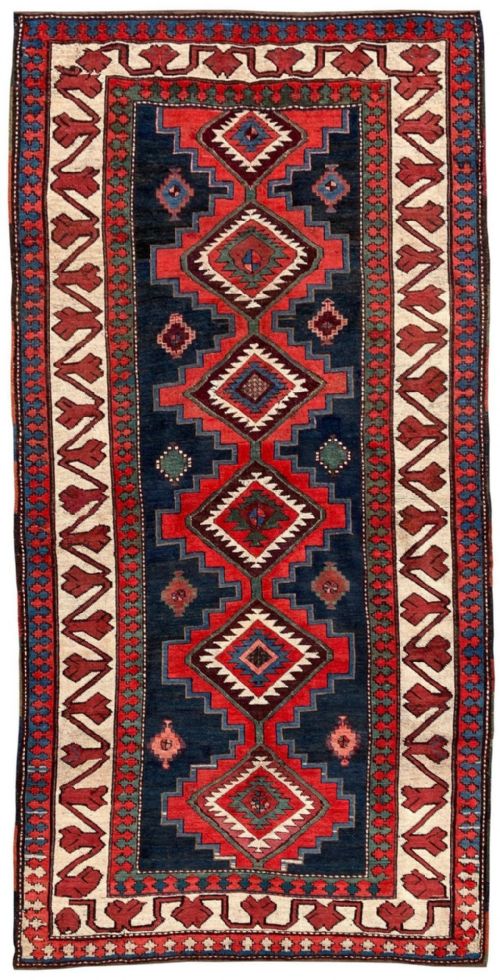
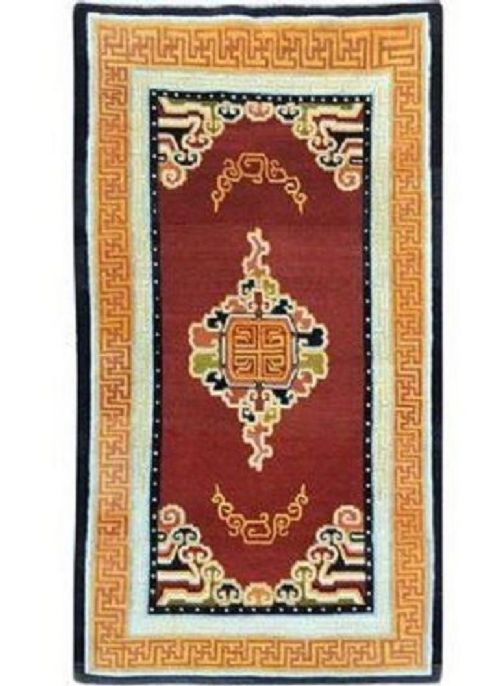
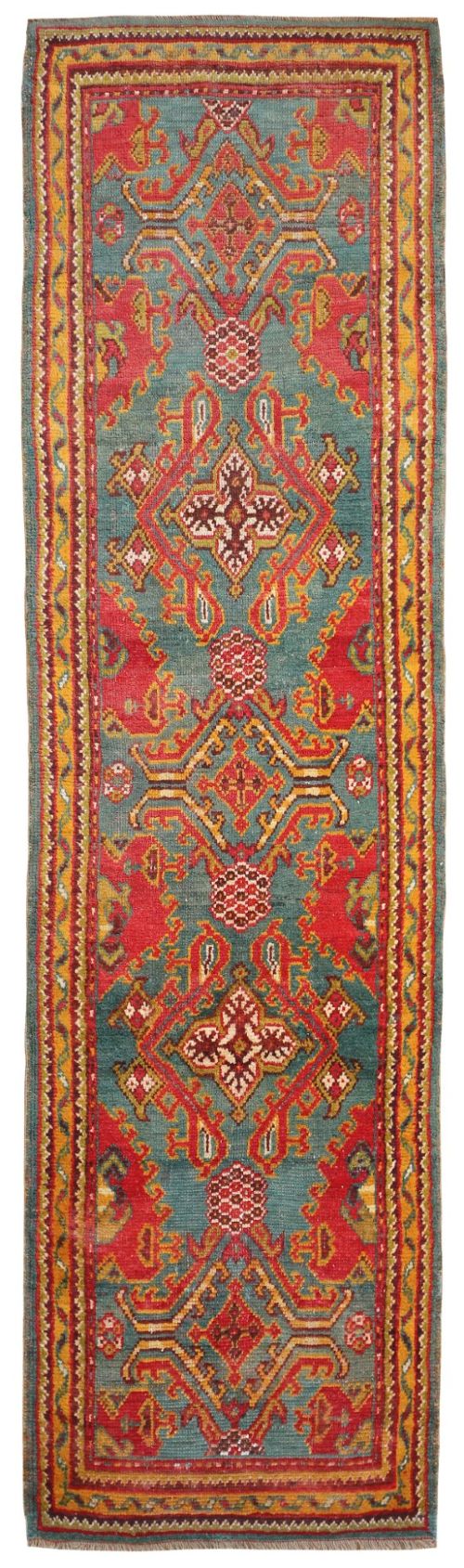
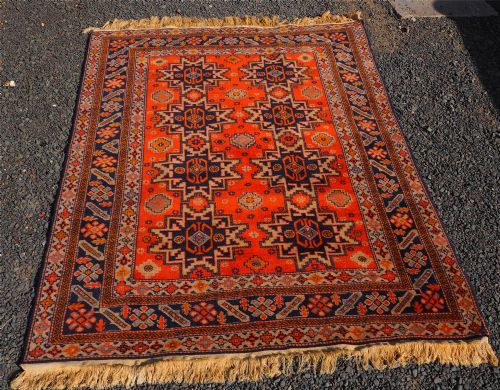
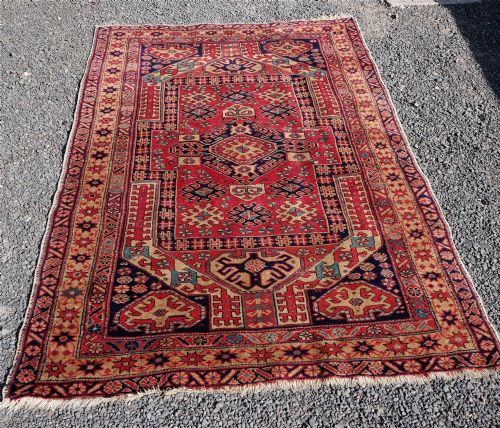
When you search for a vintage area carpet, you encounter heavy floor coverings originating primarily from Persian, Caucasian, Turkmen, and Tibetan traditions. These pieces span production dates from the late nineteenth century through the early decades of the twentieth century, appearing as standard carpets, smaller rugs, hearth sizes, runners, and kilims.
The most common examples met on this page are Persian town and village weaves, alongside robust tribal pieces from Caucasian and Turkmen makers. Sizes range from compact hearth rugs to large room-sized carpets exceeding four metres in length.
How they were made
Weavers constructed these carpets using hand-spun wool, cotton foundations, and occasionally silk highlights to add subtle lustre. Artisans relied heavily on natural dyes derived from plants and minerals, creating deep tones of rust, madder, and mellow secondary hues.
The primary technique involved hand-knotting wool pile onto cotton or wool warp and weft threads, though flatwoven kilims were also produced without a pile. This painstaking manual construction yielded dense, resilient floor coverings built to endure generations of foot traffic.
The available selection covers nineteenth-century village weaves alongside early twentieth-century town pieces from diverse Asian and Caucasian regions.
What varies in quality
Quality in these textiles rests upon the fineness of the knot count and the precision of the tribal or traditional design execution. Tighter knots allow for sharper geometric or curvilinear motifs, while superior wool retains its lustre and resilience over decades of use.
The sophistication of the palette and the depth of the natural dyes also divide ordinary examples from exceptional ones. Harmonious colour fading and complex regional patterns distinguish high-calibre village and town workshop pieces from simpler output.
The Vintage Area Carpet Glossary
- Warp
- The vertical threads stretched across a loom that form the structural foundation of the carpet. Fringe ends typically display these visible parallel cords.
- Weft
- The horizontal threads passed between the warp threads to bind the knots in place. They alternate with rows of pile to secure the structure.
- Kilim
- A flatwoven textile produced without a pile. These lighter pieces often feature sharp geometric designs.
- Pile
- The vertical tufts of wool, cotton or silk tied to the foundation that form the soft surface of the carpet. Shorter pile often reveals greater age or heavy wear.
- Natural Dyes
- Colourants extracted from plants, insects and minerals before synthetic alternatives became widespread. These dyes age gracefully, developing softer patinas over time.
Vintage Area Carpet: Frequently Asked Questions
How do I clean a vintage carpet?
Regular gentle vacuuming without a beater bar removes surface grit and dust effectively. Professional specialist cleaning remains essential for deep washing to protect old wool fibres and natural dyes.
Avoid household detergents and excessive moisture, which can weaken cotton foundations and cause colour bleed. Consult a textile conservator for valuable or fragile room-sized pieces.
Can I place these under furniture?
These textiles function well beneath dining tables and seating arrangements when distributed evenly across the floor. Use a quality breathable rug underlay to prevent slipping and reduce friction between the fibres and hard flooring.
Rotate the textile periodically to ensure even wear patterns and balanced exposure to natural light over the years.
How do I identify regional styles?
Region identification relies on observing specific motifs, border arrangements, and structural palettes characteristic of distinct weaving groups. Persian town rugs often display intricate floral medallions, whereas Caucasian pieces favour bold, sharp geometry.
Tribal examples from Turkmen or Baluch makers typically utilise repeated guls and darker, earthy tones unique to their specific geographic origin.
Are these suitable for high traffic?
Thick wool pile carpets withstand daily foot traffic in hallways and living rooms remarkably well. The natural lanolin in hand-spun wool provides inherent resistance to dirt and everyday wear.
Finer silk highlight pieces or delicate antique kilims suit lower-traffic spaces or wall-hanging applications better to preserve their structural integrity.