
Vintage Architectural Landscape Art
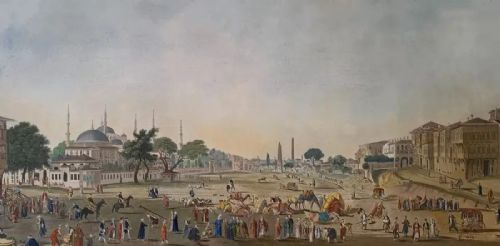
Vintage architectural landscape art captures urban squares, ancient temples, and bustling street scenes across multiple centuries.
Vintage Architectural Landscape Art
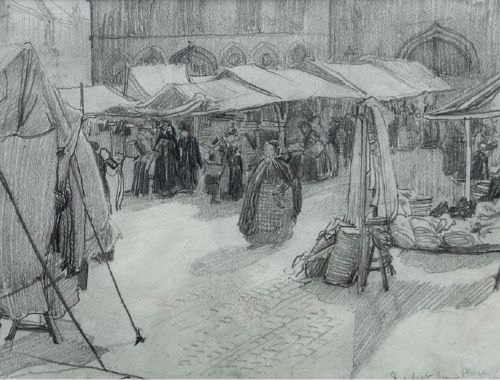
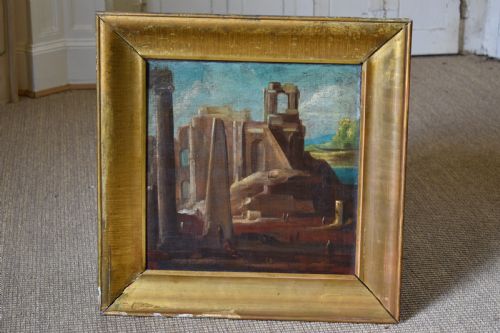
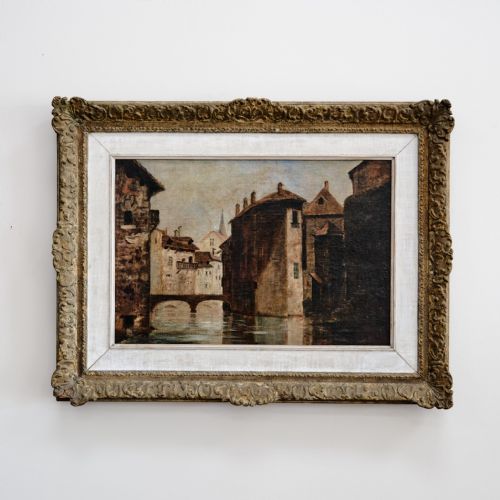
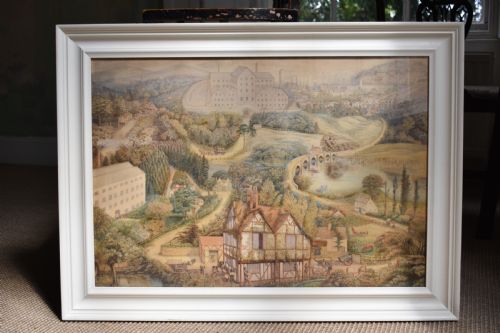
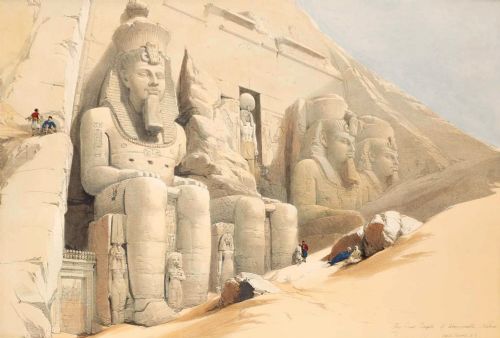
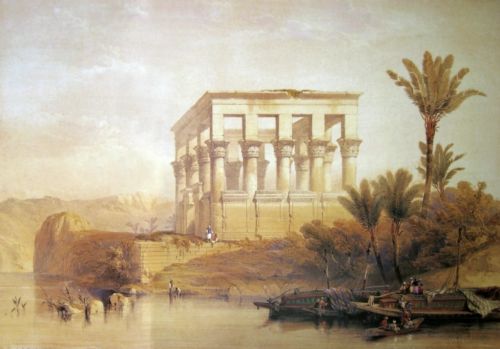
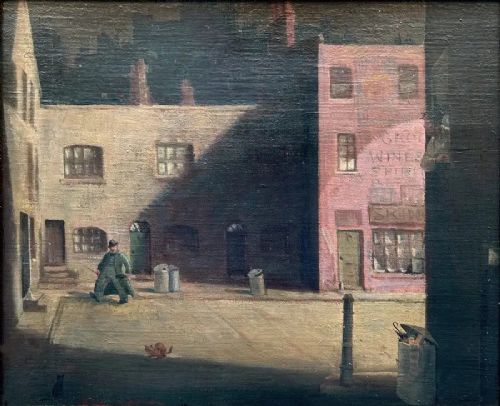
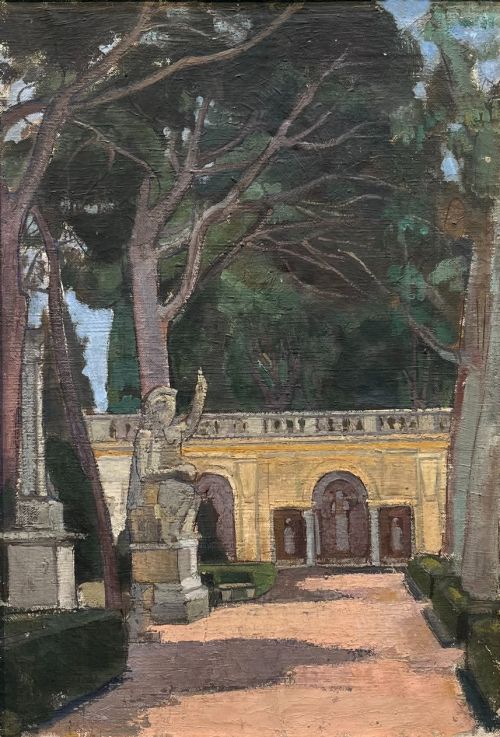
When you search for vintage architectural landscape art, you encounter depictions of city squares, cathedrals, ancient monuments, and street scenes mapped across paper and canvas. These works span from the Victorian period through the mid-century decades, capturing human habitation interwoven with natural settings.
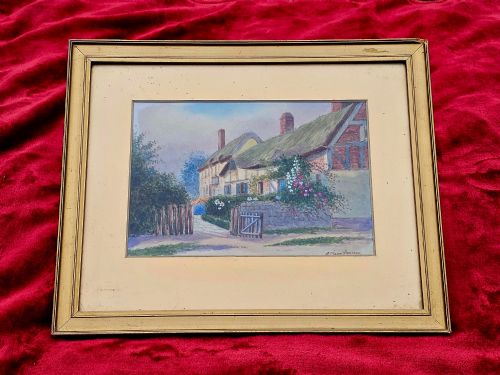
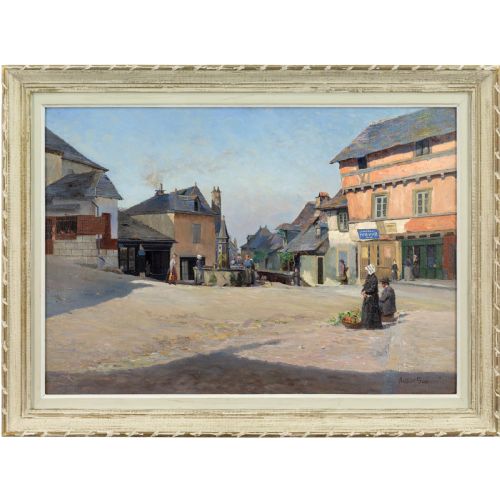
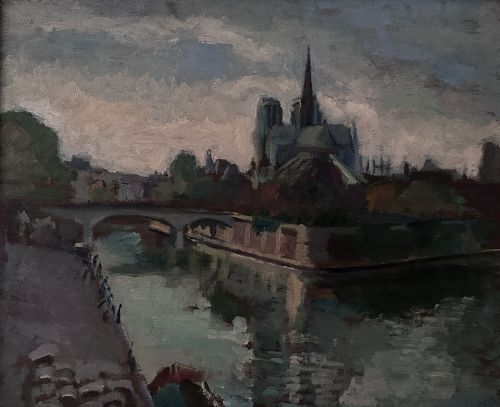
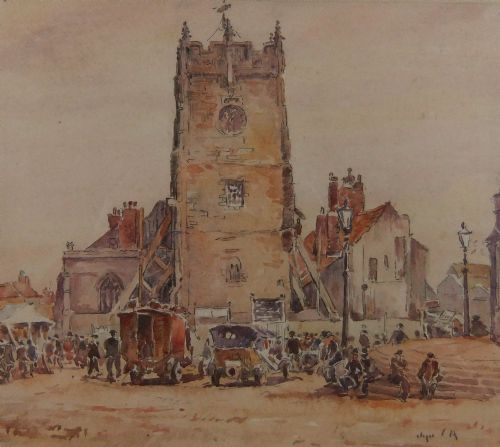
The selections available here range from detailed watercolour studies of British and European locations to expressive oil paintings of French and Italian urban views. You find works executed in pencil, ink, charcoal, and impasto, reflecting how different artists recorded the built environment.
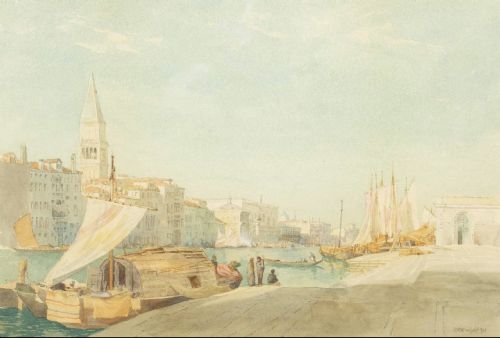
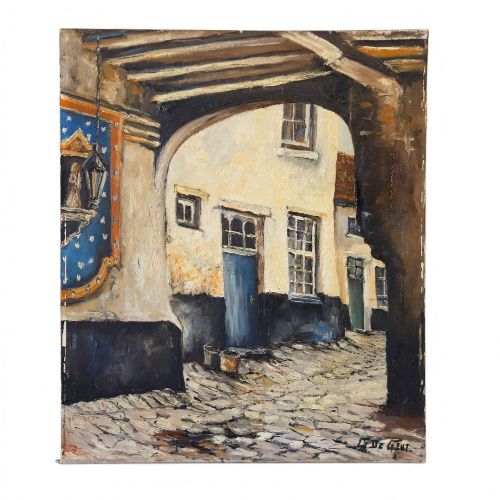
Many pieces anchor their subjects in specific geographical contexts, such as Venice, Paris, London, or classical Mediterranean sites. Others present broader interpretations of industrial factories, breweries, and rural cottages framed by their surrounding landscapes.
Materials and Technique
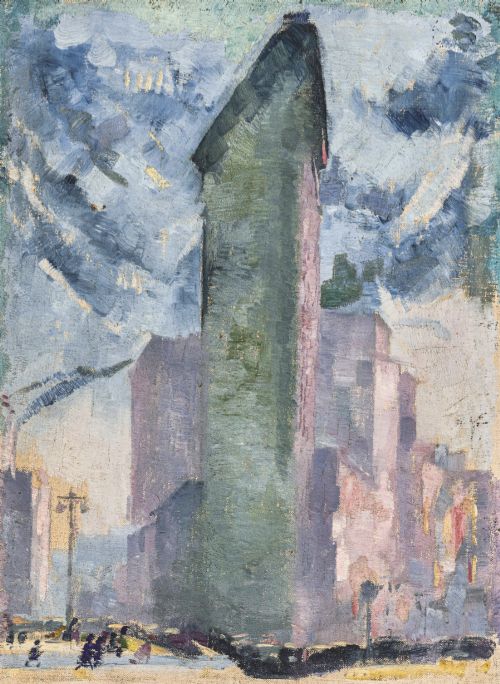
Artists rendering architectural landscapes relied heavily on oil paint on canvas or board, watercolour on paper, and mixed media drawings incorporating ink and charcoal. The application of pigment varied from precise draughtsmanship in pencil and etching to thick, textured impasto in mid-century abstract cityscapes.
Supports chosen by painters and illustrators included traditional stretched canvas, wood panels, and heavy paper sheets suited to fluid watercolour washes. Etchings and coloured prints offered alternative methods for reproducing detailed neoclassical architectural scenes and topographical views.
The handling of light remains central to these works, whether achieved through the transparent layering of watercolours to show sunlight on a plaza or the bold brushwork characteristic of post-impressionist and expressionist cityscapes.
The listings span the Victorian era through the 1960s, featuring watercolours, oil paintings, etchings, and mixed media drawings on paper, canvas, and board.
Differentiating Quality
The strength of a piece lies in the sureness of the draughtsmanship and the artist's ability to balance structural precision with atmospheric mood. Stronger works convey the scale and geometry of buildings without losing the dynamic life of the surrounding landscape or street scene.
Handling of medium defines the visual success of the work, where confident brushstrokes in oil or controlled washes in watercolour demonstrate mastery. Weaker examples often rely on rigid mechanical copying rather than an interpretive engagement with light and form.
Henry Percy Huggill·A. Marie Parsons·Arthur Gué·John Smith Atherton·Richard Henry Wright·David Roberts·Francisco Sancha·Anton Ignaz Melling·Alfred Wolmark·L. De Gent·Henry de Waroquier·Robert Leslie Howey·Lilian Colbourn·Paul-Élie Gernez·Alfred George Morgan·Fred Lawson·Anne Dorrien Smith·Charles James Lauder·Ron Folland·T.A Prior
The Vintage Architectural Landscape Art Glossary
- Impasto
- Paint applied thickly to a canvas, standing out in relief from the surface. This technique adds tactile depth and catches light across urban and architectural elements.
- Watercolour
- A paint consisting of pigment suspended in a water-soluble vehicle, typically applied to paper. It allows for luminous, transparent washes that define skies and masonry.
- Etching
- A printmaking process where lines are incised into a metal plate with acid before being inked and pressed onto paper. It yields fine, precise architectural detail.
- Pietra dura
- An artistic technique using cut and fitted polished coloured stones to create geometric or figural images. Framed panels of this work depict architectural motifs with permanent geological colour.
- Post-Impressionism
- An art movement extending the limits of impressionism while rejecting its limitations, often employing vivid colours and distinct brushstrokes. It influences many mid-century cityscape paintings.
Vintage Architectural Landscape Art: Frequently Asked Questions
What subjects appear in vintage architectural landscape art?
These works typically depict urban street scenes, cathedrals, market squares, ancient ruins, and bridges across various European and domestic locations. They document the built environment alongside natural topography.
Subjects range from classical Mediterranean monuments and Venetian canals to industrial factories and British town halls, recorded through different artistic movements.
How do watercolours differ from oil paintings in this category?
Watercolours utilise transparent pigments on paper to achieve luminous effects, often capturing lighter atmospheric conditions in townscapes and rural views.
Oil paintings on canvas or board employ heavier mediums that allow for textured brushwork, impasto, and deeper saturation when depicting cityscapes and architectural structures.
How should I frame and display these artworks?
Works on paper such as watercolours and drawings require mounting behind glass with conservation-grade materials to protect the pigment from ultraviolet light and humidity.
Oil paintings on canvas or panel typically hang unframed behind glass or within traditional wooden mouldings, benefiting from stable indoor humidity levels away from direct sunlight.
How can I identify the period of an architectural artwork?
Stylistic clues within the painting or drawing often indicate the era, shifting from the detailed realism of Victorian and Edwardian works to the bolder abstraction of mid-century expressionism.
Signatures, framing materials, and the style of the buildings depicted can help narrow down the decade of creation, matched against records of active artists.