


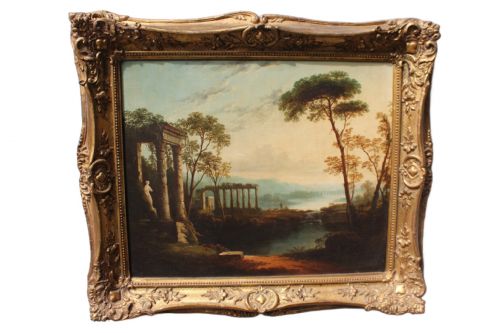


Antique Grand Tour Picture
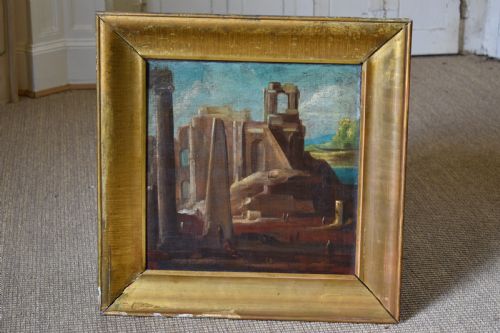
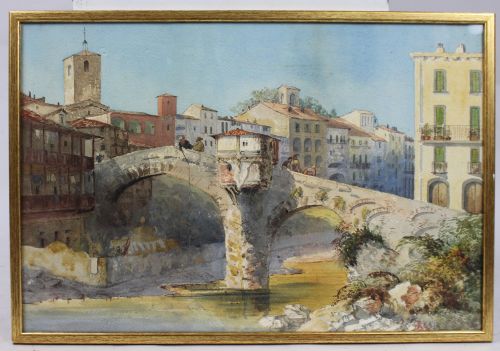
These antique grand tour pictures capture the classic Italian views and classical ruins brought home by travellers in the nineteenth century.
Antique Grand Tour Picture
An antique grand tour picture represents the visual record of travel through Italy, featuring classical landscapes, Venetian canals, and architectural ruins collected during the nineteenth century. These artworks reflect the classical education and refined tastes of British and European travellers abroad.
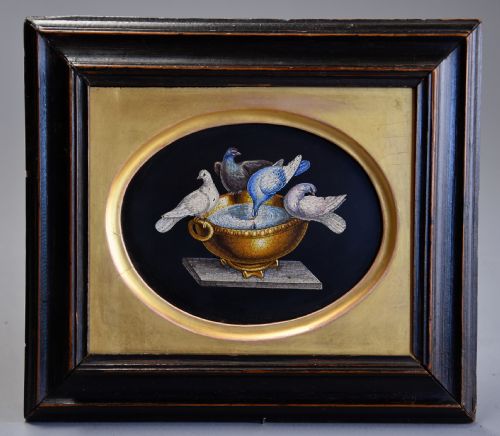
The pieces on this page span several distinct forms, from detailed watercolour paintings and oil on canvas works to gouache scenes and micro mosaic plaques. Subjects range from the Forum of Nerva and Lake Garda to coastal Sorrento and Venetian lagoons.
Dating primarily from the nineteenth century, including the Regency and Victorian periods, these artworks utilise framing in gilt wood, ebonised wood, or glass to preserve delicate paper and canvas. They connect the modern interior directly to the historical tradition of continental travel.
How they were made
Artists painted these scenes using watercolour, oil on canvas, or gouache on paper, applying pigments to capture the warm light of the Italian landscape. Micro mosaic plaques and pietra dura marble pictures required meticulous placement of tiny stone tesserae to form intricate architectural or figural compositions.
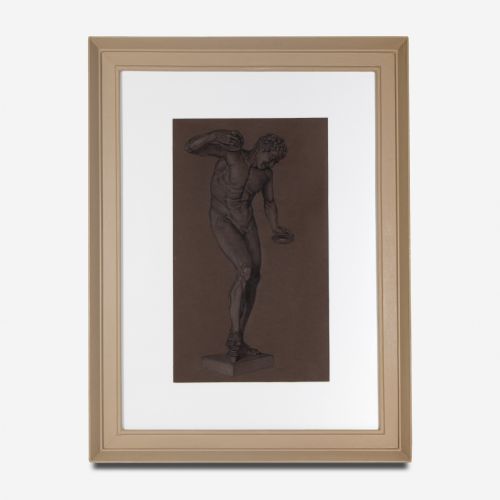
The selection includes Italianate classical landscapes, Neoclassical architectural prints, and detailed micro mosaic plaques.
What varies in quality
Quality in these pictures rests on the precision of the hand, whether in the fine brushwork of a signed watercolour or the exact stone-cutting within a pietra dura marble panel. Works by documented artists demonstrate superior command of perspective and light compared to anonymous school pieces.
The integrity of the original frame heavily influences the standing of the piece, with period gilt wood and ebonised surrounds adding structural and aesthetic weight. Preservation of the surface pigment, free from heavy restoration or fading, distinguishes the finest examples.
Alfred Pollentine·Charles H Poingdestre·Thomas Brabazon Aylmer·William Crouch
The Antique Grand Tour Picture Glossary
- Grand Tour
- A traditional journey through Europe, particularly Italy, undertaken by upper-class European young men as a part of their education. This practice led to the acquisition of regional art and antiquities.
- Pietra dura
- An artistic technique of using cut and fitted, highly polished coloured stones to create images. It appears in inlaid marble panels depicting figures or architectural scenes.
- Micromosaic
- A fragile decorative art form utilising tiny pieces of coloured glass or tile called tesserae to create detailed pictorial scenes. These were frequently mounted in frames as portable souvenirs.
- Gouache
- An opaque method of water-based painting that uses pigment bound in water-soluble gum. It provides denser colour saturation than traditional watercolour.
- Neoclassical
- A Western cultural movement inspired by the classical art and culture of ancient Greece and Rome. It heavily influenced the architectural and landscape subjects chosen by artists.
Antique Grand Tour Picture: Frequently Asked Questions
What is a grand tour picture?
A grand tour picture is an artwork purchased by travellers during nineteenth-century continental journeys through Italy. These pieces typically depict classical ruins, landscapes, or Venetian scenes.
They served as lasting records of cultural education and personal travel. Today, they remain cherished examples of nineteenth-century romanticism and classical revival.
How do I care for antique watercolours?
Antique watercolours and paper prints require protection from direct sunlight to prevent the fading of delicate pigments. Keeping them in stable indoor environments helps protect the paper and original framing.
Displaying them away from moisture sources ensures the paper remains unwarped. Professional framing with conservation glass offers additional longevity.
What is the difference between oil and watercolour grand tour art?
Oil paintings on canvas offer richer texture and greater resistance to fading than watercolours on paper. Watercolours, however, provide a delicate transparency that captured the bright light of Italian skies.
Both mediums were popular among travellers, chosen according to personal taste and budget. Oil works often appeared on heavier giltwood stretchers, while watercolours were frequently glazed.