

Vintage Animal Oil Painting
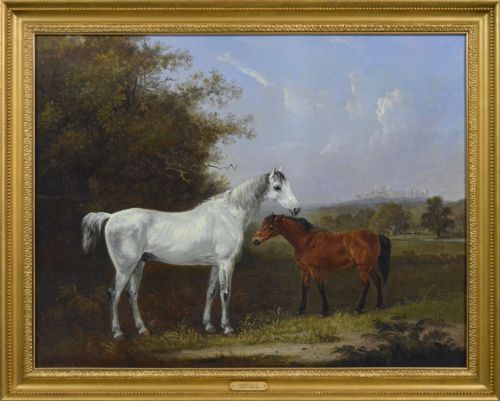
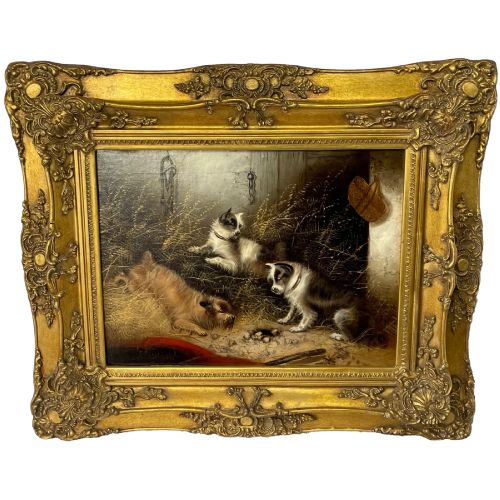
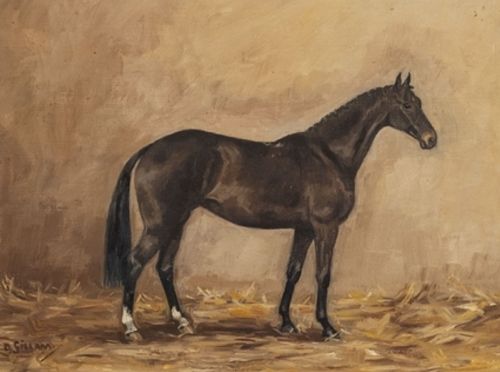
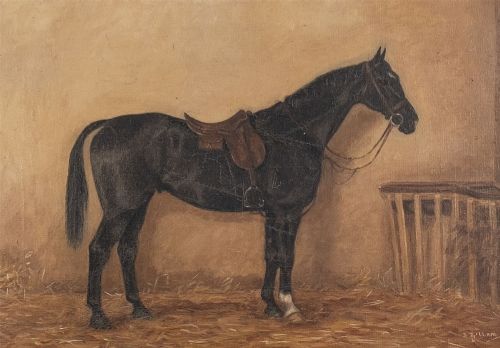
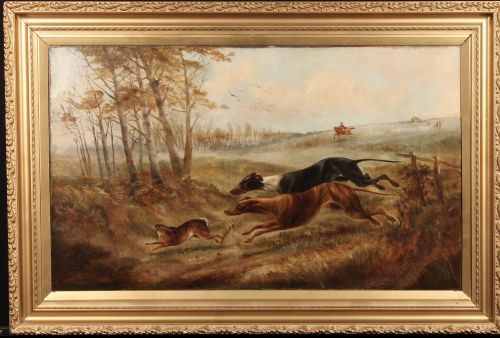
A vintage animal oil painting captures the character of horses, hounds, and farmyard livestock through historical brushwork.
Vintage Animal Oil Painting
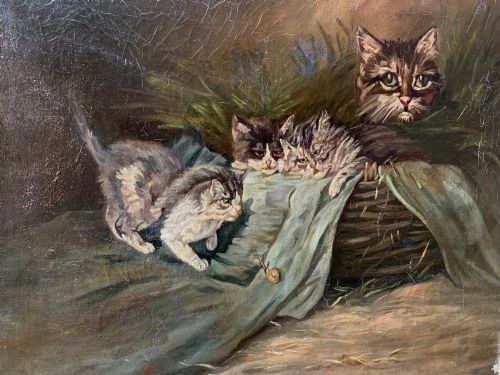
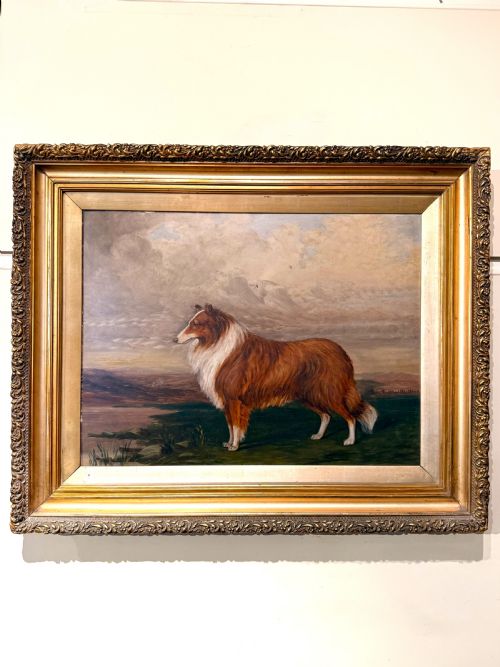
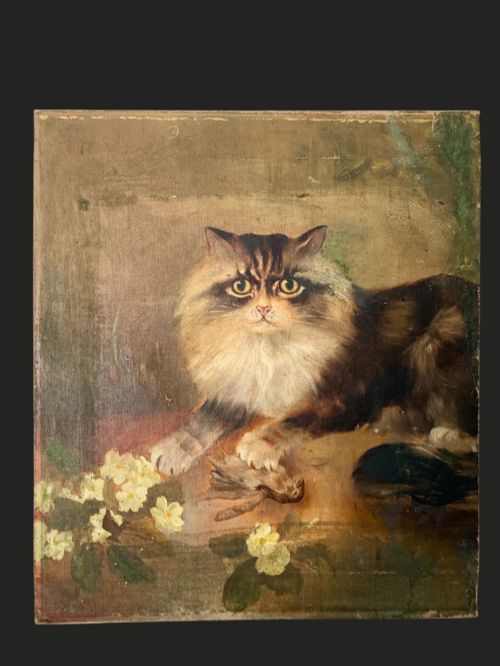
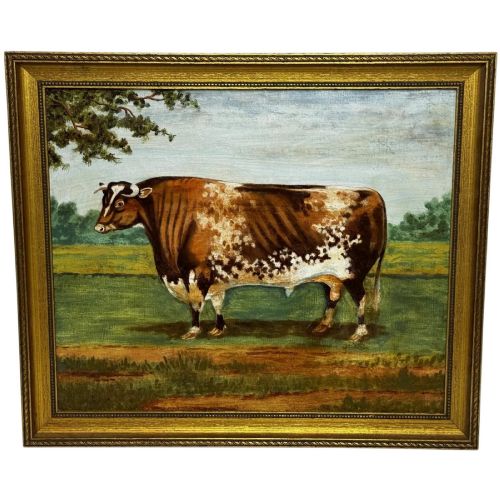
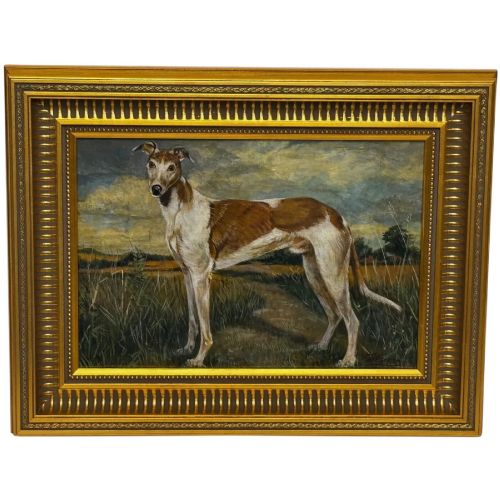
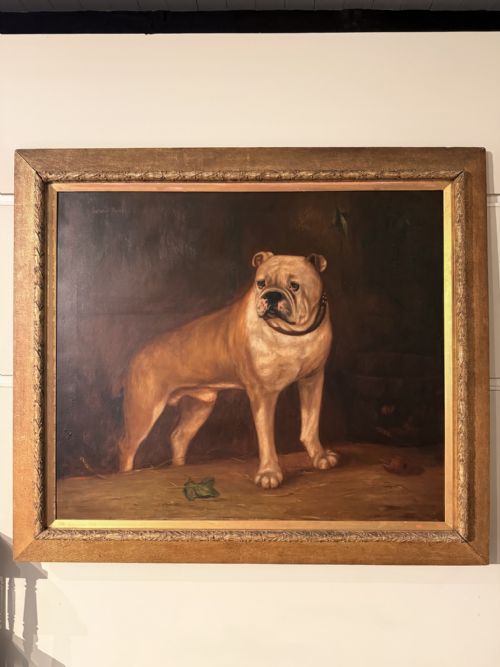
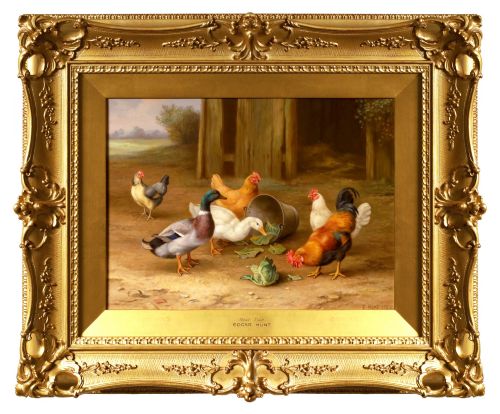
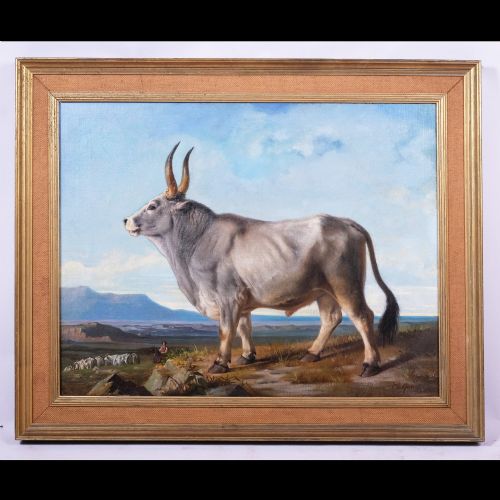
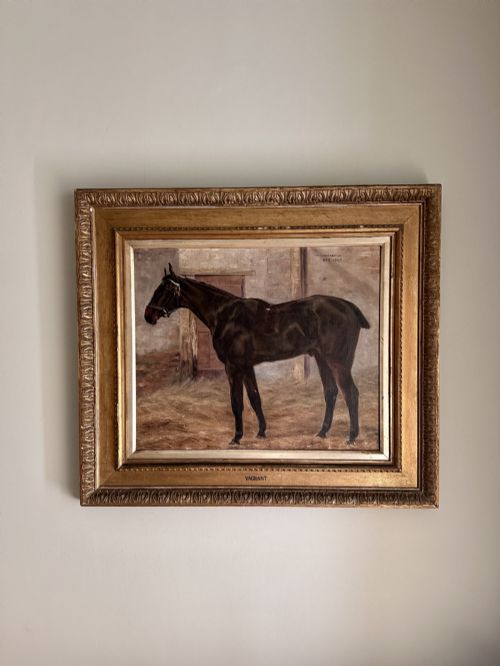
A vintage animal oil painting represents centuries of artistic engagement with domestic creatures, livestock, and working beasts. Buyers seeking this phrase encounter framed canvases and boards depicting subjects ranging from prize bulls and racehorses to domestic cats and sporting dogs. The selection spans the Victorian era through the mid-nineteenth and early twentieth centuries, featuring British and French school compositions.
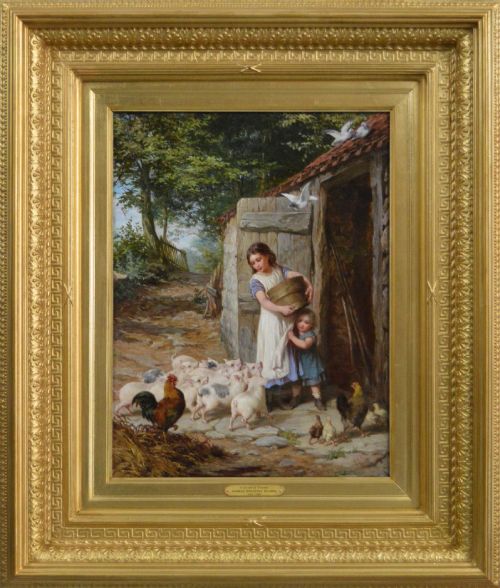
The most common formats on this page include canine portraits, equine studies, and farmyard scenes involving poultry or cattle. These works vary from naive folk art depictions to highly detailed academic portraits by named painters. Many retain their original giltwood or wood frames, anchoring them firmly in their historical periods.
How they were made
Artists painted these works primarily using oil paint applied to stretched canvas or wooden board supports. The medium allowed for rich blending of tones, particularly when rendering the glossy coats of horses or the textured fur of dogs. Painters built up layers from dark underpaintings to fine highlights that brought their animal subjects to life.
Framing played an integral role in the presentation of these artworks, utilising gilt wood and gold leaf to complement the painted scenes. Many pieces survive within their period frames, showing the craftsmanship of nineteenth-century gilders and joiners who built surrounds to match the academic or rustic style of the canvas.
The inventory records span Victorian realisms, British and French school traditions, and naive folk art representations.
What varies in quality
The anatomical accuracy and structural proportion of the subject set the artistic standard across these paintings. Superior works demonstrate a deep understanding of animal skeletal form and musculature, whereas simpler pieces rely on stylised or naive proportions. Artists who captured transient expressions and alert postures elevate the visual engagement of the composition.
The handling of light and texture within the coat, plumage, or surrounding landscape dictates the refinement of the piece. Master hands used varied brushstrokes to distinguish between soft fur, coarse feathers, and atmospheric backgrounds, creating depth that lesser works lack. The integrity of the surviving paint surface and the harmony of the original frame also contribute to overall standing.
George Armfield·Edgar Hunt·Fred Fitzpatrick·John Emms·Albert Clark·John Frederick Herring Jnr·William Barraud·Sir Edwin Landseer·Henry Robinson Hall·Alfred Arthur Brunel de Neuville
The Vintage Animal Oil Painting Glossary
- Oil on Canvas
- A traditional painting medium where oil-based pigments are applied to a woven fabric support stretched across a wooden frame. This combination allows for rich colour depth and subtle blending.
- Giltwood
- Wood that has been coated with a thin layer of gold leaf or metallic paint for decorative effect. It frequently appears on nineteenth-century picture frames.
- Naive Art
- Artwork created by a person without formal academic training, often characterised by a charming simplicity in perspective and proportion. These pieces rely on direct observation rather than strict rules of academic realism.
- Sporting Art
- A genre of painting dedicated to depicting field sports, horses, hunting dogs, and livestock. It flourished in Britain during the Victorian period to record prized animals and hunting scenes.
- Provenance
- The documented history of ownership of an artwork, tracing its path from the artist's studio or original patron to the present day. This record establishes authenticity and historical context.
Vintage Animal Oil Painting: Frequently Asked Questions
What periods do these paintings date from?
The available works span primarily from the nineteenth century through the early twentieth century, with strong representation from the Victorian era. Artists active during these decades produced detailed animal portraits and farmyard scenes.
Later pieces extend into the mid-twentieth century, offering a broader chronological range of styles while maintaining the central focus on animals.
How were these animal paintings used?
Owners originally commissioned or purchased these artworks to celebrate prized livestock, favourite hunting dogs, or beloved pets. They hung in country houses, estate offices, and domestic parlours as expressions of status and affection.
Today, they serve as decorative focal points in residential interiors, bringing historical character and natural warmth to wall spaces.
How do I care for an oil painting on canvas?
Keep these artworks away from direct sunlight and fluctuating humidity to prevent the canvas from sagging and the oil paint from cracking. Gentle dusting with a soft, dry brush is sufficient for routine maintenance.
Avoid using water or chemical cleaners on the painted surface or the gilt frame, as moisture damages traditional binders and gold leaf.