




Framed Game Still Life
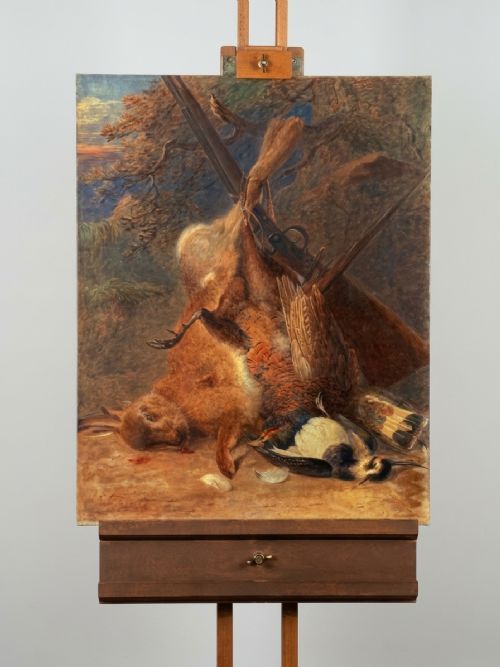
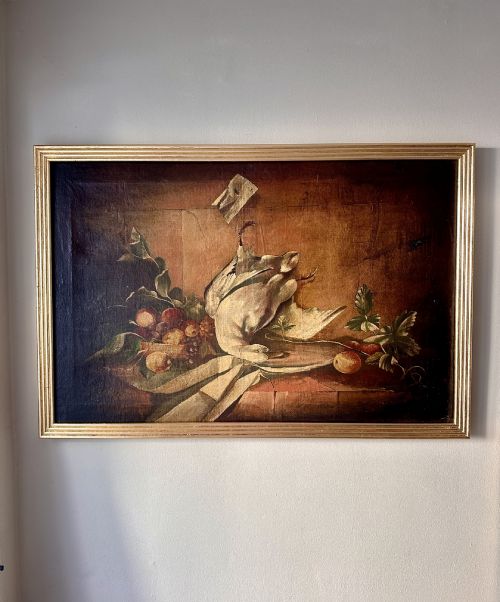
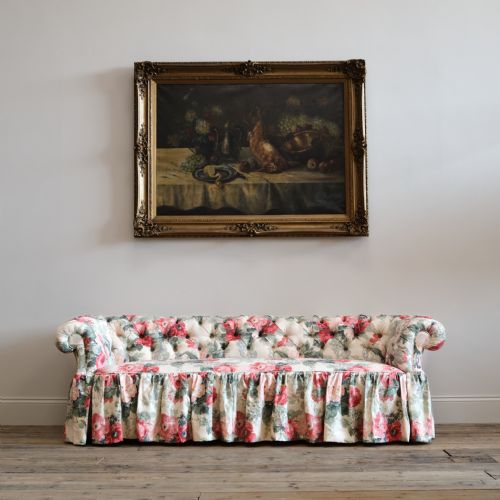
A framed game still life brings the rich tradition of the hunt and harvest into a room through oil paint and watercolour.
Framed Game Still Life
When you search for a framed game still life, you encounter works capturing hares, songbirds, pheasants and fruit within period frames. These pieces span the nineteenth century up to the mid-twentieth century, drawing on Dutch School, French Country and impressionist traditions.
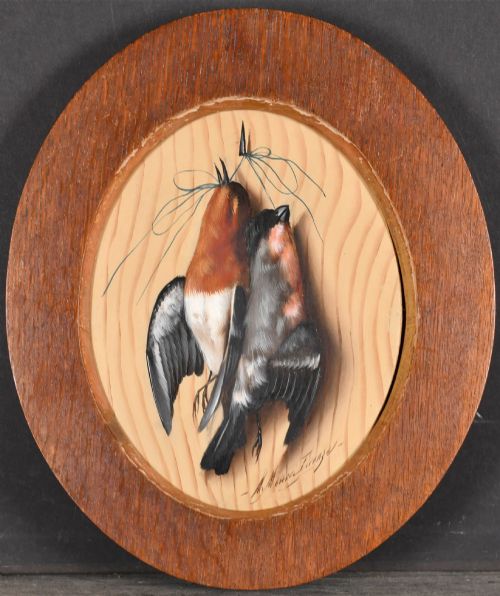
The selections on this page range from grand Continental school oils to intimate watercolours and bodycolour studies. Subjects focus on the larder view, dead game and rustic fowl executed by named artists and regional hands.
Materials and construction
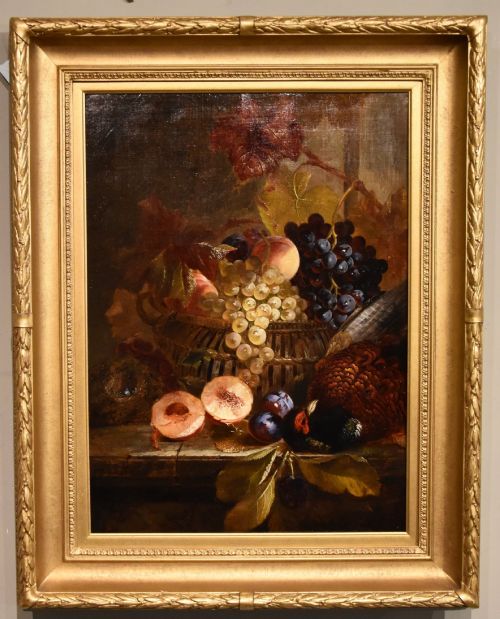
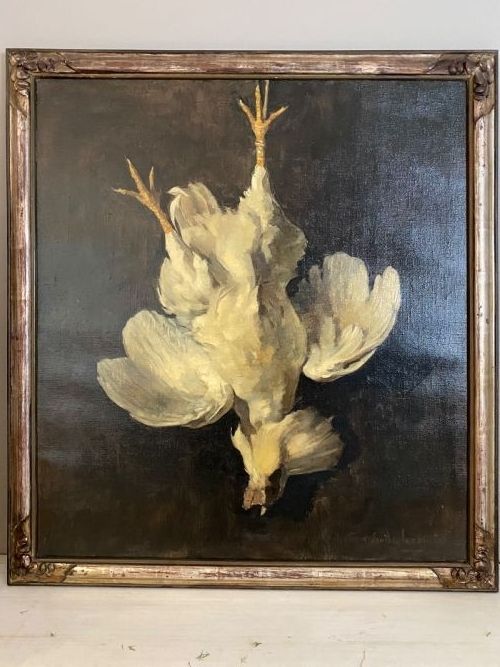
These works are painted in oil or watercolour on canvas, paper and panel, housed within wood or giltwood frames. Artists applied pigment to capture the tactile textures of feathers, fur and fruit against dark backgrounds.
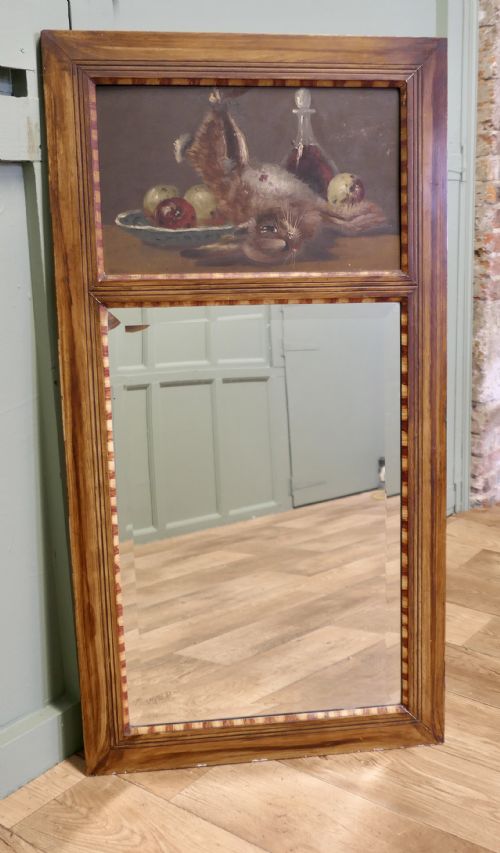
Support structures utilise traditional stretched canvas and heavy timber frames, occasionally taking the form of architectural trumeau pier mirrors incorporating painted panels.
One watchful monkey shares space with the feathered game and fruit.
Judging quality
Quality rests upon the handling of light across feathers and fur, distinguishing a master's rendering of a larder view from a stiffer decorative study. The depth of the oil paint layers and the naturalism of the composition separate ambitious works from simpler room ornaments.
The integrity of the original wood or giltwood frame plays a role, as does the clarity of provenance linking a canvas to a recognised hand in the Dutch School or nineteenth-century Continental traditions.
George Sydney Shepherd·Michelangelo Meucci·William Henry Ward·Benjamin Blake·Henri Joseph Pauwels·Emile Lecomte
The Framed Game Still Life Glossary
- Bodycolour
- Watercolour paint mixed with a white pigment to make it opaque. This technique adds dense, solid highlights to game studies.
- Trumeau
- An architectural wall mirror containing a painted panel above the glass. These often incorporate rural or game subjects within French country interiors.
- Larder view
- A genre of still life depicting food provisions, game birds and hunted animals displayed before preparation. It emphasises abundance and natural textures.
- Giltwood
- Wood that has been covered with a thin layer of gold leaf. It forms the traditional ornate framing for nineteenth-century oil paintings.
Framed Game Still Life: Frequently Asked Questions
What is a game still life?
A game still life is a painting or watercolour depicting hunted animals, birds and fruit, typically arranged in a larder or rustic setting. These works celebrate the harvest of the hunt through detailed observation of nature.
Artists across the nineteenth and twentieth centuries used oil paint and canvas to capture the textures of fur and feathers, creating dramatic contrasts of light and shadow.
How do I hang a large framed still life?
Large oil paintings in heavy giltwood frames require secure wall fixings anchored directly into masonry or wall studs. Their substantial weight demands professional hardware to ensure stability.
Position the centre of the canvas at eye level, allowing the rich tones of the game and dark backgrounds to anchor the room's decorative scheme.
Are these paintings from the nineteenth century?
Many examples originate from the nineteenth century, representing various European traditions including Dutch School realism and French Country styles. Later interpretations extend into the mid-twentieth century with impressionist and expressionist approaches.
Examining the canvas preparation, stretcher bars and framing materials helps determine the exact period of execution.
What subjects appear in these works?
Common subjects include hares, pheasants, songbirds, cockerels and rabbits, often accompanied by fruit or culinary implements. These elements compose a traditional larder view.
Each animal is rendered with attention to anatomical detail and realistic textures, reflecting the painter's skill in natural history observation.