

Vintage Animal Figurines
Vintage animal figurines encompass bronzes, carved wood and silver studies spanning the nineteenth and twentieth centuries.
Vintage Animal Figurines
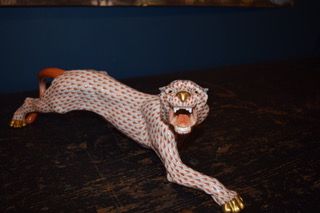
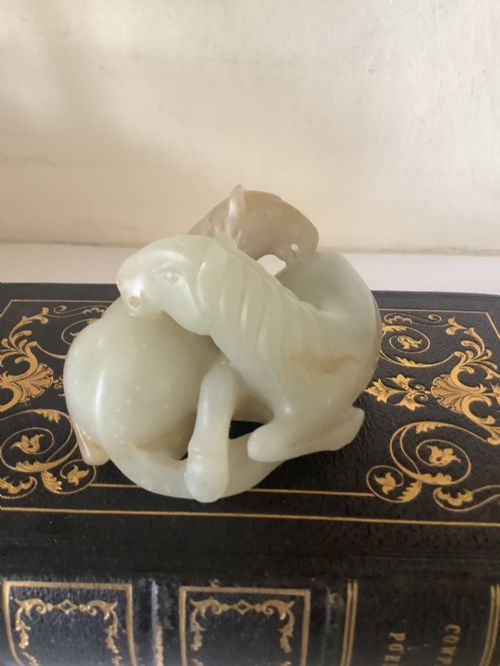
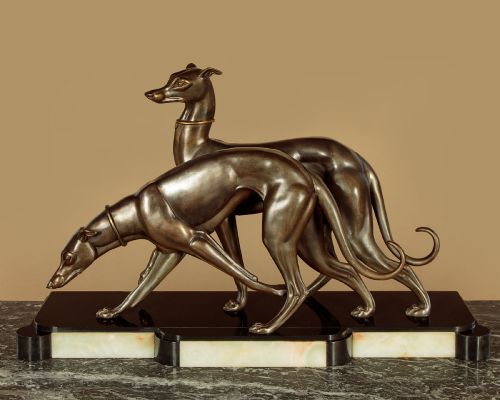
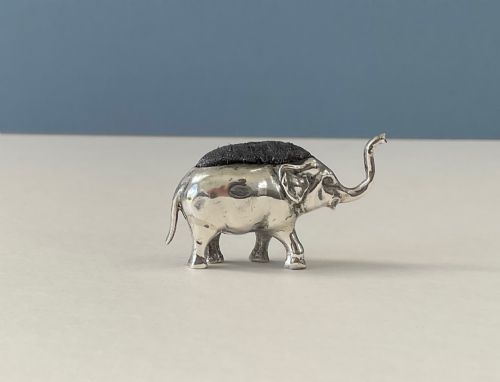
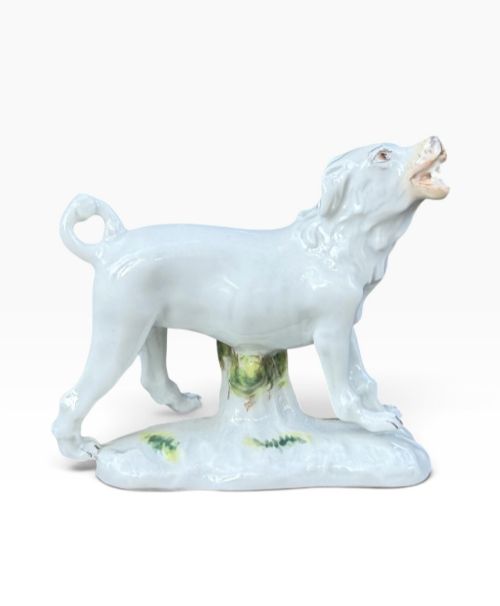
Vintage animal figurines take the form of bronze sculptures, carved wooden bears, silver pin cushions and ceramic subjects spanning the Victorian era through to the mid-twentieth century.
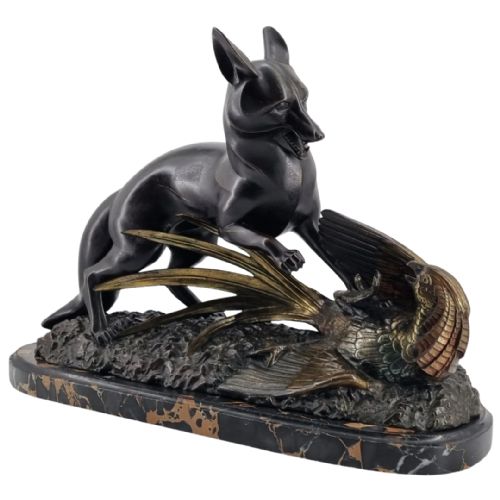
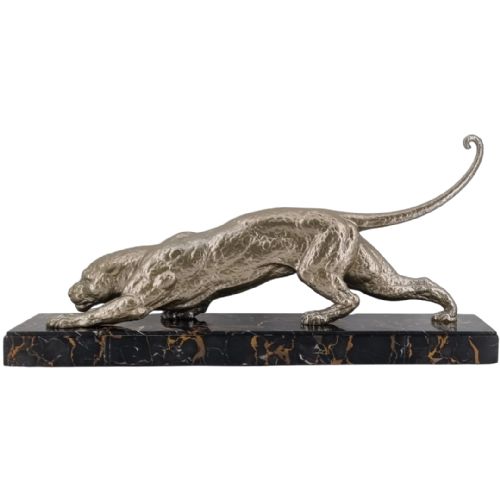
The selections on this page draw from distinct stylistic movements, including Art Deco predators, Japanese folk art carvings and European animalier bronzes.
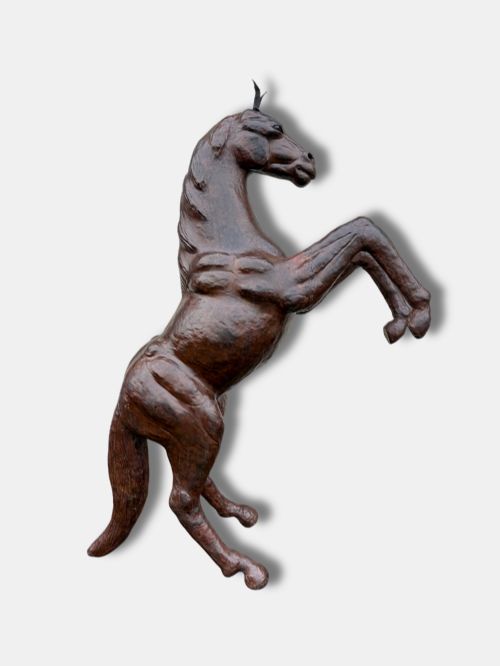
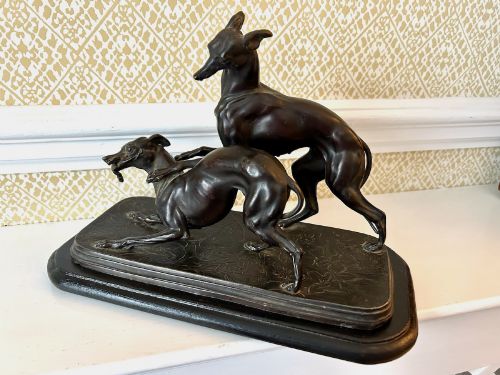
Buyers seeking vintage animal figurines encounter works ranging from diminutive silver novelties to substantial bronze cats, hounds and horses.
Assessing Quality
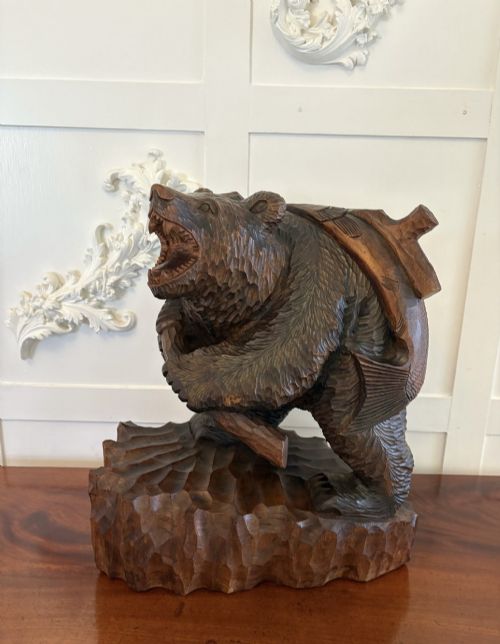
Quality rests in the precision of anatomical rendering and the fidelity of surface texture, whether in the chisel marks of a wooden bear or the musculature of an animalier bronze.
Foundry marks, signatures by recognised sculptors and original patination elevate individual pieces above standard decorative castings.
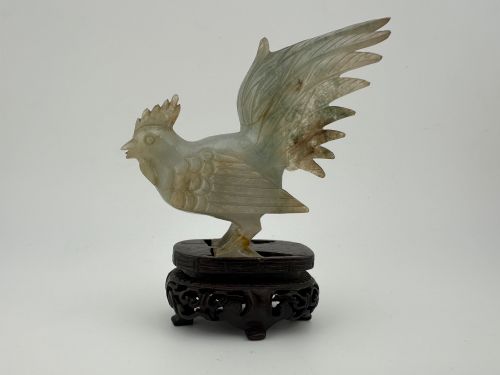
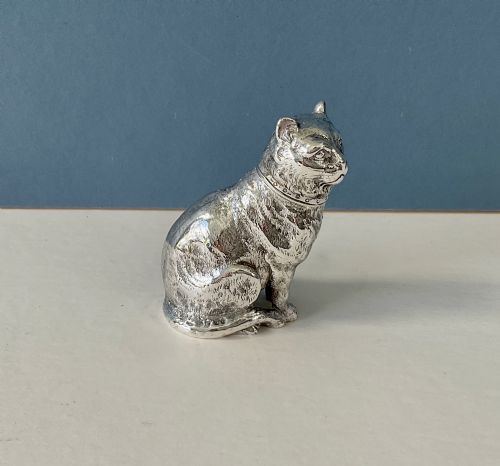
Cats, dogs, bears and roosters dominate the menagerie, quietly guarding desks disguised as pepper pots and pin cushions.
Lavroff·D. H. Chiparus·P J Mêne·Christophe Fratin·Alexandre Ouline·Antoine Louis Barye
The Vintage Animal Figurines Glossary
- Animalier
- A nineteenth-century artistic movement dedicated to the realistic depiction of animals, principally in bronze.
- Vienna Bronze
- Small, highly detailed brass or bronze castings produced in Austrian foundries, typically finished with cold-painted polychrome enamels.
- Kibori Kuma
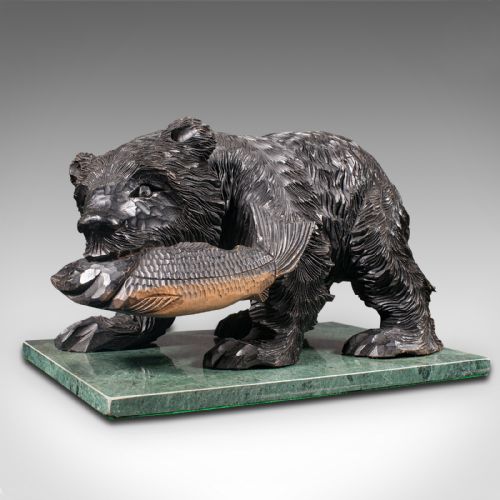
- Japanese carved wooden bears originating from Hokkaido, often depicted carrying fish in the folk art tradition.
- Pin Cushion
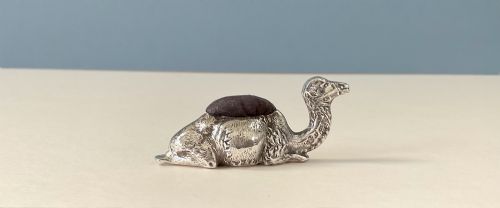
- A small domestic accessory, frequently fashioned from silver into the shape of birds, dogs and camels during the Edwardian period.
Vintage Animal Figurines: Frequently Asked Questions
What are animalier bronzes?
Animalier bronzes are dynamic nineteenth-century sculptures focusing on wild animals in naturalistic poses, often depicting predatory encounters or powerful draft beasts.
These works were created by specialised European sculptors using traditional casting methods and display detailed attention to animal anatomy.
How do I date a silver pin cushion?
Silver novelty pin cushions are frequently dated through British hallmarks stamped directly onto the metal, indicating the specific assay office and year of production.
Edwardian and Victorian examples often take the form of birds, elephants or domestic animals fitted with original velvet upholstery.
What is Black Forest wood carving?
Black Forest carvings are distinctive wooden sculptures originating from central Europe, known for depicting bears, dogs and forest foliage with deep texture.
These pieces were typically hand-chiselled from linden or walnut by regional artisans during the late nineteenth and early twentieth centuries.
Where should I place these sculptures?
These pieces suit display on library shelves, mantelpieces or wooden desks where their materials and patination can be appreciated up close.
Larger bronze and leather figures require stable surfaces like sideboards or dedicated plinths to support their weight safely.