





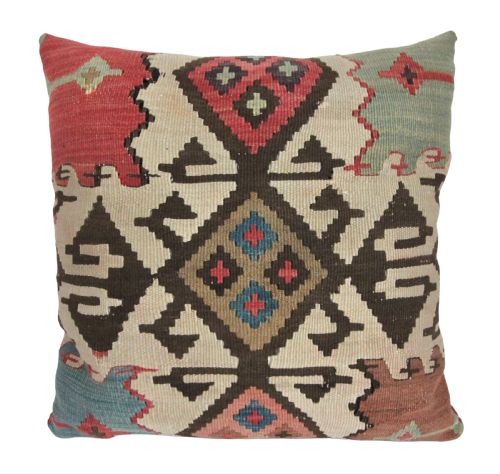
Vintage Anatolian Kilim
When seeking a vintage anatolian kilim, you encounter flatwoven textiles from Turkish regions that bring tribal geometry and rich wool into modern rooms.
Vintage Anatolian Kilim
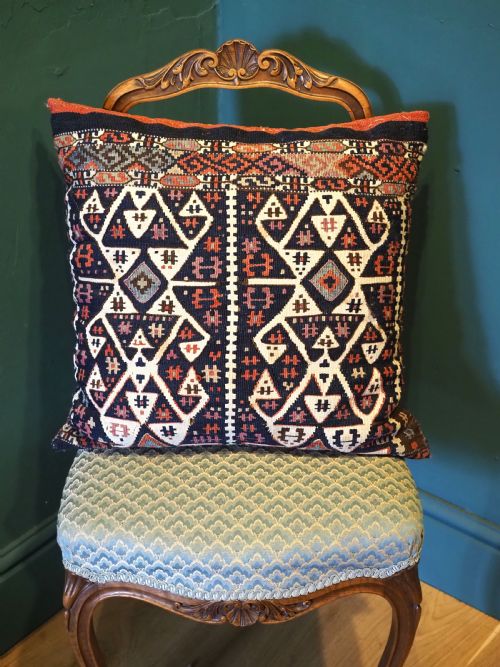
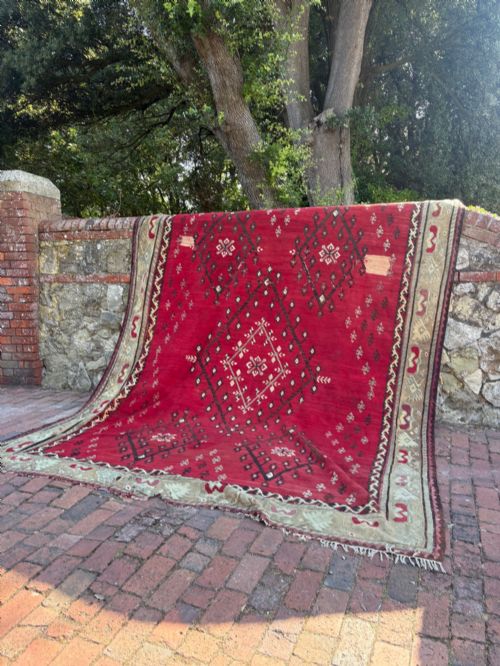
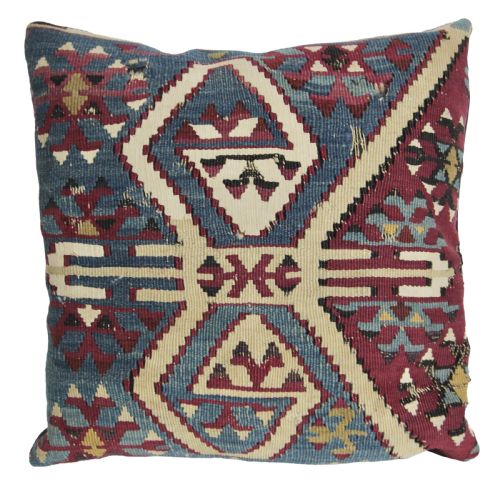
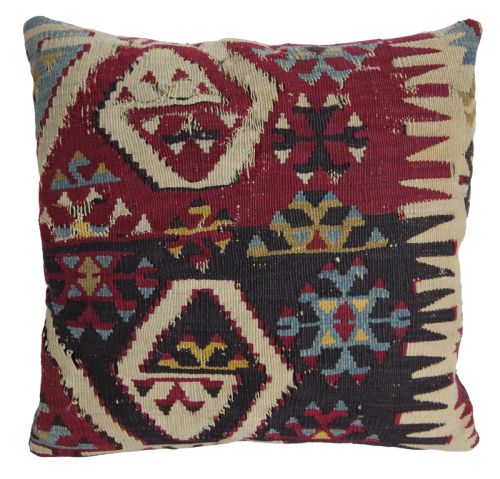
The selection on this page ranges from large floor carpets to smaller bag face cushions and wall-hanging panels. Buyers frequently encounter formats adapted for domestic use, including saddle bag conversions and paired cushions utilising traditional textile fragments.
How They Were Made
These flatweave textiles are produced using wool yarns, often combined with cotton foundations and occasional leather elements on utilitarian items like saddle bags. Weavers construct the flat surface without a pile, creating crisp geometric motifs through slit-weave techniques.
Many larger formats, such as those from the Bergama, Reyhanli, and Kayseri regions, are woven in two separate panels and joined down the centre. Embroidered details, including cicim work, appear alongside standard flatweaving to add texture and secondary pattern.
The listings feature wool, cotton, and leather materials spanning the nineteenth century through the nineteen-thirties.
What Varies in Quality
The distinction between examples rests on the integrity of the weave and the preservation of the original dye palette. Pieces retaining vibrant, saturated tones and complex tribal iconography command attention over those with muted or heavily faded hues.
Structural condition also defines the upper tier, distinguishing textiles with minor period repairs from those requiring extensive restoration. The precision of the geometric layout and the regional authenticity of the design further elevate individual pieces.
Karakecili·Yuruk
The Vintage Anatolian Kilim Glossary
- Kilim
- A flatwoven rug or carpet produced without a pile across Anatolia and the wider Near East. This technique creates a lightweight textile suitable for both floor placement and wall hanging.
- Flatweave
- A textile construction method where warp and weft threads interlace directly to form a flat surface. This technique contrasts with knotted pile carpets.
- Cicim
- A supplementary-weft embroidery technique applied to woven grounds. Artisans use this method to add raised geometric patterns onto base textiles.
- Juval
- A large storage bag face produced by nomadic tribes for household possessions. These panels are frequently repurposed into cushions for modern interiors.
- Saddle Bag
- A paired utilitarian container woven by nomadic groups for transport on animals. Surviving examples often appear divided or converted into decorative cushions.
Vintage Anatolian Kilim: Frequently Asked Questions
How do I clean a kilim cushion?
Surface dust is best removed through gentle vacuuming with a low suction setting, avoiding the fringe edges. Professional specialist cleaning is recommended for deeper maintenance to protect the wool fibres.
Water washing should be approached with caution regarding traditional dyes. Spot cleaning requires mild wool detergents and immediate blotting.
Can I use these rugs on stairs?
Runner formats from regions like Malatya and Konya provide suitable dimensions for hallway corridors. Their flatweave construction allows them to lie relatively flush against floor surfaces.
Underlay usage helps prevent slipping and reduces direct friction against stairs. This support extends the working life of older flatweave structures.
Why are some kilims woven in two parts?
Traditional nomadic looms possessed restricted widths determined by portable frames. Weavers addressed this limitation by producing two identical narrow panels and stitching them together.
This construction method appears frequently on larger rugs from regions such as Reyhanli and Bergama. The central seam serves as a practical marker of authentic regional manufacture.
How do I distinguish regional styles?
Specific weaving areas developed distinct palettes and geometric symbol sets. Ushak and Bergama pieces often display characteristic colour balances and medallion structures.
Examining the handling of wool and the specific slit-weave technique aids attribution. Comparative study of regional motifs clarifies the origin of individual pieces.