


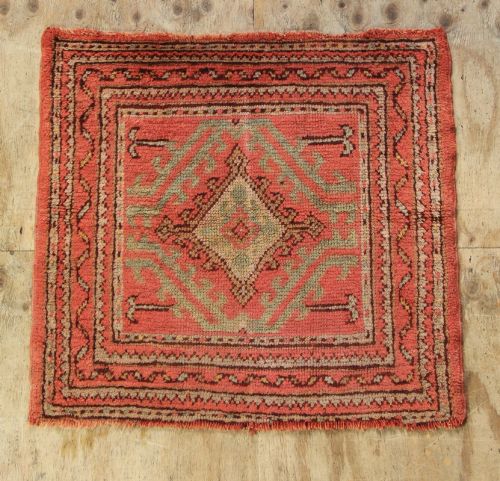

Vintage Anatolian Carpet
When you search for a vintage anatolian carpet, you are looking at woven wool floor coverings from Turkey spanning the nineteenth and early twentieth centuries.
Vintage Anatolian Carpet
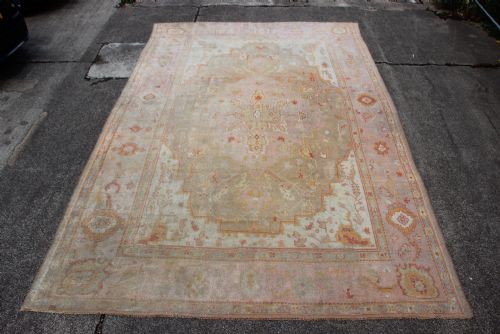
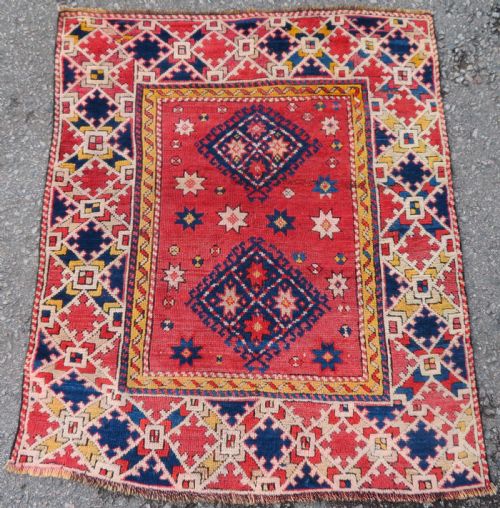
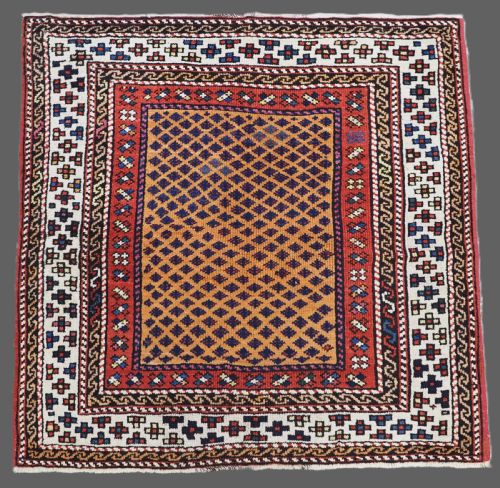
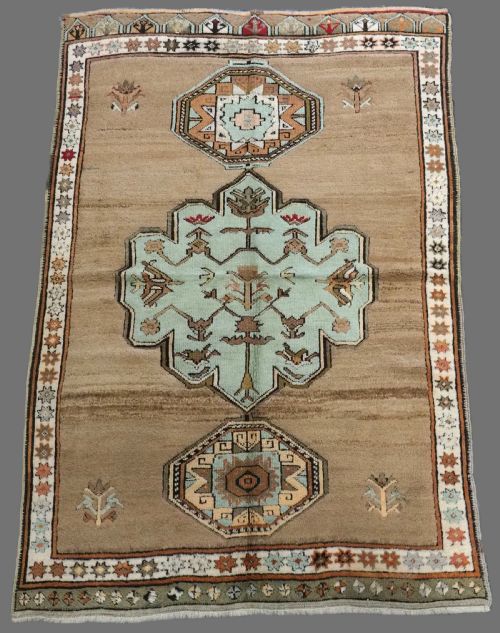
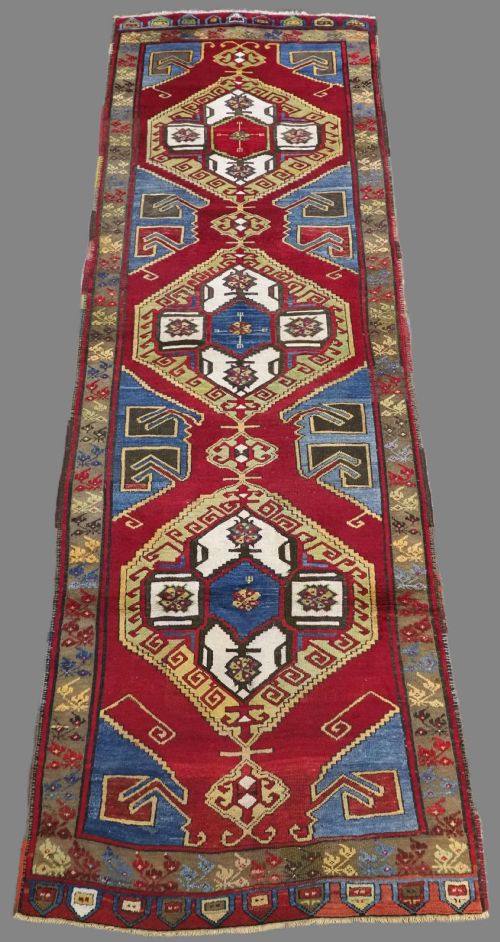
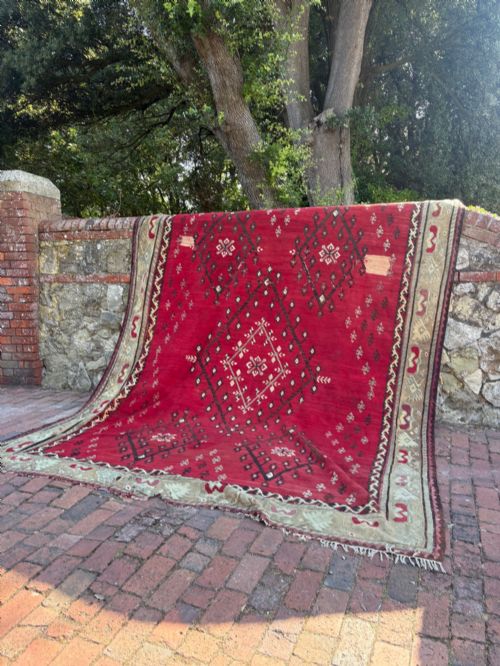
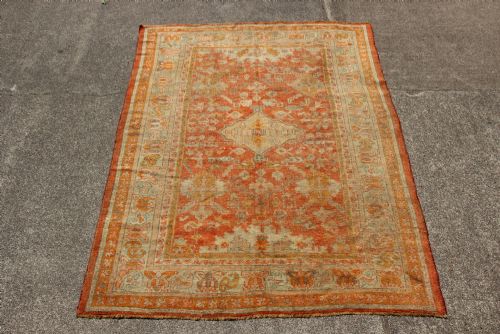
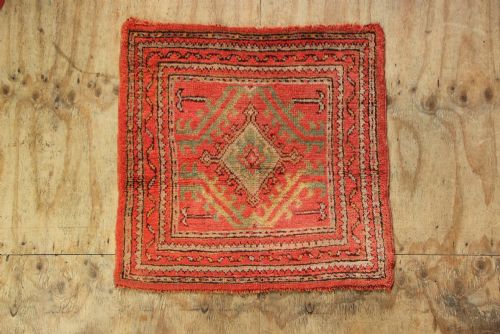
A vintage anatolian carpet encompasses pieces originating from various regions and weaving traditions across Anatolia, including Oushak, Bergama, Konya, and Kirsehir. These textiles appear in forms ranging from large carpets and square formats down to mats, runners, and flatweave kilims.
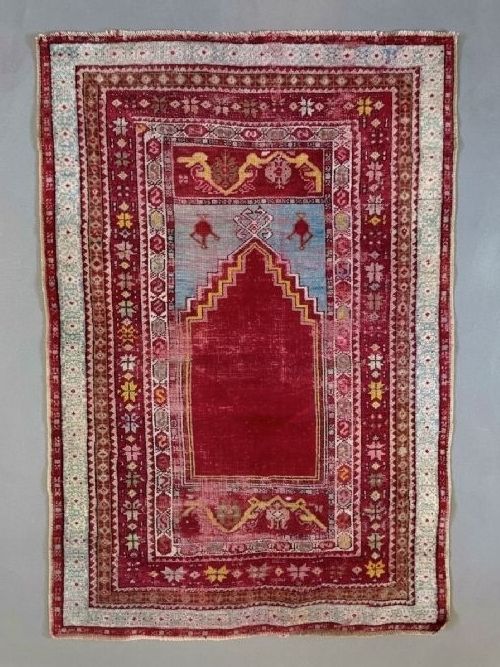
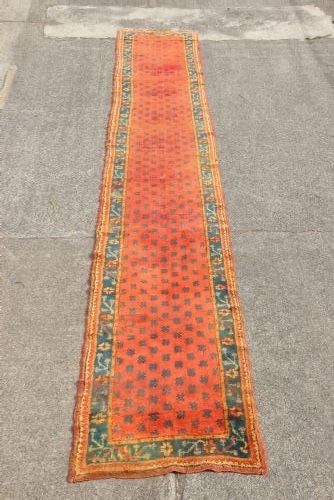
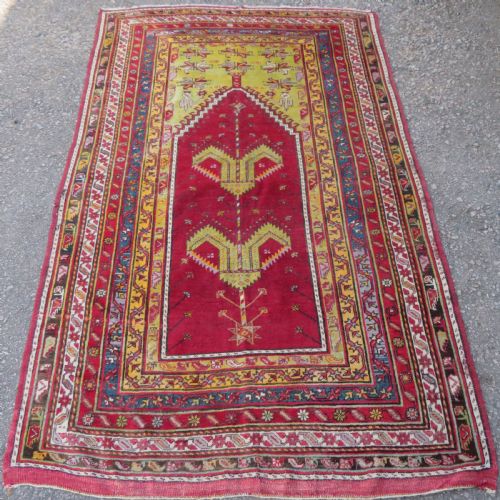
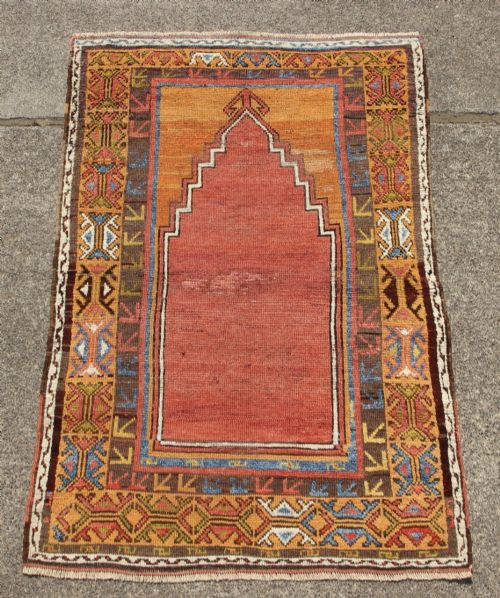
Many examples take the specific form of prayer rugs, marked by mihrab designs used for personal devotion. Other formats include village rugs and long runners intended for corridors and large reception spaces.
The selection on this page captures pieces produced across the nineteenth and early twentieth centuries, reflecting traditional patterns passed down through generations of weavers in Turkish villages and towns.
How they were made
Weavers constructed these textiles primarily using wool, cotton foundations, and occasionally camel wool for the pile or background fields. Hand-spun wool supplied the soft texture and variable absorption that allowed natural dyes to age with subtle shifts in hue.
Production techniques combined knotted pile construction with flatweave kilim methods, sometimes seen in half-kilim hybrid runners. The structural weave relied on wool or cotton warps and wefts to secure the dense pile in place.
Vintage Anatolian Carpet Retail Price Guide 2026
Typical asking prices for vintage anatolian carpet among the pieces listed under this phrase on Sellingantiques today, from the lower quarter to the upper quarter. They describe what is for sale here now, not the wider market.
Listings feature pieces dated from the eighteenth century through to the 1930s, constructed in wool, cotton, and camel wool.
What varies in quality
Quality in these textiles depends on the fineness of the knotting and the handling of the wool, which dictates how the surface responds to wear over decades. Finer examples display precise control over complex geometric or floral lattice designs.
The choice of wool, such as the inclusion of soft camel wool, influences the tactile depth of the field. Dye selection and the integrity of the pile further distinguish standard village production from finer workshop carpets.
The Vintage Anatolian Carpet Glossary
- Kilim
- A flatweave textile produced without a pile, often utilised for rugs and decorative coverings. These pieces rely on tightly packed horizontal weft threads pulled across vertical warps to form sharp geometric patterns.
- Prayer rug
- A textile featuring a distinct mihrab arch design oriented towards Mecca during Islamic prayer. These rugs were woven in centres such as Konya, Kirsehir, and Ladik.
- Runner
- A long, narrow carpet format designed for corridors, hallways, or narrow rooms. Examples often measure significantly longer than their width.
- Oushak
- A style originating from the town of Usak, known for large-scale floral motifs and a softer palette. These carpets often utilise pale blue, ivory, or muted red grounds.
- Mihrab
- The arched niche depicted on prayer rugs that represents the direction of prayer. This architectural motif guides the primary decorative focus of the rug field.
Vintage Anatolian Carpet: Frequently Asked Questions
What is an Anatolian carpet?
An Anatolian carpet is a woven floor covering originating from the regions of Turkey, traditionally made from wool and cotton. These pieces include large carpets, room-sized rugs, runners, and prayer formats.
Production spans centuries of local weaving traditions, incorporating tribal motifs, village designs, and workshop styles from towns such as Oushak and Bergama.
How do I identify a prayer rug?
Prayer rugs are identified by the presence of a distinct arch or mihrab shape at one end of the design field. This architectural niche directed the user during daily devotions.
Such rugs generally measure in smaller formats suitable for individual use, unlike large salon carpets meant for broader floor spaces.
What materials were used?
Weavers relied predominantly on sheep's wool for the pile, combined with cotton foundations for stability in many nineteenth and early twentieth century pieces. Camel wool also appears in specific regional pieces to create natural, undyed golden-brown fields.
Hand-spun wool fibres absorbed natural dyes unevenly, resulting in the characteristic abrash and varied colour tones seen across older carpets.
How should I care for an old carpet?
Living with these textiles involves placing them in areas with moderate foot traffic and avoiding direct, prolonged exposure to harsh sunlight. Regular gentle vacuuming without a rotating brush helps remove embedded dust from the wool pile.
Professional cleaning suited for antique textiles preserves the natural lanolin in the wool and prevents the dyes from running.