




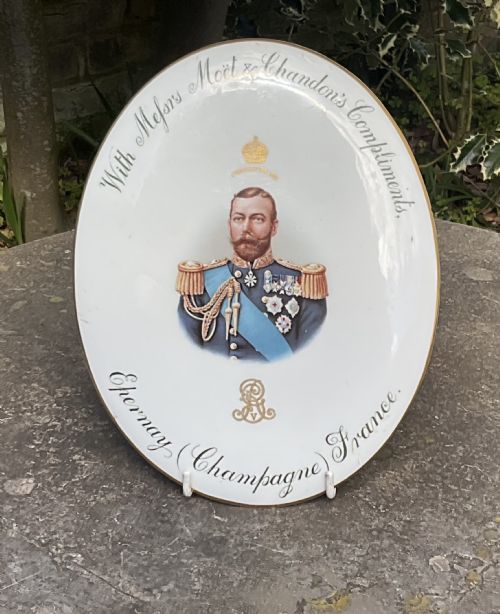
Vintage Advertising Sign
A vintage advertising sign brings the bold lettering and commercial character of past high streets directly onto a modern interior wall.
Vintage Advertising Sign
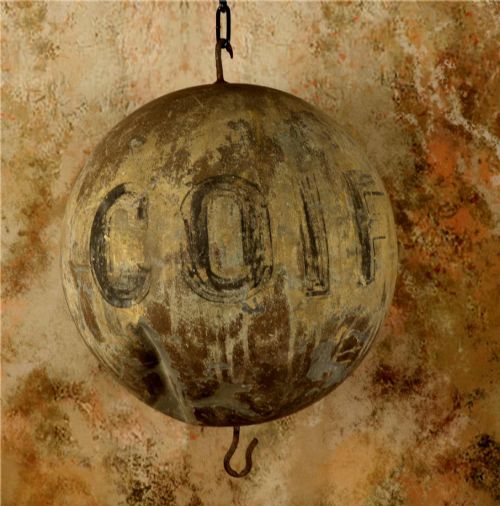
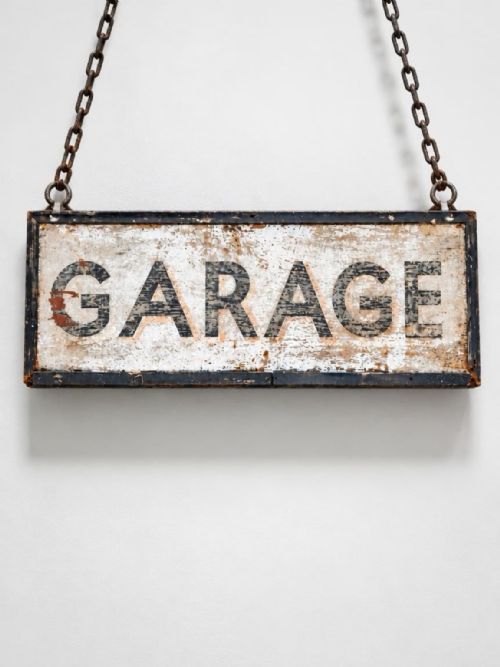
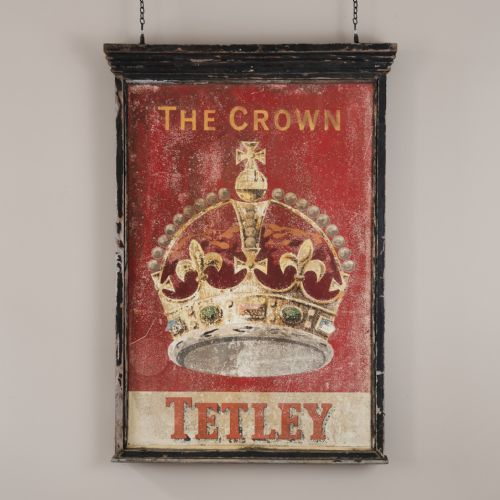
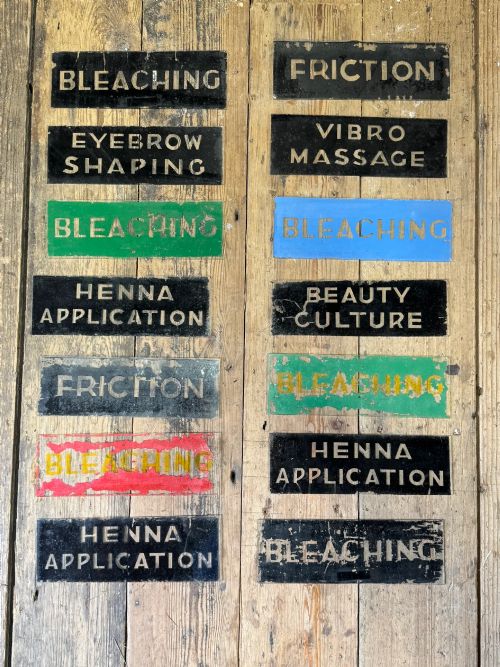
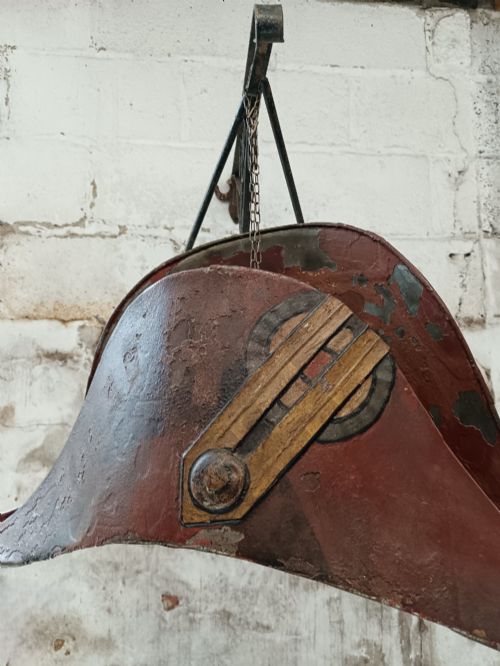
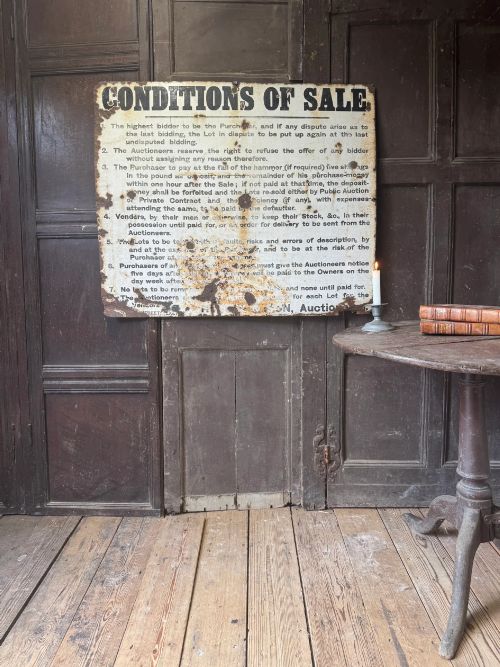
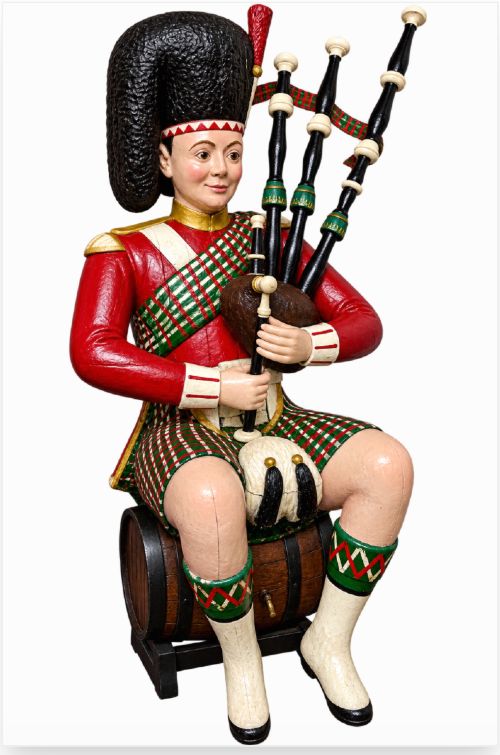
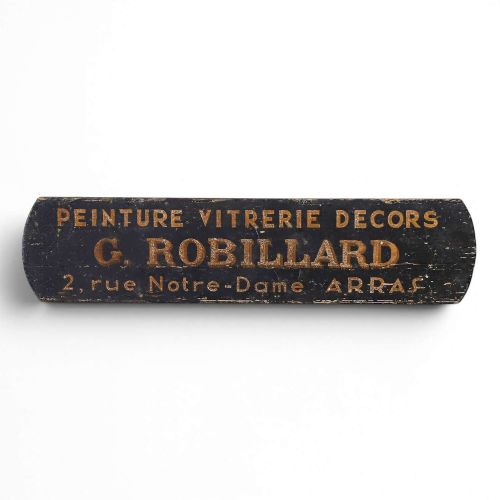
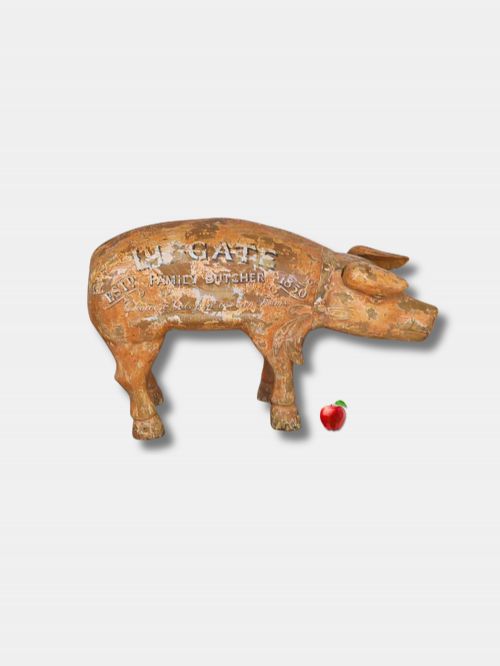
A vintage advertising sign encompasses trade signs, wall signs, display cabinets, and shop display models produced across the Victorian, Edwardian, and early twentieth-century periods. These commercial survivals served butchers, publicans, drapers, and tobacconists, communicating trade and merchandise to the passing public.
The selections available here range from painted metal and enamel plates to carved wooden figures, reverse-painted glass panels, and compositional items. Early twentieth-century examples frequently celebrate household brands, tanners, and brewers, whilst nineteenth-century pieces lean towards folk art and trade-specific iconography.
Buyers will encounter wall-mounted signage alongside three-dimensional shop display models and architectural pieces that once anchored commercial premises. Each format records the changing typography, branding methods, and retail habits of British, French, and American high streets.
Materials and construction methods
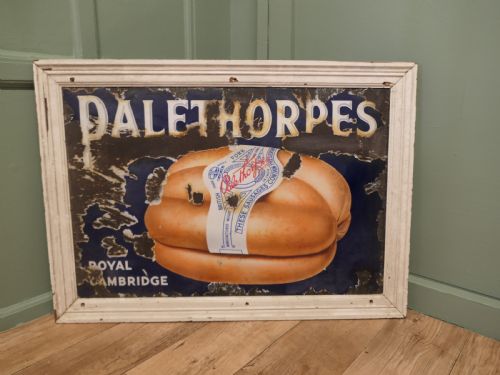
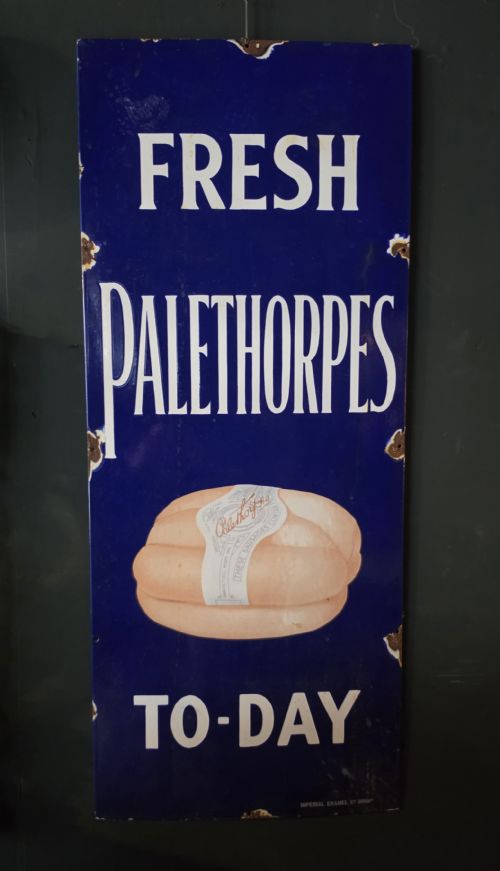
Makers utilised durable substrates such as iron, sheet metal, pine, oak, and glass to withstand external weather and busy interior environments. Metal panels often received vitreous enamel finishes, fusing powdered glass to iron at high temperatures to secure permanent colour.
Sign-writers applied oil-based paints, gold leaf, and reverse-glass techniques by hand, building lettering and pictorial details layer by layer. Carved wooden trade signs, shop display models, and toleware items relied on traditional carpentry and shaped metalwork, subsequently finished with hand-painted polychrome decoration.
Vintage Advertising Sign Retail Price Guide 2026
Typical asking prices for vintage advertising sign among the pieces listed under this phrase on Sellingantiques today, from the lower quarter to the upper quarter. They describe what is for sale here now, not the wider market.
The listings span the nineteenth century through to the mid-twentieth century, recording materials from sheet metal and glass to oak and gold leaf.
Assessing quality in commercial survivals
Quality rests upon the crispness of the original sign-writing, the integrity of the substrate, and the survival of untouched, authentic surface patination. Pieces that retain their original frames, mountings, or double-sided hanging brackets demonstrate superior contextual completeness.
The execution of hand-painted details, whether in reverse glass panels or carved wooden trade figures, separates standard commercial output from exceptional folk art craftsmanship. Depth of modelling in embossed copper panels and the visual clarity of early enamel surfaces dictate the standing of individual items.
Palethorpes·Tetley·Watsons Matchless Soap·Will's Capstan·GBD·Holdfast Boots·Rowntree's Elect Cocoa
The Vintage Advertising Sign Glossary
- Enamel sign
- A metal plate fused with vitreous glass coatings to create a glossy, weather-resistant surface for outdoor branding. These items display exceptional durability and vibrant colour retention.
- Reverse-painted glass
- A technique where lettering and imagery are applied to the rear side of a glass panel, viewed through the polished front. This method protects the pigment and yields a reflective, luminous sheen.
- Trade sign
- A functional object or hanging board shaped to represent a specific trade, such as a pocket watch, boot, or loaf of bread. They identified premises before street numbering became universal.
- Toleware
- Lacquered or enamelled sheet metal items produced for domestic or commercial use. The technique involves treating metal bases to support decorative painted finishes.
Vintage Advertising Sign: Frequently Asked Questions
How were trade signs displayed originally?
Shopkeepers mounted these pieces above doorways, on exterior brickwork, or projected them perpendicular to the building so pedestrians could spot the trade from a distance. Interior versions hung behind counters or adorned display windows to attract customer attention.
Larger items like display cabinets and life-size figures stood directly on the shop floor or pavement, acting as physical focal points for specific goods.
What materials last best on walls?
Enamel and painted sheet metal hold up particularly well because their glazed or treated surfaces resist moisture and dust accumulation over decades. Glass panels also maintain their visual depth if kept secure from impact.
Wooden and cardboard examples require stable indoor humidity to prevent warping or fading of the early hand-painted lettering.
How do I date a painted sign?
Lettering styles, typeface geometry, and the specific brand names mentioned provide the clearest chronological markers. Victorian and Edwardian pieces often feature ornate serif lettering and hand-mixed oil paints, while later twentieth-century iterations adopt cleaner sans-serif fonts.
The underlying material, such as heavy cast iron or early sheet metal, also aligns with manufacturing shifts across the decades.
Are trade figures actual furniture?
Trade figures and shop display models functioned as three-dimensional advertisements rather than functional seating or storage. Sculpted items like boots, animals, or human figures drew customers inside by dramatising the merchandise sold within.
While some incorporated display units or chests, their primary purpose remained visual promotion.