


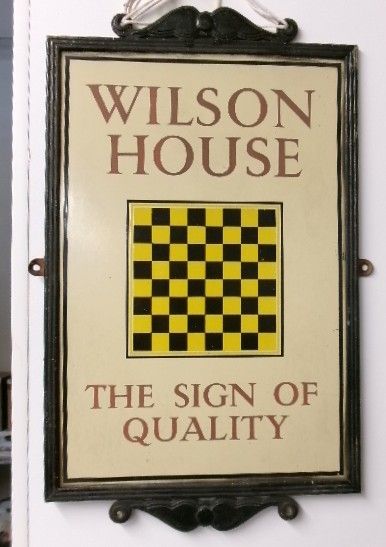


Vintage Advertising Plaque
These vintage advertising plaque examples bring authentic trade history into your interior, spanning iron, enamel, tile, and wood across Victorian and early twentieth-century periods.
Vintage Advertising Plaque
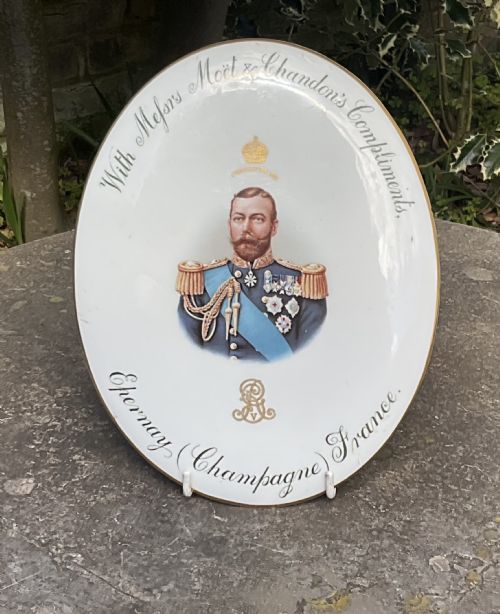
A vintage advertising plaque encompasses wall signs, trade signs, and decorative tiles originating from Victorian, Edwardian, and early twentieth-century commerce. These items include public telephone notices, champagne plaques, locksmith boards, and butcher shop signs designed to attract passing trade.
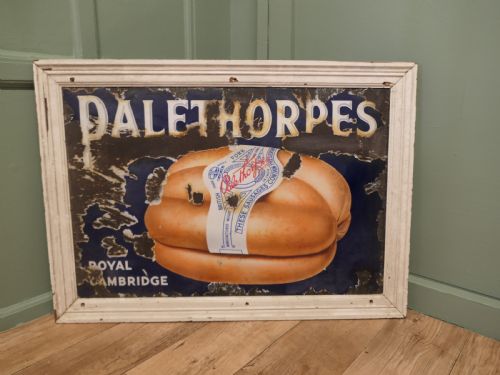
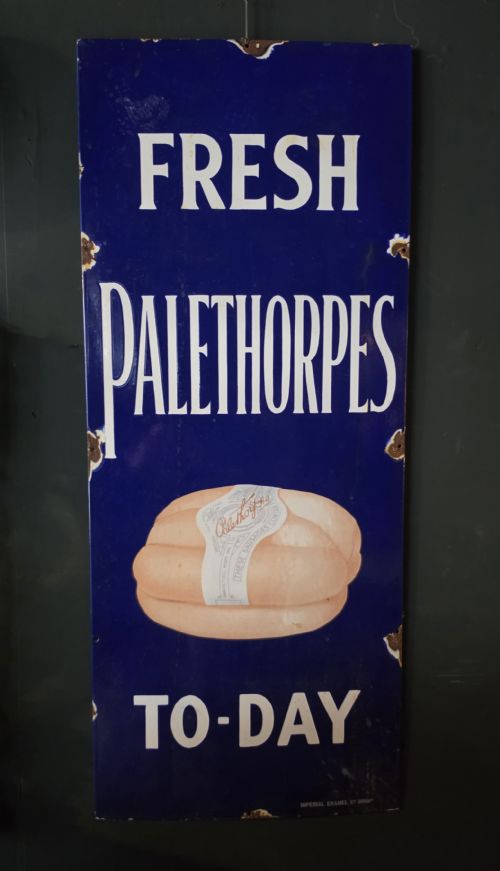
The version most commonly met on this page is the vitreous enamel or metal sign, alongside painted glass panels, carved wood, and ceramic tiles. Pieces range from large pictorial sausage advertisements to small pottery salesman samples and brass safe plaques.
Origins stretch across English, French, and domestic trade workshops, embodying industrial commercial and folk art traditions. Buyers seek them to anchor a room with genuine commercial heritage rather than modern reproduction.
What varies in quality
Quality rests in the crispness of the lettering, the depth of the enamel gloss, and the intact survival of original painted or glazed surfaces. Superior examples retain their factory sheen and authentic structural framing without heavy modern intervention.
The complexity of the manufacture also dictates distinction, separating simple stenciled boards from rich pictorial enamel graphics or finely modelled three-dimensional trade shapes like pocket watches and salesman jugs.
Vintage Advertising Plaque Retail Price Guide 2026
Typical asking prices for vintage advertising plaque among the pieces listed under this phrase on Sellingantiques today, from the lower quarter to the upper quarter. They describe what is for sale here now, not the wider market.
Human teeth samples tucked into a dentist collection remind us that early trade signs could be startlingly literal.
Mintons·Minton Hollins·Palethorpes·J. and H. Keyworth and Co
The Vintage Advertising Plaque Glossary
- Vitreous Enamel
- Glass powder fused to a metal substrate through firing, creating a hard, glossy, and colourfast surface. This method protected outdoor signs from rust and fading.
- Pictorial Enamel
- An enamel sign featuring detailed graphic illustrations alongside text rather than plain lettering alone. These pieces command strong interest for their visual narrative.
- Salesman Sample
- A portable miniature version of a product or sign used by commercial travellers to demonstrate wares to shopkeepers. They offer precise detail in a compact format.
- Trade Sign
- An identifying board or object hung outside a business to denote the profession within, such as a locksmith, dentist, or painter. They rely on recognisable symbols and clear typography.
- Decorative Tile
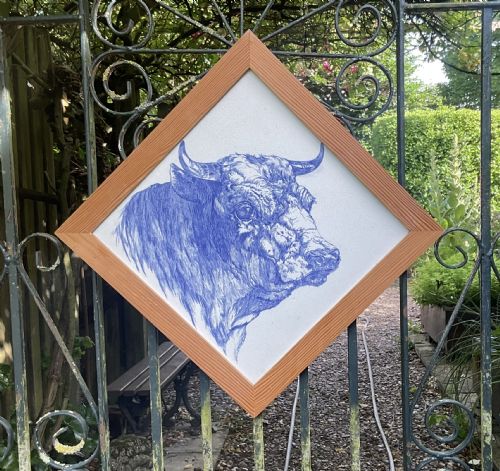
- A glazed ceramic slab used for architectural display or shop interiors, often bearing calendar dates or maker imprints. Mintons and Minton Hollins produced notable examples.
Vintage Advertising Plaque: Frequently Asked Questions
What is a vintage advertising plaque?
A vintage advertising plaque is an original trade sign, wall notice, or decorative tile used by businesses during the Victorian and early twentieth-century eras to promote goods and services.
These pieces were displayed on shopfronts, interior walls, and outside offices, manufactured from materials like vitreous enamel, cast iron, painted glass, and ceramic.
How were trade signs used?
Shopkeepers and tradesmen mounted these signs outside or inside premises to catch the eye of pedestrians and clearly identify services such as dentistry, locksmithing, or pharmacy.
Larger pictorial boards advertised specific household brands like sausages, mustard, and champagne, serving as both utilitarian markers and vibrant public decoration.
How do I date a plaque?
Dating relies on the materials, typography styles, and manufacturing techniques characteristic of periods such as the Victorian era, Edwardian period, or the 1920s.
Many metal enamel signs and ceramic tiles carry specific year stamps, calendar dates, or registry marks that pinpoint their exact production window.
How do I hang a heavy iron sign?
Heavy iron, cast metal, and framed glass signs require secure wall anchors fixed directly into structural masonry or heavy wooden studs.
Take care to support the full weight of the piece from its original hanging brackets or frame structure rather than relying on surface decorative hooks.