


Viennese Cold Bronze
Viennese cold bronze sculptures bring colourful character to a room through intricately finished metalwork from the nineteenth and early twentieth centuries.
Viennese Cold Bronze
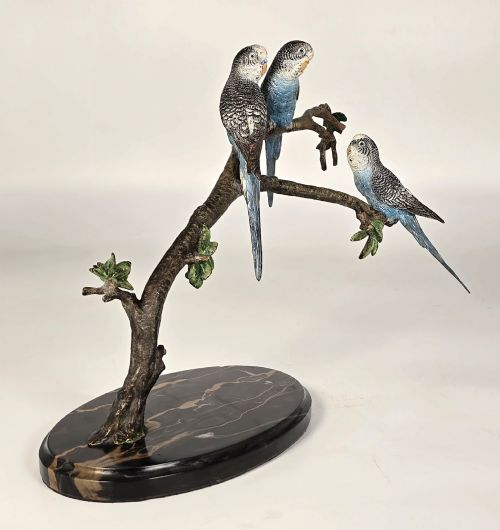
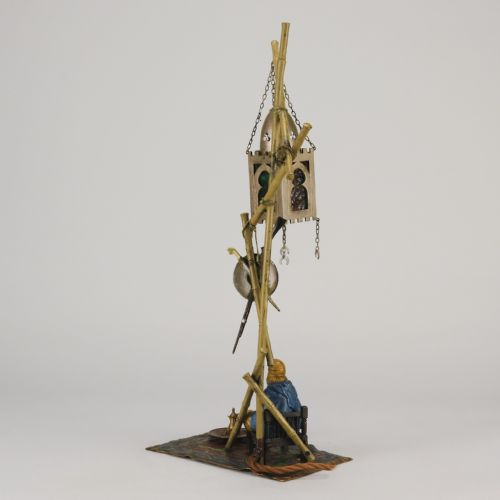
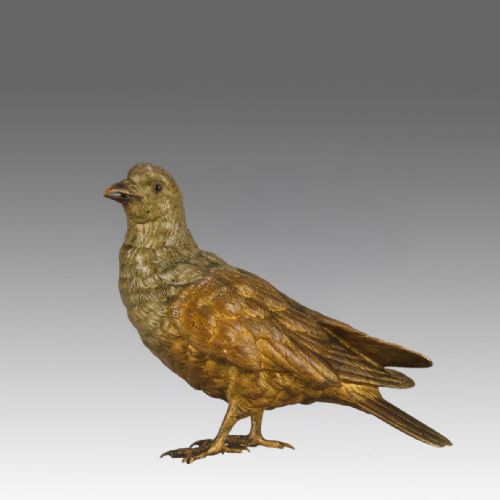
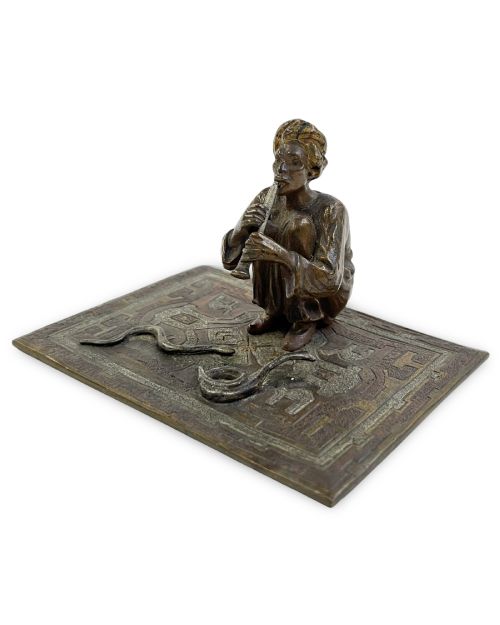
Viennese cold bronze figures capture a wide range of subjects, from naturalistic animals like budgerigars, drakes, pugs, and antelopes to elaborate Orientalist figures including snake charmers, sword merchants, and seated lamp-bearers. These pieces emerge predominantly from the nineteenth century and the early decades of the twentieth century, including the Art Deco period.
The most common formats on this page are standalone decorative figurines and sculptural studies, alongside occasional table lamps, pin trays, and inkwells. Many of these bronzes are mounted on bases of marble or onyx, grounding the small metal sculptures with a solid stone plinth.
The aesthetic bridges several distinct movements, notably Orientalism and Viennese Animalier styles, reflecting the diverse output of Austrian workshops. Collectors encounter both small domestic animals and narrative figure groups carrying distinct cultural or stylistic themes.
Materials and technique
These pieces are cast in bronze before receiving their signature surface treatment, which involves the application of polychrome enamel paint, standard paint, or enamel paint directly onto the unheated metal rather than firing the pigment in a kiln. This cold-painted technique allows for fine, detailed polychrome finishes on feathers, clothing, and fur.
Makers frequently combined the cast bronze metalwork with natural stone bases, utilising marble or onyx for plinths and integration into items like table lamps and desk accessories. Glass elements also appear in specific functional pieces, adding textural contrast to the painted bronze.
Budgerigars and drakes sit alongside erotically charged studies and Arab lamp-bearers, proving that Austrian foundries sculpted whatever caught the imagination.
Assessing quality
The choice and execution of the subject matter also dictate the standing of a piece, with complex figural groups and detailed animal studies commanding greater artistic regard than simpler forms. Furthermore, the inclusion of integrated bases in high-grade materials like onyx or marble contributes to the overall presence of the sculpture.
Franz Bergman·Josef Lorenzl·Franz Xaver Bergman·Bruno Zach·Goldscheider
The Viennese Cold Bronze Glossary
- Cold-Painted Bronze
- A bronze sculpture decorated with unfired paint or enamel applied directly to the metal surface. This technique allows for vibrant polychrome details that would be altered by high-temperature kiln firing.
- Viennese Animalier
- A style of small-scale bronze sculpture focusing on realistic or characterful depictions of animals. These figures were widely produced in Austrian workshops during the nineteenth and early twentieth centuries.
- Orientalist
- An artistic style drawing inspiration from the cultures of the Near East and North Africa. In these sculptures, it manifests in detailed figures of merchants, snake charmers, and seated Arabs.
- Onyx
- A banded variety of chalcedony used frequently as a heavy plinth or base for bronze figures and lamps. Its polished surface provides a contrasting architectural foundation for the metalwork.
- Polychrome Enamel
- Multi-coloured glossy paint applied to metal surfaces to create durable and decorative finishes. It is central to the visual appeal of Austrian cold-painted bronzes.
Viennese Cold Bronze: Frequently Asked Questions
What is cold-painted bronze?
Cold-painted bronze refers to metal sculptures finished with paints or enamels applied to the cold metal surface rather than fired in a kiln. This method preserves delicate polychrome details across the cast figures.
The technique gives these pieces their characteristic colourful appearance, distinguishing them from traditional patinated bronzes.
How should I display these bronzes?
These sculptures suit tabletops, desks, and dedicated display cabinets where their intricate detail and painted surfaces can be viewed closely. Pieces mounted on marble or onyx plinths stand securely on flat wooden surfaces.
Keep them away from direct sunlight and moisture to protect the delicate cold-painted enamel surfaces from fading or flaking over time.
How do I identify early twentieth century pieces?
Early twentieth century pieces often incorporate design markers from the Art Deco movement or specific transitional Orientalist styles. Examining the casting quality, the type of paint used, and any associated signatures helps establish the era.
Many works from this timeframe also feature specific stone bases like onyx that reflect the interior design trends of the period.
Were these figures used as functional items?
Many of these bronzes served practical purposes in addition to decoration, functioning as table lamps, inkwells, and pin trays. Desk accessories allowed owners to combine fine art craftsmanship with everyday utility.
Figurines and animal studies, conversely, were created purely for display on mantelpieces and cabinets.