


Victorian Writing Slope Desk
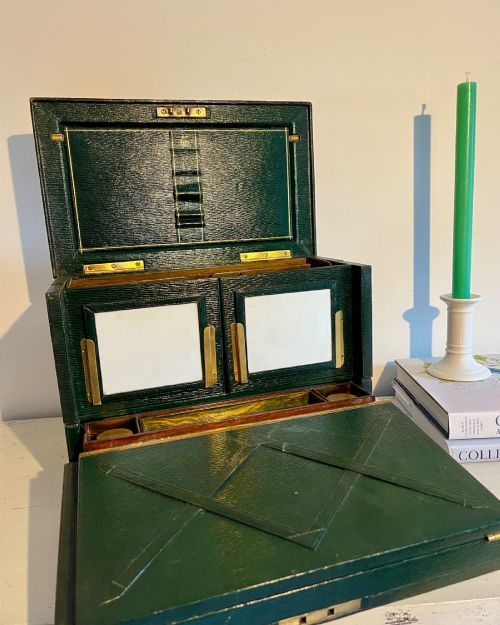
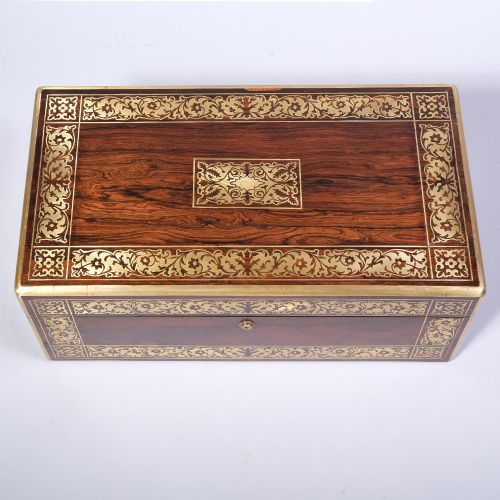
A victorian writing slope desk offers a folding portable writing surface combined with ingenious internal compartments for correspondence.
Victorian Writing Slope Desk
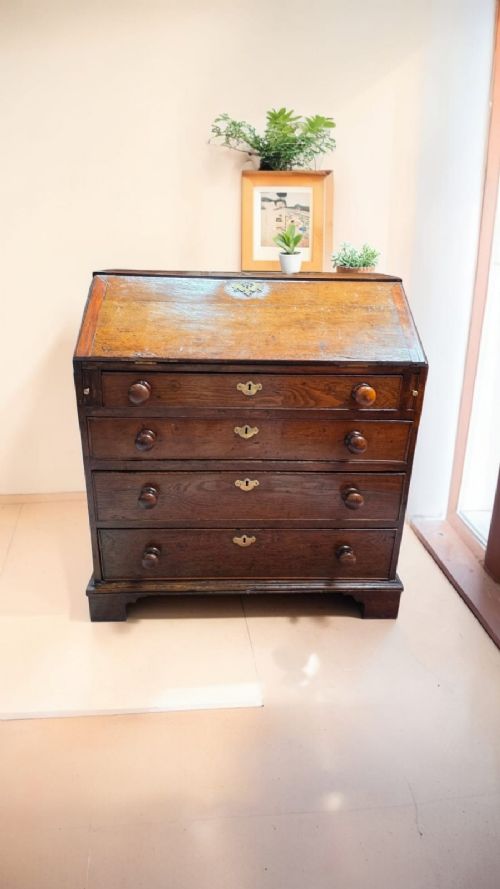
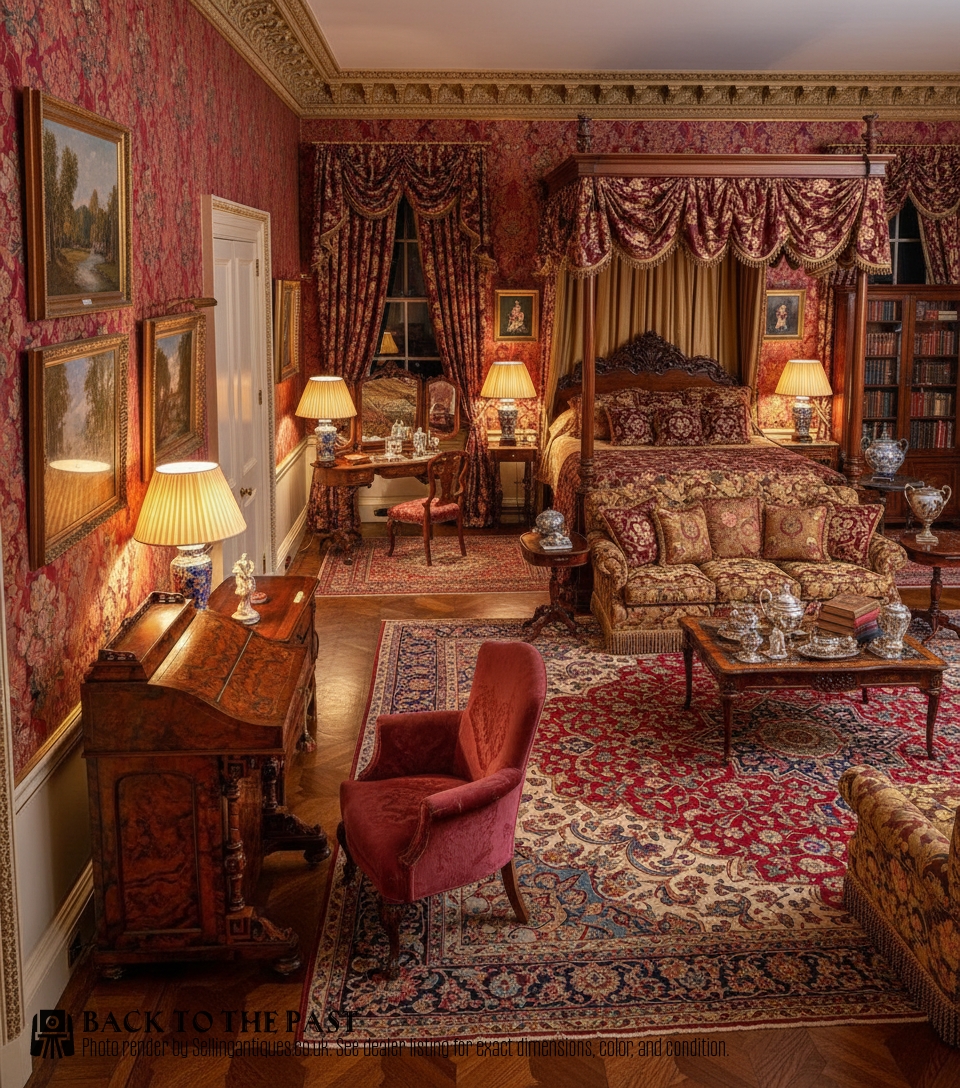
A victorian writing slope desk encompasses portable wooden lap boxes that open to reveal slanted writing surfaces alongside stationary storage, as well as freestanding Davenport desks and bureau forms. These pieces date principally from the nineteenth century, spanning decades from the eighteen-forties through to nineteen hundred.
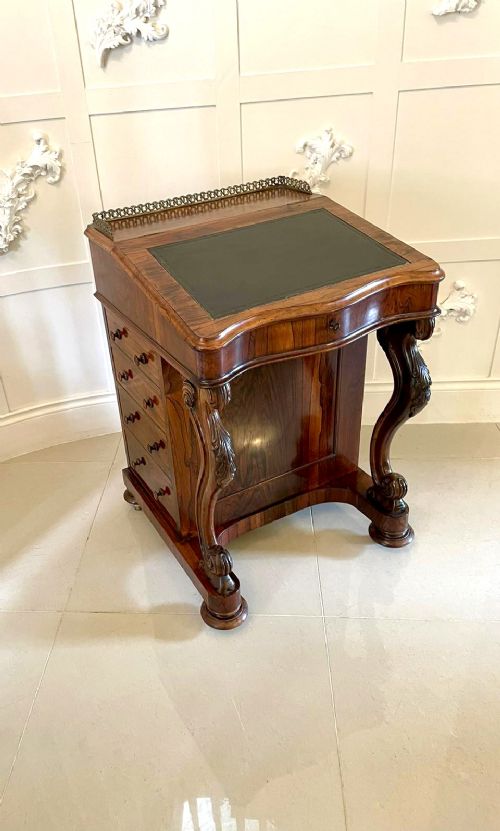
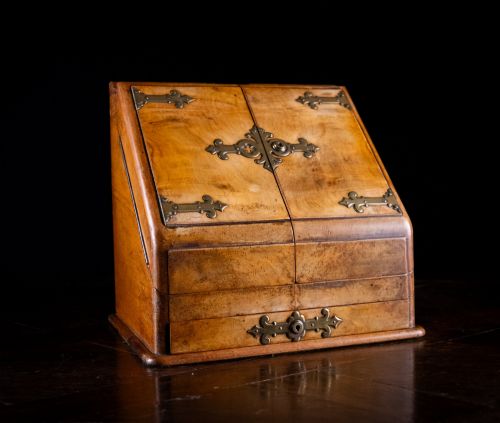
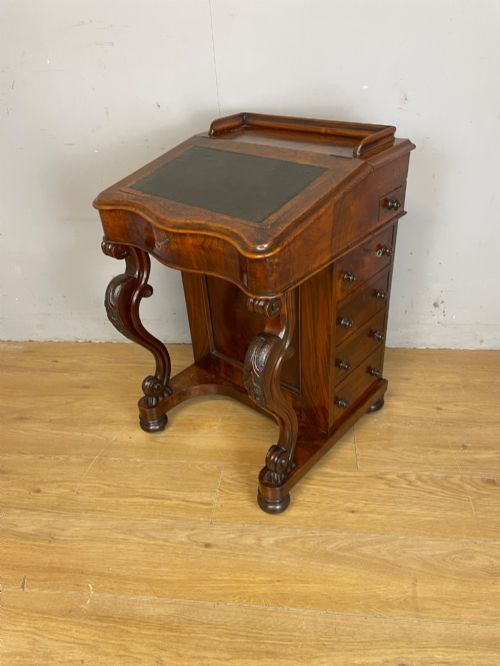
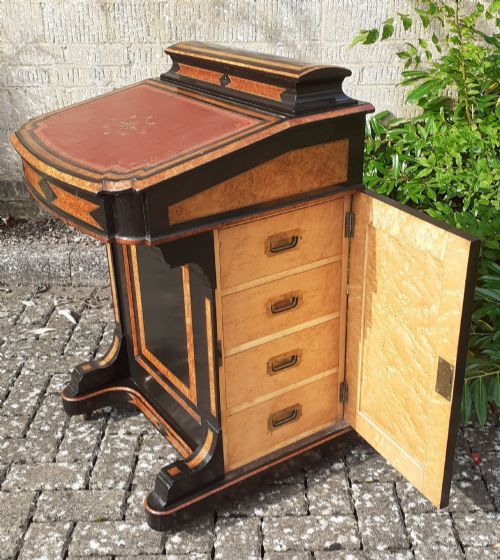
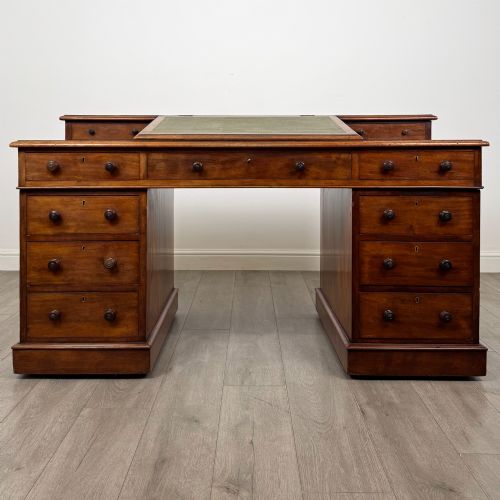
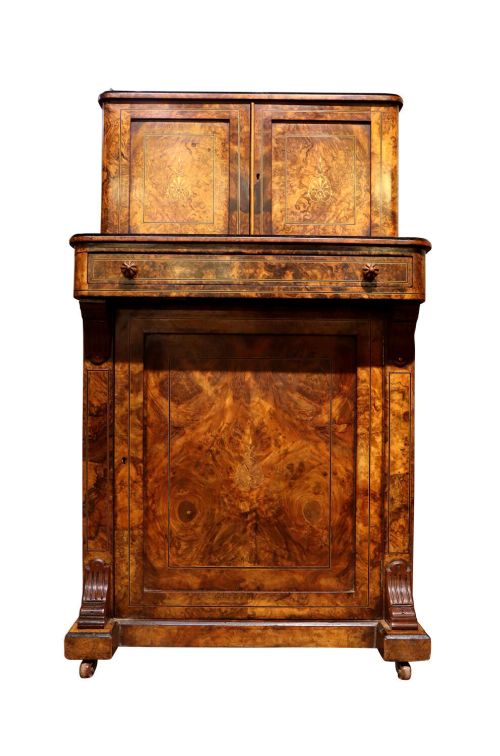
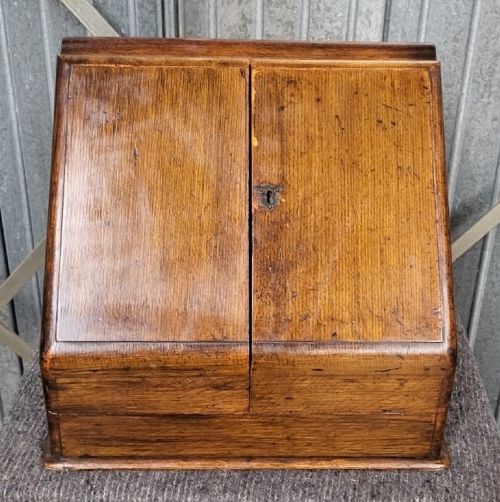
The portable brass-bound campaign boxes dominate the selection alongside burr walnut and rosewood Davenport desks fitted with side drawers. Buyers also encounter stationery boxes, correspondence cabinets, and larger partner desks featuring extendable writing surfaces.
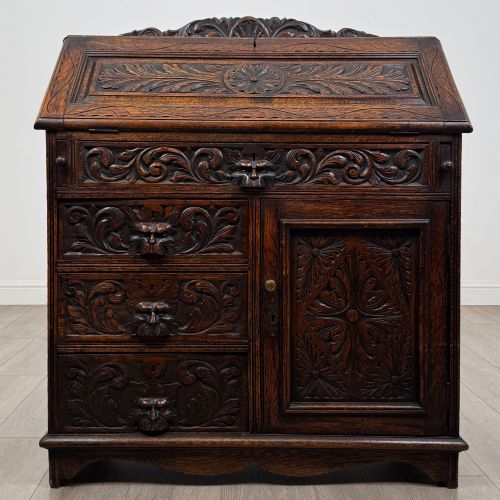
Originating predominantly in the Victorian period, these items utilise cabinet-making traditions of the nineteenth century with occasional stylistic revivals including Egyptian Revival and Neo-Jacobean details.
How They Were Made
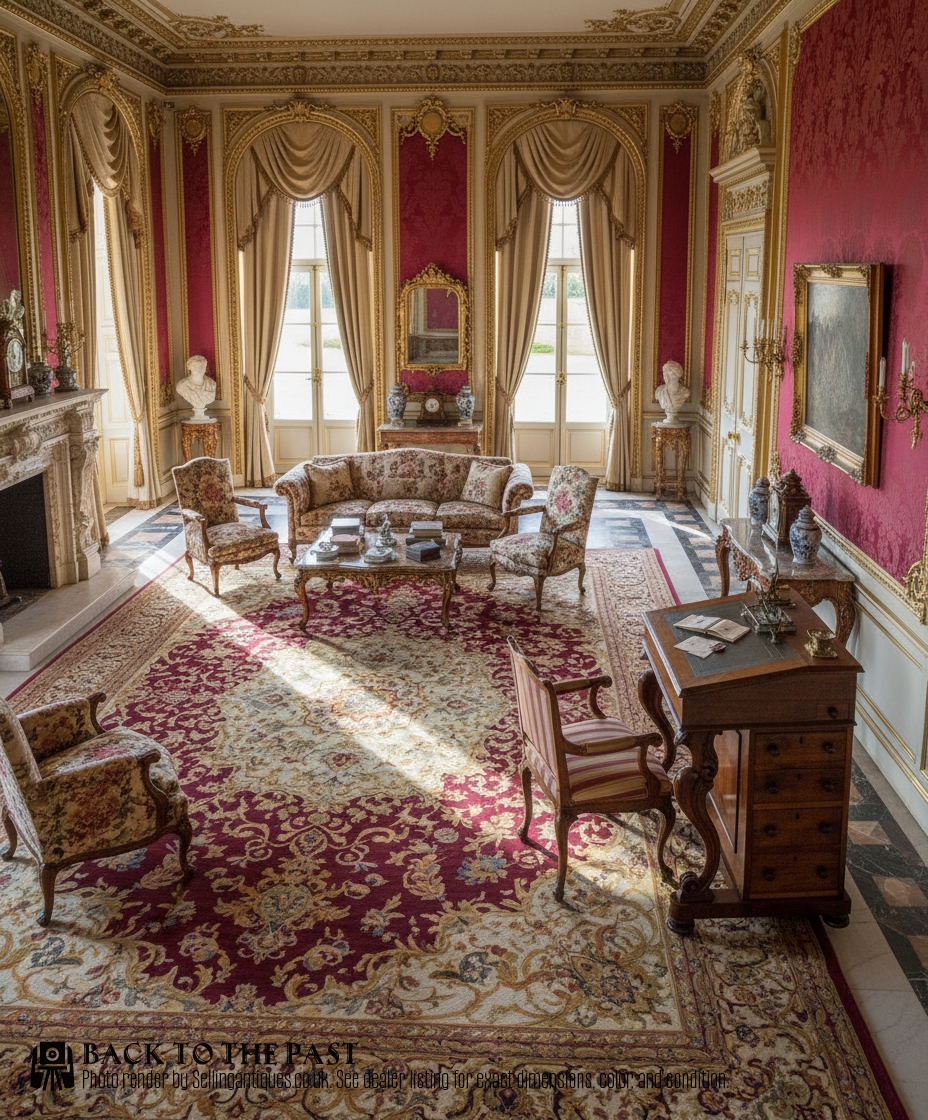
Cabinet makers constructed these pieces using dense hardwoods including mahogany, walnut, burr walnut, oak, and rosewood, often applying intricate marquetry, parquetry, or Tunbridge Ware mosaic panels.
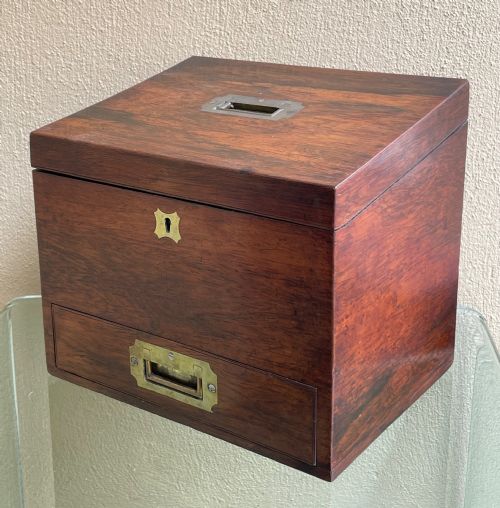
Portable campaign writing slopes incorporate brass binding and flush handles to withstand travel, while stationery cabinets and Davenport desks feature internal leather writing surfaces, secret drawers, and fitted inkwell compartments.
Victorian Writing Slope Desk Retail Price Guide 2026
Typical asking prices for victorian writing slope desk among the pieces listed under this phrase on Sellingantiques today, from the lower quarter to the upper quarter. They describe what is for sale here now, not the wider market.
What Varies in Quality
The standard of timber selection and complexity of veneer work dictates the standing of each piece, with burr walnut and amboyna displays sitting above standard domestic oak or mahogany constructions.
Internal sophistication marks the finer examples, distinguishing simple lap boxes from pieces containing spring-loaded mechanisms, pop-up compartments, concealed drawers, and complete original brass hardware with working keys.

Gillows of Lancaster·Wilkinson and Co·Edward Todd and Co
The Victorian Writing Slope Desk Glossary
- Davenport
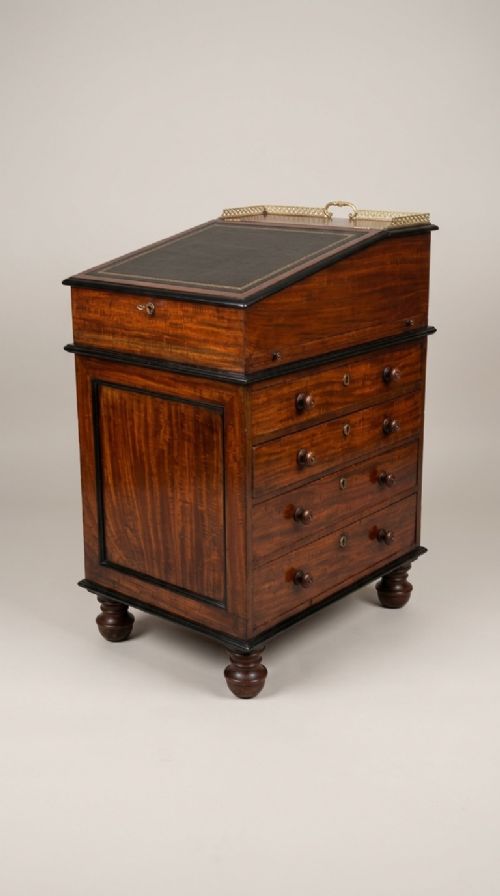
- A compact pedestal desk featuring a sloping writing surface over a bank of side drawers. It gained popularity during the Victorian era for boudoir and study use.
- Campaign slope
- A portable wooden writing box reinforced with brass corners and recessed handles designed for military travel. These items open into a hinged writing surface.
- Tunbridge Ware
- Small wooden objects decorated with mosaic patterns created from thousands of tiny tinted wood blocks. This mosaic work frequently adorns nineteenth-century box lids.
- Stationery box
- A tabletop cabinet designed to hold envelopes, paper, and writing implements upright. They often accompany matching writing slopes.
- Standish
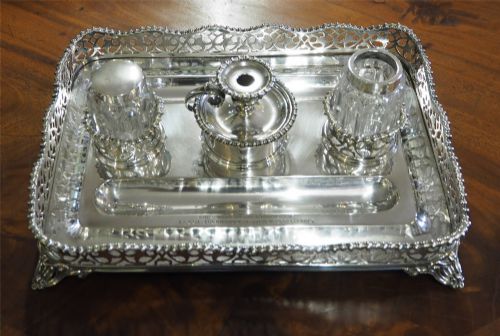
- A portable inkstand or tray holding inkwells, sanders, and pen holders. These accessories sit upon desks for daily correspondence.
Victorian Writing Slope Desk: Frequently Asked Questions
What is a victorian writing slope desk?
A victorian writing slope desk is a portable wooden box that folds open to provide an angled leather-lined writing surface. It incorporates internal compartments for paper, pens, and inkwells.
These pieces were designed for correspondence before the widespread use of typewriters, allowing users to write comfortably while travelling or at home.
How were portable desks used?
Portable desks served travellers, military officers, and homeowners as secure repositories for stationery and personal letters. The hinged lid folded flat to create the writing plane.
Inside, owners stored ink bottles, nibs, and postage stamps away from dust and light when not in active use.
How do I identify a Davenport desk?
A Davenport desk is a small freestanding pedestal desk featuring an inclined writing surface that usually lifts to reveal storage space. A bank of drawers opens on one side.
Many examples include a stationery compartment mounted on the rear top surface and decorative wood veneers such as burr walnut or rosewood.
What woods were used for these desks?
Cabinet makers utilised durable hardwoods including mahogany, walnut, oak, and rosewood. Exotic timbers like amboyna and camphor wood also appear on specific nineteenth-century pieces.
Finer versions display decorative veneers such as burr walnut matched with contrasting satinwood stringing and brass inlay.