





Victorian Worktable
A victorian worktable combines domestic utility with fine craftsmanship, offering compartments for sewing and writing alongside handsome timber surfaces.
Victorian Worktable
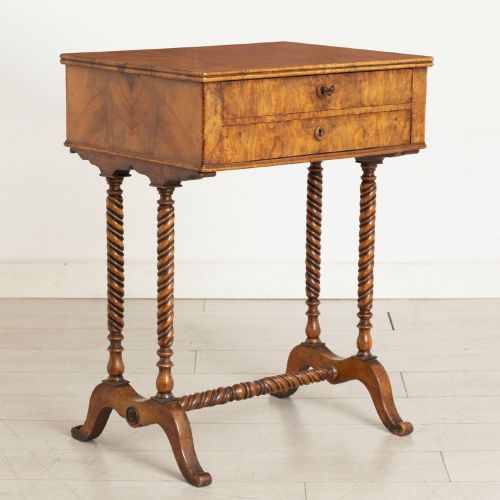
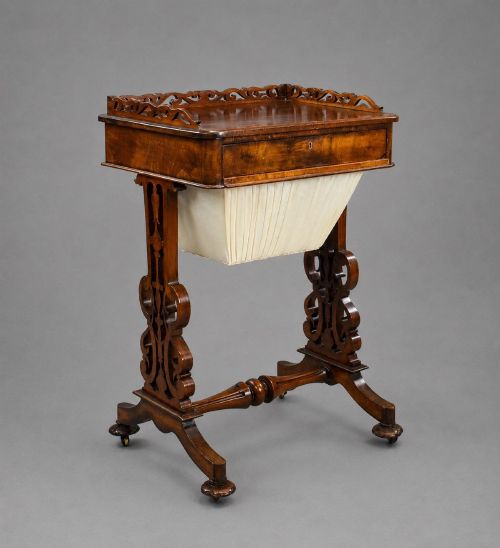
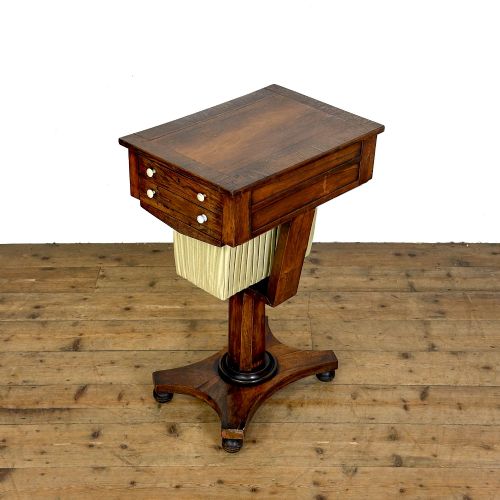
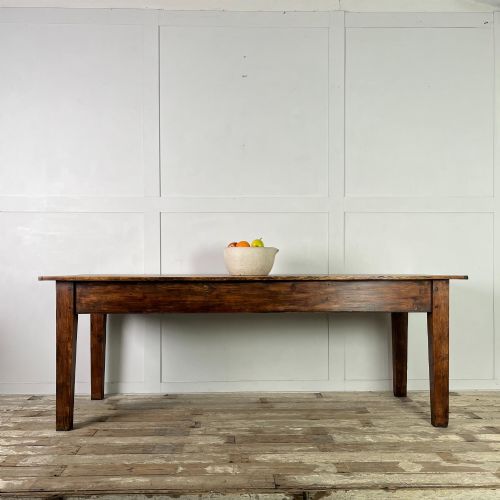
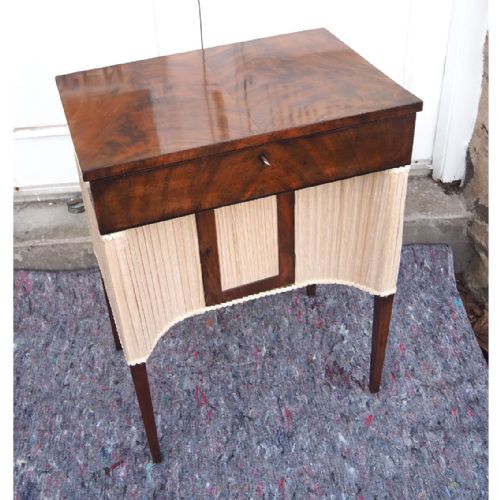
A victorian worktable is a versatile nineteenth-century item designed primarily for needlework, sewing, and writing, often equipped with fitted internal compartments and suspended fabric bags. These pieces appear frequently in walnut, burr walnut, mahogany, and rosewood, spanning periods from the early nineteenth century through to eighteen ninety.
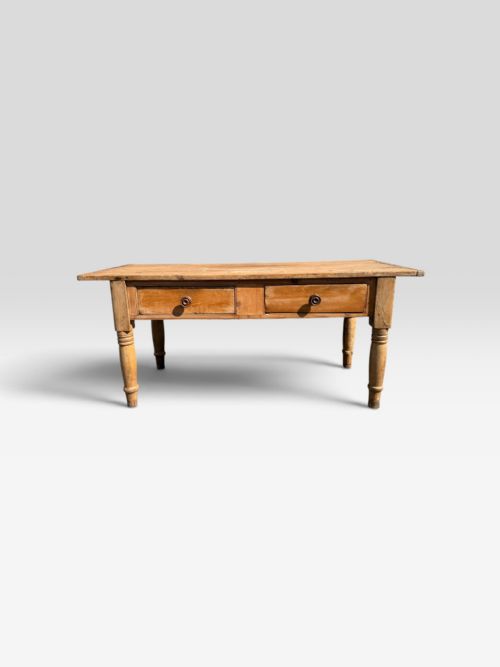
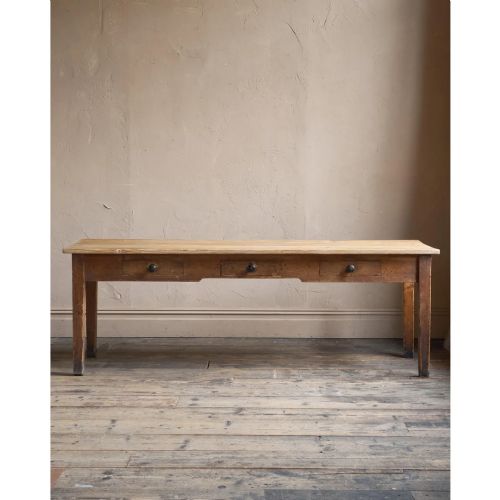
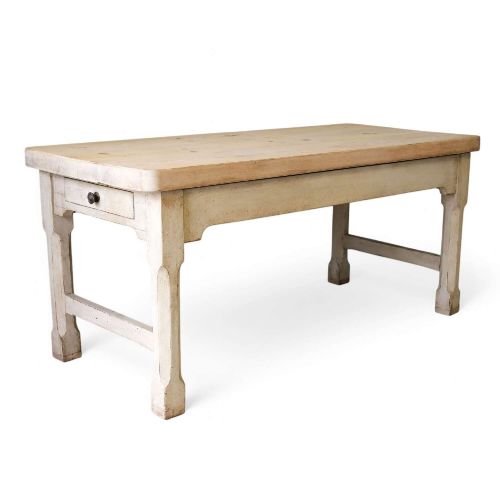
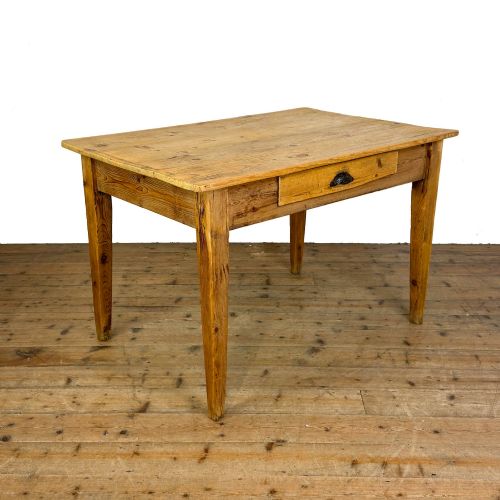
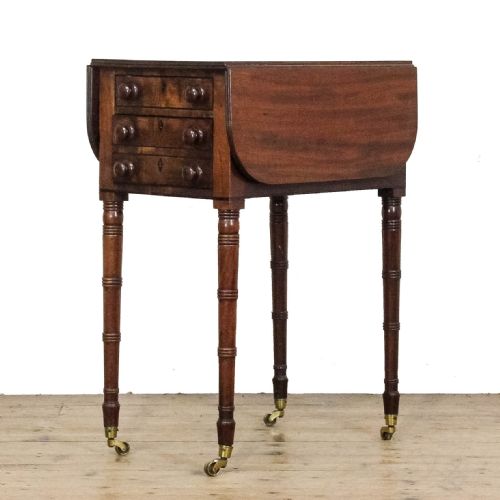
Buyers encounter numerous variations, including games tables, sewing tables, and Pembroke styles, frequently dated between eighteen fifty and eighteen eighty. The selection spans formal drawing-room examples in exotic hardwoods and simpler pine or pitch pine country pieces utilised in kitchens and sculleries.
How They Were Made
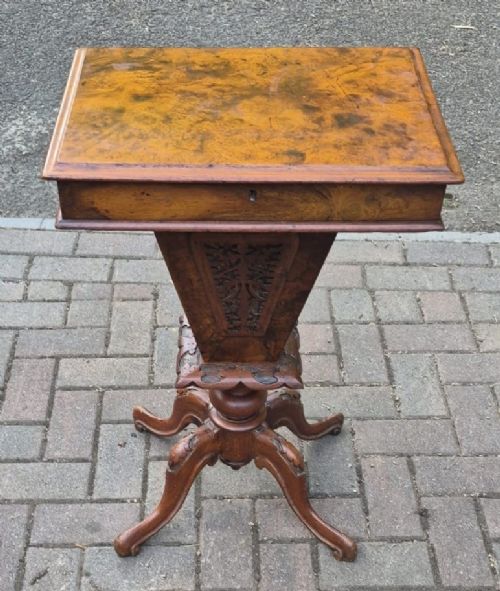
Cabinetmakers utilised solid timbers alongside decorative veneers like burr walnut and flame mahogany, applying wood inlay and marquetry to enhance the exterior surfaces. Structural components often relied on pine, mahogany, and rosewood, shaped with carved and turned supports.
Internal compartments required precise joinery to house sewing implements, writing slopes, and game boards, while fabric components utilised gathered silks and similar textiles for hanging workbags.
Listings feature walnut, burr walnut, mahogany, rosewood, and pine across styles ranging from Regency and William IV to rustic farmhouse and Victorian revival.
What Varies in Quality
The choice of timber underpins the distinction between standard and exceptional pieces, with figured burr walnut and rosewood occupying the upper tier while stained pine represents the utilitarian end. Superior examples display intricate wood inlay, marquetry, and finely carved supports rather than plain turned legs.
Intricacy of the interior fitting dictates the grade of a worktable, separating simple single-drawer storage from elaborate multi-compartment layouts designed for writing, reading, and games.
Boothroyd Sons & Rimmer·Holland & Son
The Victorian Worktable Glossary
- Burr walnut
- A highly figured timber veneer taken from the wart-like growths on walnut trees, prized for its swirling grain patterns on table tops.
- Pembroke table
- A small occasional table featuring drop leaves supported by hinged brackets on two opposite sides.
- Marquetry
- The art of applying pieces of veneer to a structure to form decorative patterns, frequently seen in floral motifs on Victorian tabletops.
- Poudreuse
- A type of dressing table or work table equipped with a mirror and compartments for cosmetics and toilet accessories.
- Trumpet worktable
- A piece characterised by an octagonal or round body tapering downwards towards a flared base resembling a musical instrument.
Victorian Worktable: Frequently Asked Questions
How can I date a victorian worktable?
Dating relies on timber choices, leg styles, and secondary woods visible inside the drawers or structural framing. Early pieces often show Regency or William IV influences with heavy rosewood and bold pedestal bases.
Later examples from eighteen eighty onwards frequently display burr walnut veneers, marquetry inlay, and slender turned or carved supports reflecting the aesthetic preferences of the late nineteenth century.
Where should I place a worktable at home?
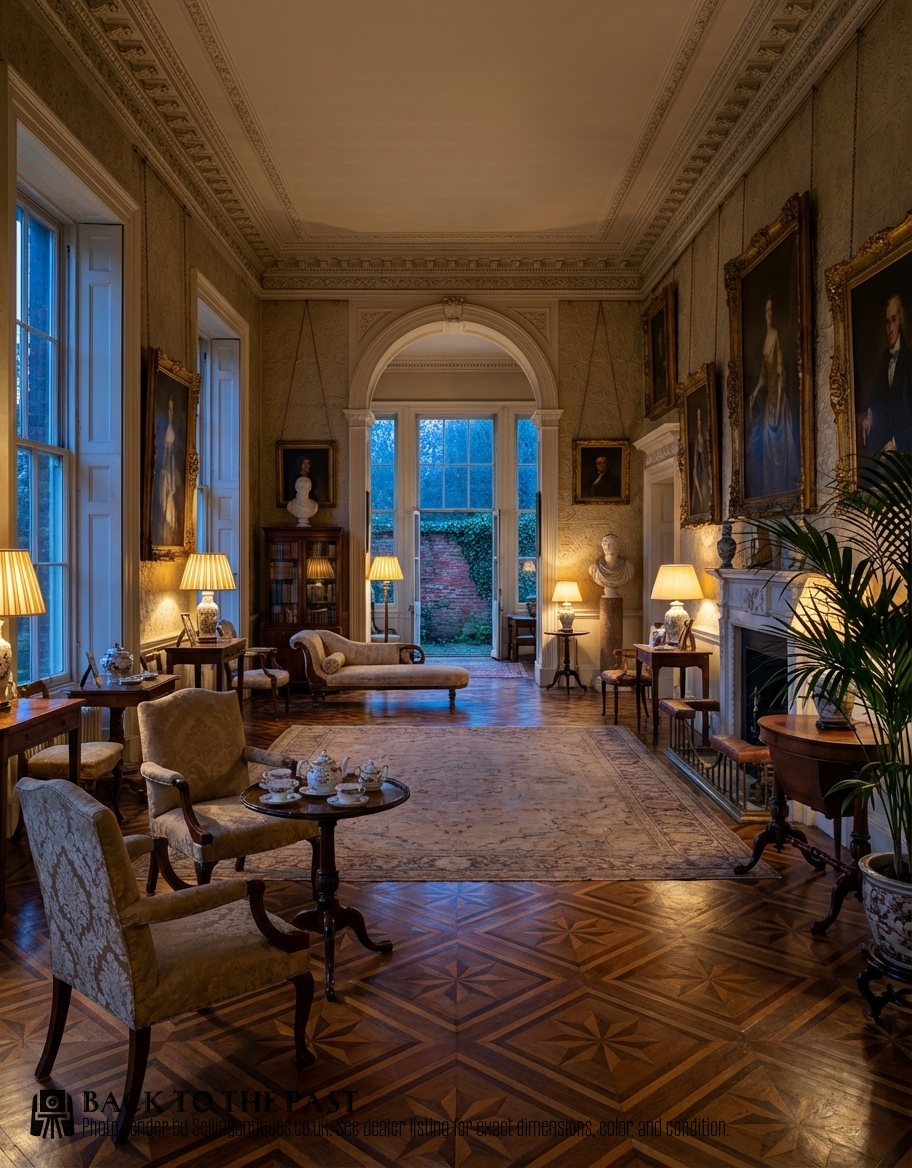
A worktable suits small spaces where surface area and storage are needed simultaneously, such as beside a sofa or in a reading nook. The hinged lids and internal compartments allow small items to be stored out of sight while keeping a lamp or book on top.
Because many are finished on all sides, these tables sit comfortably away from walls in the centre of a room.
What woods were used for victorian worktables?
Cabinetmakers employed exotic hardwoods like rosewood, mahogany, and walnut for formal drawing-room pieces, often utilising burr walnut veneers for striking grain patterns. Fine marquetry and wood inlay decorated the most elaborate surfaces.
Simpler utility versions utilised pine, pitch pine, sycamore, and elm, particularly in farmhouse or scullery contexts where durability mattered more than display.