
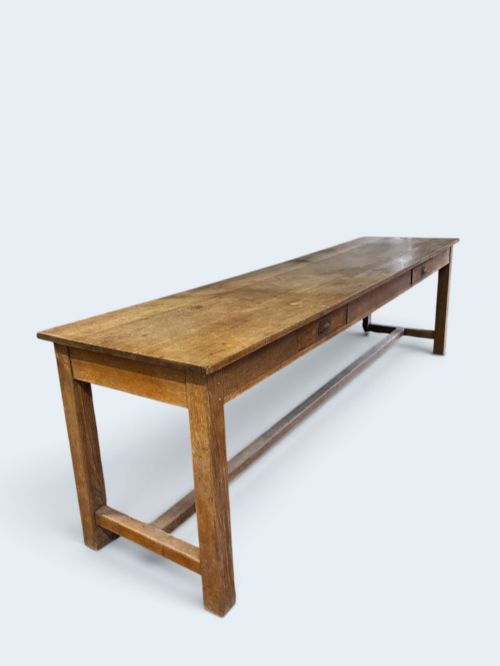
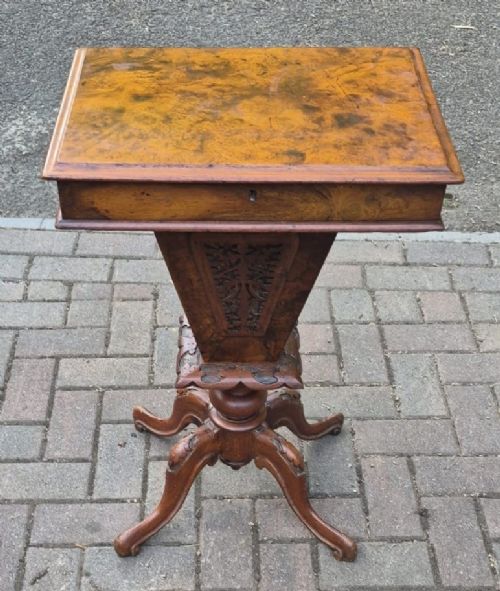
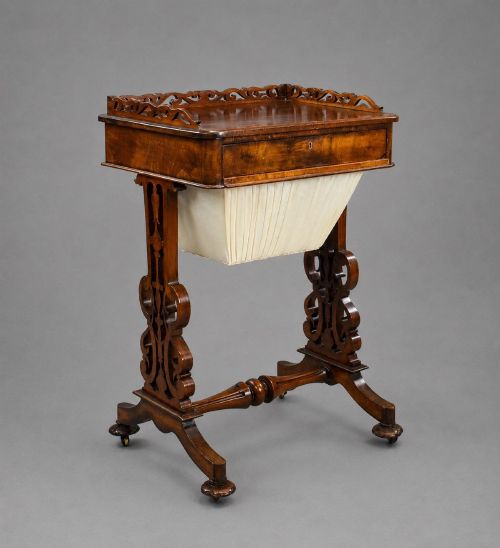
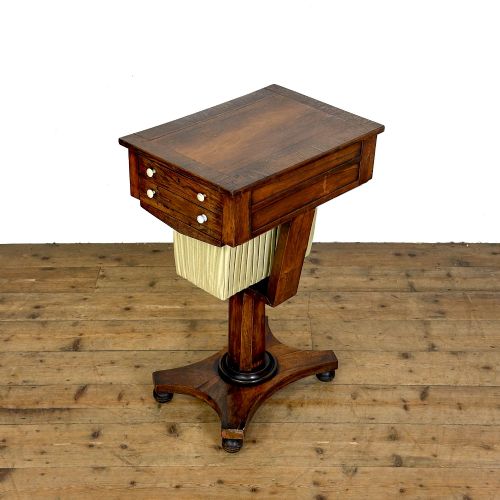


Brown Wooden Worktable
These brown wooden worktable pieces are practical sewing and occasional furniture designed to hold needlework and small crafts neatly out of sight.
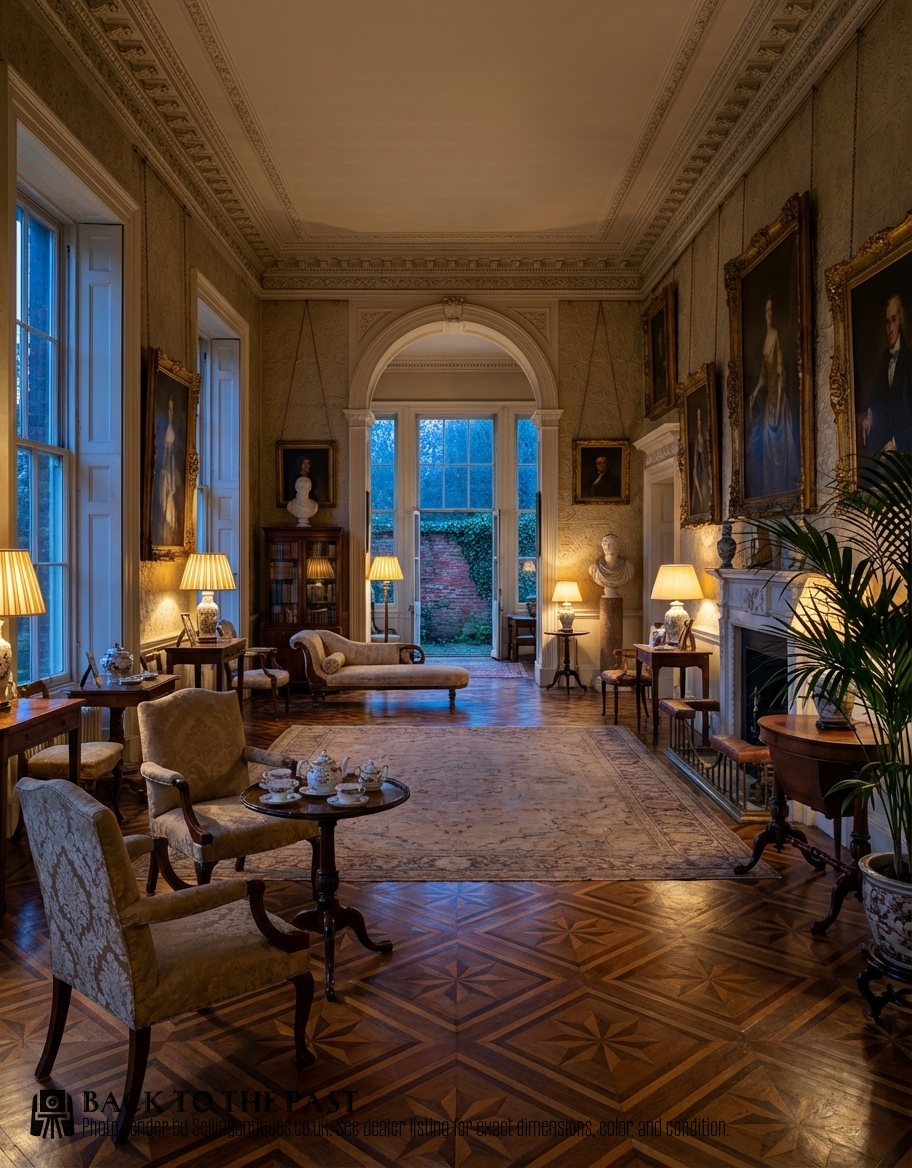
Brown Wooden Worktable
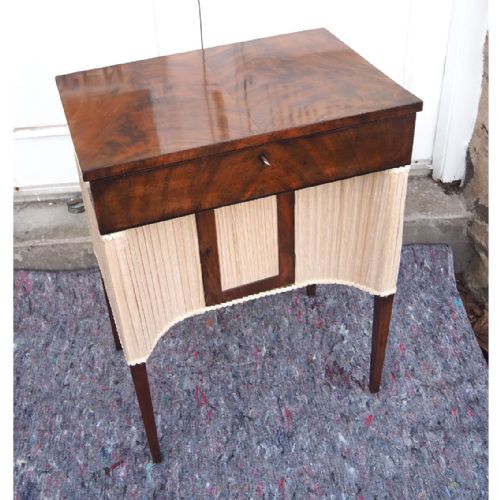
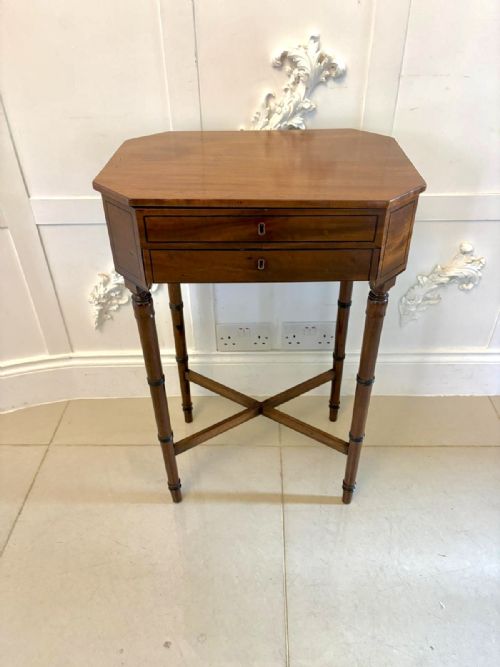
When searching for a brown wooden worktable, buyers encounter a variety of multi-purpose domestic items primarily used for sewing, needlework and light writing tasks during the Georgian, Regency and Victorian eras. These pieces typically feature fitted compartments, drawers or hanging fabric bags beneath the top to store threads, needles and unfinished projects.
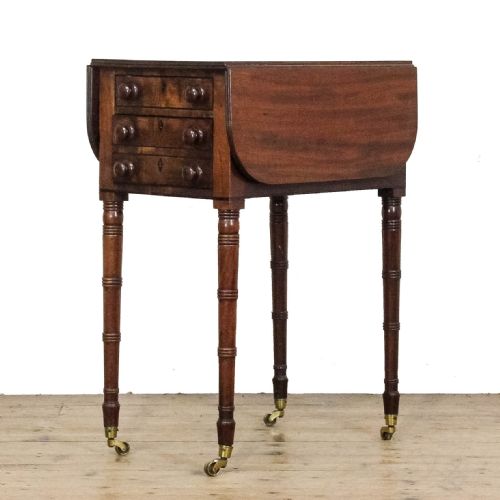
The most common examples on this page date from the 19th century and Victorian periods, constructed predominantly from mahogany and walnut. Forms range from Pembroke styles with drop leaves to pedestal tables with removable sewing baskets and bow fronts, reflecting the domestic habits of earlier households.
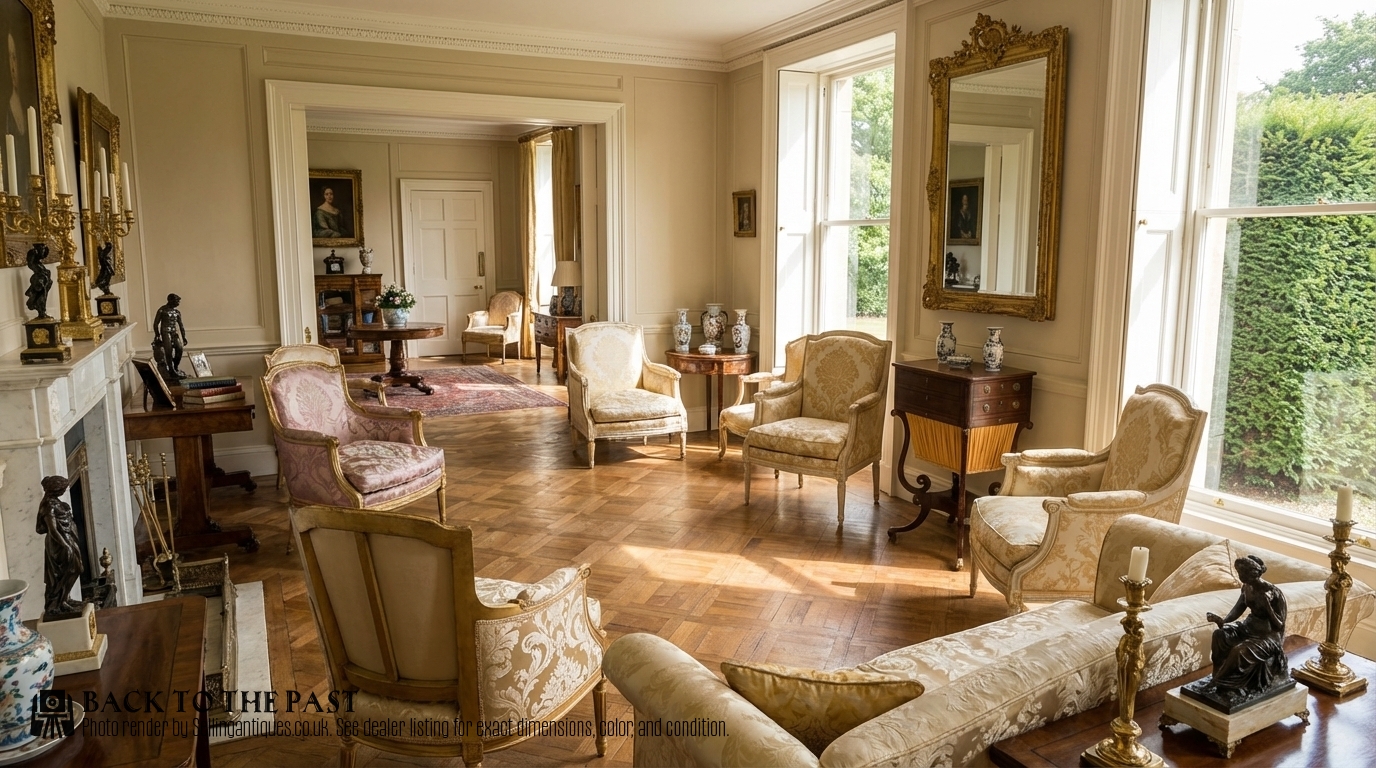
How They Were Made
Cabinet makers utilised solid timbers and veneers, with mahogany and walnut being the predominant woods selected for their rich grain and durability. Craftspeople applied wood inlay and flame mahogany veneers to enhance the visual appeal of the surfaces on finer examples.
Internal storage relied on compartmented trays and sliding wooden or fabric boxes fitted neatly beneath the main top. Brass hardware frequently appeared on castors, handles and key escutbrellas, supporting the mobility and secure closure of the tables.
Many of these tables hide secret compartments beneath their lids, proving that ancestors loved a hidden drawer as much as we do.
What Varies in Quality
The refinement of the timber selection dictates much of the distinction across these tables, where figured walnut or flame mahogany veneers show greater depth than plain boards. The precision of the internal carpentry in the sewing compartments also separates standard production from superior workshop output.
Design sophistication manifests in the grace of the turning on pedestals, the subtlety of wood inlay work and the integrity of original fabric fittings or hanging bags. Tables retaining their functional internal trays and original brass castors command stronger interest.
The Brown Wooden Worktable Glossary
- Work table
- A small domestic table fitted with drawers or a bag for holding sewing materials and needlework. These items served multiple functions in the drawing room or bedroom.
- Pembroke table
- A small table with hinged drop leaves on two opposing sides. This design allowed the surface area to expand when needed for tasks.
- Flame mahogany
- A veneer cut from timber where the branch meets the trunk, producing a distinctive flickering flame pattern. Cabinet makers used this to decorate prominent exterior surfaces.
- Inlay
- A technique where pieces of contrasting wood or other materials are inserted into depressions in the base wood to form decorative patterns. This ornament appears frequently on Regency and Edwardian pieces.
- Bow front
- A convex, outwardly curved front section of a cabinet or table. This curved form requires advanced woodworking skill to construct accurately.
Brown Wooden Worktable: Frequently Asked Questions
What is a work table used for?
A work table served primarily as a dedicated station for sewing, embroidery and small domestic crafts in the home. The integrated drawers and fabric bags kept materials organised while remaining close to hand in the living spaces.
Over time, these versatile items adapted to other uses such as lamp stands or bedside tables due to their compact proportions and convenient surface area.
How do I identify a Victorian work table?
Victorian examples often feature heavier proportions, darker walnut or mahogany timbers, and characteristic carving around the pedestal base or drawer edges. Many include fitted interior compartments lined with paper or fabric for sewing tools.
Construction details such as machine-sawn components or specific brass castor types can also point towards a 19th-century origin when compared to earlier Georgian styles.
Are these tables suitable for modern rooms?
Their compact dimensions make these tables exceptionally practical for placing beside sofas or armchairs in contemporary settings. The surface accommodates lamps or drinks while the drawers offer discreet storage for small household items.
Pairing antique timber pieces with modern interiors adds textural warmth and historical character without dominating the available floor space.
What is the difference between George III and Victorian tables?
George III pieces generally display lighter, more restrained proportions with straight tapered legs and subtle string inlay. The craftsmanship emphasises classical elegance and understated joinery.
Victorian pieces tend to be more robust, frequently utilising burr walnut, heavier pedestals and more elaborate ornamentation such as carved mouldings and complex fabric sewing bags.