


Victorian Wooden Wall Relief
These Victorian wooden wall relief pieces bring rich nineteenth century carving into modern rooms through panels, plaques, and architectural fragments.
Victorian Wooden Wall Relief
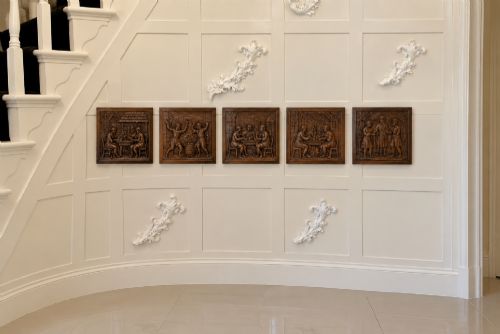
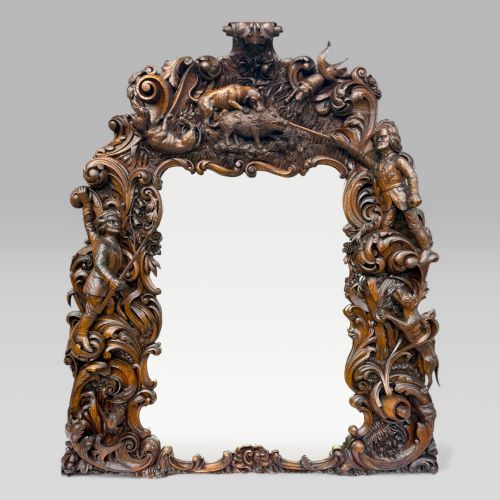
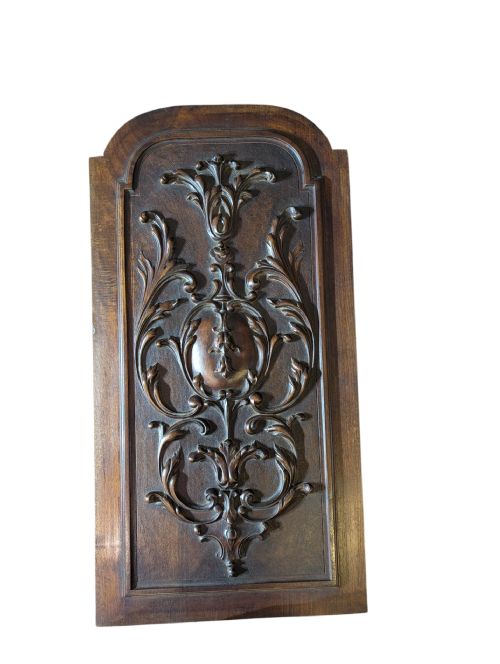
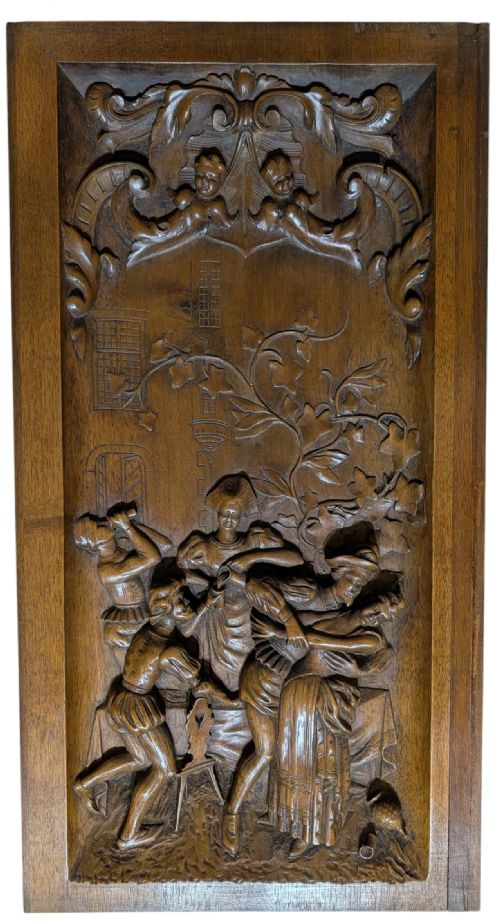
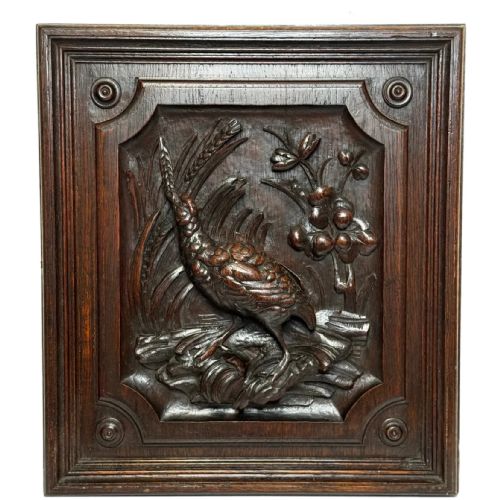
A victorian wooden wall relief takes the form of carved oak panels, walnut hunting trophies, and mahogany portrait plaques made during the nineteenth century. These objects function primarily as architectural salvage and decorative wall plaques, drawing on Gothic Revival and Black Forest styles.
The most common examples encountered here are carved oak and walnut panels dating from the 1850s to 1900. They originate from diverse European and global workshops, ranging from French châteaux to German hunting lodges.
How they were made
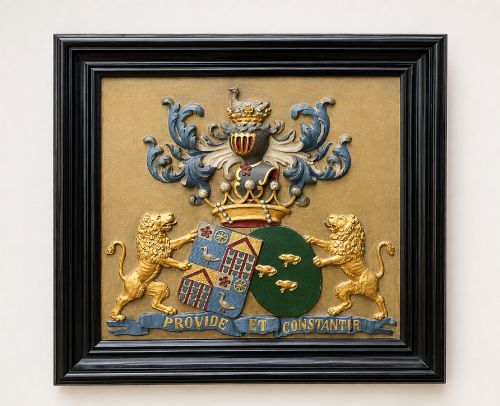
Craftsmen shaped these reliefs from dense hardwoods such as oak, walnut, mahogany, and fruitwood using hand chisels and gouges to achieve deep three-dimensional depth. Selected pieces incorporate paint and gold leaf to highlight heraldic details and inscriptions.
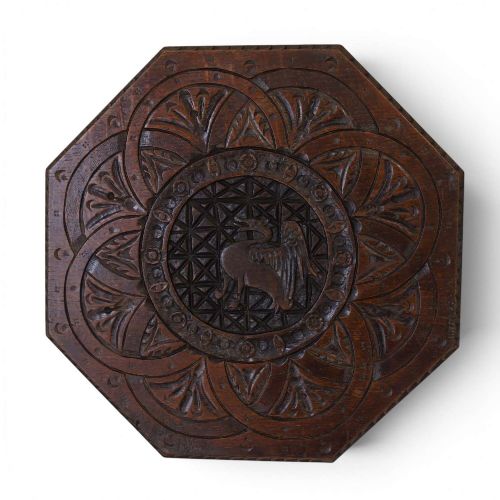
Many works began as functional architectural elements, including overmantles, over-doors, and tabletop sections, later adapted into standalone wall displays.
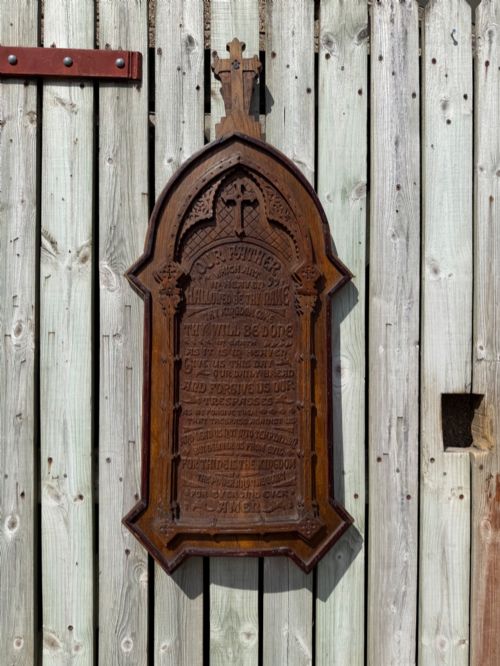
Colonel Sir Edward Massey shares wall space here with hunting dogs, heraldic lions, and the Lord's Prayer.
What varies in quality
Depth of carving and sharpness of detail separate standard decorative panels from masterworks. Superior pieces display intricate undercutting and naturalistic textures in foliage, figures, and animal subjects.
The choice of timber and the structural integrity of the panel frame determine longevity. Well-seasoned tiger oak and figured walnut retain crisp edges, whereas secondary woods show softer contours.
Van Rijckevorsel and Verheijen·Pugin
The Victorian Wooden Wall Relief Glossary
- Relief
- A sculptural technique where figures and ornaments project from a flat background. High relief stands out significantly from the plane.
- Black Forest style
- A nineteenth-century wood-carving tradition originating in Switzerland and Germany, noted for naturalistic animals and foliage. These pieces often depict hunting trophies and woodland scenes.
- Gothic Revival
- An architectural and decorative style drawing on medieval ecclesiastical forms. It appears in pointed arches, tracery, and heraldic motifs on wood panels.
- Architectural salvage
- Building elements rescued from older structures for decorative reuse. Items include over-doors, ceiling panels, and carved timber fragments.
- Heraldic
- Pertaining to coats of arms and genealogical crests. These designs record family lineages and historical alliances.
Victorian Wooden Wall Relief: Frequently Asked Questions
What periods do these wall reliefs come from?
The pieces span the nineteenth century, with specific dates clustering around the 1850s, 1880s, 1890s, and 1900. Styles shift from mid-century Gothic Revival through to later Black Forest and historicist designs.
Exact dating relies on stylistic clues like carved lettering, regional motifs, and documentary evidence within individual titles.
How should I clean and maintain antique wood carvings?
Dust carvings gently with a dry, soft-bristled brush to reach into the recesses of high relief without disturbing the grain. Avoid using liquid polishes or modern chemical sprays that can build up on bare or waxed timber.
Keeping the piece away from direct heat sources and strong sunlight prevents the hardwood from drying out and splitting over time.
Where were these carved panels originally displayed?
Many panels originated as structural woodwork inside European hunting lodges, churches, and country houses. They served as overmantles, ceiling inserts, and decorative wall linings before being adapted into independent plaques.
Architectural salvage pieces often retain evidence of their original joinery and placement within historic interiors.