

Victorian Wooden Treen
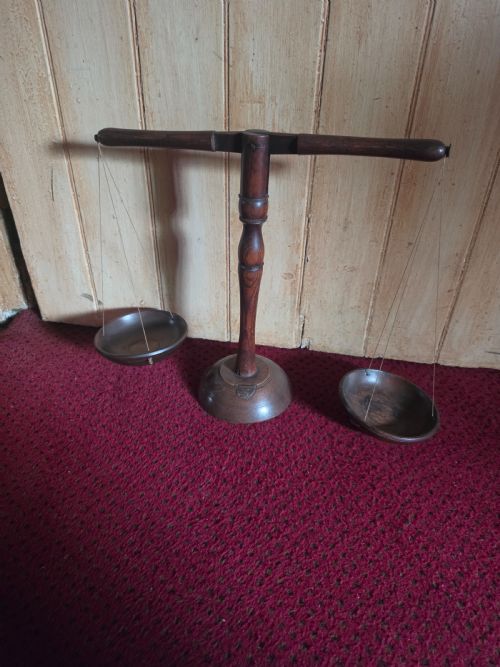
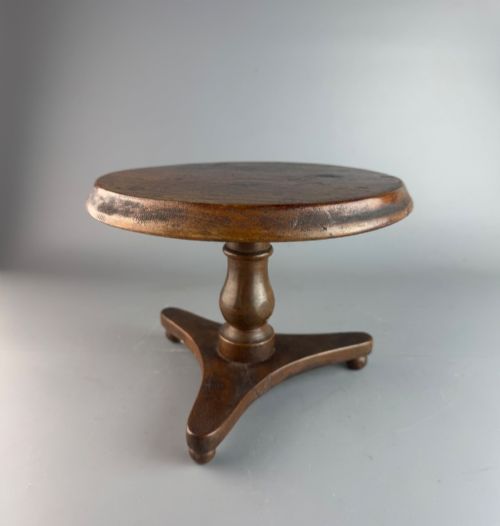
Victorian wooden treen brings together small, functional domestic objects carved and turned from timber during the nineteenth century.
Victorian Wooden Treen
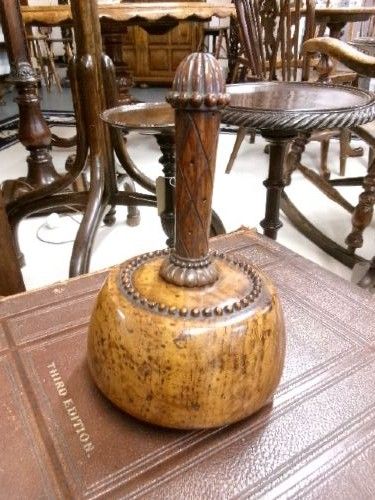
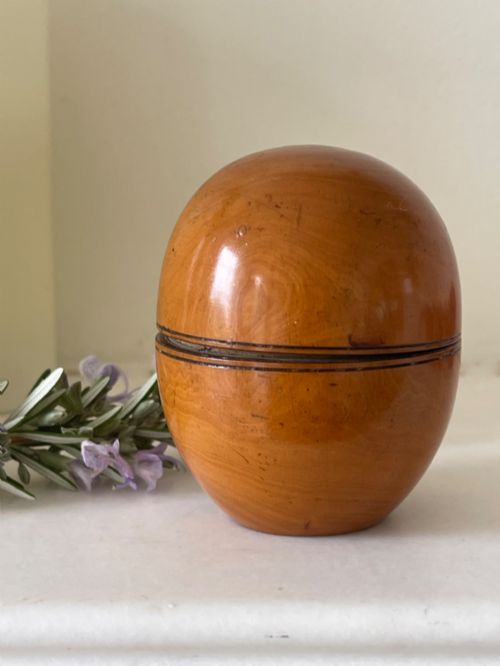
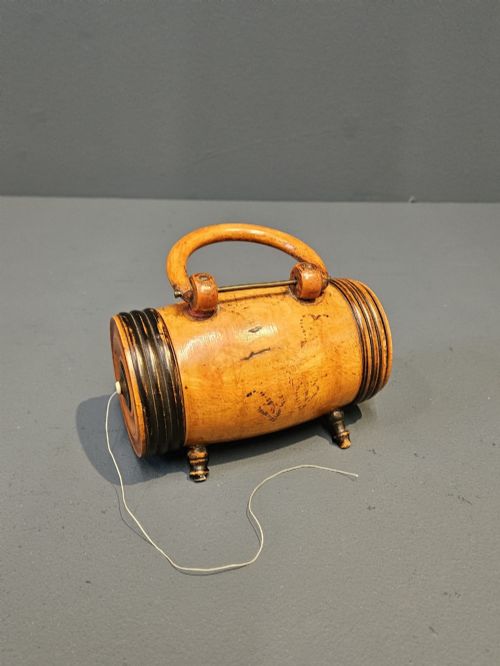
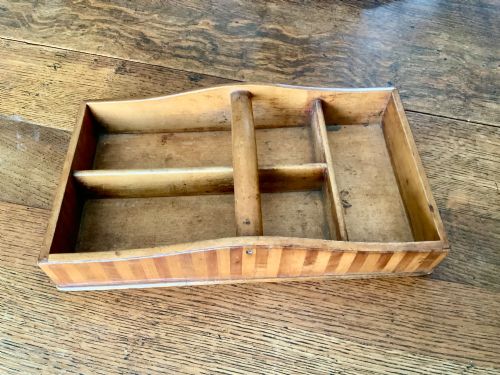
Victorian wooden treen encompasses a wide variety of utilitarian and decorative domestic objects carved, turned, or constructed from timber during the nineteenth century. These items include snuff boxes, dairy bowls, knitting sheaths, and kitchenalia that served everyday domestic, personal, and agricultural purposes.
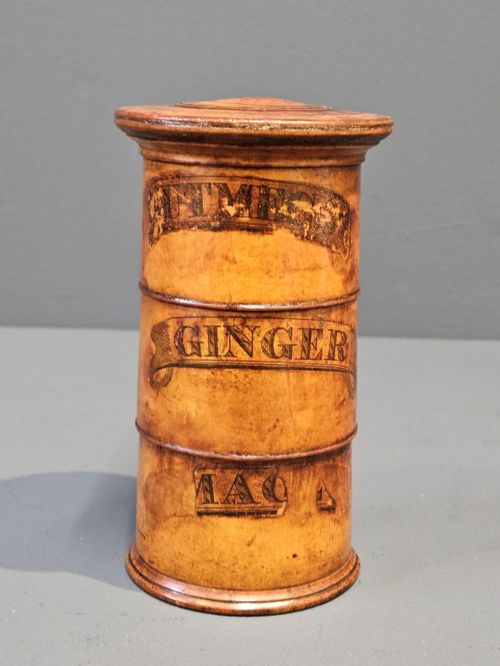
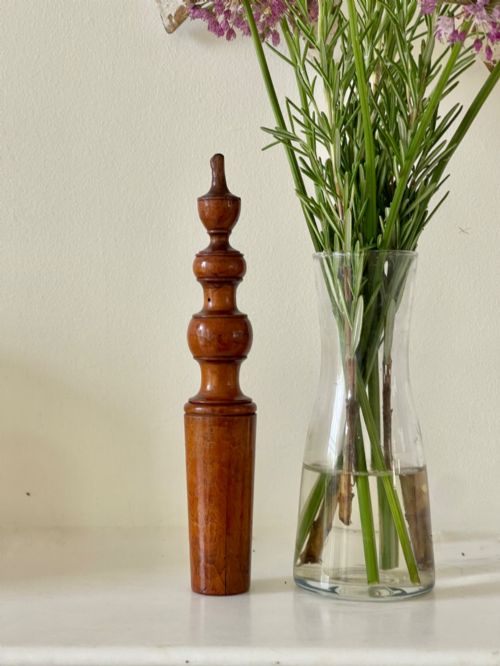
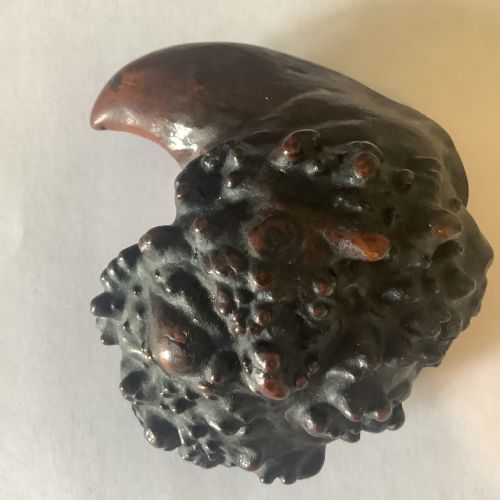
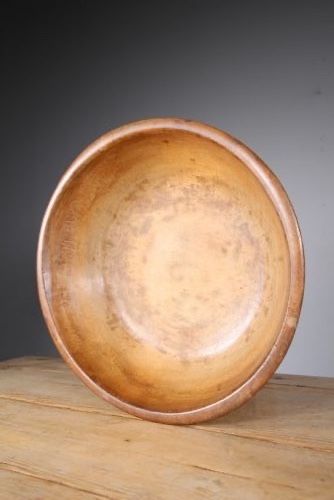
The pieces appearing on this page stem largely from the nineteenth century, including Georgian periods and specific dates from the 1850s to the 1910s. Forms range from rustic farmhouse dairy bowls to intricate folk art items such as puzzle balls, spice towers, and figural nutcrackers.
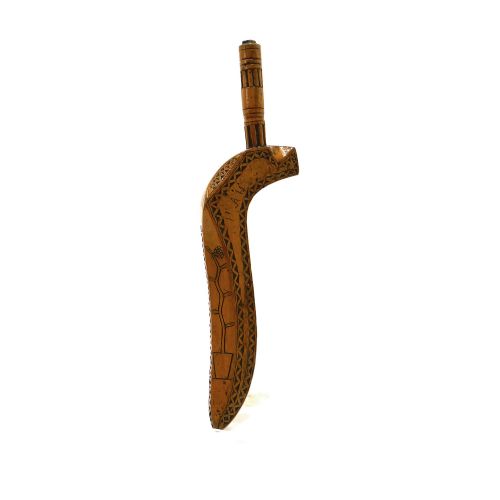
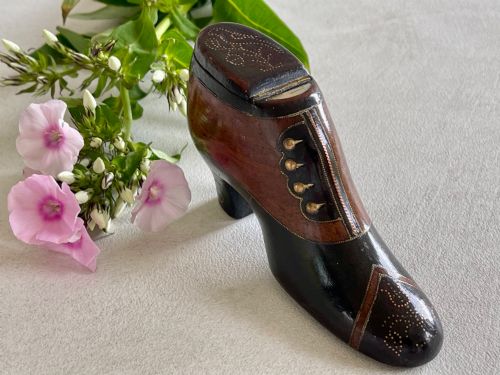
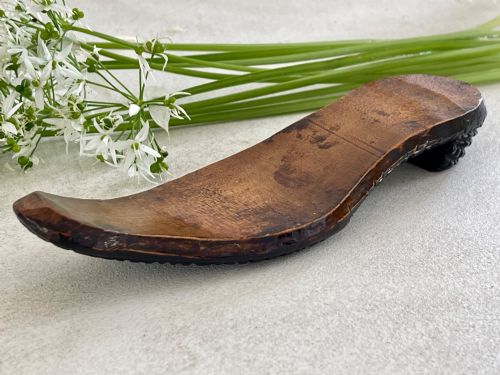
Buyers encounter regional expressions like Cumbrian or Durham knitting sheaths, alongside novelty items shaped like shoes, books, and fruit. Much of the selection reflects British country life, folk art traditions, and utilitarian craftsmanship shaped by local timber availability.
How they were made
Maker-craftsmen utilised dense hardwoods suited to turning on a lathe and detailed hand-carving, selecting timbers such as fruitwood, boxwood, sycamore, walnut, beech, and yew-wood. These materials provided the tight grain necessary for sharp profiles, smooth tactile surfaces, and sustained daily use.
Decoration relied on traditional techniques including chip carving, punchwork, and turning, occasionally augmented by inlay work using bone or contrasting specimen woods. Surface finishes typically arose from handling and natural wear over decades rather than heavy industrial varnishes.
What varies in quality
Quality in Victorian wooden treen rests primarily on the crispness of the turning or carving and the integrity of the timber. Pieces displaying deliberate detail, such as chip-carved motifs or bone inlay, demonstrate higher craftsmanship than plain utilitarian items.
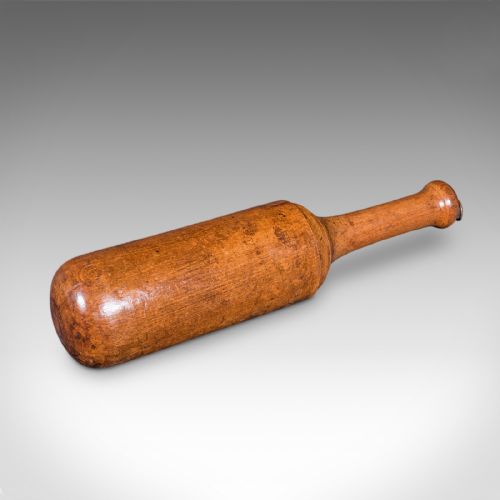
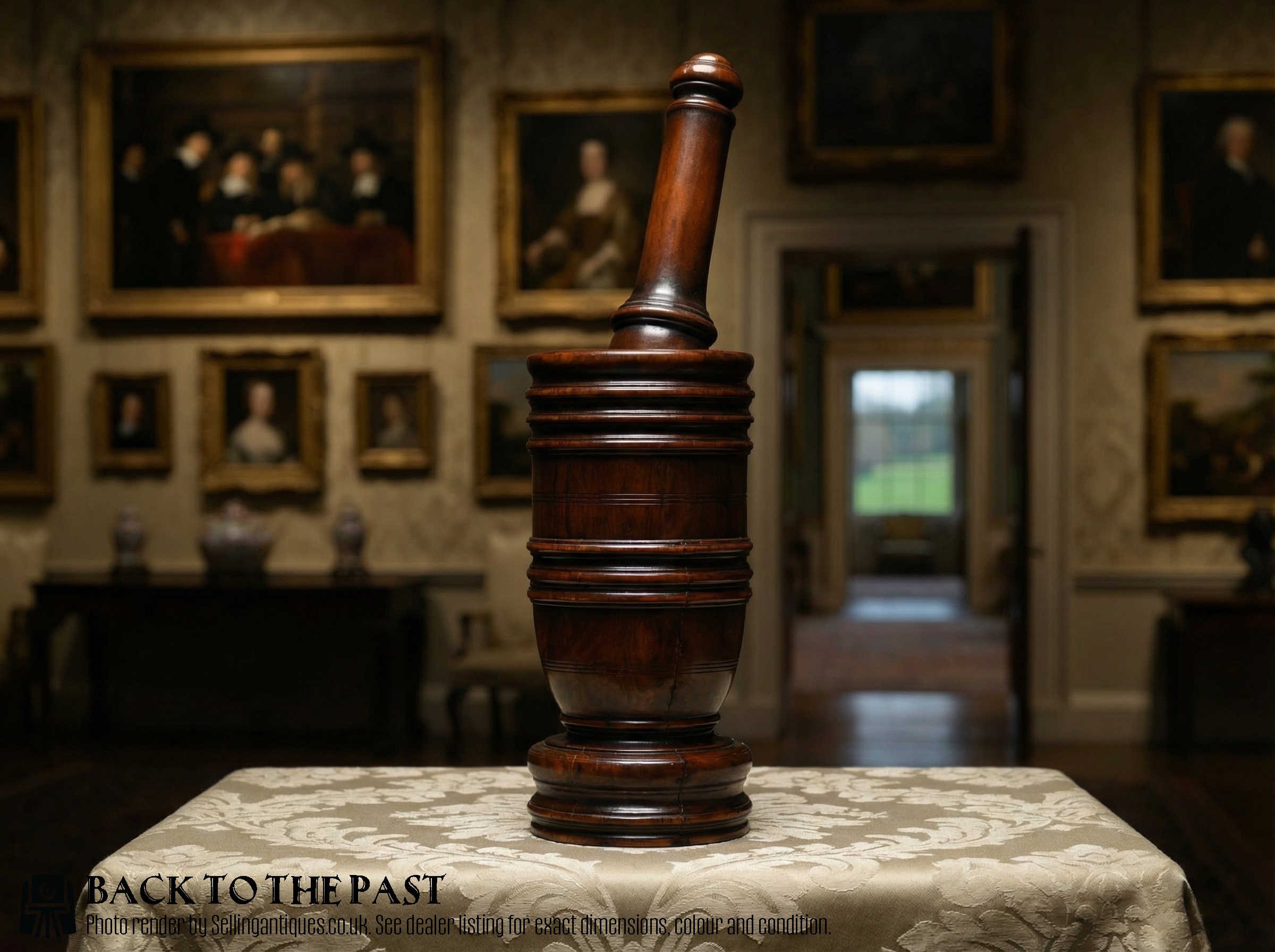
Proportion and original survival condition also dictate standing within the range. Objects retaining their original operational components, such as pestles for mortars or functional spice tower tiers, command greater interest than heavily altered or incomplete examples.
The Victorian Wooden Treen Glossary
- Treen
- Small handmade wooden domestic objects. The term derives from an old word for tree and covers everything from kitchen utensils to personal snuff boxes.
- Knitting sheath
- A small carved device tucked into a belt or apron to hold a knitting needle steady. They often served as courtship gifts and display regional folk art carvings.
- Dairy bowl
- A large vessel turned from sycamore or other timbers used in the dairy for setting milk and skimming cream. Their generous scale highlights the maker's turning skill.
- Spill vase
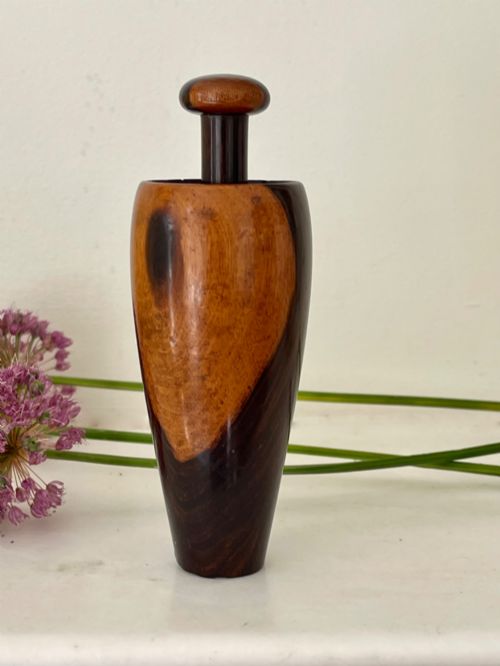
- A small container designed to hold thin wooden spills used for lighting pipes, candles, or fires. Turned wood and specimen timber examples were common on Victorian mantelpieces.
- Specimen wood
- Furniture or treen made from a variety of different natural timbers showing contrasting colours and grain patterns. Makers often assembled these to display botanical diversity.
Victorian Wooden Treen: Frequently Asked Questions
What is treen?
Treen refers to small, functional wooden objects made for the home, kitchen, or personal use before mass production took over.
These items range from spice towers and snuff boxes to bowls and knitting sheaths, all shaped by hand or turned on a lathe.
How were these objects used?
People used treen for everyday tasks in the kitchen, dairy, and parlour, as well as for personal pastimes like snuff-taking and knitting.
Many pieces also served as tokens of affection, featuring carved hearts, initials, and intricate folk art designs created as gifts.
Which woods were used?
Cradle-makers and turners selected dense hardwoods that could take fine detail and withstand regular handling without splitting.
Fruitwood, boxwood, sycamore, walnut, and beech appear frequently across these listings, each chosen for its grain and colour.
How do I date these pieces?
Dating relies on stylistic clues, construction methods, tool marks, and occasional direct inscriptions or dates carved into the wood.
Nineteenth-century items often show hand-turned ridges and folk art decorative techniques that predate modern manufacturing standards.
How should I care for treen?
Wooden treen requires stable indoor humidity away from direct heat sources and strong sunlight to prevent the timber from drying out or splitting.
Occasional light application of natural wax helps maintain the surface sheen without damaging the historic patina built up over generations.