
Victorian Wooden Occasional Tables
Victorian wooden occasional tables are flexible nineteenth-century furnishings designed for lamps, reading materials and domestic display.
Victorian Wooden Occasional Tables
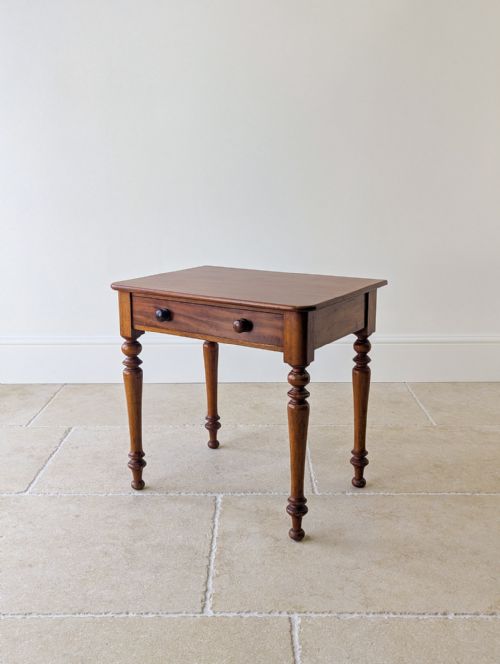
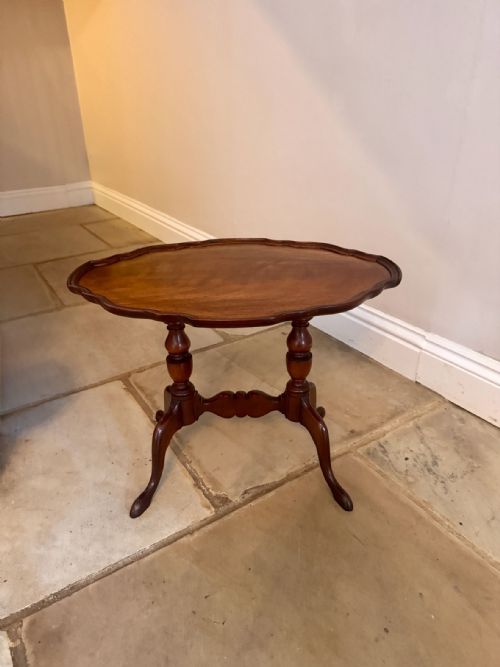
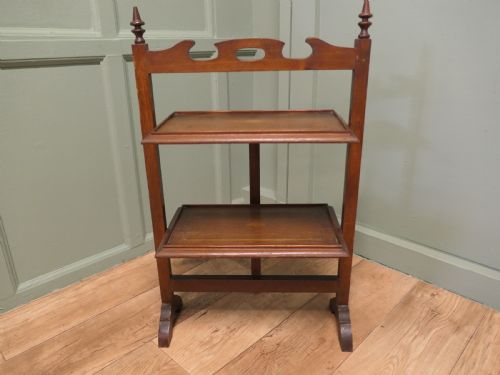
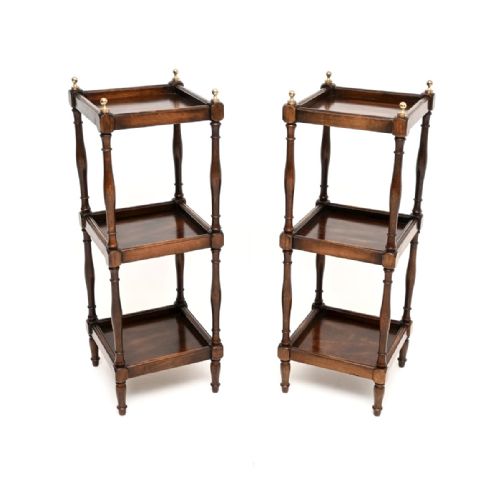
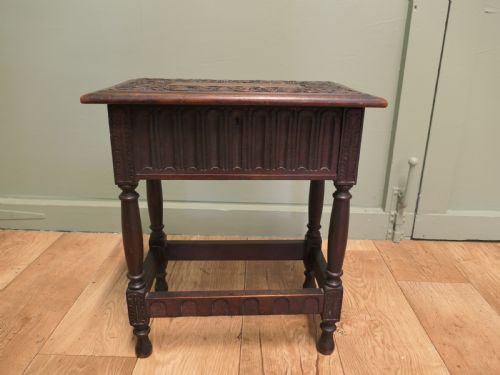
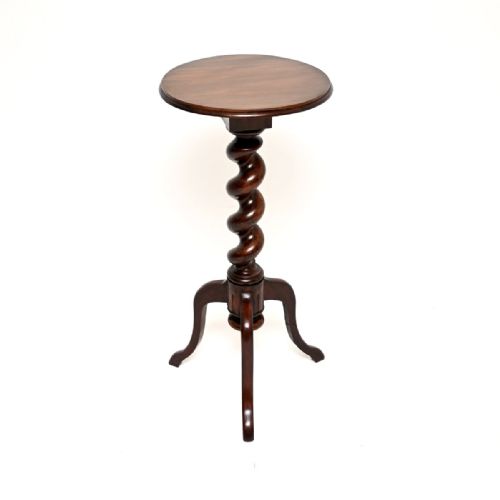
Victorian wooden occasional tables appear across this selection in numerous specialised forms, including lamp tables, sewing tables, centre tables, and side tables. These furnishings served varied tasks in nineteenth-century rooms, moving easily from a corner to beside a chair.
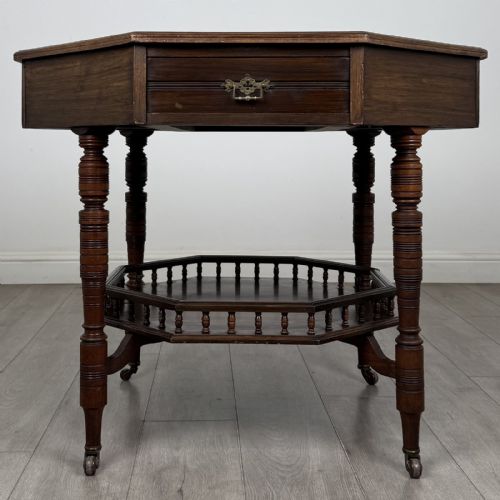
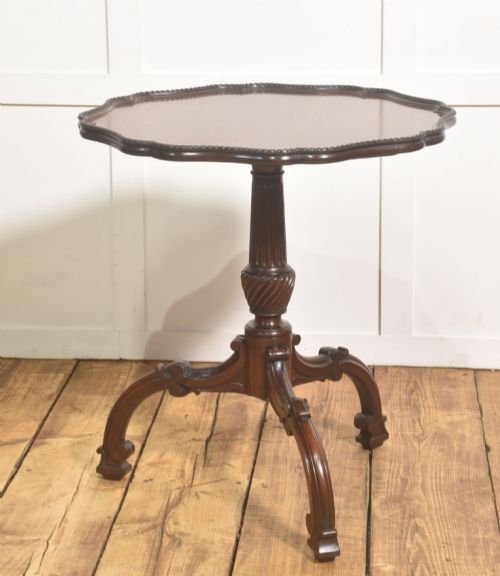
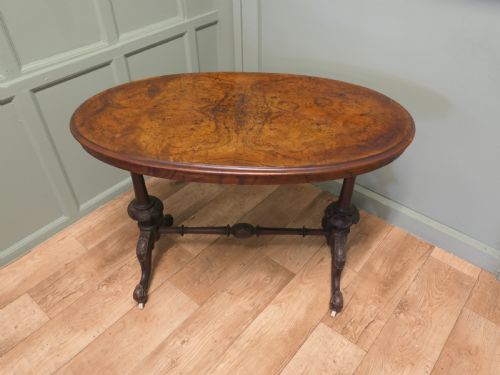
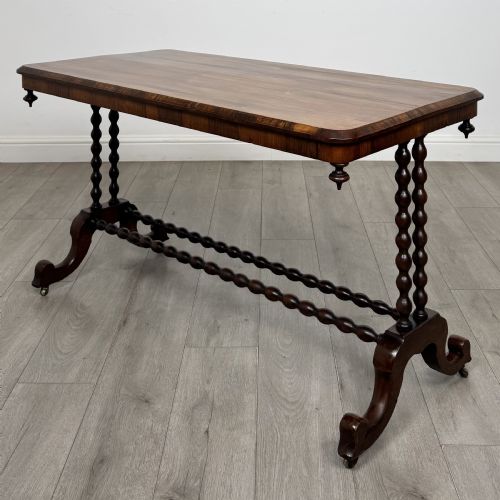
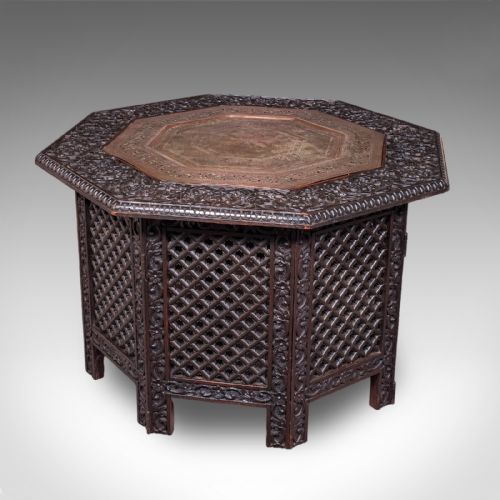
The materials span walnut, burr walnut, mahogany, rosewood, oak, satinwood, and ebonised timber, reflecting the diverse tastes of nineteenth-century cabinet makers. Walnut and mahogany dominate the offerings, often shaped into octagonal, rectangular, or kidney forms.
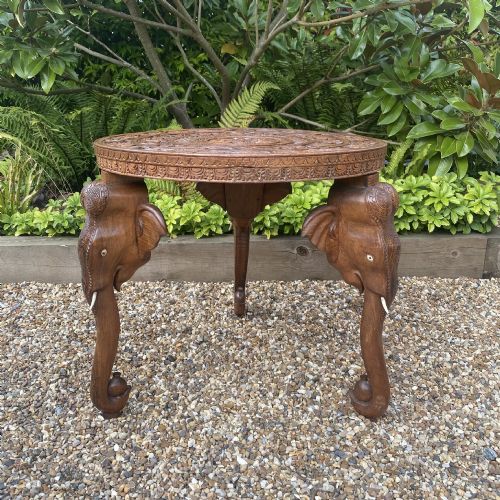
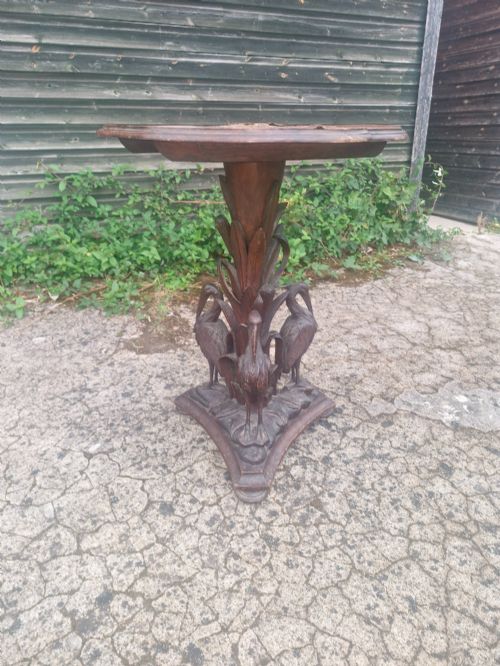
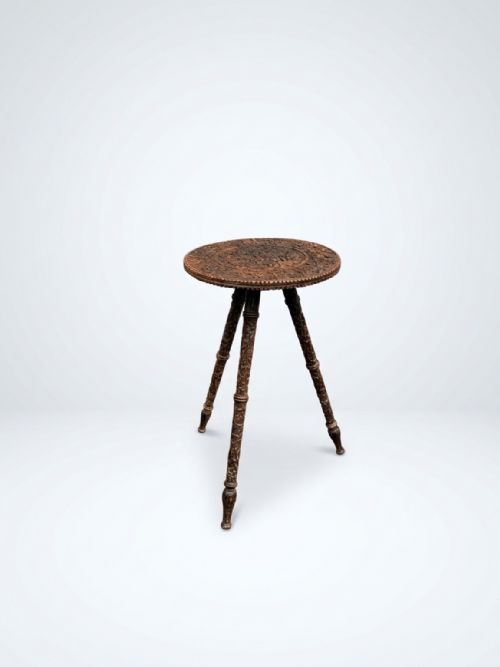
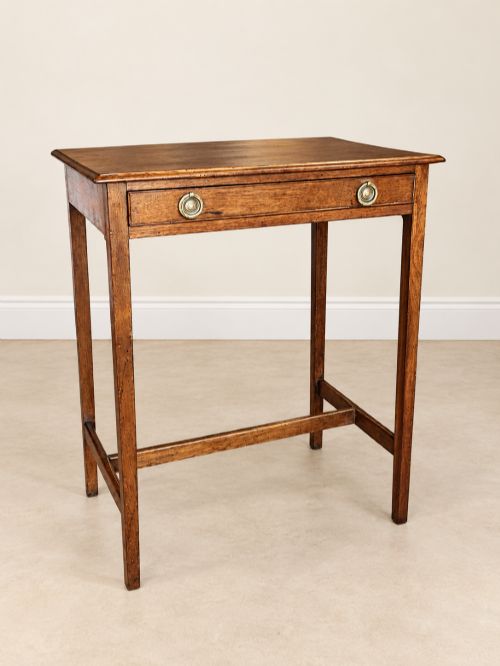
Makers and workshops utilised specific stylistic influences, ranging from Gothic and Arts and Crafts to Aesthetic Movement and Anglo-Indian designs. Buyers encounter everything from plain oak side tables to heavily inlaid satinwood and burr walnut centre tables.
Materials and Construction
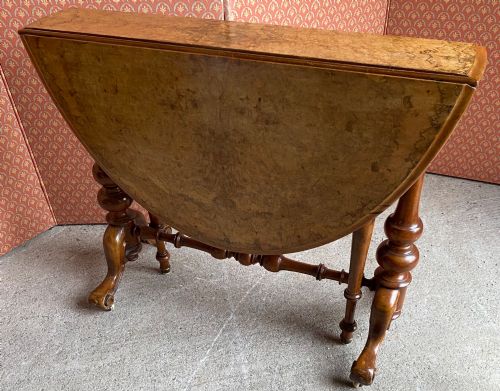
Cabinet makers relied on solid hardwoods like mahogany, oak, and walnut for structural integrity, frequently applying decorative veneers such as burr walnut and satinwood to tabletops. These veneers created rich grain patterns that caught the gaslight in period interiors.
Inlay work, parquetry, and chip-carving enhanced many surfaces, utilising contrasting timbers and brass details. Pedestal bases, tilt-top mechanisms, and drop leaves added functional adaptability to smaller tables.
The listings feature diverse woods including mahogany, walnut, rosewood, oak, satinwood, teak, and ebonised hardwood.
Judgement of Quality
Quality rests in the selection of timbers and the precision of the cabinet work, particularly where veneers meet solid frames and legs join the tabletop. Superior examples display carefully matched burr walnut or intricate parquetry that remains flush and stable.
The integrity of the structural joinery and the subtlety of carved or turned elements distinguish finer workshop output from standard domestic furniture. Tables retaining original surfaces and working mechanisms hold greater integrity.
Gillows·Gregory and Co·Hindley and Sons·Liberty of London·William Birch
The Victorian Wooden Occasional Tables Glossary
- Burr walnut
- A figured timber taken from the wart or growth on a walnut tree, prized for its swirling, decorative grain patterns. Cabinet makers typically applied this as a veneer to tabletops.
- Drop leaf
- A hinged flap on either side of a table that can be raised to extend the surface area or lowered when space is limited. This mechanism appeared frequently on smaller tables and Pembroke designs.
- Parquetry
- A geometric mosaic of wood pieces used for decorative surfaces on floors and tabletops. Makers arranged contrasting timbers to create patterns.
- Tilt top
- A tabletop mounted on a pivot and catch mechanism that allows the surface to tilt vertically when not in use. This design saved space in crowded nineteenth-century rooms.
- Sutherland table
- A narrow drop-leaf table with exceptionally deep flaps and folding legs that support them when raised. The design allowed the piece to fold flat for storage.
Victorian Wooden Occasional Tables: Frequently Asked Questions
What is an occasional table?
An occasional table is a small, movable piece of furniture designed for a specific, intermittent purpose in a room. These included holding a lamp, sewing equipment, or books.
Victorian examples provided practical surfaces that could be shifted easily around a drawing room or parlour as needed.
How do I use one today?
These tables function well beside armchairs or sofas for lamps, drinks, or books. Their compact proportions suit modern rooms where space is restricted.
Different forms, such as octagonal centre tables or small side tables, integrate naturally into both traditional and contemporary interiors.
What is a Sutherland table?
A Sutherland table is a narrow drop-leaf table featuring wide flaps supported by pivoting gatelegs. When lowered, the table occupies minimal floor space.
Victorian households utilised these versatile pieces for tea or reading in tighter sitting rooms.
How do I identify Victorian walnut?
Victorian walnut exhibits a rich brown tone with darker grain markings, often enhanced by a polished finish. Cabinet makers frequently used burr walnut veneers to create highly figured, decorative tabletops.
Plain walnut and figured burr walnut both appeared extensively across nineteenth-century occasional and centre tables.