

Victorian Wooden Nightstands
Victorian wooden nightstands bring warmth and period character to a bedroom, offering practical bedside storage shaped by nineteenth-century craftsmanship.
Victorian Wooden Nightstands
Victorian wooden nightstands encompass a diverse array of bedside furniture, including bedside chests, pot cupboards, pedestal cabinets, and small side tables. These pieces span the nineteenth century, reflecting the evolving domestic needs and stylistic shifts of the era.
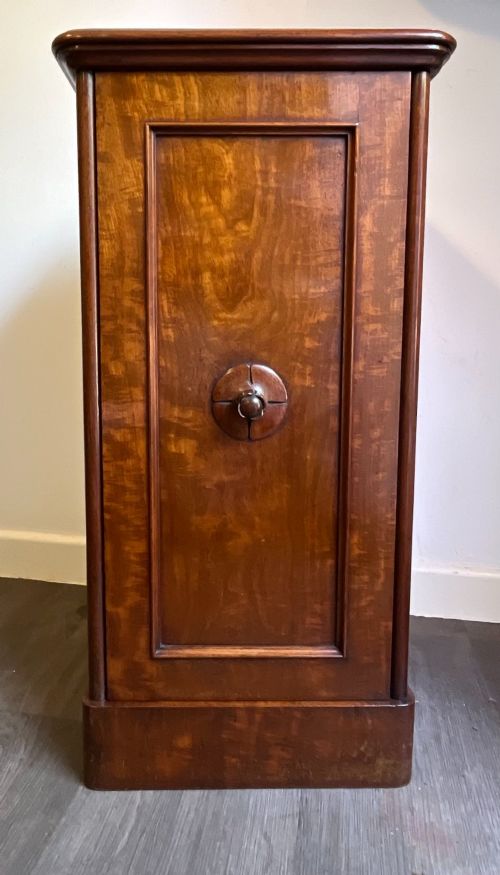
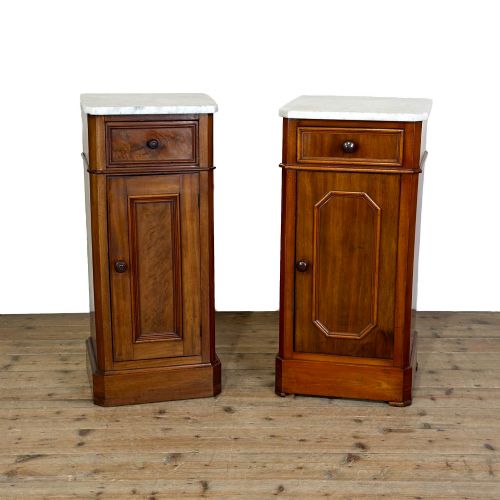
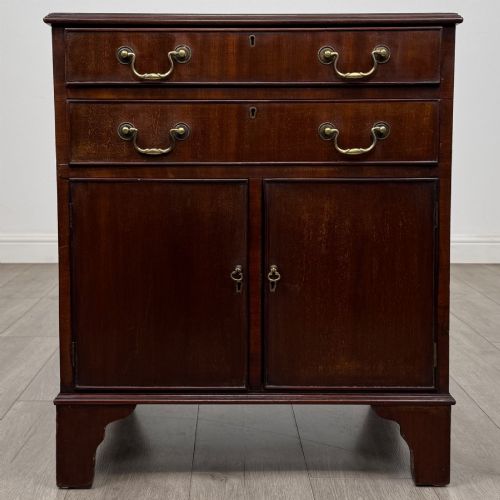
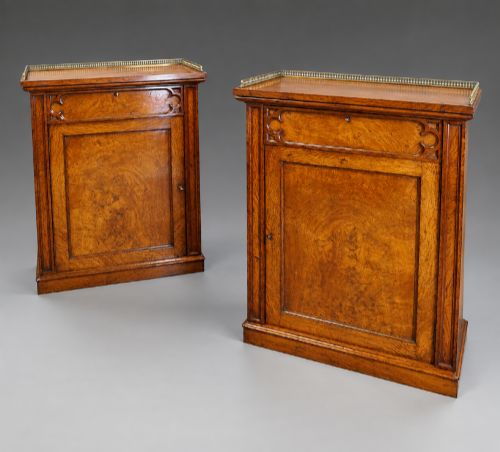
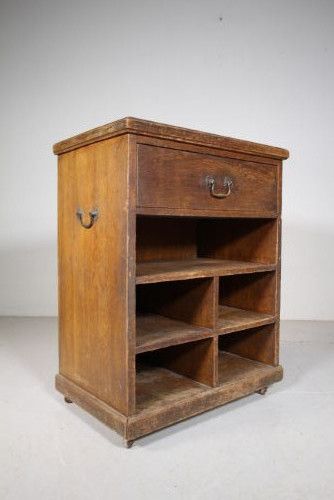
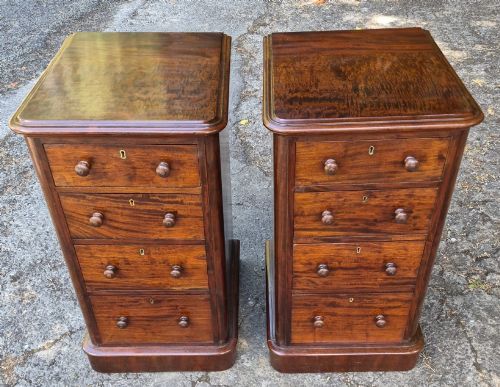
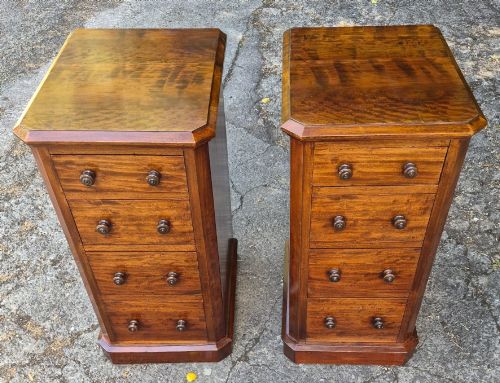
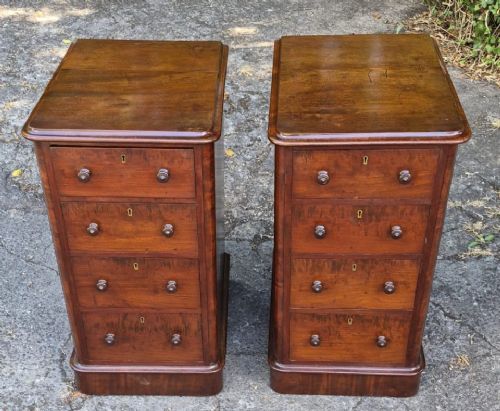
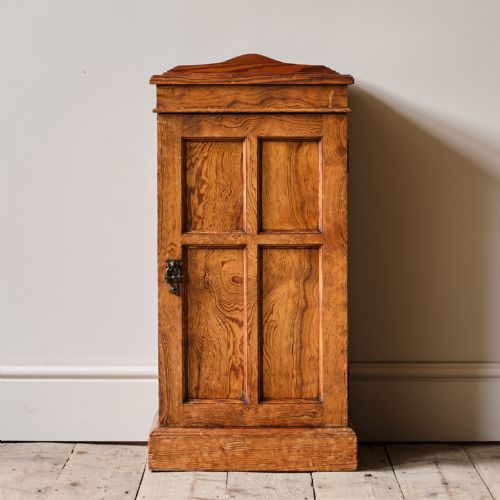
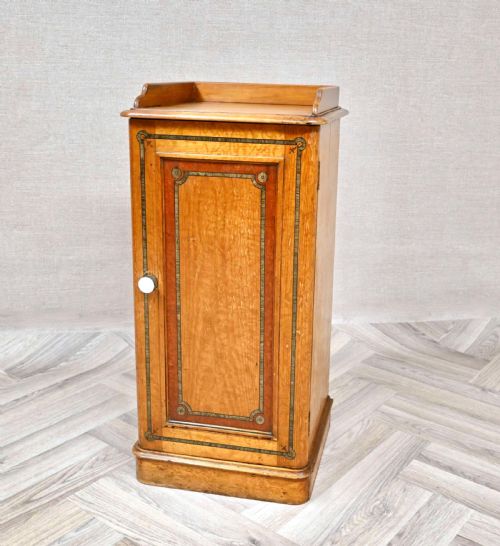
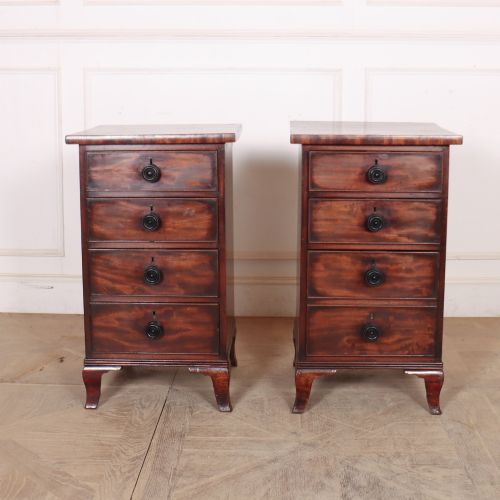
Buyers will most frequently encounter mahogany and walnut bedside cabinets from the mid to late Victorian period, alongside pine and oak utility pieces. Forms range from simple single-door cupboards to elaborate cylindrical marble-top cabinets and pairs of matched chests.
Standards of Execution
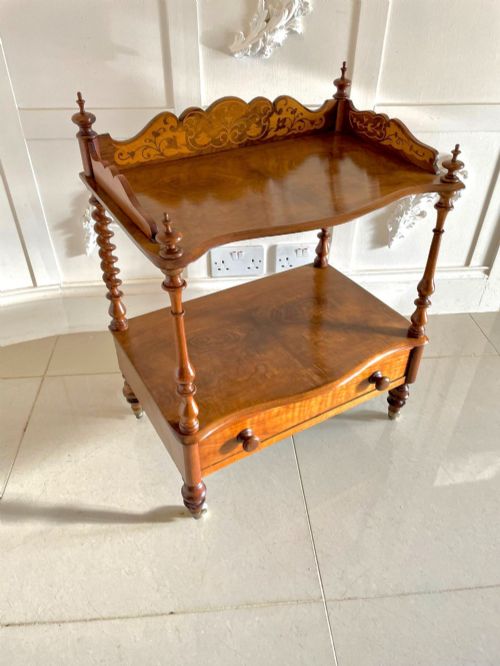
Quality in these pieces is dictated by the selection of timber figures, such as rich burr walnut or dense mahogany, and the precision of inlaid work or carved details. Superior examples display balanced proportions, integrated hardware, and uncompromised structural integrity throughout the carcase.
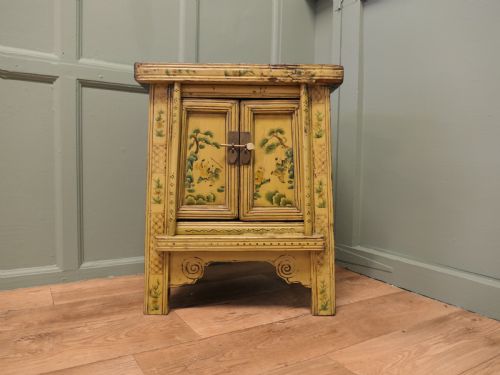
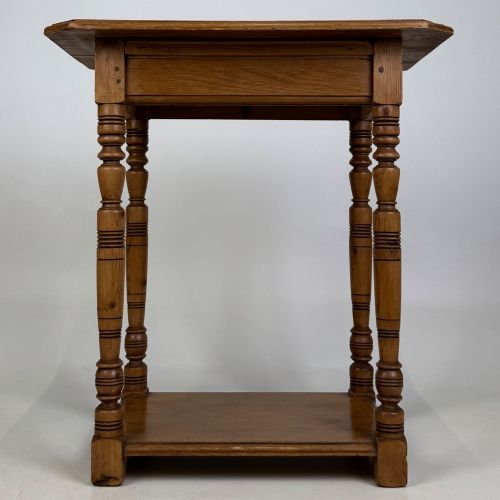
Lesser pieces often rely on simpler pine or secondary woods with plain painted finishes or heavier utility construction. The refinement of the turning, the fit of the cupboard doors, and the preservation of original surfaces distinguish finer cabinets from standard workshop production.
Periods represented range across the nineteenth century, capturing early Victorian work tables, mid-century washstands, and late-century aesthetic revival pieces.
The Victorian Wooden Nightstands Glossary
- Pot cupboard
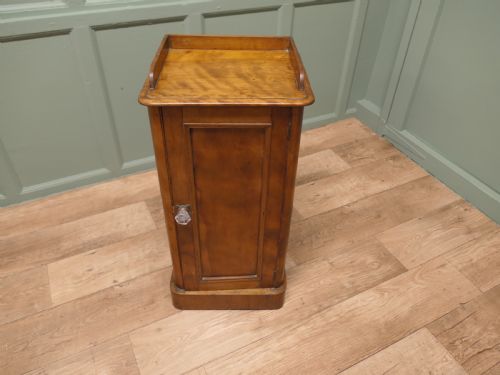
- A small bedside cabinet originally designed to house a chamber pot behind a single door. These pieces often feature an enclosed interior shelf and a raised gallery top.
- Parquetry
- A geometric mosaic of wood pieces used for decorative inlay on tabletops and cabinet doors. This technique demonstrates the skill of the cabinet maker.
- Gothic Revival
- An architectural and decorative style drawing inspiration from medieval design. Pieces in this manner feature pointed arches, heavy oak construction, and characteristic tracery.
- Drop leaf
- A hinged table flap that can be raised to extend the surface area or lowered when space is constrained. It is commonly found on occasional and work tables.
Victorian Wooden Nightstands: Frequently Asked Questions
What is a pot cupboard?
A pot cupboard is a compact nineteenth-century bedside cabinet built with a single enclosed door. It was originally designed to keep a chamber pot discreetly stored out of sight.
Today, these versatile small cupboards function well as bedside tables with internal shelving for books and modern essentials.
Are these pieces sold in pairs?
Many nineteenth-century bedside cabinets and chests are available as matched pairs. Cabinet makers frequently produced them concurrently to flank a double bed symmetrically.
Single pieces also appear frequently, reflecting how bedroom furniture was often acquired or separated over time.
How do I identify a Victorian nightstand?
Identification relies on observing nineteenth-century timber choices such as solid mahogany, burr walnut, and pine, combined with traditional hand-cut joinery. Stylistic markers range from plain utilitarian designs to ornate Gothic Revival carving and French-influenced revival curves.
Dates generally span the reign of Queen Victoria, with specific years often indicated by construction methods and contemporary decorative trends.
How do I care for wooden bedside cabinets?
Maintain polished wooden surfaces by dusting regularly with a dry cloth and occasionally applying traditional beeswax to nourish the timber. Avoid placing them near direct heat sources or strong sunlight to prevent veneer cracking and fading.
Marble-top variants benefit from prompt wiping of liquid spills to protect the stone from staining.