
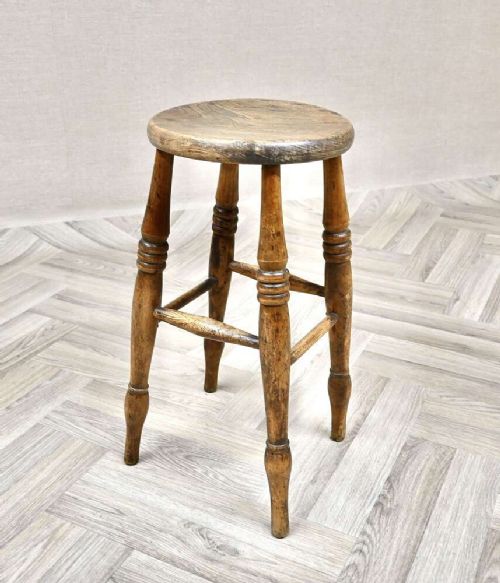
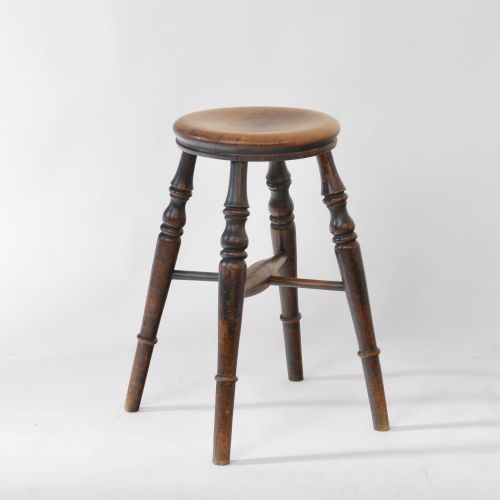
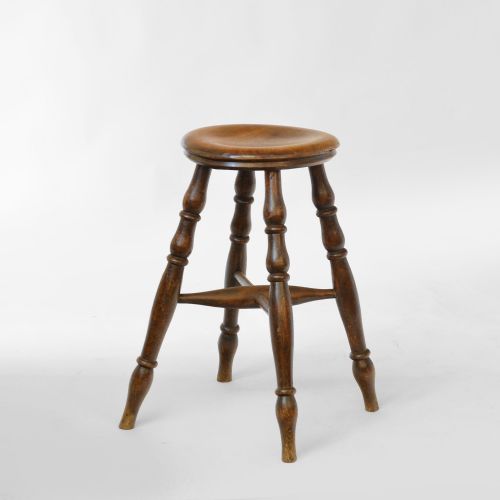
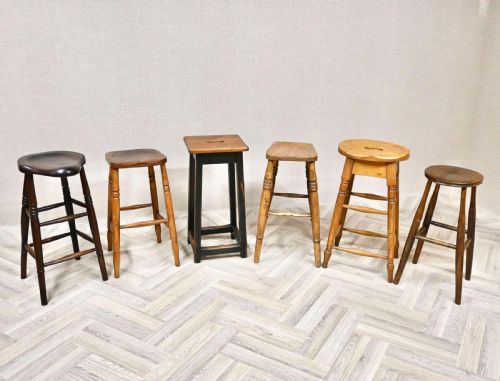
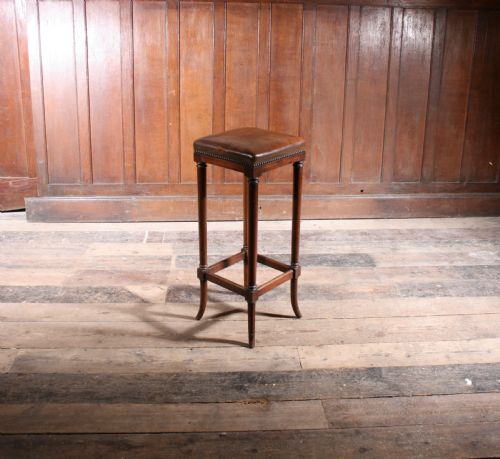


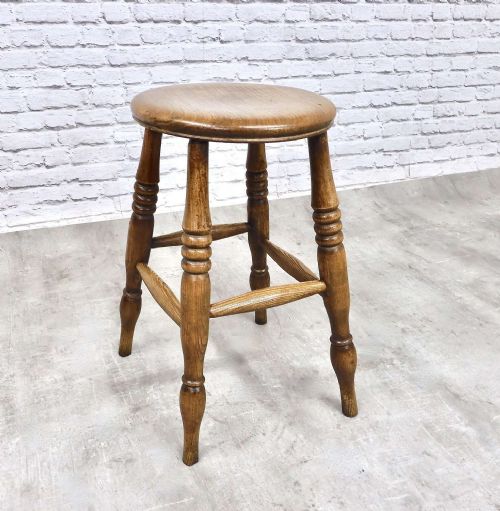
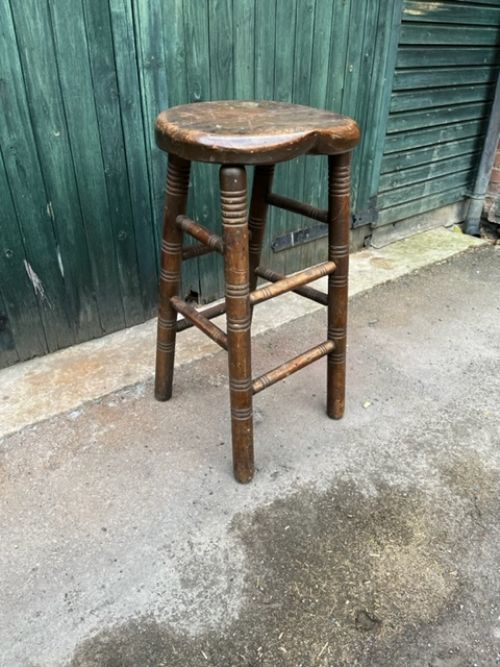


Victorian Wooden High Stool
These Victorian wooden high stool examples offer robust utility and honest charm, bringing genuine period character to modern seating arrangements.
Victorian Wooden High Stool
A Victorian wooden high stool serves specific utilitarian roles, encompassing tall pub, tavern, clerk and mill worker designs originating in the nineteenth century. Buyers seeking a Victorian wooden high stool encounter sturdy pieces intended for elevated seating at tall desks, counters or bars.
Most items on this page date to the nineteenth century, including specific years like eighteen-eighty and nineteen-ten, alongside Victorian classifications. Forms range from simple pub stools to clerk chairs and tall bar stools.
Makers produced these seating items for demanding commercial or working environments rather than formal display. Consequently, surviving examples display practical proportions and sturdy construction designed to endure daily use.
How they were made
Craftsmen built these high stools from domestic timbers including elm, sycamore, beech, pine, oak, mahogany, birchwood and general hardwood. These dense woods provided the structural strength required for tall seating subjected to heavy commercial use.
Turning techniques shaped the legs and structural stretchers, creating stable vertical supports for the elevated seats. Workshops utilised traditional joinery methods to secure the wooden components together firmly without relying on modern adhesives.
Listings feature nineteen-century pieces alongside specific dates like 1880 and 1910, spanning various functional forms.
What varies in quality
The choice of timber significantly influences the character of each piece, with dense native hardwoods like wild elm or sycamore commanding greater attention than simpler softwoods. Selection of figured mahogany or well-turned beech also distinguishes standard utility items from more considered examples.
Structural integrity and the retention of original turned elements determine the overall standing of an individual stool. Pieces that maintain their uncompromised height and balanced proportions demonstrate superior survival through decades of demanding use.
The Victorian Wooden High Stool Glossary
- Elm
- A tough, interlocking timber frequently utilised for seat tops due to its resistance to splitting under pressure. This native wood develops a deep surface character over decades of regular sitting.
- Sycamore
- A pale, dense hardwood favoured by traditional turners for creating robust tavern and pub furniture. It offers a smooth, even grain that takes wear gracefully.
- Turning
- A woodworking technique operating on a lathe to shape cylindrical components such as stool legs and stretchers. This process ensures structural symmetry and uniform strength across vertical supports.
- Stretcher
- A horizontal wooden brace connecting the legs of a stool to provide lateral stability. These reinforcing rails prevent the tall frame from wobbling under uneven weight.
- Vernacular
- An architectural and design term describing objects built by local craftspeople for practical utility rather than following grand academic styles. These pieces reflect regional materials and everyday needs.
Victorian Wooden High Stool: Frequently Asked Questions
Where were these stools used?
These tall stools originated in commercial and working environments such as taverns, pubs, clerk offices and textile mills. Workers and patrons utilised the elevated seats for tasks requiring height at tall desks or counters.
Over time, many of these utilitarian survivors transitioned into domestic settings, where their rustic proportions suit modern kitchen islands and breakfast bars.
How do I clean a wooden stool?
Maintain the surface timber by dusting regularly with a dry cloth and occasionally feeding the wood with natural beeswax. Avoid harsh chemical cleaners or excessive moisture, which can damage the historic polish and dry out the grain.
Allow the natural patina developed over the nineteenth century to remain intact rather than stripping the surface down to bare timber.
Are these stools comfortable for daily sitting?
While originally designed for functional working hours rather than lounging, many examples feature sculpted wooden seats shaped to fit the body. Adding a loose cushion can enhance comfort for modern dining or working use.
Their sturdy braced frames provide reliable support, though seat heights vary across different clerk and tavern models.
How do I date a nineteenth century stool?
Dating relies on examining the turning styles, tool marks left by woodworking implements, and the specific type of timber utilised in the construction. Nineteenth-century pieces often display hand-turned components and authentic wear patterns from commercial service.
Comparing the joinery methods and structural wear against known period examples helps establish the likely decade of manufacture.