
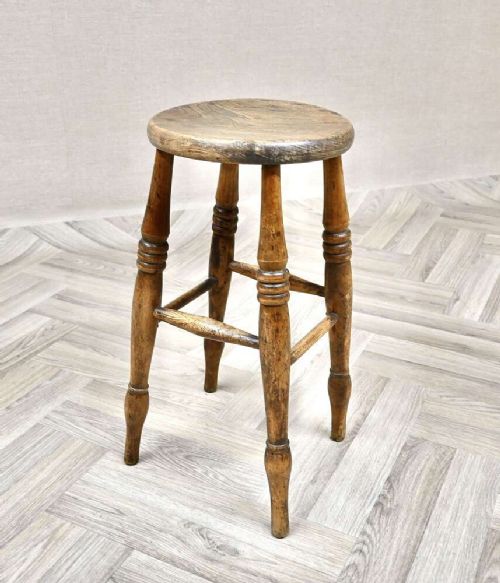
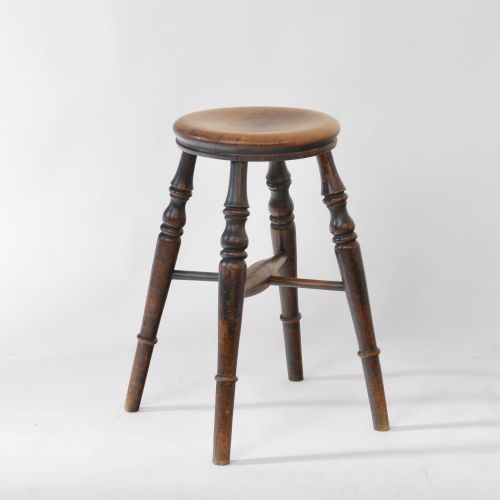
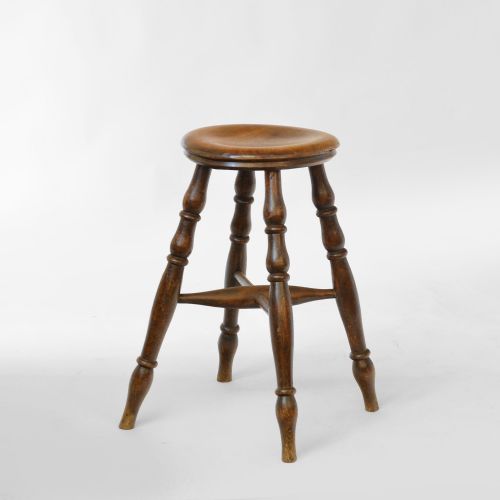
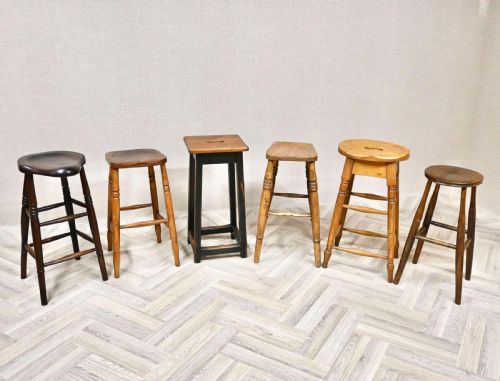




19th Century Tall Stool
These 19th century tall stool pieces are functional workshop and tavern seats designed for elevated work, offering genuine period character for modern spaces.
19th Century Tall Stool
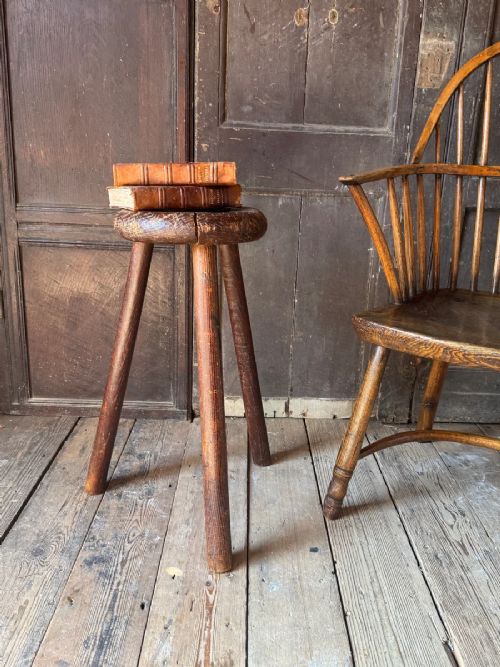
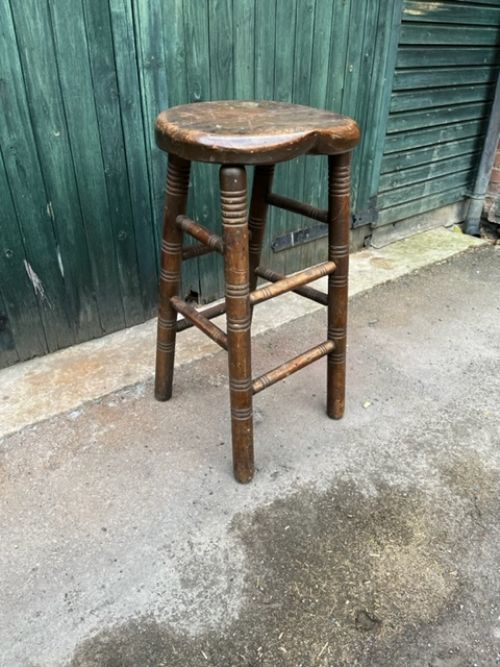
A 19th century tall stool is typically encountered as an elm top stool, a pub or tavern stool, or a clerk's stool designed for high desks and counters. These pieces originate from Victorian vernacular and rustic farmhouse traditions, prioritising utility above all else.
The selection frequently includes bar stools and desk chairs built during the nineteenth century, including specific dates like 1850 and 1880. Forms range from simple timber seats to bottom shaped stools and dairy stools found in paint.
Most examples serve specific historical functions, such as seating for clerks, publicans, or dairy workers requiring height to perform daily tasks. The proportions reflect the practical demands of nineteenth-century workspaces and hostelries.
Materials and construction
Constructed from native hardwoods and softwoods, these pieces rely heavily on elm, sycamore, beech, pine, oak, ash, birchwood, yew wood, and mahogany. Woodworkers selected specific timbers for their strength and ability to withstand heavy daily use in demanding environments.
Construction techniques include traditional turning for legs and stretchers, alongside solid timber seats shaped or left plain. Many examples combine different woods within a single frame, utilising sturdy joints to support the considerable height of the seat.
Several tavern stools show distinct wear patterns from decades of muddy boots resting firmly on the lower stretchers.
Judging quality in tall seating
Quality rests upon the selection of timber, particularly the grain and figure found in elm tops and sycamore seats. Superior examples display thoughtful matching of turned components with substantial wooden seats that demonstrate considerable longevity.
The integrity of the frame and the retention of original surface treatments, such as early paint or patinated timber, distinguish finer pieces. Structural balance at height remains essential, as well as the harmony between the turned legs and the upper seat.
The 19th Century Tall Stool Glossary
- Clerk's Stool
- A tall seat traditionally used by administrative workers at high standing desks. These typically feature turned wooden legs and footrests positioned at lower levels.
- Pub Stool
- A robust seat utilised in taverns and public houses for patrons sitting at high counters or tables. They are built for resilience in social environments.
- Bottom Shaped Stool
- A seat carved with a concave depression for comfort during long periods of sitting. This ergonomic shaping is often found on vernacular timber seating.
- Dairy Stool
- A low or medium height working seat used in agricultural settings, sometimes found adapted or produced in taller formats. They frequently retain traces of historic paint.
- Vernacular
- Everyday utilitarian objects made by local craftsmen without high style pretensions. These pieces reflect regional traditions and available materials rather than metropolitan fashions.
19th Century Tall Stool: Frequently Asked Questions
What is a 19th century tall stool used for?
These tall seats served workers and patrons who needed elevation at high desks, counters, and tavern bars during the nineteenth century. Clerks used them for bookkeeping, while pub visitors sat at high tables.
Today, they function well as breakfast bar seating or decorative accent pieces in contemporary kitchens and studies.
Are these stools comfortable for daily use?
Many examples feature sculpted or dished wooden seats designed to provide ergonomic support during long working hours. The addition of foot stretchers helps reduce leg strain.
While lacking modern cushioning, their solid timber construction offers a stable and supportive sit.
How do I care for antique wooden stools?
Protect the timber by keeping the stool away from direct heat sources and extreme humidity fluctuations, which can cause wood to split. Regular dusting with a dry cloth maintains the finish.
Applying a traditional beeswax occasionally helps nourish the aged surface without building up residue.