


Victorian Wooden Furniture
Victorian wooden furniture encompasses substantial chests of drawers, utilitarian benches, and miniature apprentice pieces built from mahogany, walnut, and oak.
Victorian Wooden Furniture
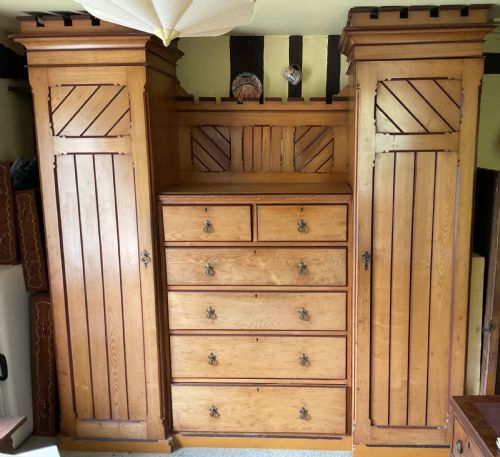
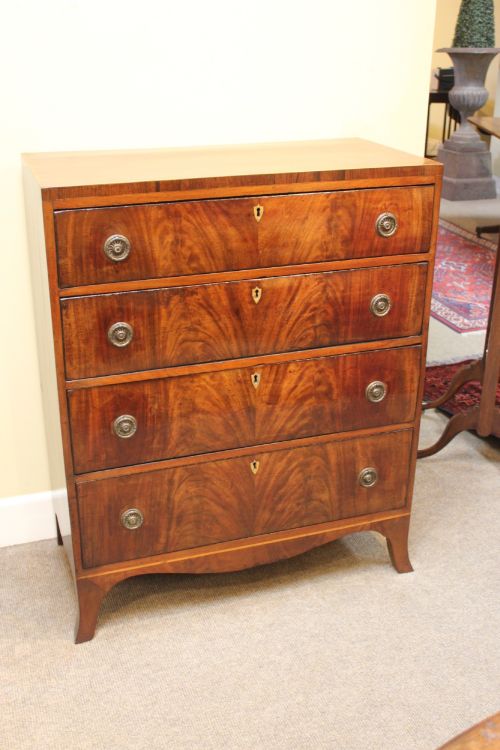
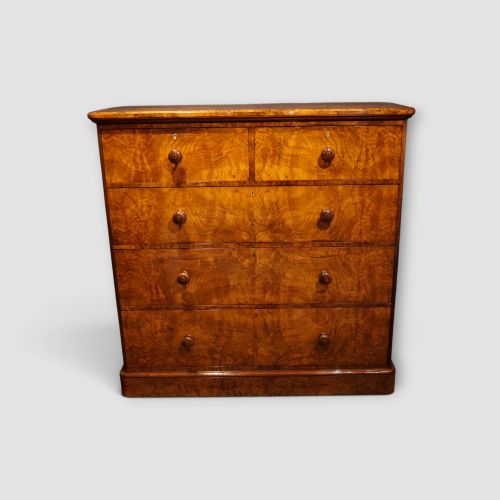
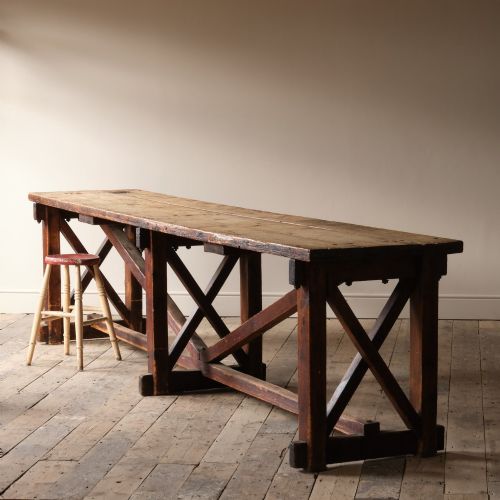
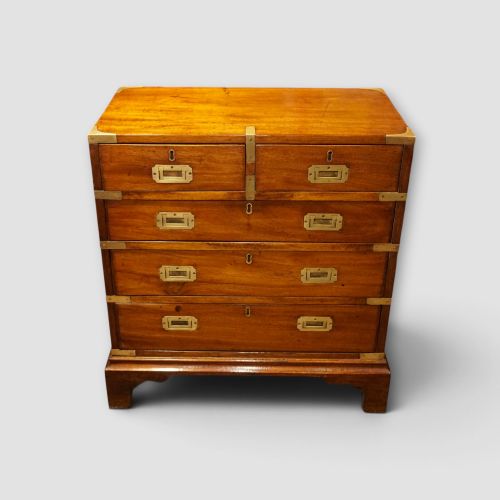
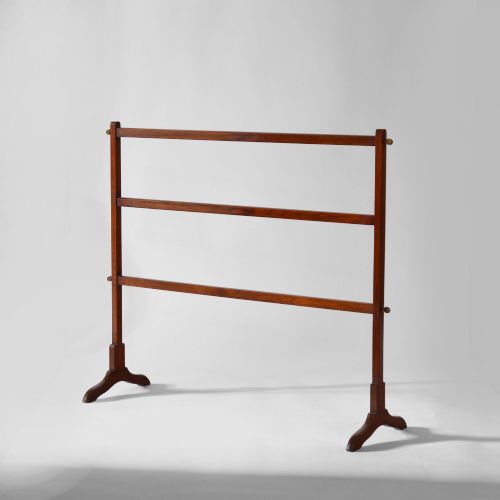
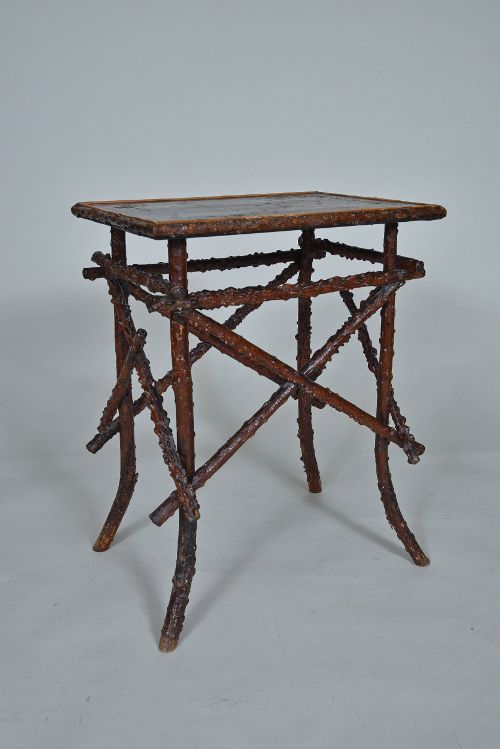
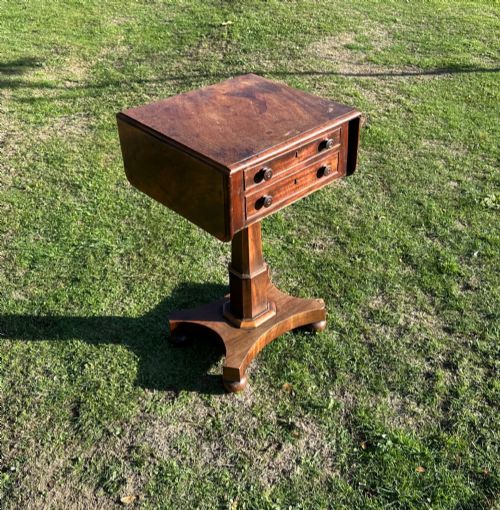
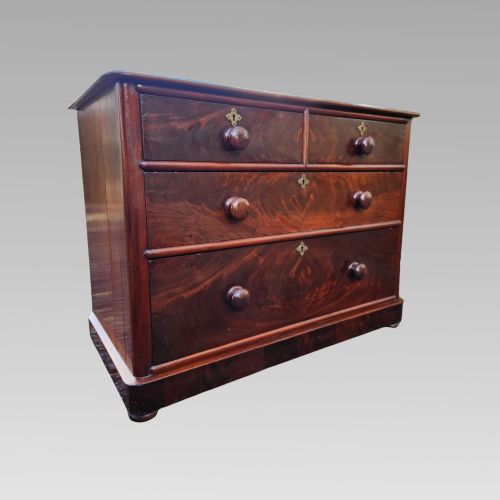
Victorian wooden furniture covers a broad spectrum of domestic items, ranging from large wardrobes and pedestal desks to small wall-hanging shelf racks and towel rails. Chests of drawers appear frequently, constructed from mahogany, oak, and walnut in varying drawer configurations.
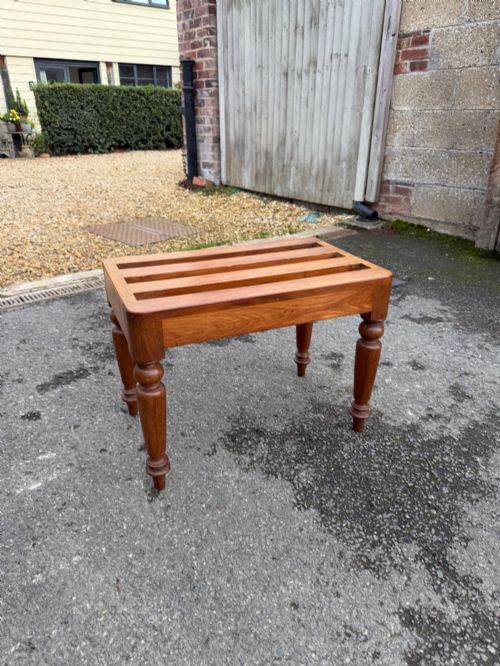
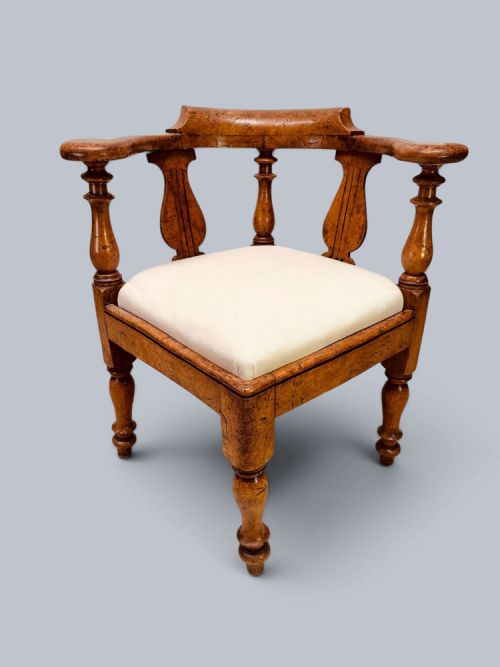
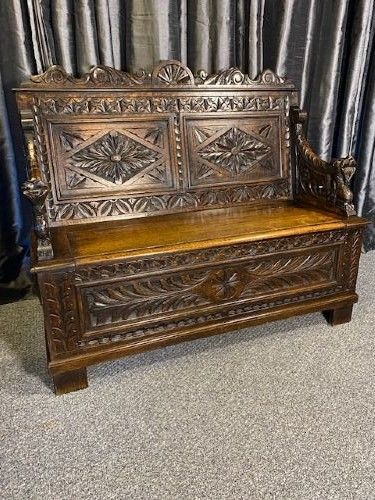
Seating forms a substantial part of the selection, including hall benches, armchairs, rocking horses, and foot stools reflecting styles from early Victorian to Arts and Crafts and Gothic Revival.
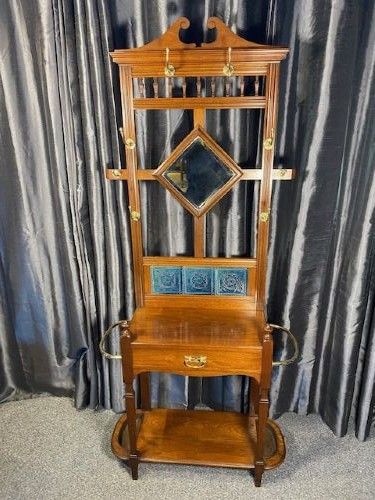
Miniature pieces and apprentice pieces also feature among the smaller items, alongside occasional tables, washstands with raised galleries, and umbrella stands fitted with brass or metal components.
Materials and construction methods
Makers utilised dense timbers such as mahogany, walnut, rosewood, and oak, frequently combining solid woods with veneers and incorporating decorative elements like mother-of-pearl, abalone inlay, and needlework.
Structural hardware relied heavily on brass, iron, and glass for handles, hinges, and rails, supporting functional forms designed for heavy daily use in nineteenth-century households.
Victorian Wooden Furniture Retail Price Guide 2026
Typical asking prices for victorian wooden furniture among the pieces listed under this phrase on Sellingantiques today, from the lower quarter to the upper quarter. They describe what is for sale here now, not the wider market.
A carved black forest bear musical seat waits quietly to play a tune for whoever rests upon its wooden back.
Distinctions in craftsmanship
The standard of execution depends on the precision of the joinery and the selection of timber figures, such as burr walnut or figured mahogany, rather than simple age alone.
Sophistication in carved ornamentation, the retention of original fittings like brass cup handles, and the integration of specialised elements like marble tops or marquetry determine the standing of individual items.
James Shoolbred
The Victorian Wooden Furniture Glossary
- Apprentice piece
- A small-scale model demonstrating a cabinetmaker's skill to achieve journeyman status. These items replicate full-size chests of drawers or chiffoniers in miniature proportions.
- Washstand
- A chamber table equipped with a raised gallery or a marble top designed to hold washbasins and pitchers. They frequently include storage cupboards below.
- Purdonium
- A specialised coal box or cabinet designed to hold fuel near a fireplace. These containers often feature a sloping front and internal metal linings.
- Cheval fire screen
- A standing frame holding a needlework panel placed before a hearth to deflect heat. They utilise pivoting joints to adjust the position of the textile.
- Tunbridge ware
- Small wooden items decorated with microscopic mosaic tesserae forming geometric or pictorial designs. This technique originates from the spa town of Tunbridge Wells.
Victorian Wooden Furniture: Frequently Asked Questions
How do I identify a washstand?
A washstand is recognised by its protective raised wooden gallery or a fitted marble top designed to prevent water splashing against bedroom walls. Many include lower storage cupboards or open shelves.
They function well in modern interiors as hallway tables or bathroom vanity surfaces.
What woods were used most often?
Mahogany, oak, and walnut dominate the inventory, accompanied by rosewood, pine, and ash. Cabinetmakers selected these dense timbers for structural durability and decorative grain figures.
Secondary woods like deal appear internally within drawer linings and cabinet backs.
Where did hall benches go?
Hall benches stood in nineteenth-century entrance halls to provide seating for callers removing outerwear. Their substantial oak or mahogany frames accommodated heavy daily domestic traffic.
Today they suit spacious entryways or boot rooms as practical seating solutions.