
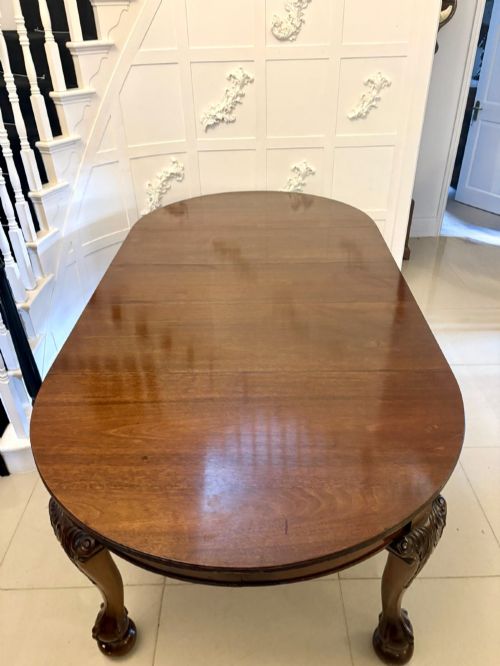
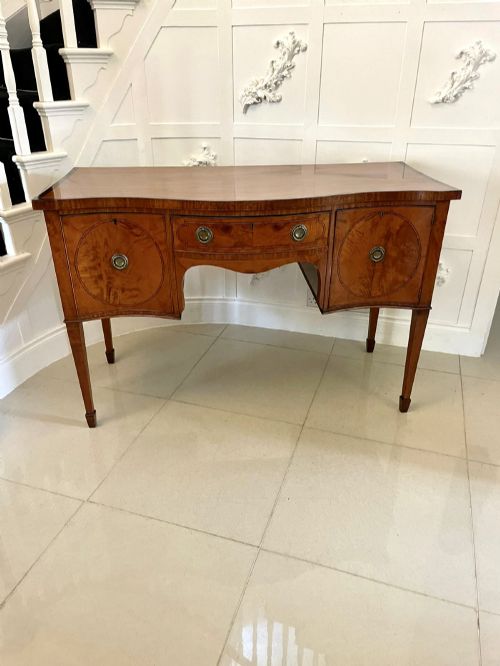
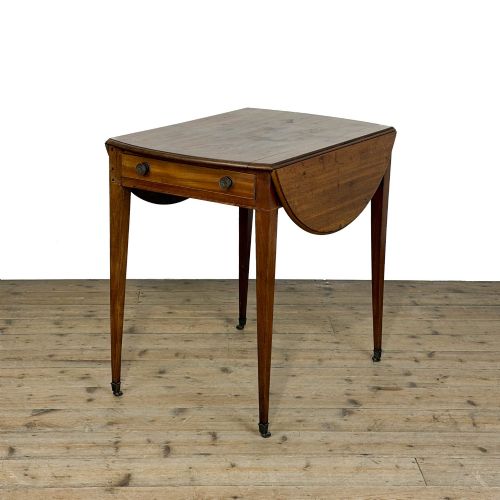
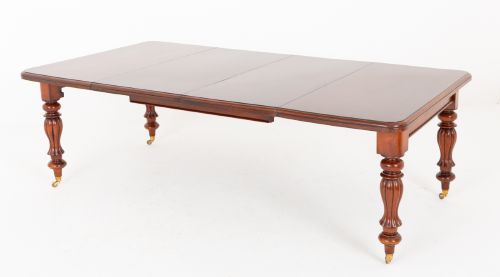
Victorian Wooden Dining Table
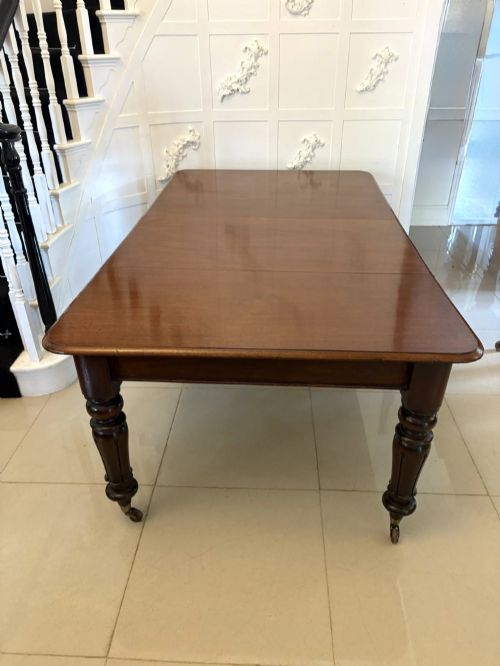
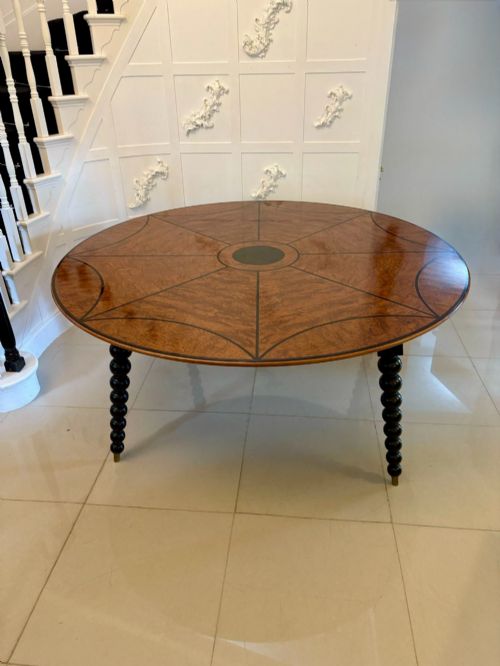
A victorian wooden dining table anchors the room with solid timber, generous proportions and the weight of nineteenth-century craftsmanship.
Victorian Wooden Dining Table
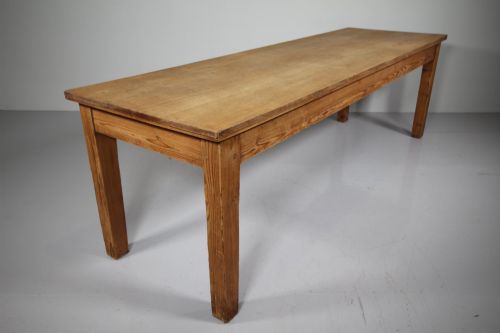
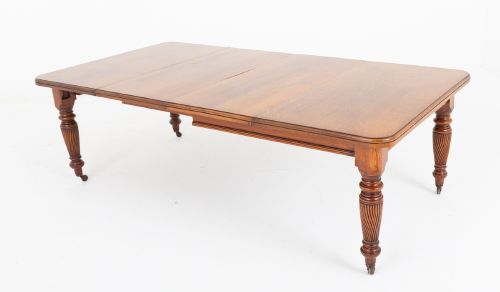
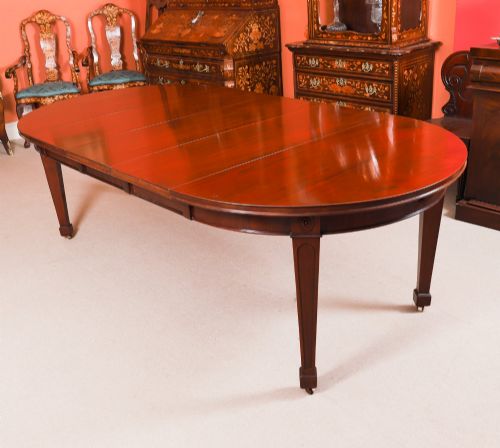
A victorian wooden dining table brings together nineteenth-century craftsmanship and domestic utility, ranging from formal mahogany extending designs to robust pine and oak farmhouse tables. These pieces accommodate family gatherings through clever leaf mechanisms and solid timber construction that stands the test of daily use.
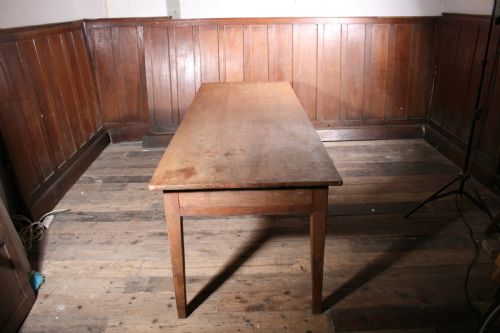
Buyers will encounter grand mahogany and walnut extending tables alongside rustic pitch pine and oak kitchen boards. Many examples date from the mid to late nineteenth century, reflecting both formal dining room entertaining and everyday farmhouse practicality.
Materials and construction
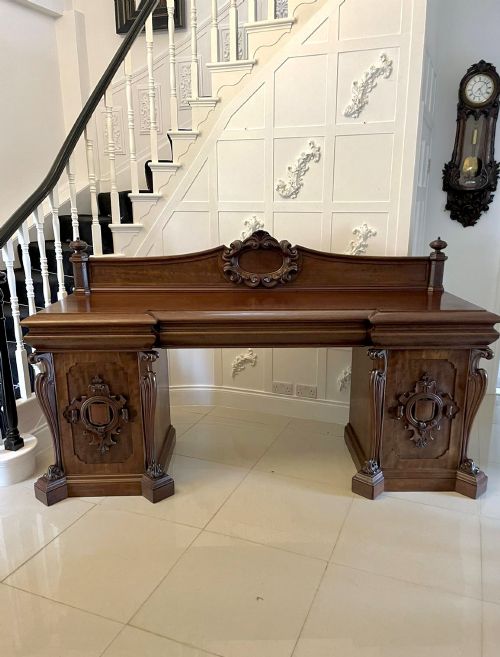
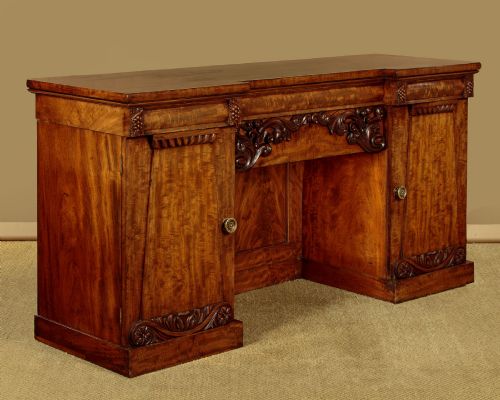
Cabinet makers utilised dense hardwoods like mahogany, walnut, rosewood and figured oak for formal dining tables, often employing secondary timbers for internal framing. Table leaves and tops were joined with precision, while pedestals and legs frequently featured carved detailing.
Kitchen and farmhouse variants relied on sturdy pine, elm and pitch pine, built with thick tops and pegged joints to withstand heavy domestic labour. French polish, wax and natural oils finished the hardwood surfaces, protecting the timber while highlighting the grain.
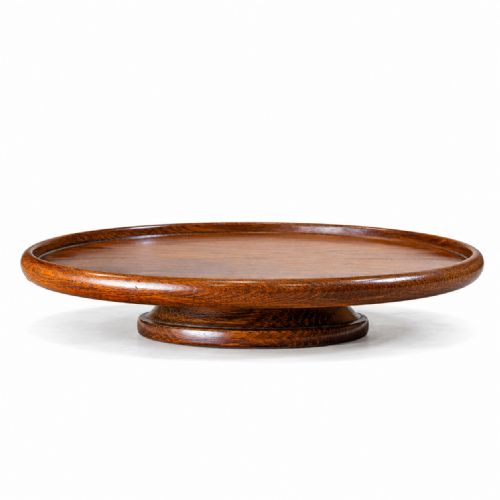
Some tables double as dinner gongs or breakfast boards.
Assessing quality and finish
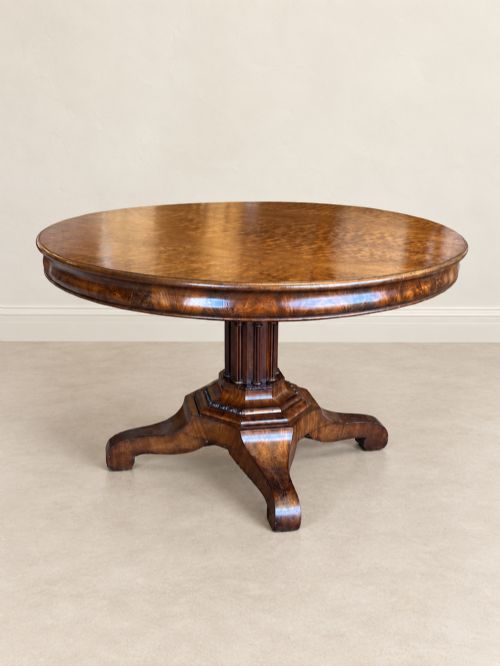
Superior examples distinguish themselves through the choice of timber, such as figured mahogany, burr walnut or pollard oak, displaying rich grain patterns selected by skilled cabinet makers. Construction methods dictate longevity, with solid timber frames and smoothly operating extension mechanisms separating fine parlor tables from utility boards.
Carving depth and proportion mark the difference between standard production and exceptional workshop output. Tables retain their integrity when joints remain tight and original timber surfaces show honest patination rather than over-restoration.
Maple & Co·Gillows
The Victorian Wooden Dining Table Glossary
- Extending table
- A dining table designed with a central gap and removable leaves to increase seating capacity. This mechanism allows the surface to expand for larger gatherings.
- Refectory table
- A long, narrow dining table historically used in communal dining halls. These pieces typically feature sturdy wooden legs connected by low stretchers.
- Pembroke table
- A small occasional table with hinged drop leaves on two opposing sides. It offers flexible surface space in smaller rooms.
- Quadrapod base
- A pedestal support resting on four distinct feet or legs. This configuration provides stability for heavy circular breakfast tables.
- Patina
- The surface sheen and colour developed by wood over decades of use and polishing. It signals age and proper maintenance.
Victorian Wooden Dining Table: Frequently Asked Questions
How do I extend the table?
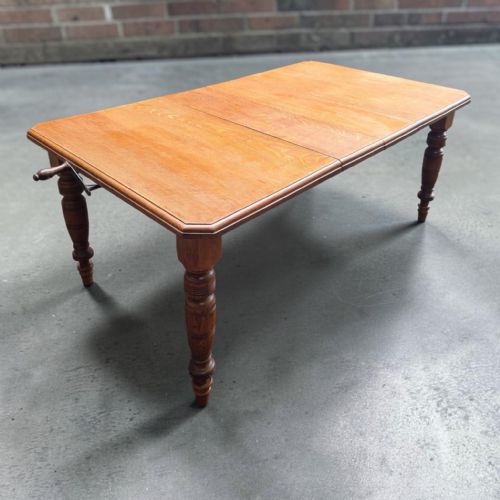
Many tables utilise a winding mechanism with a internal metal screw thread operated by a crank handle. Other models rely on simple drop-in leaves supported by wooden runners.
Ensure the runners are clean and lightly waxed so the sections slide apart smoothly without binding or straining the timber.
How many people will it seat?
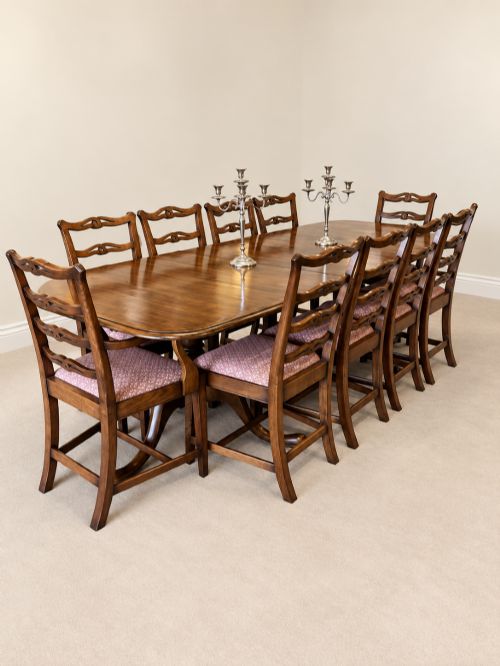
Seating capacity depends on the length of the table and whether extension leaves are inserted. Standard dining tables on this page accommodate anywhere from six up to fourteen guests.
Consider the placement of table legs or pedestals when measuring chairs, as pillar bases can restrict legroom at the ends.
How do I care for the wood?
Protect timber surfaces from direct heat and moisture by using coasters, mats and trivets. Apply a quality beeswax periodically to nourish the grain and maintain the natural finish.
Avoid commercial silicon sprays which can build up on the antique polish and dull the natural lustre over time.
How do I tell mahogany from walnut?
Mahogany generally presents a reddish-brown tone with a straight, tight grain pattern that deepens in richness with age. Walnut tends to show a darker, richer brown with more pronounced swirling figures and contrasting dark lines.
Burr walnut displays intricate circular knot patterns that were highly prized by nineteenth-century cabinet makers for formal tabletops.